Peeking Behind the Curtain: New Insight into How the Immune System Makes a Choice in COVID-19

Recent evidence has arisen, giving at least some insight, into how the immune system can reduce COVID-19 into a mild, unimpactful infection and then, in some cases, progress into a high mortality and morbidity form. Some hint was given by its early history of causing a mild phase progressing into a severe phase after 10-12 days of symptomatic infection, if including 2 days or more of asymptomatic infection, about the length of time (14 days or more) to develop a full humoral response. The most compelling case is for the development of humoral autoimmunity, autoantibody. Patients with life-threatening COVID-19 pneumonia have neutralizing IgG autoantibodies against Interferon-ω, the 13 types of interferon-α, or both, at the beginning of severe disease; a few also have autoantibodies against the other three type I Interferons. The autoantibodies neutralize the ability of the type I interferons to block SARS-CoV-2 infection in cell cultures. These autoantibodies are not found in those with asymptomatic or mild SARS-CoV-2 infection and only rarely in healthy individuals https://science.sciencemag.org/content/sci/early/2020/09/23/science.abd4585.full.pdf. This mechanism also explains the Kawasaki-like syndrome, the multisystem inflammatory syndrome (MIS-C), seen on rare occasion in young children and adolescents. The development of effective and lasting immunity appears to depend on cellular-mediated immunity (CMI; largely, T lymphocytes and production of gamma interferon) https://www.biorxiv.org/content/10.1101/2020.05.26.115832v1.full.pdf. The serum concentrations of IL-17A (a protein that recruits monocytes and neutrophils to an inflammatory site) and IFN-γ, but not TNF-α or IL-6, decrease with age of patients; therefore, gamma interferon’s ability to prevent viral replication but not induce oxidative damage to host cells, as with TNF-α, is more important in children’s responses. Recent evidence supports decline in soluble IL17A receptors, which block TNF-alpha and interferon gamma production by competing with the cellular T17 lymphocyte receptor, leads to more severe COVID19 https://science.sciencemag.org/content/sci/early/2020/10/14/science.abe9403.full.pdf. Adults show a more robust T cell response to the viral spike protein compared to pediatric patients shown by increased expression of CD25+ on CD4+ T cells and the frequency of IFN-γ+CD4+ T cells. Also, serum neutralizing antibody titers and antibody-dependent cellular phagocytosis are higher in adults than in pediatric COVID-19 patients. The neutralizing antibody titer increases with age while the IL-17A and IFN-γ serum concentrations decrease. Therefore, neutralizing antibody levels alone are not sufficient to decrease severity of COVID. The first effective response to the SARS-CoV-2 virus is innate, involving the triggering of interferon 1 production (a complex of 13 proteins) leading to predominantly interferon omega, a form that recruits upregulation of the phagocytic activities of whole blood cells, macrophages and NK (Natural Killer) cell activities with decreased viral excretion https://www.karger.com/Article/Fulltext/495897#top. Type 1 interferons induce type III interferon (IFN-λ), which is primarily restricted to mucosal surfaces and is thought to confer antiviral protection without driving damaging proinflammatory responses. The interferon 1 released from infected cells prevents neighboring cells from replicating virus. The phagocytes produce NO, nitric oxide, that yields inhibition of viral replication and in greater amounts cell death, which may result in killing cells before virus can replicate, and damaging viral RNA. Greater amounts of NO can lead to swelling and further non-specific inflammation if it gets out of control. In children and those adults who recover from mild infection, the virus is eliminated by these innate and adaptive cellular immunity. If virus persists and disseminates in the lungs and other tissues, a strong humoral adaptive response may ensue. If with autoantibodies, phagocytes, with accompanying cytokine inflammation, will be directed against infected tissues, causing sepsis and perhaps death https://www.the-scientist.com/news-opinion/the-immune-hallmarks-of-severe-covid-19-67937. Antibody directed enhancement (ADE) may also ensue, wherein antibody increases viral uptake by white blood cells and endothelial cells by linking the viral bound antibody to the target cells through Fc receptors or complement component linkers/anti- ligands on the cells, and leading to more viral replication https://www.ncbi.nlm.nih.gov/pmc/articles/PMC7165974/pdf/IMR-268-340.pdf.

There may be correlates in animals. Cats get an enteric coronavirus which has little or no signs, but, in certain young cats, it becomes disseminated, causing peritonitis with lethality usually 100%. CMI provides an effective immune response that resolves the infection in the enteric, intestinal form. If it does not, a strong humoral response kicks in and selects for a more pathogenic form of the virus which infects and replicates in macrophages https://www.ncbi.nlm.nih.gov/pmc/articles/PMC7112361/pdf/main.pdf. Also, autoantibodies form. There seems to be genetic predisposition toward this resulting in peritonitis https://www.ncbi.nlm.nih.gov/pmc/articles/PMC2819880/. Peritonitis pathology involves severe systemic inflammatory damage of serosal membranes and widespread pyogranulomatous lesions in the lungs, liver, lymph tissue, and brain. The host immune system produces profound T-cell depletion from the peripheral and lymphatic tissues and changes cytokine expression. The clinical finding of hypergamma-globulinemia-associated feline infectious peritonitis is indicative of over production of antibody against an antigen which cannot be cleared, like a host cell-associated antigen. Therefore, like COVID-19, the feline coronavirus virus disease has this dichotomy, based on viral dissemination and autoantibody. The selection of the appropriate immune pathway with vaccination becomes very important to avoid adverse effects. Other viruses have had a similar warning due to overt responses, predominantly in children, resulting in hemorrhagic disease, when becoming immune (for life) to one strain but then becoming infected with another as in Dengue (4 strains), a mosquito-borne virus. The right antigen for the right vaccine must be selected to prevent such adverse effects. Another way that the viral replication and subsequent damage can be reduced is to stop or delay an overt response without altering it directly by using the anticoagulant heparin which blocks virus’ binding to the target cells https://www.cell.com/action/showPdf?pii=S0092-8674%2820%2931230-7. Stopping selecting the self-destructive immune pathway is what Dr Mullis’ chemically programmed immunity, mentioned in an earlier posting, sought to accomplish as well.
Loss of Wild Places: Ultimate Cause of Infectious Diseases like COVID-19

We are motivated by our emotions, sometimes logic and unfortunately, many times, by our economic desire to accumulate objects, wealth, to guarantee our and our family’s security and future. We do not see that the resources of the Earth are finite, and that continued unlimited growth is unsustainable. To promulgate this illusion for some means others (humans, animals, and plants) must surrender resources to the point they suffer harm, often irreparable and for generations.

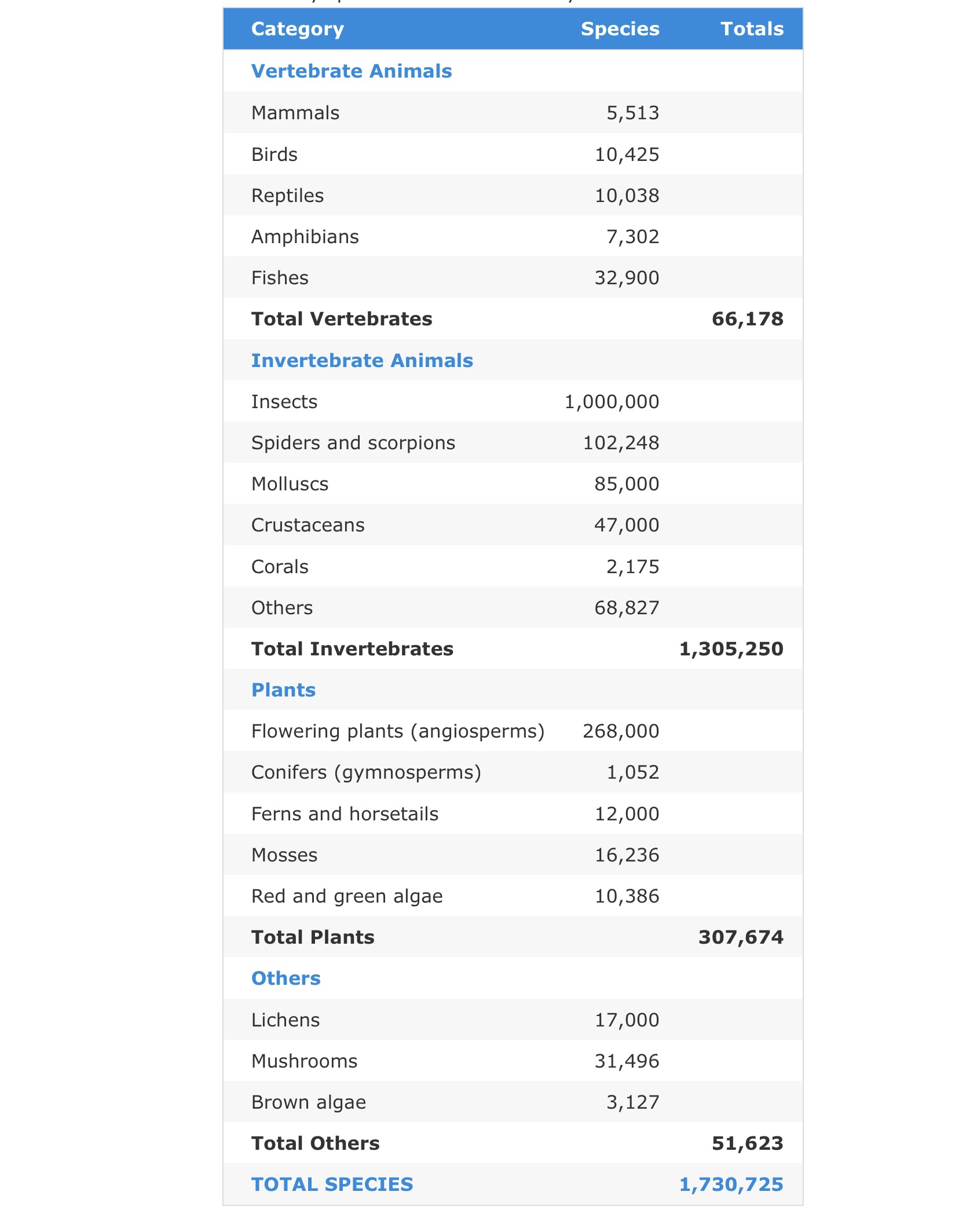
But does this belief in our privilege as a superior species really relieve our consciences or relieve us from the responsibility for or consequences of global domination and exploitation? Wildlife populations have plunged by 68% between 1970 and 2016, and only 25% of the planet can still be considered ‘wilderness’ according to the World Wildlife Fund and the Zoological Society of London. There are 8.7 million multicellular species on Earth, 6.5 million on land and 2.2 million in the oceans. Broken down into multicellular groups:

But these are small in number compared to microbes which account for from 10 million to 1 billion species of which less than 1% are known.
Reference
The World Conservation Union. 2014. IUCN Red List of Threatened Species 2014.3. Summary Statistics for Globally Threatened Species. Table 1: Numbers of threatened species by major groups of organisms (1996-2014).

Our current nemesis, SARS-CoV-2, and its brethren viruses, which may or may not be considered living things, are in numbers that are multiples of the above for every species, even bacteria, Archea, and some giant viruses, which have them. To represent all species on Earth, we would need a “Noah’s Ark” representing approximately 2 × 10(exp)12 tonnes (1 tonne = 1 metric ton = 1000 kg) of biomass of approximately 5 × 10(exp)30 living cells.

All these species are in danger, including human beings. We are entering the 6th mass extinction, this time caused by humans. This would not be the first time humans have faced near extinction.

“It began greater than 160,000 to 135,000 years ago from South Africa and then spread up along the east coast of Africa to the Horn of Africa and then both east and west. The westerly route took it to the Congo River Basin where it spread to the West Coast of Africa and to the talapoin monkeys, the most probable origin of modern VPV (Viper Plague Virus) through rock python predation and tick spread to the smaller ball pythons of West Africa and then to the Vipers co-mingled with them and their tick vectors in the pet trade shipments to Florida (where the modern descendant of this virus was discovered in the early 2000’s). The Easterly route to North and South America took much longer and almost wiped out the human population traveling east. They followed the mid-eastern route to the coast of India to Southeast Asia into Indonesia. The Mount Toba Volcanic Eruption in Indonesia might have wiped out much of the animal and human life west of it and spared those to the east in Indonesia, but in 2013 the idea was refuted by research which found that the artifacts found in India came from much earlier pre-modern homins which migrated out of Africa, the Neanderthals and the Denisovans, and that even they survived the volcanic fall out. It is possible that they passed the virus to modern humans in Indonesia long after they brought it from Africa. Evidence for this hypothesis is supported by the facts that between 4% and 6% of the genome of Melanesians (Papua New Guinean and Bougainville Islanders) is derived from a Denisovan population. This DNA was most likely introduced during the early migration to Melanesia. These findings agree with the results of other tests which show a relative increase in genetic sharing between the Denisovan and the Aboriginal Australians when compared to other Eurasians and Africans. Nonetheless, the Papuans of Papua New Guinea have more Denisovan DNA than Aboriginal Australians. It appears pre-human or successor modern humans, infected with the virus and passing it vertically to their offspring, slowly crossed back to the Asia mainland and spread up the east coast of China to the Arctic and crossed the Bering Land Bridge from 45,000 to 12,500 years ago. The rattlesnakes, which are contemporary with modern humans, were probably infected by biting humans, eating rodents who obtained the virus from humans, or through human tick parasites they carried with them during the migration. Evidence for this retrograde movement of the paleovirus out of Indonesia back to the Asian mainland and India can be found in the snakes of the regions.”—The Black Dragon Trilogy,
https://a.co/a4UWw0x.

The five extinctions before were: Ordovician-silurian Extinction: 440 million years ago, small marine organisms died out; Devonian Extinction: 365 million years ago, many tropical marine species went extinct; Permian-triassic Extinction: 250 million years ago, largest mass extinction event in Earth’s history affected a range of species, including many vertebrates, by end of Permian, 251 million years ago, 96% of species lost, “the great dying”; Triassic-jurassic Extinction: 210 million years ago, extinction of other land vertebrate species allowed dinosaurs to flourish; Cretaceous-tertiary Extinction: 65 Million Years Ago, end of dinosaurs other than birds, allowing mammals to flourish.

Biodiversity and wild places provide the buffer and sources of control and balance that prevent and control emerging infectious disease. Three examples of how human influence yield biological toxic and infectious diseases, beyond the COVID-19 pandemic, are as follows. This summer the California Waterfowl Association, has reported the worst avian botulism outbreak in recent history at the Klamath Basin National Wildlife Refuge Complex. Thousands of acres of wetland and marsh, usually rich and verdant havens for millions of migrating waterfowl and shorebirds, have become a wasteland of dried-up mud ponds strewn with dead ducks, geese, and other water fowl, victims of avian botulism, caused by toxin-producing bacteria, a disease which tends to affect wetlands lacking flowing water which is cool, clean, and aerated. Thanks to drought and limited water, a direct result of extraordinary temperatures and climate change, these bad conditions are exactly what have developed this summer in the refuge. The only good news, working in the makeshift field hospitals of PVC-framed tents and shallow swimming pools for the birds, at least 90 percent of the collected living birds were rehabilitated and returned to the wild in botulism-free parts of the refuge. However, field surveyors have collected about 20,000 dead birds, and they guess at least twice as many may have perished.

Even good intentions of human intervention in wild places may amplify an infectious disease problem. At a meeting on Rickettsia and Rickettsial Diseases, Marseille, France, in May 2008, a paper was presented describing how the Brazilian government decided to kill off a large portion of the giant rodent Capybara population, a reservoir for spotted fever, which kills up to 30% of people infected if untreated. When they did this, ticks in the area carrying spotted fever bacteria actually increased. They found out, like all rodent populations, killing off adults increases reproduction of those that remain, decreasing immunity to spotted fever because of more young naive individuals, in turn, infecting more ticks with higher doses of bacteria.

Going back even further, yet not as long ago as one might expect, are human influences on emergence of epidemics of plague. “Although the recurrence and extent of plague epidemics in Europe, and eventually the Americas, continued to decline and become less extensive, China, the origin of plague (also, alternatively, to China, or elsewhere, from near Lake Issyk Kul in Kyrgyzstan in 1338–1339) continued to have large outbreaks of plague killing at least 10 million people between 1855 and 1959. How could this have happened in such contrast to Europe and elsewhere? A recent study in 2014 published in the Proceedings of the Royal Society B, based on very thorough historical records from China, which allowed the investigators to reconstruct the plague’s transmission routes across China during this period, indicates the “cause” was socioeconomic. They concluded that plague spread along established transportation routes, major roads, rivers, and coastlines, and moved with the greatest speed along these routes. Weather also played a role. Heavy rains and flooding increased the movement and infectious rate to and in new areas. It is reasonable to assume the floods forced people and their social parasites, rodents to transport the plague carrying fleas and infected individuals to new locales.” The Black Dragon Trilogy by JOHNATHAN KIEL
https://a.co/cxSzMtY.

Plague outbreaks are still a yearly occurrence in the Island of Madagascar due to its severe ongoing ecological damage. The plague is mostly endemic in Congo, Peru and Madagascar; the latter saw a large outbreak in 2017 with more than 2300 cases and 202 deaths, according to WHO. In 2017, Madagascar experienced two concurrent outbreaks of plague: a
flea-transmitted bubonic plague outbreak that spread beyond the usual endemic rural areas into new rural, as well as urban, areas; and a second highly-contagious human to human transmitted pneumonic plague outbreak which spread rapidly predominantly in three main urban areas of the country.

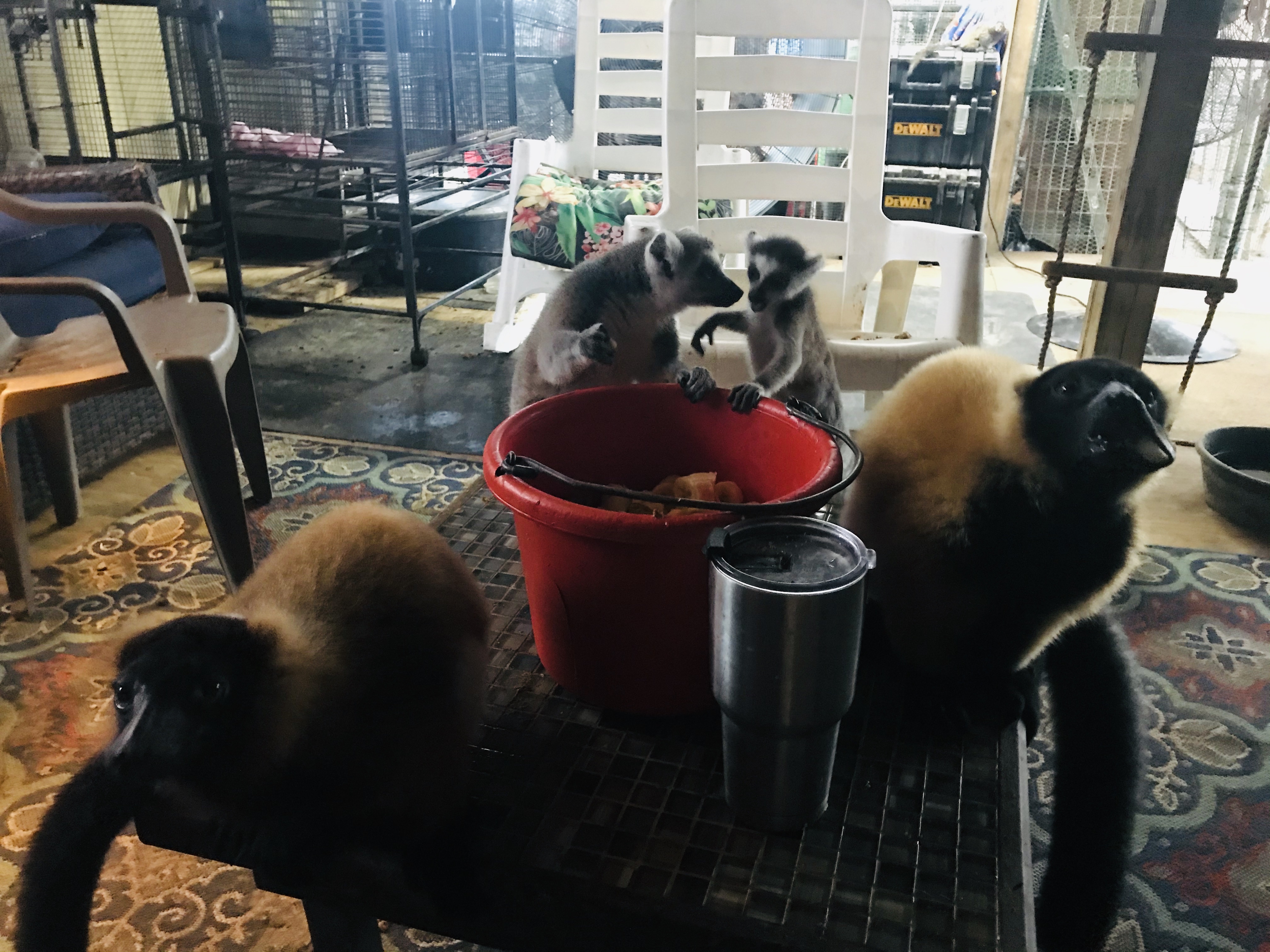
Lemurs: Unique residents of the vanishing wild places of Madagascar

Human influence on the environment is like playing a child’s game of pick up sticks, pulling out the “wrong sticks” leads to collapse of a system, releasing a catastrophic chain of events, famine and even war, including epidemics and pandemics. Environmental quality decline, including climate change, and destruction of wild places, predominantly for agriculture to feed populations in sensitive areas, using poor and clear cutting methods expanding search for more farm land, following loss of arable land to drought and nutrient exhaustion, is leading to the sixth mass extinction, aided by the release of pandemic disease. As climate change increases drought and global warming, desertification increases, causing human and animal migrations, spreading disease, disease vectors and wild place destruction. We can aid this or learn to mitigate its progression or, if we fail, face another mass extinction which will replace us with a new dominant species.

Biodiversity in one small World

Inactivation of Infectious Agents in the Environment is Exponential: The Initial Numbers Really Matter: Controlling Initial Contamination of SARS-CoV-2 is Critical

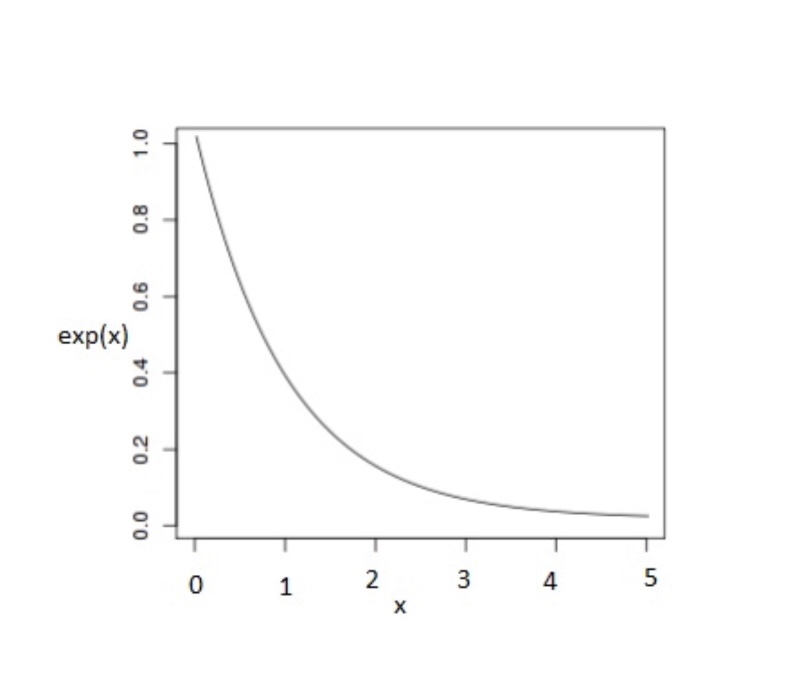
The decline in infectious agents from viruses to bacteria to toxins in the environment is not linear. The decline in SARS-CoV-2 from droplets to further traveling dehydrated small particles is not just based on physical deposition but also from ultraviolet light, other factors, and inherent instability. Regardless of the cause, in general, the decline commonly follows an exponential decay curve. Therefore, based on this model, social distancing does not lead to a zero dose of virus at six feet or any determinable distance. However, infectious dose or measurable recoverable virus (as by PCR) falls below a detection threshold.

Say the threshold is exp(x) = 0.2 for infection or detection and it is at 6 feet from the source, then the decay approximates linear, but if the initial amount released is very large, the threshold drops lower on the curve, it moves to a greater distance or time (x axis) and the decline in infectious dose with distance or time becomes much slower. In mathematical terms, y=a(1-b)x wherein y is the final amount, a is the original amount, b is the decay factor (which is percentage the original amount will decline each time), and x is the amount of time or distance that has passed

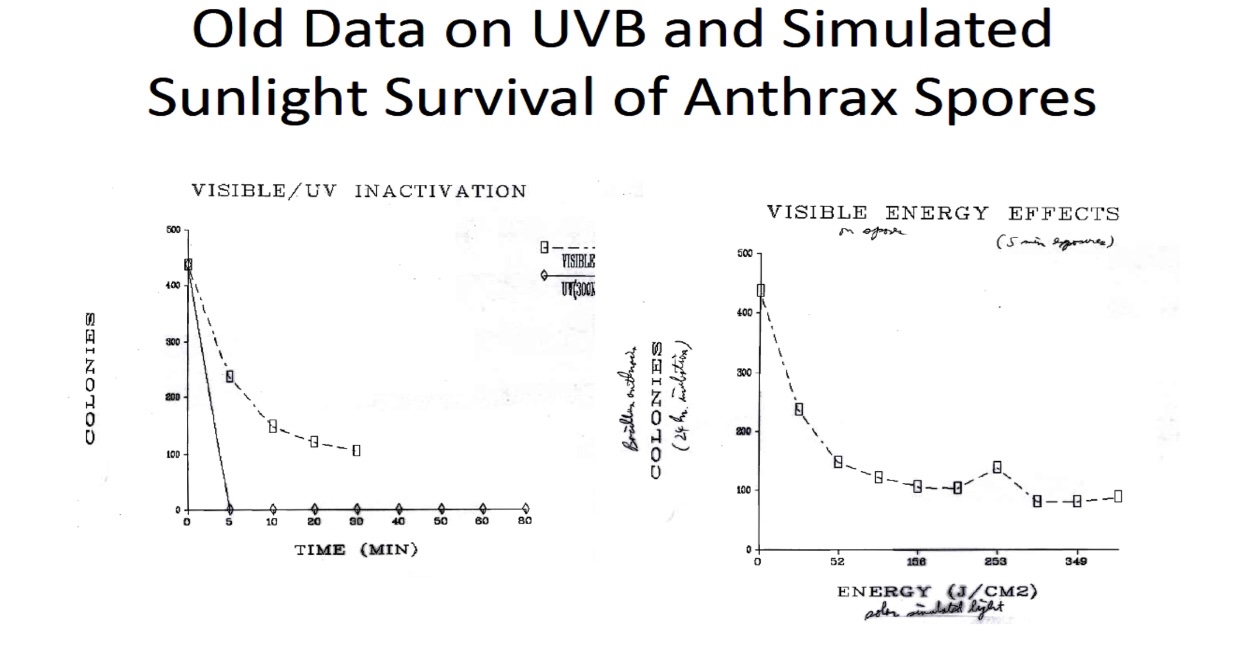
Is there real data to support this model? Actually, there is and for an infectious agent much more durable than SARS-CoV-2, anthrax spores:

The linear pure UVB response down to zero colonies is misleading. Colony counts are determined by dilution of surviving samples to manageable (countable) or extinction numbers of colony counts on growth medium, then calculating the original amount by multiplying the actual colony count by the inverse of the dilution. When visible light is added to UV, making artificial sunlight, the exponential decay curve appears again; even increasing the intensity does not change the exponential decay. The visible light might induce chemical repair of the UV DNA damage but it could be from less intense UV in the artificial sunlight revealing the hidden exponential decay curve.

The bottom line is that the viral load dispensed, even falling off exponentially, can extend for a longer time and distance above the infectious threshold as the initial amount of virus increases. This result means that the initial amount released is vitally important for determining subsequent exposures and number of people infected. By wearing masks and practicing good hygiene, the released dose of virus and its dwell time in the air and general environment can be dramatically decreased, with dramatically fewer infections. The opposite increases the time and distance of dangerous exposure.

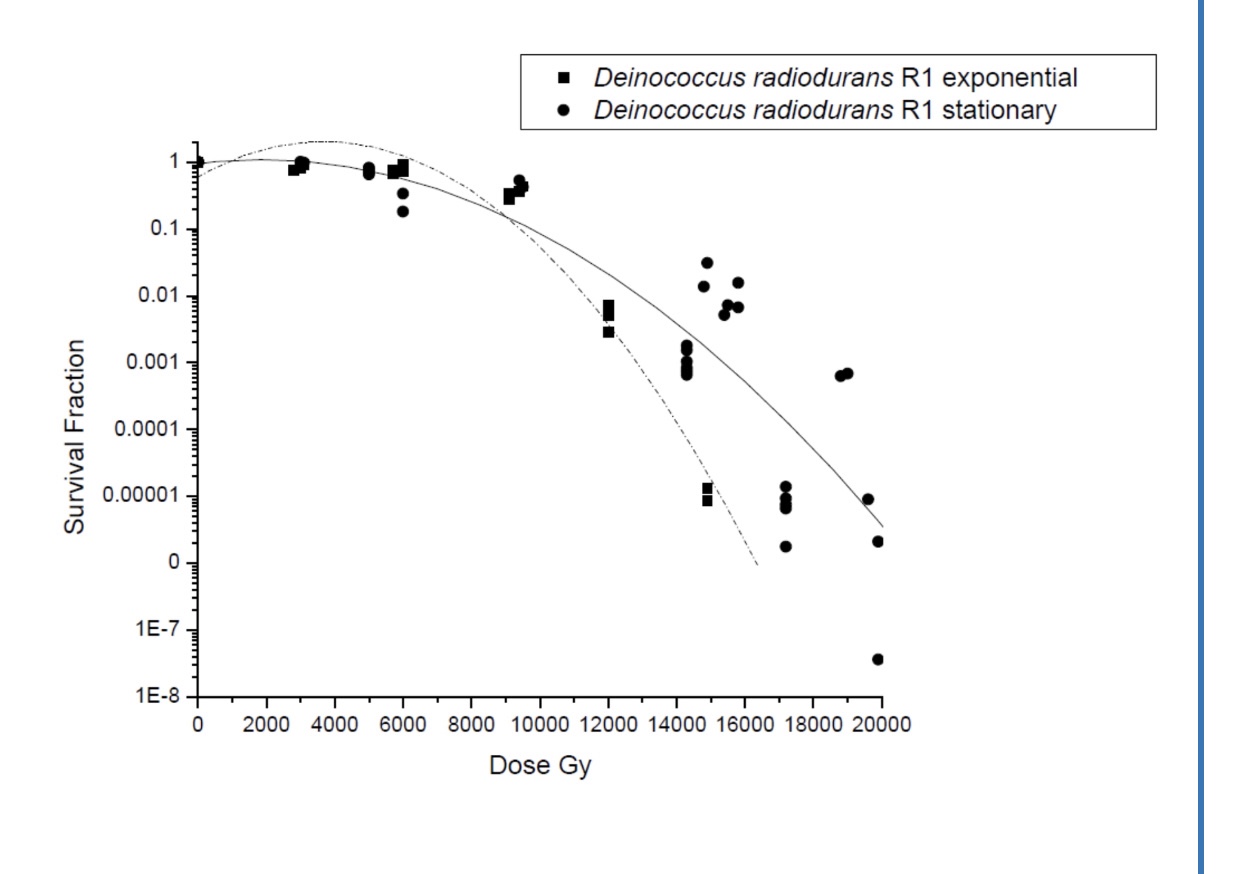
An extreme example of ionizing radiation resistance but showing how it can be enhanced even further by the microbe remaining in the stationary, non-replicating phase during high dose radiation exposure. This is a possible explanation of how the exponential decay curve can work to demonstrate extreme resistance, without genetic mutation, to greatly increase survivability

Nanobes: A Solution to Fighting Viruses like SARS-CoV-2 and Other Pathogens Has Deep Roots in Basic Science

Nanobes, which were invented over many years research at Brooks AFB, San Antonio, Texas, (DALM, an essential component of Nanobes, first accidentally synthesized March 1, 1988) with roots before that at the Departments of Biochemistry and Microbiology at Texas Tech Health Sciences Center, Medical School, from 1977 to 1981, culminated with the co-invention of an extension of Chemically Programmable Immunity invented by the Nobel Laureate Dr Kary Mullis (American biochemist. who, in recognition of his invention of the polymerase chain reaction (PCR) technique, shared the 1993 Nobel Prize in Chemistry with Michael Smith) Both our experiences as chemists (mine with a PhD in biochemistry) made this approach a reality in biomedical applications. My veterinary medicine (DVM) and microbiological (PhD) training facilitated the medical applications. Let me first lay the foundation for the final product of our efforts, quantum theory. What is quantum mechanics or theory? The probability of finding a subatomic particle within a space or determining the velocity of the same particle of a known mass within the same space but not both at the same time, as defined by Johnathan L Kiel. This oversimplified description will suffice to introduce the basic science and subsequent basic research roots of the applied science. It was first described in my book Type B Cytochromes: Sensors and Switches (CRC Press, 1995) and then to completion in Nanowarfare, third book of The Black Dragon Trilogy (Amazon eBooks, 2018). The best description of this journey is summed up as follows:

“I learned that diffusion and Brownian motion, as described by Einstein, swept out volumes and brought about interactions some of which resulted in chemical reactions which were determined in part by the cross sections of the molecules and then by the respective kinetic energies they retained in a population. His description of these interactions actually proved molecules and atoms were in fact real entities and not just mathematical notions. For me, this approach showed that for particles larger than molecules and representing a phase interface, as between enzymes or reactive molecules immobilized on a solid surface interacting with other molecules in solution, surface area is a dominant factor in determining the kinetics of interaction. Therefore, a smaller and smaller particle, short of a molecule or atom, such as a nanoparticle, becomes more and more reactive based on the total surface area generated by the division into such particles. Second, my inspiration from his work on the photoelectric effect and the Quantum Theory to which it led, led me to understand the quantum effects seen in DALM, even to the point that a micro to nano particle could demonstrate its own unique quantum effects beyond those of the electrons of atoms and molecules. The DALM polymers, in nanoparticle form, even demonstrated Einstein’s quantization of heat capacity. The culmination of these two aspects, inspired by Einstein’s work, over the course of my scientific career and investigations, led me not to a dead end but to the total concept of Nanobes. They have become a bridge between classical and quantum physics with accompanying chemistry imposed on biology.”— The Black Dragon Trilogy by JOHNATHAN KIEL
https://a.co/i37MY9v

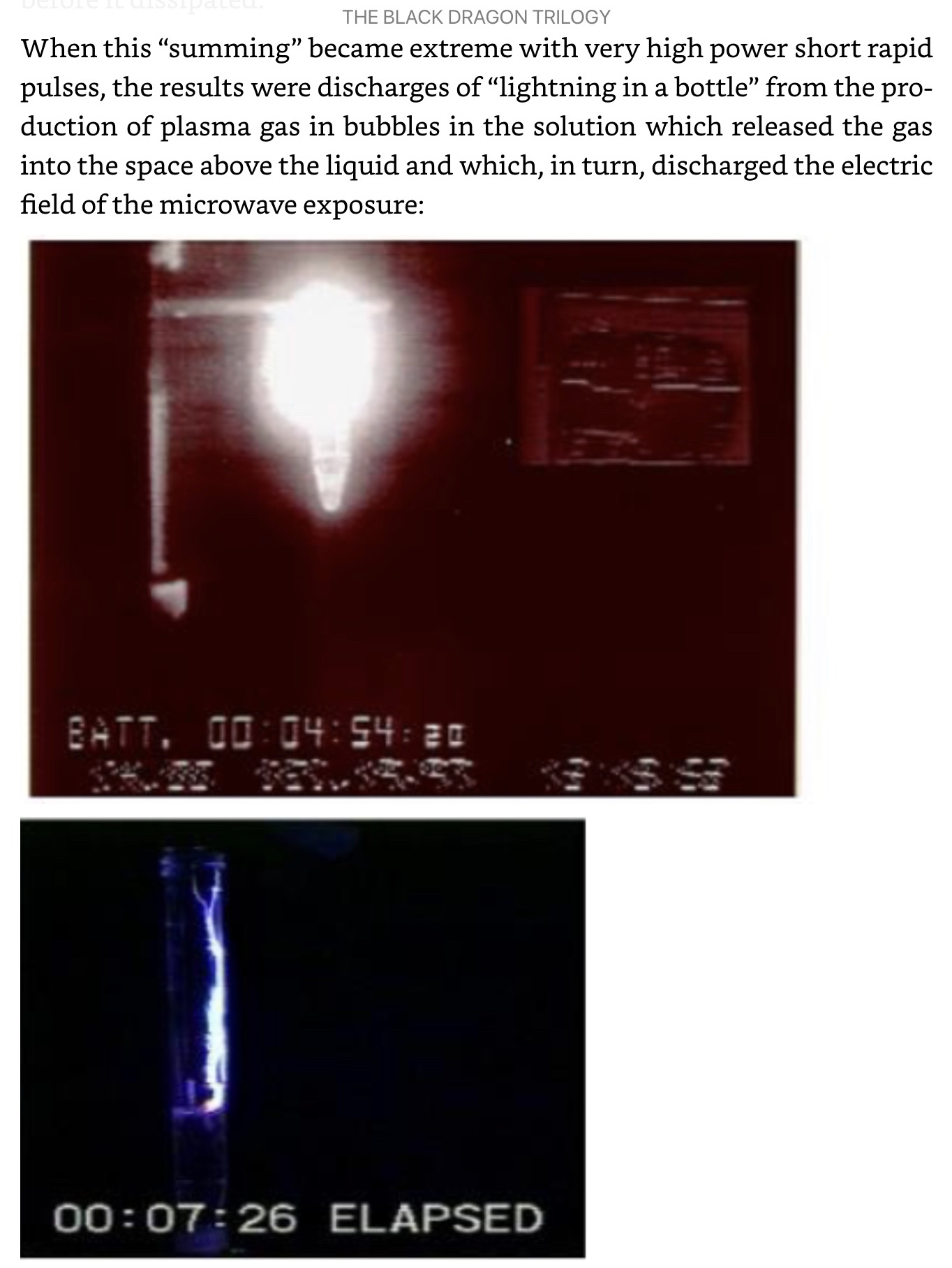
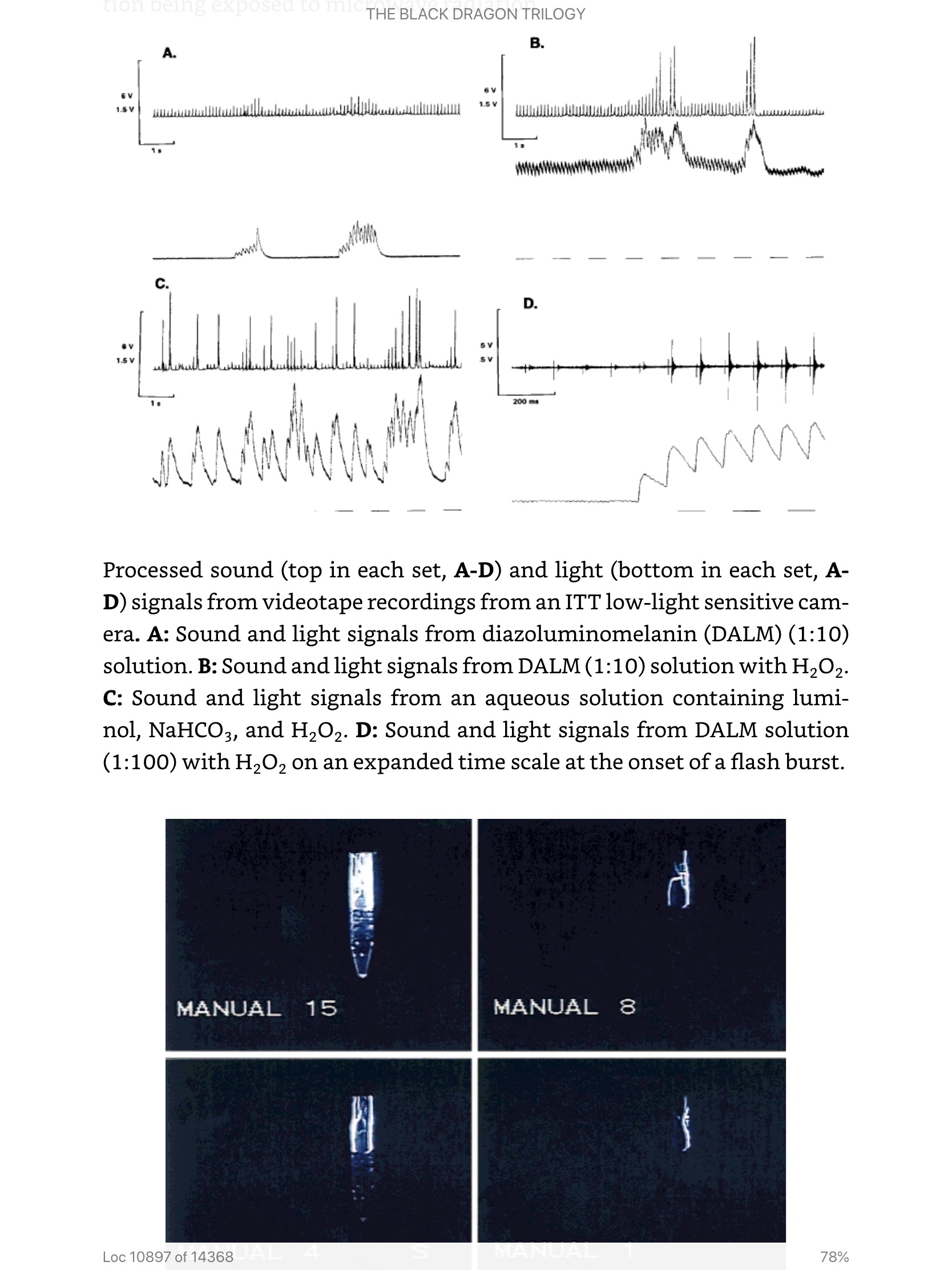
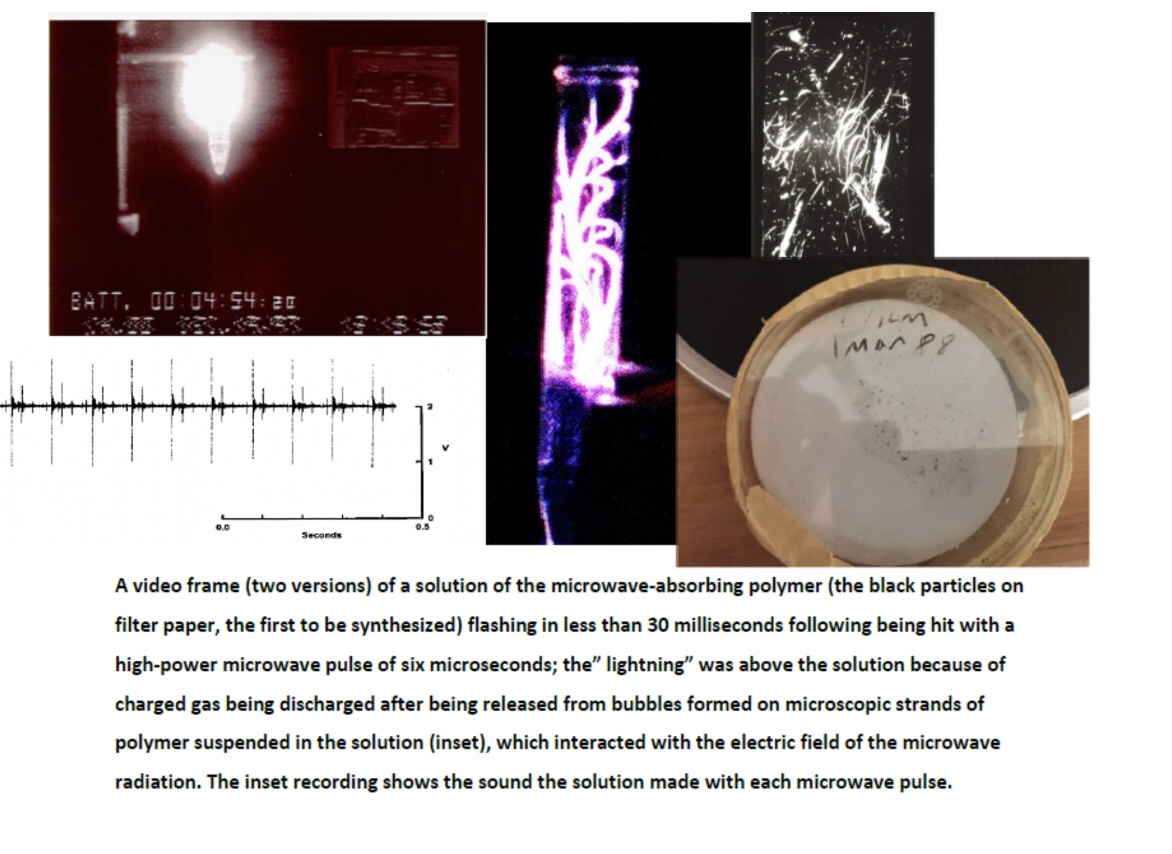
Demonstration of quantum effects in the polymer DALM which composes Nanobes: “how far apart the electron pair is spread by being trapped in or out of plane rings, they can interact and re-admit light at a later time as long as nothing affects their states in the meantime. This has led to the observation of the amazing ability of DALM to remember what it has been exposed to and to store energy. If that energy is stored and released suddenly, such as with a high energy microwave pulse, then an explosive reaction occurs in the DALM solution compressing gas bubbles of carbon dioxide, nitrogen and oxygen by the accompanying shock wave and producing plasma gas (ionized gas) which glows and even emerges to the surface of the solution where, in the presence of the strong electric field of the microwaves, is discharged in a spectacular demonstration of lightning in a bottle,”— The Black Dragon Trilogy by JOHNATHAN KIEL
https://a.co/5jZ4kha

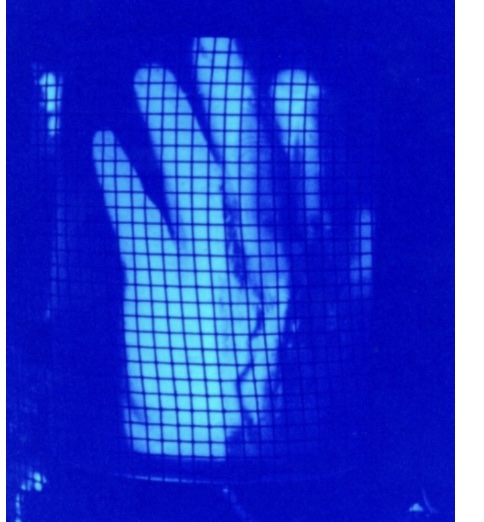
A hand phantom (hollow epoxy model) filled with activated DALM solution being exposed to microwave radiation.
Series of video frames showing “lightning in a bottle”, electric discharge of plasma formed by pulsed microwave interaction with activated DALM
More spectacular “lightning in the bottle” plasma discharge
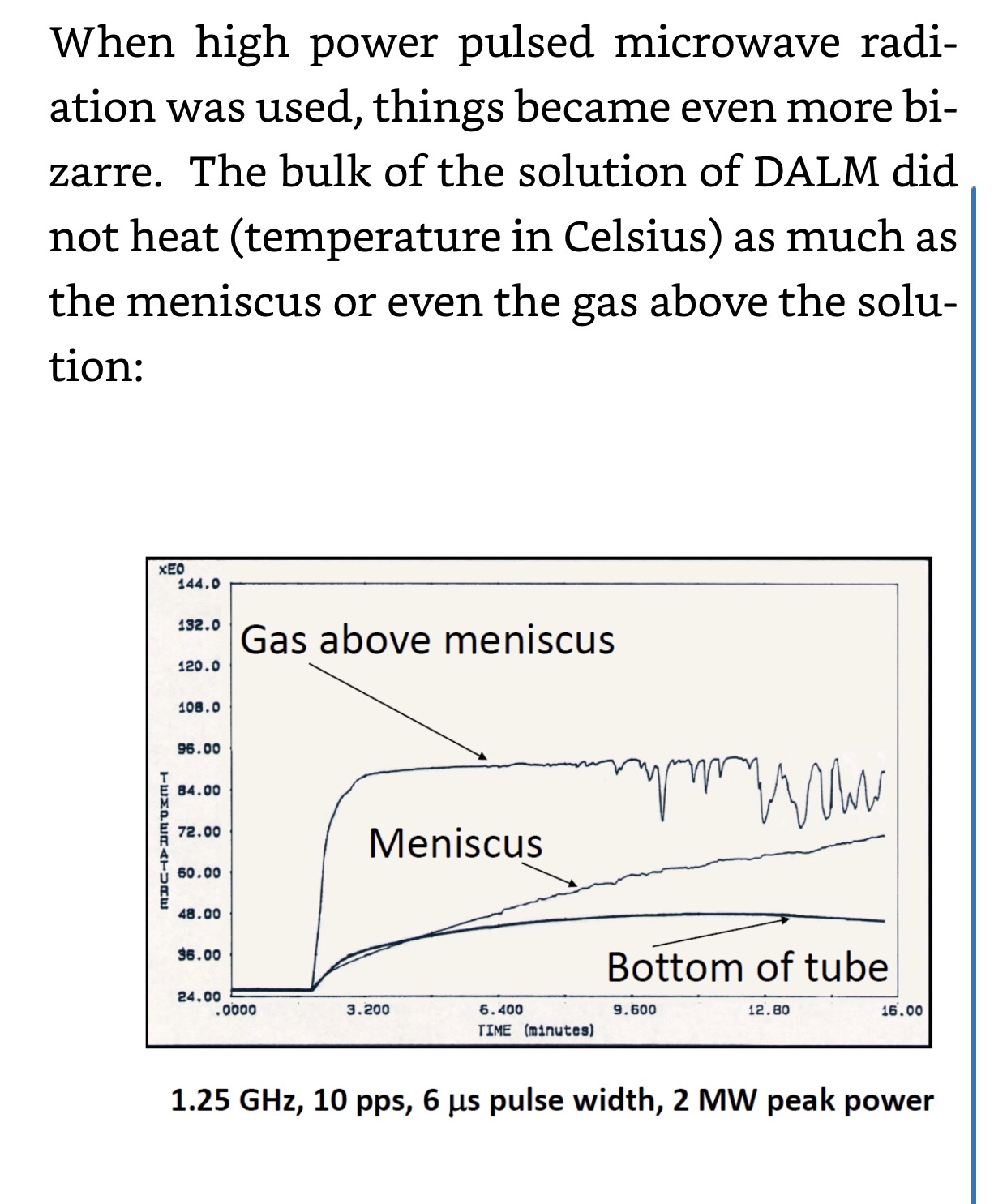
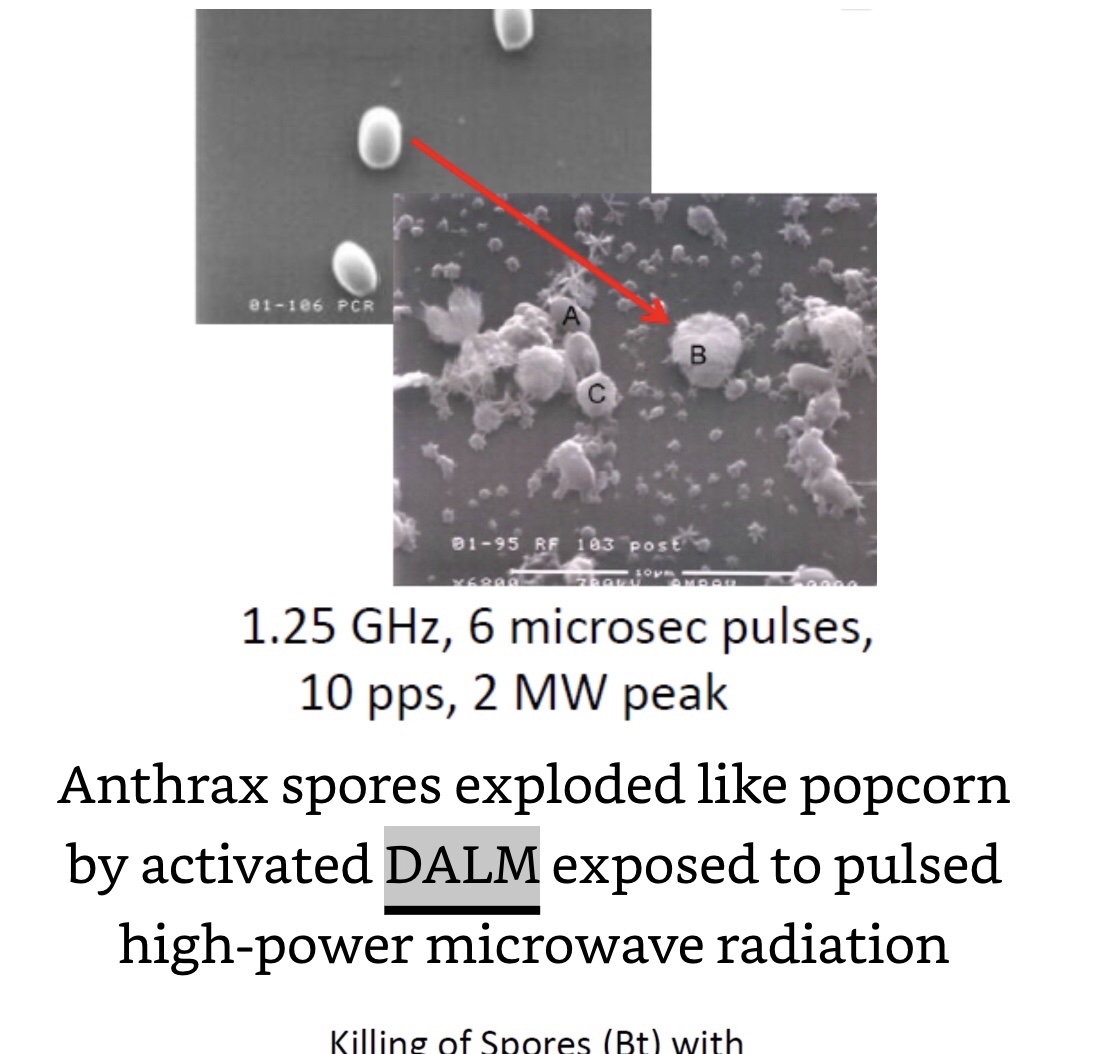
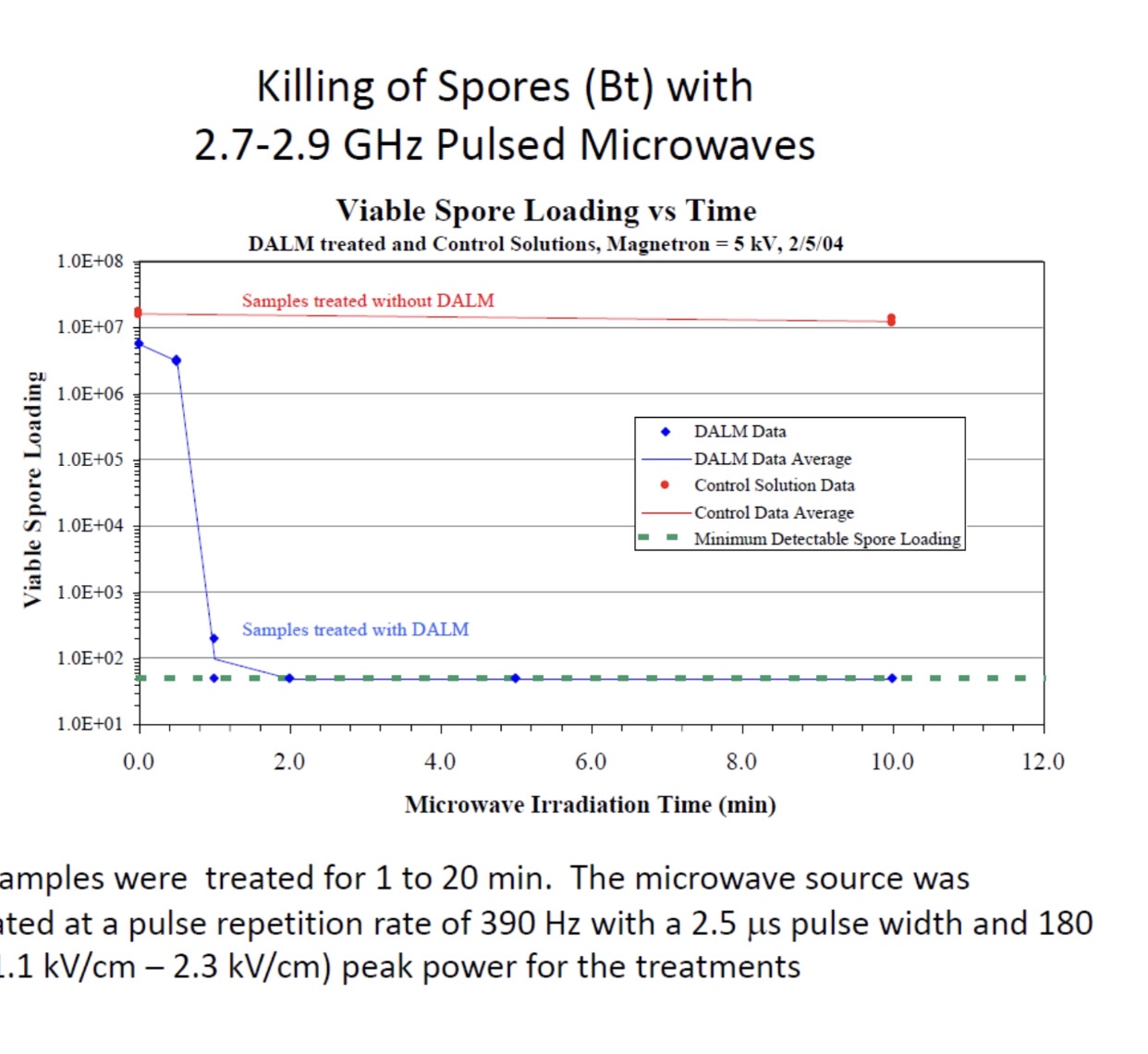
Instantaneous kill with high powered pulsed microwaves mediated by diazoluminomelanin (DALM) organic nanoparticles
The amazing killing power of pulsed microwave-activated DALM, biological consequences of quantum effects

BCG: How May this Vaccine Against Tuberculosis Help to Fight COVID-19 Nonspecifically

Initial nonspecific response to BCG may be the responsible mechanism for benefits of BCG against COVID-19. Bacillus Calmette Guerin (BCG) stimulates NO (nitric oxide) production in macrophages… BCG treated peritoneal macrophages produced conditioned supernatants, when applied to epithelial cells, they respond by producing NO; active ingredients of conditioned medium were identified as gamma-interferon and TNF-alpha. The interactions of macrophage-generated NO with other cells are usually associated with killing action toward microbes but is not based simply on direct effects on viruses because NO has no effect on viral infectivity, but cellular and viral replication machinery which is vulnerable to NO. Besides the direct mutagenic potential effect of NO on nucleotide bases through deamination, the NO inhibits ribonucleotide reductases necessary for viral and cellular DNA replication; elevations in cGMP levels delay reactivation of Herpes Simplex virus from latent state, through guanylate cyclase activation, with NO. Type B Cytochromes: Sensors and Switches, CRC Press, 1995. Thus, these responses when overt cause damage in COVID-19, but in a controlled manner truncate viral replication. https://wscspotlight.org/

The Myth of Using Individual Virion or Microbe Size to Judge Whether a Mask Can Protect from SARS-CoV-2, COVID-19

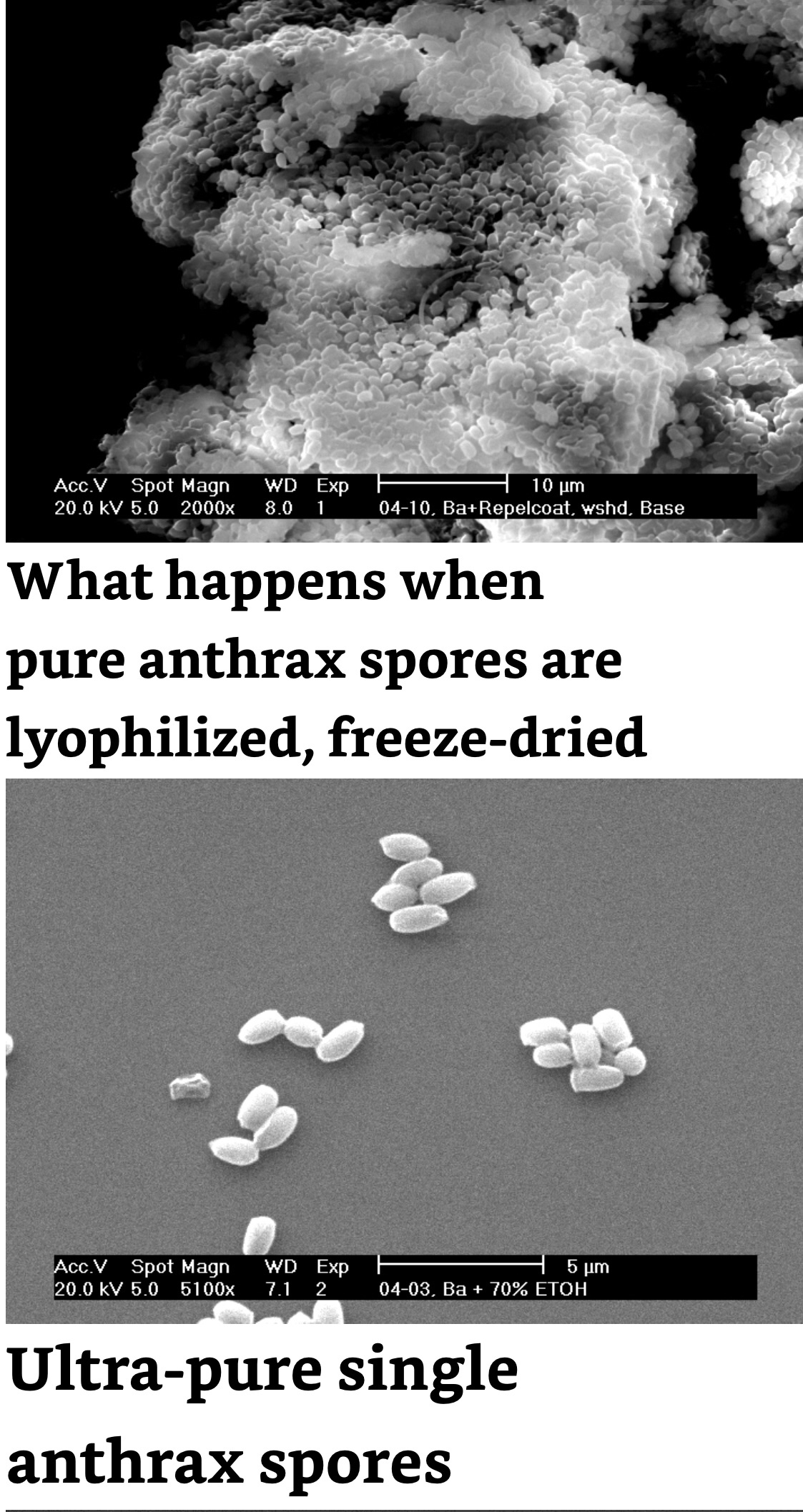
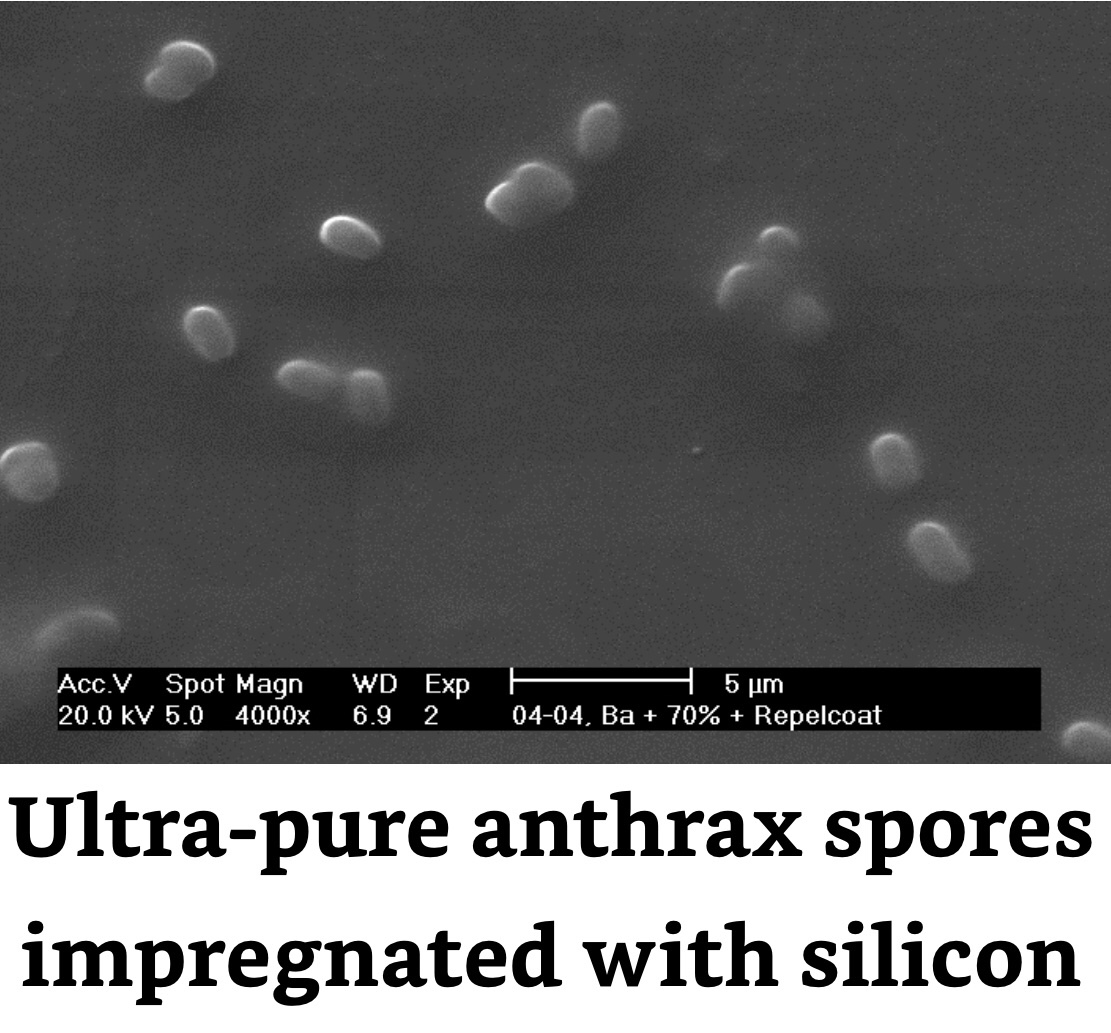
SARS-CoV-2 virions are particles from 70–90 nm in diameter with a maximum of 140 nm. The N95 mask, when fitted properly, stops 95% of particles down to 300 nm (0.3 micron). PM2.5 mask insert filters stop particles down to 2.5 microns. HEPPA filters, used in infectious agent containment hoods and facilities, as defined by the United States Department of Energy (DOE) standard adopted by most American industries, remove at least 99.97% of airborne particles 0.3 micrometers (μm, microns) in diameter. These, at first glance, appear to be insufficient in preventing viral pass through. However, individual particles are extremely rarely, if ever, naturally launched into the air. They are clumped into droplets with protein, electrolytes, water, and mucins (if respiratory viruses) from mucus that hold them together and limit how small those viral agglomerates will be even after evaporation (most in 5-10 micron range). Some naturally aerosolizable microbes become electrostatically repulsive of each other on drying, at least in water, but this is not a stable form for most viruses. They like to be dry in a biological (dirty) matrix to stay stable and infectious. Anthrax spores are a “gold standard” aerosol agent, being shaped like a football, 1 micron by 0.5 micron. However, it is rarely in ideal singular form. A direct hit on the best military gas masks of the best weaponized spores can allow a leakage of 10,000 spores, one average human lethal dose, but this is very unlikely to happen, so the masks are more than adequate under battlefield conditions. To show how preparations can wildly vary in actual particle size, even for anthrax spores, I present the following electron microscope pictures:

The clumps can be much larger than what can float in the air or small enough to be transported for miles and easily inhaled
Siliconization of spores leads to them not sticking together and being mostly singular or in small inhalable clumps

Parasites of our Parasites are Not our Friends: Can Microbes and Viruses, Manipulating Behavior, increase Transmissibility?

Hard to believe but microbes and parasites can manipulate vectors and hosts to facilitate transmission (Chapter 30 Spotted Fever, Typhus and Other Fevers of Unknown Origin within Us: Parasites of Our Parasites are Not Our Friends”— The Black Dragon Trilogy). Toxoplasmosis in the brains of mice can make them bolder so they become more likely to be eaten by cats, the primary host of Toxoplasma gondii, in which the parasite replicates and sheds cysts in the feces. Insect behaviors can be influenced by a variety of parasites: Plasmodium (malaria), Leishmania and Trypanosoma spp. (Sleeping Sickness and Chagas Disease) manipulating the behavior of mosquitoes, sand flies and kissing bugs, respectively. Ticks are made more robust by a variety of obligate intracellular bacteria and even a virus: Anaplasma (Human Granulocytic Anaplasmosis), Borrelia, Babesia, Bartonella (cat scratch fever), Rickettsia (spotted fevers) and tick-borne encephalitis virus. Being infected by Borrelia (Relapsing fever and recurring fevers and Lyme Disease) and TBEV boosts tick mobility (both questing and walking). Borrelia and Anaplasma infection enhances Ixodes tick desiccation resistance. Other parasite-driven physiological changes include with Borrelia: higher fat reserves; Anaplasma: synthesis of heat shock proteins and improved cold resistance in infected ticks through synthesis of an antifreeze glycoprotein. Being infected by Anaplasma, Borrelia and Babesia leads to increased tick survival in general. Borrelia, Babesia and Bartonella infections facilitate blood engorgement by ticks. https://res.mdpi.com/d_attachment/pathogens/pathogens-09-00664/article_deploy/pathogens-09-00664-v3.pdf. We are familiar with rabies making dogs and other mammals more aggressive and prone to bite to deliver virus. Perhaps, SARS-CoV-2 is enhancing risky behaviors and resistance to rational precautions, enhancing the spread of COVID-19, really outsmarting people?

Let Me Sum Up: Time to Take Account of where we are with COVID-19

“I do not feel obliged to believe that the same God who has endowed us with sense, reason, and intellect has intended us to forgo their use.” ― Galileo Galilei, Letter to the Grand Duchess Christina.”

Thought it might be time to consider our status with COVID-19, what we have learned and how we might use it to defeat or control or at least live with it. Knowledge is power and can be used, abused or ignored to our benefit or peril, respectively. Let me recap the US status, in summary, in 6 short months, COVID-19 has killed and incapacitated a large number of the population, damaged the economy, increased unemployment and impoverished working Americans, restricted industrial production, handicapped military operations, divided the public politically, caused panic and social unrest, disrupted education, overwhelmed the medical system and enhanced all these vulnerabilities associated with disparities in wealth, jobs, and access to adequate health care. These same disparities have been recognized as potential impediments to the equitable and timely and effective distribution of a vaccine(s). This became abundantly apparent at a Zoom open forum and comment period (5 hours) with the ad hoc committee of the National Academies of Sciences, Engineering, and Medicine, yesterday, September 2, 2020, for public review of the Discussion Draft of the Preliminary Framework for Equitable Allocation of COVID-19 Vaccine. I would say COVID-19 has done grave damage to the National Security of the United States. What Army could have mobilized and marched across the world so quickly? Can there be any question that this is a defense, National Security and public health issue simultaneously? But what properties of the virus and the disease it causes, COVID-19, make it so insidious and take such advantage of the US political, declining public health system, and socioeconomic state?

Coronaviruses were considered only causes of “colds” in humans until the first SARS (Severe Acute Respiratory Syndrome) came on the scene February 10, 2003 (China, first traced back to palm civets), followed by Middle Eastern Respiratory Syndrome (MERS) in 2012 (Saudi Arabia, first traced back to camels). These were the “warning shots across our bow” and we chose to ignore them.

These increasingly insidious and dangerous coronaviruses originated in bats for evolutionary and ecologically disruptive reasons. However, coronaviruses have been in many species (even marine mammals) and some very closely associated with humans (dogs, cats, cattle) for a very long time without transmission to humans in spite of the latters’ close associations. Yet, before the three very bad ones, the mild ones could only be traced back to rodents. This indicated that although coronaviruses (CoVs) are ubiquitous, it takes special circumstances to cross species lines. CoVs are classified into four genera: alpha-CoV, beta-CoV, gamma-CoV and delta-CoV, among which the beta-CoV genera contains most Human CoVs (HCoVs) and is subdivided into four lineages: A, B, C and D. Bats and rodents are the sources of most alpha-CoVs and beta-CoVs, while birds are the main source of gamma-CoVs and birds and pigs, delta-CoVs. To date, seven human CoVs (HCoVs) are known: HCoV-229E and HCoV-NL63 are alpha-CoVs, the other five beta-CoVs: HCoV-OC43, HCoV-HKU1, severe acute respiratory syndrome coronavirus (SARS-CoV), Middle East respiratory syndrome coronavirus (MERS-CoV) and SARS-CoV-2. HCoV-229E, HCoV-OC43, HCoV-HKU1 and HCoV-NL63 usually cause mild symptoms, of the common cold and/or diarrhea types.

What is apparent is that CoVs can infect the respiratory or gastrointestinal tracts or both. Both facilitate transmission of the viruses, the respiratory tract favoring asymptomatic and acute transmission and the GI tract favoring long term chronic and carrier state transmission. The latter probably most important for maintaining animal reservoirs. Thus, CoVs of all types seem to follow this successful formula. Regardless of crossing over to humans, they maintain these “animal virus” traits and that is important in explaining the mess we are in. Although there was optimism SARS2 would self-attenuate, disappear as SARS1 did or limit its spread as MERS virus has because of limited human to human spread while maintaining the animal reservoir, camels, to re-new infections, SARS2 did not. This is also due to CoV unique resistance to mutations unless a strong selection influence were present to accelerate the mutants’ transmission beyond the original variety. This has not happened, except for D614G which infects even more efficiently but with no substantial change in pathogenicity, because of the continuous availability of naive individuals in the populations exposed and human behaviors insuring rapid, efficient transmission of the original virus. The largely sparing of the young of severe COVID but devastatingly increasing severity with age and mostly cardiovascular underlying conditions (although no underlying conditions necessarily be present for enhanced severity) is also a typical CoV maintenance strategy with a twist. CoVs in cats and dogs are largely inapparent and self-limiting and widespread in their populations, with occasional morbidity and mortality in the young, the reverse of SARS2, but for similar maintenance reasons, such that vaccination for these infections, in the US, are no longer routinely pursued. However, in cats Feline Infectious Peritonitis CoV occasionally erupts into a mutant form that is universally fatal especially in young cats, probably because of high replication rate leading to appearance of the lethal mutant, killing off these individuals as a source of the virus. Although SARS2 prefers to be more pathogenic for the older rather than young, this may be based on which group maintains the virus in the populations. Also, in spite of the rapid spread of the virus, even with mostly mild and asymptomatic infections, most studies have shown relatively low overall infection rates. How can this be? CoVs have developed a common very effective survival strategy: very efficient infectivity but limited transmission efficacy, always leaving a vulnerable large section of a well-spaced population but rapidly and efficiently infecting closely physically associated populations. Why it was so surprising that such a rapidly spreading and killing virus could be stopped by masks, hand and environmental sanitation and social distancing. Also, contributing to this, is the innate limited immunity clearance of the virus in the young and asymptomatic patients without sustained adaptive immunity and killing off those who efficiently kill the virus with an overt immune response, resembling a severe allergic reaction, that increases acute and chronic morbidity and mortality. This is why herd immunity is very unlikely to naturally occur (only can happen with wide, inclusive and intensive effective vaccination). Also, why we have to be very careful that any vaccine deployed does not cause this enhanced lethal immunity. The medical community needs to learn these traits of animal CoVs to avoid tragedy and to treat and vaccinate people appropriately. This lesson needs to be learned now, because we are highly likely to see more spillover of infectious diseases from wild places being invaded and destroyed at an accelerated rate facilitated by global climate change. Before I end, I want to give one last example of this with an agent that is not even a virus, but an obligate tick- borne bacteria, Brazilian Spotted Fever. The Brazilian government decided to kill off a large portion of the giant rodent Capybara population, a reservoir for spotted fever. When they did this, ticks in the area carrying spotted fever bacteria actually increased. They found out, like all rodent populations, killing off adults increases reproduction of those that remain decreasing immunity to spotted fever because of more young naive individuals, in turn, infecting more ticks with higher doses of bacteria. Lesson: Don’t mess with Mother Nature!

Bradykinin Storm linked to Generalized “Anti-Parasitic” Potentially Lethal Response in COVID-19

My earlier discussions of innate immunity alluded to cascades linked to vascular, clotting, lung and cardiac damage linked, in turn, to non-specific generalized inflammation. Past studies have shown a link between nitric oxide (NO) production (vasodilator, neurotransmitter, second messenger pathway activator, antimicrobial and antiviral agent) and Bradykinin (vasoactive agent, edema and shock generator). https://www.ncbi.nlm.nih.gov/pmc/articles/PMC408867/ and https://www.jacionline.org/action/showPdf?pii=S0091-6749%2802%2956700-2. A new study using supercomputer analysis of gene expression in COVID-19 patients https://elifesciences.org/articles/59177 supports the NO/Bradykinin and Angiotensin ll links. Angiotensin II type 2 receptor (AT2) is expressed at low levels and is restricted to the adrenal gland, brain, ovary, uterus, kidney, and heart. It is upregulated in pathological states such as salt depletion, heart failure, experimental cardiac hypertrophy, myocardial infarction, and vascular injury. AT1 stimulation promotes cellular growth and hypertrophy, while the AT2 antagonizes them. AT1 stimulation facilitates angiogenesis, while the AT2 inhibits this process. AT1 activation induces vasoconstriction, while AT2 activation causes vasodilation. These cellular and organ-level effects appear to act in intact animal models. For instance in cardiomyopathic hamsters, AT2 expression is upregulated in cardiac fibroblasts of the failing heart and appears to antagonize Angiotensin 1 receptor (AT1) which mediates interstitial fibrosis and cardiac remodeling. In a rat model of ischemic cardiomyopathy, the beneficial effects of AT1 blockade on cardiac remodeling and hemodynamics are inhibited by AT2 blockade. Beneficial effects of AT2 stimulation may be meditated through the bradykinin/nitric oxide (NO) cascade. Endothelial cells contain bradykinin type 2 receptors (B2), which, when activated, potently stimulate production of NO. Although the effects of angiotensin II and NO seem to vary with the concentration of NO and the cell type involved, these two factors appear to play opposing roles in the cardiovascular system: angiotensin II is a potent stimulus for vasoconstriction and vascular smooth muscle hypertrophy, whereas NO has a vasodilator effect and has been shown to be an antiproliferative agent. Thus, in spontaneously hypertensive rats, AT2 activation has been shown to increase vascular cyclic guanosine 3′,5′-monophosphate (cGMP) levels, an effect that could be inhibited by B2 blockade or by inhibition of NO synthase. Salt depletion, which activates the renin-angiotensin system (RAS), increases cGMP levels in the renal interstitial fluid, an effect that can be prevented by blocking NO synthase or AT2. Additional compelling evidence linking AT2 to the bradykinin/NO cascade has been shown through the AT2–mediated vasodepressor effect associated with an endothelium-dependent increase in aortic production of cGMP and activation of the kinin-kallikrein system. Angiotensin II stimulates AT2 in vascular smooth muscle, which leads to activation of the kinin-kallikrein system and bradykinin release. Bradykinin then binds to its receptor on adjacent endothelial cells, causing the release of NO and stimulation of cGMP. “Biochemicals that increase cGMP in tissues do so through oxygen and calcium-dependent mechanisms, apparently through a calcium-dependent NOS. Among these biochemicals relevant to vascular tissues are cholinergic (such as carbamylcholine) and alpha-adrenergic stimuli, bradykinin, histamine (which also raises cAMP levels), and serotonin. The calcium dependence has been demonstrated by the increase of cGMP levels with the treatment of cells with A23187 (calcium ionophore) and by the inhibition of this rise by calcium blockers such as tetracaine and verapamil. In vitro, cytotoxic levels of NO have been produced by isolated murine lung vascular endothelial cells treated with gamma-interferon and TNF. This NO production was L-arginine dependent, and the NO production and tumor cell lysis (M5076 reticulum sarcoma cells) were inhibited by dexamethasone. These results indicate not only a physiologic role for NO production by endothelial cells, but also an antitumor and pathophysiologic one.”— Type-B Cytochromes: Sensors and Switches by J.L. Kiel,https://a.co/eeOLKWC, 1995. The NO and Bradykinin link is prone to runaway effects because Bradykinin can induce more NO production and NO can induce increased Bradykinin activation. Therefore, in short, runaway positive feedback of these two without balance (breaking) leads to catastrophic shock and multiple organ failure. Perhaps this gives direction to developing life saving pharmaceutical applications.

Another Warning

This is another example of why we need international cooperation and collaboration in global biosurveillance: “John Kiel to 5 recipients Tues April 30, 2013 at 559 AM”….“…. a H7N9 epidemic, if not pandemic, potentially looming, the need for a CRL (Central Research Laboratory) that can handle agents of both veterinary and medical importance, in concert, is paramount for a functional and effective biosurveillance program in Azerbaijan.”…”April 17, 2017, ProMed posted an email titled “AVIAN INFLUENZA, HUMAN (44): CHINA, H7N9, UPDATES, PANDEMIC POTENTIAL” at 904 PM, because of increased disease and accompanying deaths among people in urban areas in China, the capital Beijing. Guan Yi, one of the world’s leading virologists, who worked at the forefront of investigating H5N1, H1N1 and SARS at his lab at Hong Kong University, fears a future mutation could lead to a devastating pandemic. He has stated, “Based on my 20 years of studying H7N9–the virus itself as well as how the government handles it–I’m pessimistic,” says Guan, shaking his head. “I think this virus poses the greatest threat to humanity than any other in the past 100 years.” This post script serves as an introduction to the next book in the Trilogy, Pathogenic Ecology.”— The Black Dragon Trilogy, 2018.

Fortress Against the Truth: America Brought Down by Ignorance and Isolationism

Democratic Republic of the Congo (DRC) saw another 1000 total monkeypox cases in the past month, rising from 2591 cases on 5 Jul to 3567 on 9 Aug, 2020, according to the World Health Organization. The
monkeypox death toll in DRC has also risen to 132 through 9 Aug. ProMed. Is monkeypox beginning to fill the niche left by eradication of smallpox? Why international collaborations in global biosurveillance and infectious disease control are necessary. No country is an island unto itself nor can it hide behind a wall.