The Problem with Trust: Current Process for Vaccine Development and Release

“Revelations of poor practices at a contract research company helping to carry out Pfizer’s pivotal covid-19 vaccine trial raise questions about data integrity and regulatory oversight. Paul D Thacker reports” https://www.doximity.com/newsfeed/ed907e95-12e1-48cd-bed0-10774520e526/public.

Here’s the problem. In none of the complaints were there any real data to say the vaccine was not efficacious. All this is about breaking standard protocols (they did in a clinical trial I participated in). Adverse reactions can be reported by anyone at anytime to FDA (not just the company) regardless if they are actually caused by the vaccine. We have now undergone the largest clinical trial in history with over 196 million fully vaccinated (59.4% of the population) in US and all adverse reactions are being reported and do not exceed what is seen with many established vaccines. Doses given 7.81 billion, fully vaccinated 3.33 billion, 42.7% fully vaccinated worldwide (https://www.google.com/search?q=number+vaccinated+worldwide&ie=UTF-8&oe=UTF-8&hl=en-us&client=safari&dlnr=1&sei=naqnYYvHD-SyqtsP5uqXoA8).

This kind of slipshod work by the largest drug company in the world only feeds the antivax fires and demonstrates at least in my eyes the problem with “free market” development of and control of data for vaccines in general. This can only hurt ending the pandemic where being unvaccinated is largely responsible for deaths, severe illness, overburdening the medical system and wrecking it, generating more resistant mutants, and periodicallly shutting down businesses and schools with superspreader events. Not to mention feeding insane antivax and anti-mask politics.

COVID’s Unfinished Business: Beginning Year Three

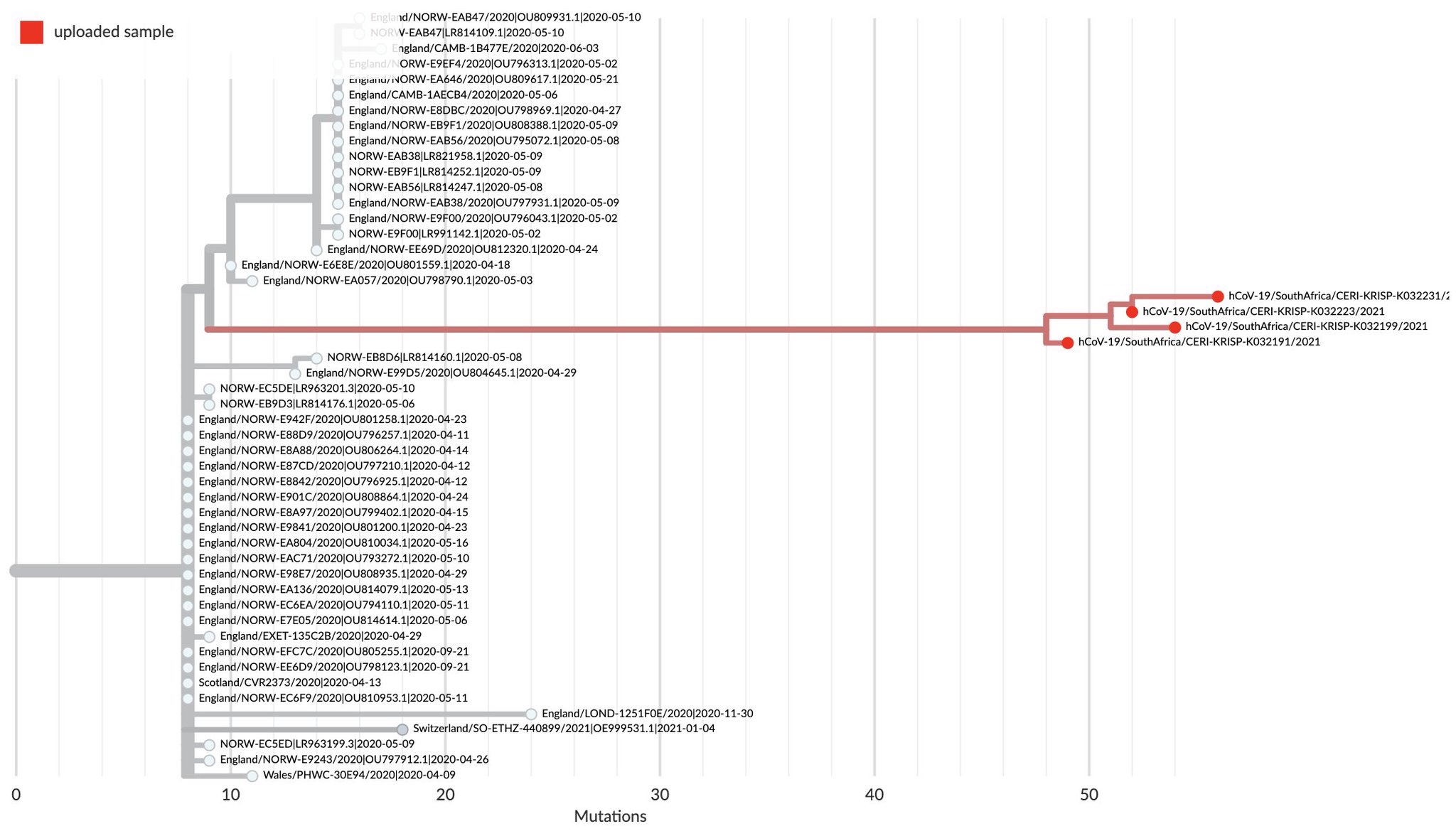
Recently, SARS-CoV-2, COVID, has shown that it has more surprises for us. The following diagram is based on the comparison of all the genomes of SARS-CoV-2 isolates grouped into related variants. The South African recent isolate variant (red lines) did not evolve from other current variants. The 91 genomes from Omicron viruses (@GISAID) were from specimens collected between Nov 11 and Nov 23 in Botswana, South Africa and Hong Kong. On 26 November, the World Health Organization (WHO) designated SARS-CoV-2 variant B.1.1.529, as a variant of concern and named it Omicron, on advice of scientists in the WHO’s Technical Advisory Group on SARS-CoV-2 Virus Evolution. Omicron was added to WHO list of current variants of concern: Delta, Alpha, Beta and Gamma. The Omicron variant has a high number of mutations especially in the spike protein. The extremely long red branch (>1 year) below indicates an extended period of circulation in a highly localized geographic area with poor genomic surveillance (not in South Africa proper but some contiguous or connected area by travel) or continual evolution in a chronically infected individual before spilling back into the population. It is not likely an animal source, as some have suggested, but has a peculiarity of one coronavirus, feline infectious peritonitis virus, in particular, that has been observed for many years and in another, originally zoonotic virus, that has been maintained in a slow but enduring pandemic, HIV.

The sources of this diagram are https://twitter.com/trvrb/status/1464353224417325066?s=21 and https://www.pango.network/.

For these changes to occur in such isolation, mutations forced by natural selection in a small number of hosts or in a single host, there must be one or more mechanisms of immune evasion and survival of the host(s) to allow for the time for these mutations to occur and to select for survival of the virus. How could one get Omicron variant ? Two CoVs could infect the same cell at once and share genetic material to make a new virus (homologous recombination). HIV generates mutations frequently, even within the same individual, because of the sequence mistakes made by reverse transcriptase, which converts the RNA to DNA, which is, in turn, inserted into the host genome from whence it is expressed as new virus. Even though coronaviruses have a proof reading RNA dependent RNA polymerase, they still make mistakes in replication, and mutations are also produced in the viral RNA templates by the active oxygen and nitrogen compounds produced by inflammatory cells which produce chemical changes in the RNA nucleotides which alter replicated sequences. The viral selection process is driven by the host immune system against the frequently changing protein structure, eliminating the variants for which it is specific and leaving behind the evading ones to enter new host cells and replicate. The anti-parasite immunity described in earlier posts may also be, at least in part, responsible in allowing the SARS-CoV-2 time to mutate and escape the immunity in a single host. This is seen in such parasitic diseases as African Sleeping Sickness (trypanosomiasis) and malaria, and may even produce a stalemate with the host called premunition, infectious immunity ( https://www.frontiersin.org/articles/10.3389/fimmu.2019.02738/full). It appears SARS-CoV-2 has chosen to enhance anti-parasite immunity like that used by the hosts to control parasitic worm, pathogenic protozoan and fungal infestations and infections. This response often controls the number of parasites to a tolerable, but not immediately lethal, level and prevents further infestation (process premunition), but does not totally eliminate the parasite. But is there any precedent for this in other coronaviruses in animals?

Cats get an enteric coronavirus which has little or no signs, but, in certain young cats, it becomes disseminated, causing peritonitis with lethality, usually 100%. Cell-mediated immunity provides an effective immune response that resolves the infection in the enteric, intestinal form. If it does not, a strong humoral response kicks in and selects for a more pathogenic form of the virus which infects and replicates in macrophages https://www.ncbi.nlm.nih.gov/pmc/articles/PMC7112361/pdf/main.pdf. Also, autoantibodies form. There seems to be genetic predisposition toward this resulting in peritonitis https://www.ncbi.nlm.nih.gov/pmc/articles/PMC2819880/. Peritonitis pathology involves severe systemic inflammatory damage of serosal membranes and widespread pyogranulomatous lesions in the lungs, liver, lymph tissue, and brain. The clinical finding of hypergamma-globulinemia-associated feline infectious peritonitis is indicative of over production of antibody against an antigen which cannot be cleared, allowing time for viral mutations that allow the virus to escape elimination. Therefore, like COVID-19, the feline coronavirus virus disease has this dichotomy, based on viral dissemination and autoantibodies. The right antigen for the right vaccine must be selected to prevent such adverse effects.

SARS-CoV-2, continues to evolve by mutation and selection toward being more efficient at infection and transmission within close, tight social groups but falling off quickly when vaccination and moderate barriers, like masks and good ventilation, and social distancing are implemented.

Vaccination does NOT guarantee protection from infection by Delta, Omicron, or any new variant or transient release of virus from asymptomatic vaccinated individuals. Vaccination is NOT for elimination of all possible virus but to reduce infection level below the point of symptoms of disease in immunized people (varies from person to person somewhat, but is more likely to be overcome with higher circulating viral loads). It is the circulating of more infectious particles over and over so there can be accumulation and increased probability of developing more mutants, therefore, variants, that is problematic. Omicron is just SARS-CoV-2 testing the perimeter for weaknesses.

The first Omicron case has arrived in the US in California in a person returning from South Africa Nov 22. Fully vaccinated, this person has displayed mild symptoms, is in quarantine, and all contacts tested have been negative so far (CDC).

“No Time to Die”: Fiction Following Fact or Prophetic?

Science has dramatically and classically demonstrated its failure to communicate to the general populace with fatal consequences in the last 2 years (2019-2021) for COVID. I have not been exempt from this failure. In the last 10 years, I have published eBooks with catchy titles (making them available from popular outlets as cheaply as possible), used social media: Facebook, Twitter and LinkedIn and this blog to attempt to educate the public in science, in general, and infectious diseases, specifically. I shouldn’t have been surprised by the underwhelming response. Even among scientists, communication among disciplines is very difficult and seemingly fails because of specialization, jargon and disinterest and because of stove piping, mostly because of funding mechanisms and not seeing how this “other science” could possibly benefit their scientific pursuits. Type-B Cytochromes : Sensors and Switches, my specialized science book by CRC Press, Taylor & Francis Group, CRC Revivals 2018, now 8 editions published between 1995 and 2018 in English is held by 147 WorldCat member libraries (including Harvard, Stanford, Johns Hopkins, Princeton, etc) worldwide, costing between $51-$237, while my popularized book The Black Dragon Trilogy, 2012-2018, Amazon eBooks $0-$2.99, has been read by almost no one. I have not received any royalties from these; the first because it was done while I was a Federal employee and the latter because no one has bought it. I published them more to convey knowledge and wisdom than to make any money.

The latter book collection is about my general interest in science and my last unfinished scientific work, and the former specifically about my research for the Air Force Research Laboratory up until it was published. But I am really about conveying to the public the joy of scientific discovery and the benefits of science to human kind. I deeply admire and tried to emulate Carl Sagan, who was one of the few in Science able to and succeeded at doing this.

Another more successful engagement of the public in science and technology has been through movies, like Star Trek, although less scientifically accurate, but even inspiring scientists to try to attain their fictional achievements in the real world. I also find the James Bond series has a similar technological appeal, discounting its early misogyny, continued sexism, action and romantic appeal (cultural sophistication and beautiful places besides people). But the most amazing thing about it is its timely relevance to current events and technologies (even if the characters covered too much time and changed without changing its suspension of disbelief). There appears an unlikely connection between my science and technology work and the James Bond technology themes. In particular, two movies Golden Eye (Release date: November 13, 1995,USA) and the most recent “No Time to Die” (https://www.007.com/no-time-to-die/). The former (Golden Eye) involved a Soviet era electromagnetic pulse weapon that destroys electronic devices, including aircraft. We investigated such a potential Russian weapon during the Cold War, not only for its electronic warfare effects but for its potential health effects on military personnel. Later, after the fall of the Soviet Union, the Russians offered to sell us such a prototype device. The theme of “No Time to Die” mirrors my last research, before my retirement, for USAF and DoD, that remains unfinished. The technological theme of the movie engages the MI6 scientist Valdo Obruchev who is kidnapped from an MI6 laboratory. With M‘s approval Obruchev had developed Project Heracles, a bioweapon containing nanobots that infect like a virus upon touch and are coded to an individual’s DNA, rendering it lethal to the target and their relatives but harmless to others.

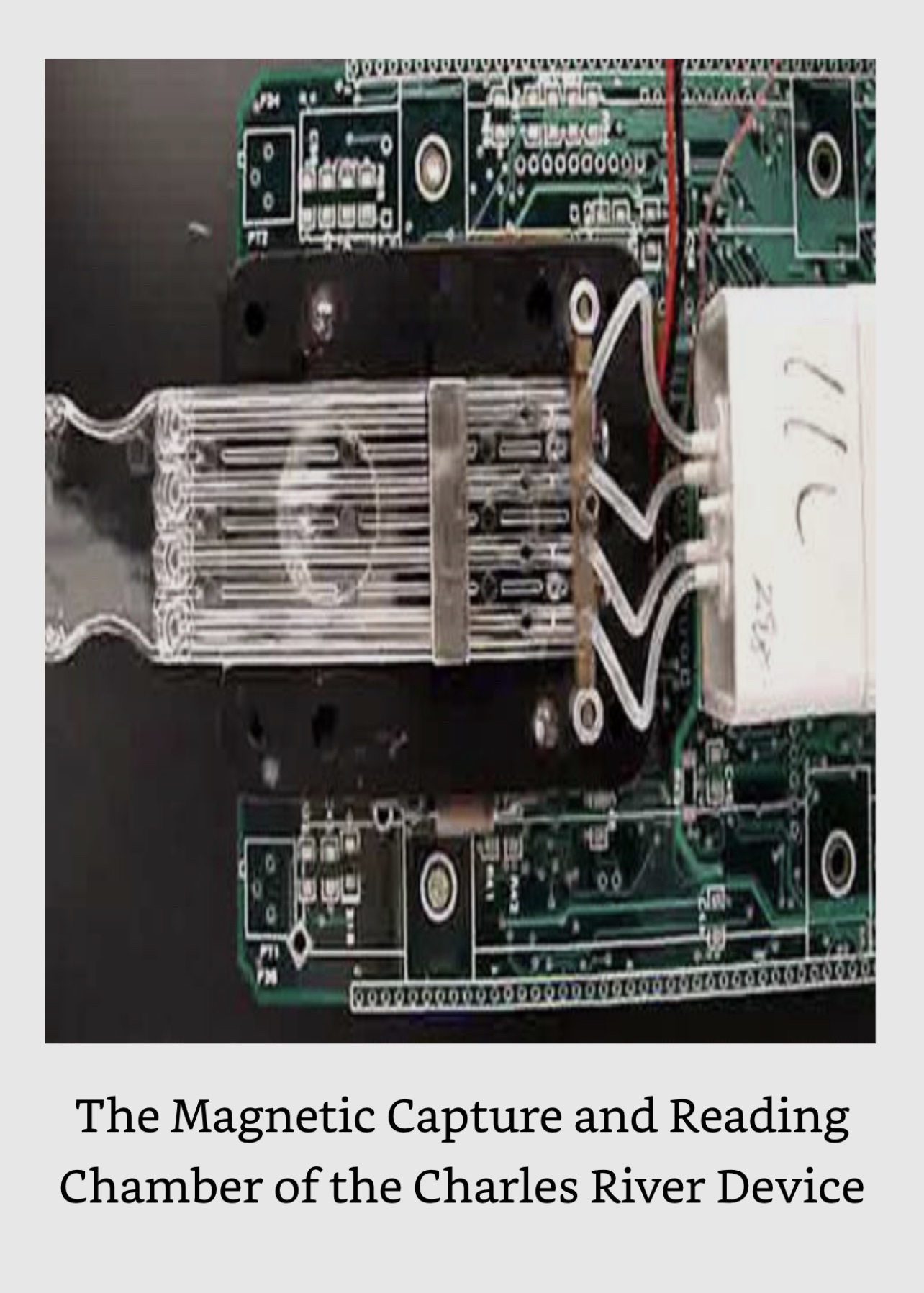
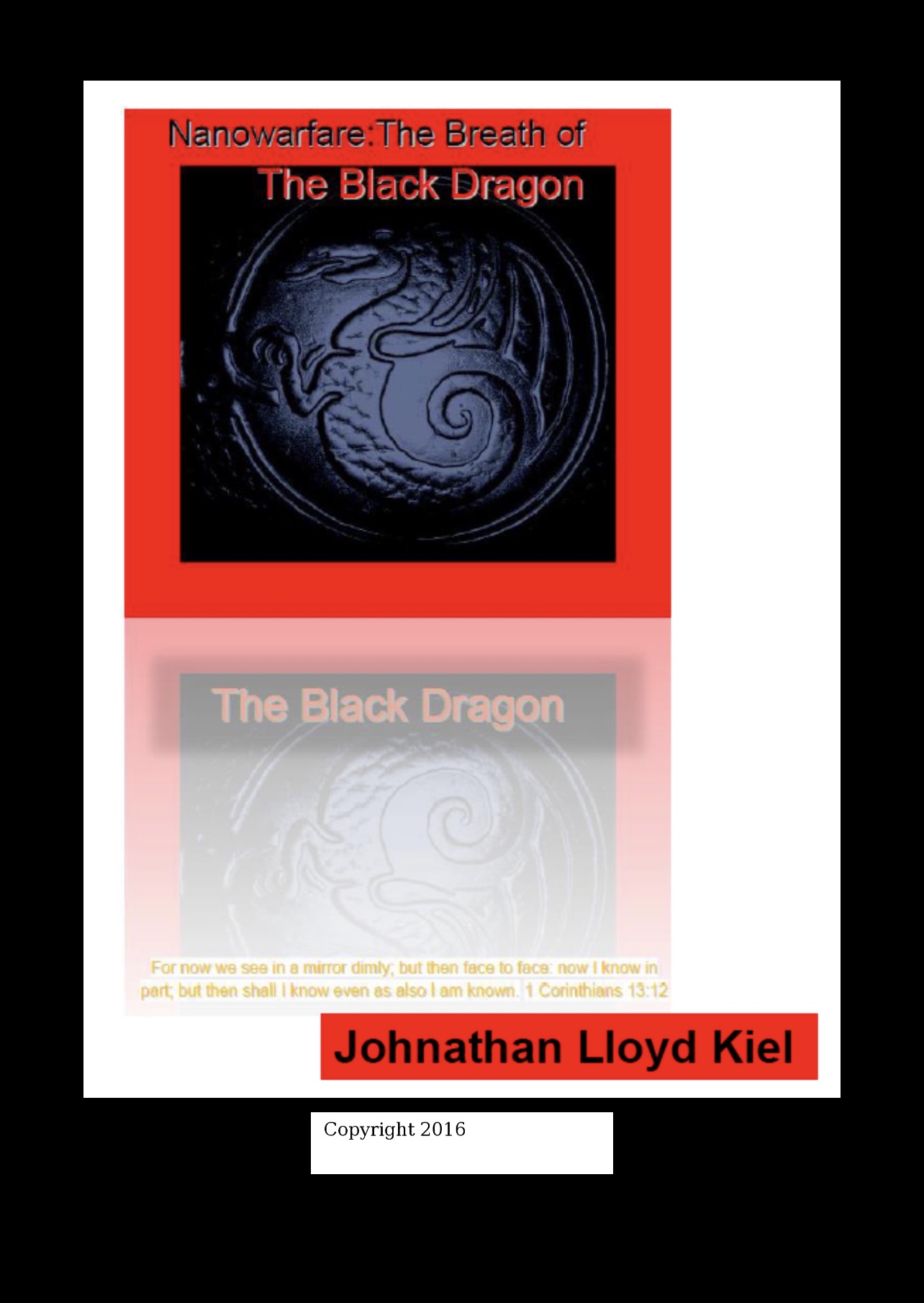
We developed bionanotechnology that has the potential for similar nefarious use. My attempts to further develop it for biomedical applications post retirement failed for unknown reasons (https://link.springer.com/book/10.1007/978-3-031-63006-4). The proof of the technology is in 30 years of basic and applied research documented in peer-reviewed scientific publications, government reports and patents in the public record. Also, my books, particularly Nanowarfare (2016), and its subsequent inclusion in The Black Dragon Trilogy (2018), describe the bionanotechnology, designated Nanobes in further detail. One component of the technology, developed in collaboration with the Nobel Laureate who discovered PCR, Dr Kary Mullis, was transferred through a US affiliate, to a British company Centauri LTD, and is still being developed in the United Kingdom to fight antibiotic resistant bacterial infections. Many of the other posts in this blog describe various aspects of this technology. However, I will describe its salient features here, again, in brief, in comparison to the fictional technology in “No Time to Die”. Perhaps, the detail and specifics I have given in the past are too much and only create a fog obscuring its good and bad potential. The comparison may make it crystal clear and make the technology more plausible for all its various applications. Sometimes we draw patterns from observations that are not really there, but the similarities I am about to describe are uncanny and the potential nefarious applications, especially by our potential adversaries, have been noted and described and the warnings given years before the movie. Suspicion that others following our progress were contemplating such nefarious use was clearly illustrated in an open literature publication: “Ultramicro, Nonlethal, and Reversible: Looking Ahead to Military Biotechnology by Colonel Guo Ji-wei, The People’s Liberation Army, China, and Xue-sen Yang, MILITARY REVIEW July-August 2005, https://www.armyupress.army.mil/Portals/7/military-review/Archives/English/Dir-Select/nano-technology.pdf. I presented a paper at the Twelfth Annual Directed Energy Symposium, 2-6 November 2009, San Antonio, Texas, titled “Biotechnological Nanowarfare: Directed Electromagnetic Energy Control” which warned: 1) Chinese and Russian researchers follow our (Brooks Team) research on genetic engineering of microbes and animal/ human cells and their interactions with directed energy. 2) The Chinese are hotly pursuing aptamer development, biotechnological manipulation and nanoparticle delivery systems, especially for the brain. 3) Even if we never make Nanobes, we will have to face them. So the mood was set to be aware of the technology being subverted into a nefarious military offensive use to selectively attack, control, or even dispatch undesirable individuals or ethnic groups just like in the movie while eliminating collateral damage, “infection” and injury to non-targeted individuals.

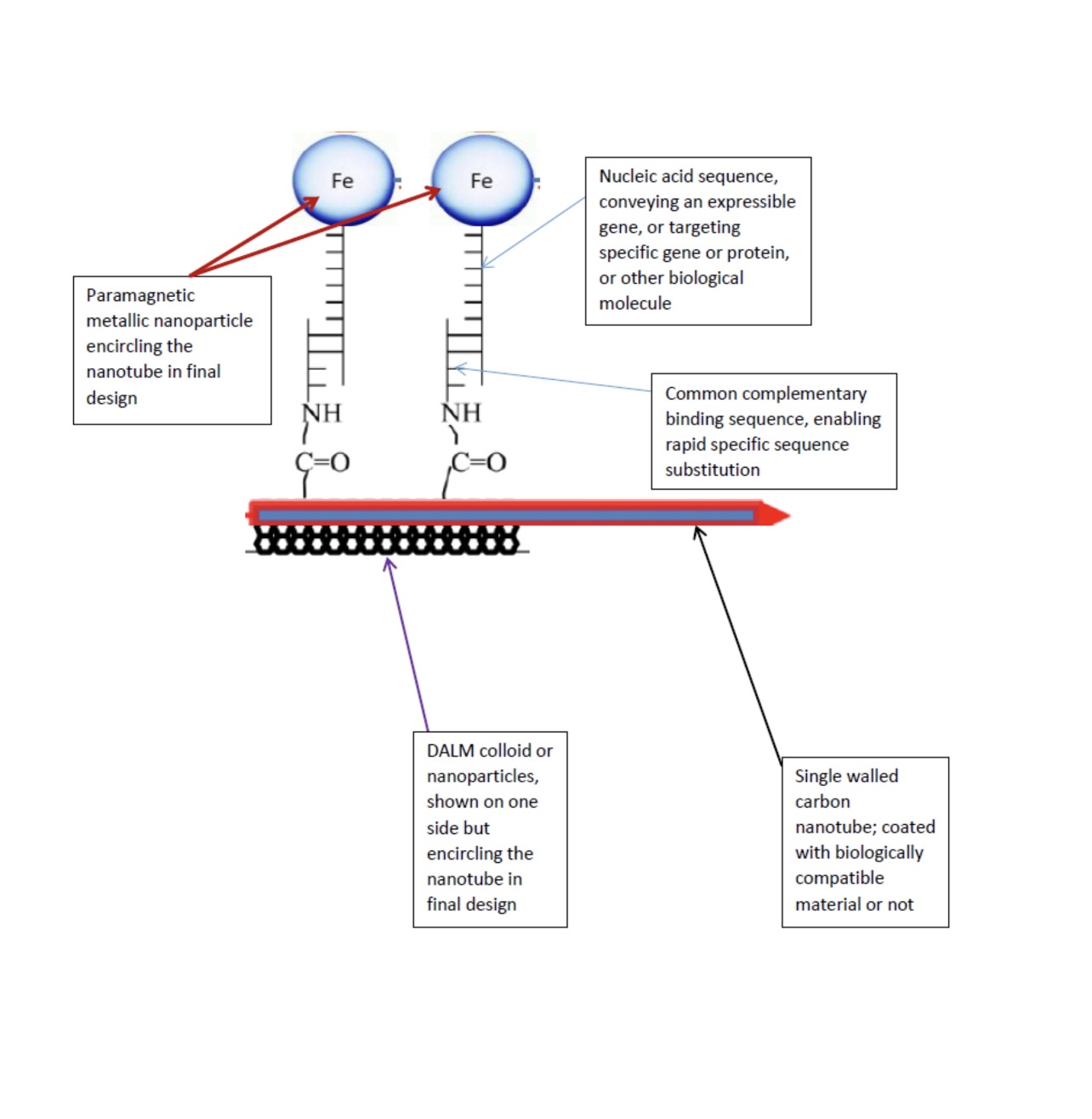
Here we are at 2021 and a James Bond movie is describing a nanobot comparable to our Nanobe, which has been described as a nanomachine (“nanobot” is more an engineering term describing a mechanical nano device and the term “Nanobe” is more biological but closer to the viral substitute description and energized by an external wireless electromagnetic power source, especially pulsed radio frequency or microwave radiation). These Nanobes are able to induce the host cells to make enzymes which manufacture more polymer to encapsulate more Nanobe DNA or RNA equivalent sequences to be transferred to new naive host cells just like a virus, but not coated with proteins which would trigger a host immune response. Thus Nanobes evade immune clearance and enzymatic breakdown in a host. In the movie, the nanobots infect individuals for life even if they do not kill them, but can be transferred to another targeted individual with lethal consequences. The nanobots are programmed with the target’s DNA. Nanobes are programmed with synthetic DNA or RNA which hybridizes to host DNA sequences, selected or designed to bind specifically to proteins, specific nucleic acid sequences, or other biological molecules or whole cells and specific tissues and organs. They can re-direct an immune response to a new antigen, transfer functional genetic material, or simply mark a small target like a microbe, virus or even a cancer cell for very focused electromagnetic radiation energy mediated destruction. Both nanobots and Nanobes can penetrate skin. The latter can penetrate the host by inhalation into the lungs or the mucous membranes of the nose and directly enter the brain. The Nanobes, unlike the nanobots, have a fail safe function triggered by absorbing enough electromagnetic energy locally to destroy them. The bionanotechnology is described in detail in Bionanotechnology: Radio Controlled Antimicrobial and Genetic Vectors, Springer-Nature, 2024, https://link.springer.com/book/10.1007/978-3-031-63006-4.

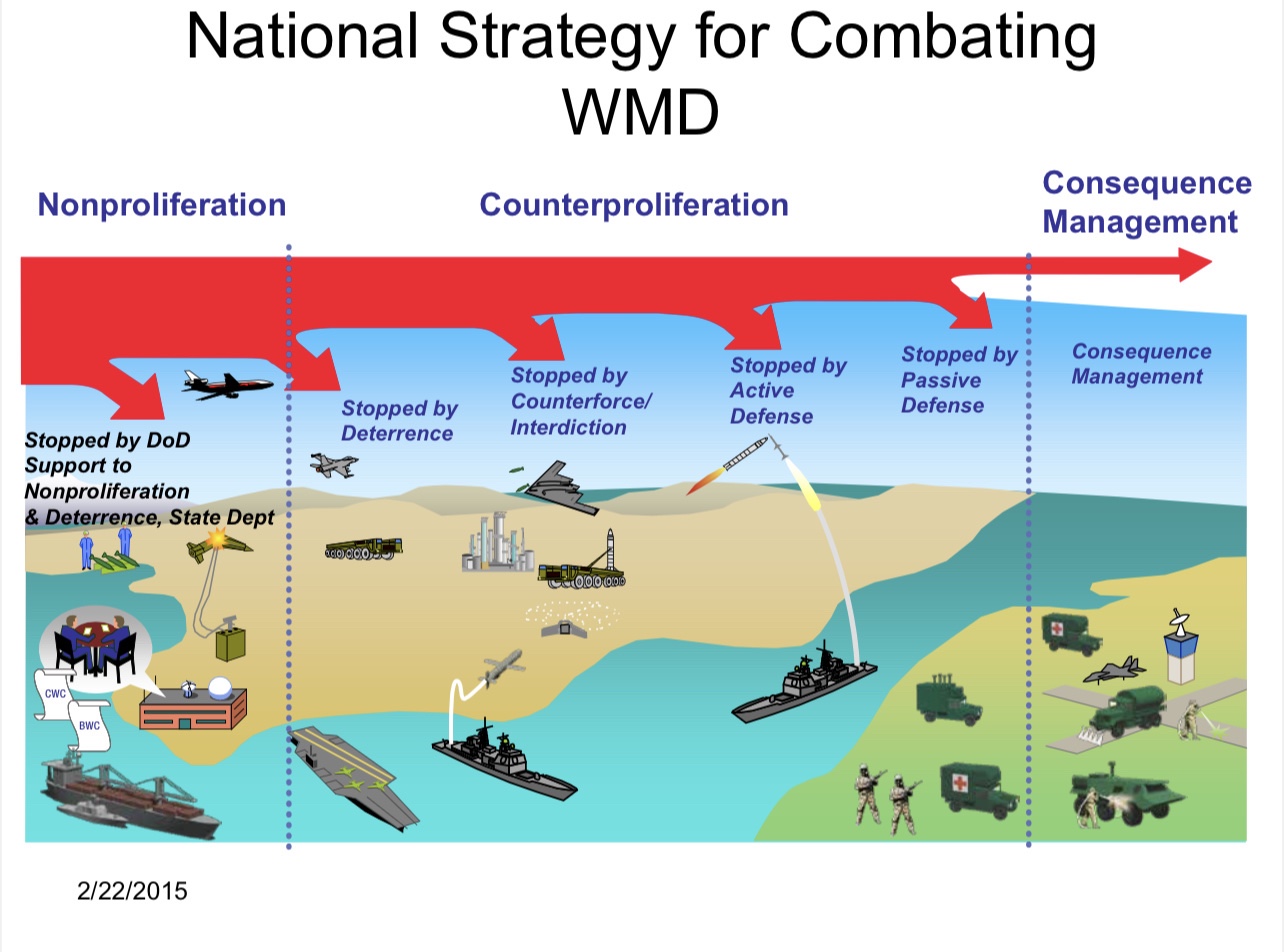
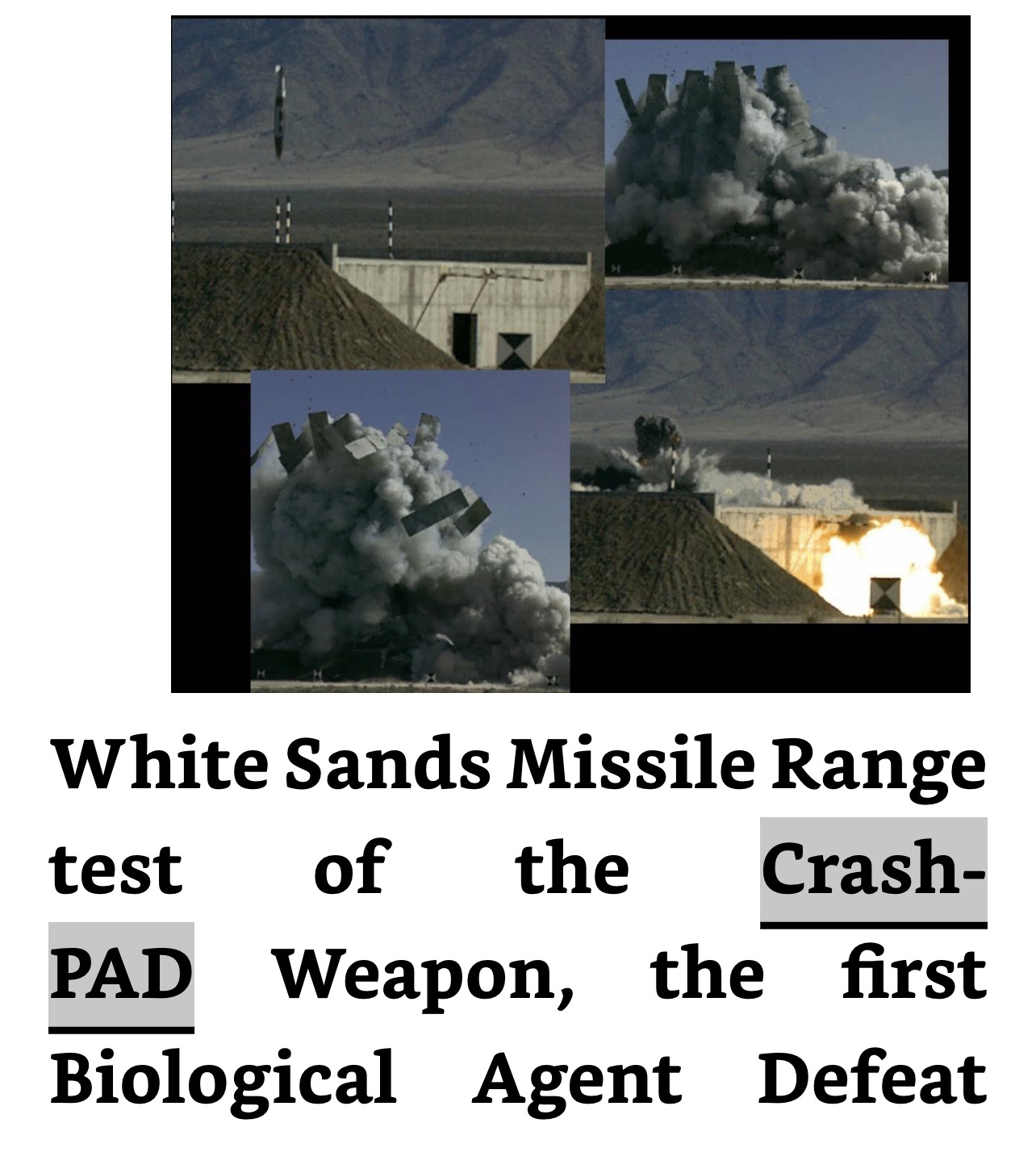
In the end, the USAF (Agent Defeat Weapons: CrashPAD) reality and the movie both destroy the manufacturing and storage facilities of bioweapons with munitions and incendiaries.

Weapon made and deployed by the US

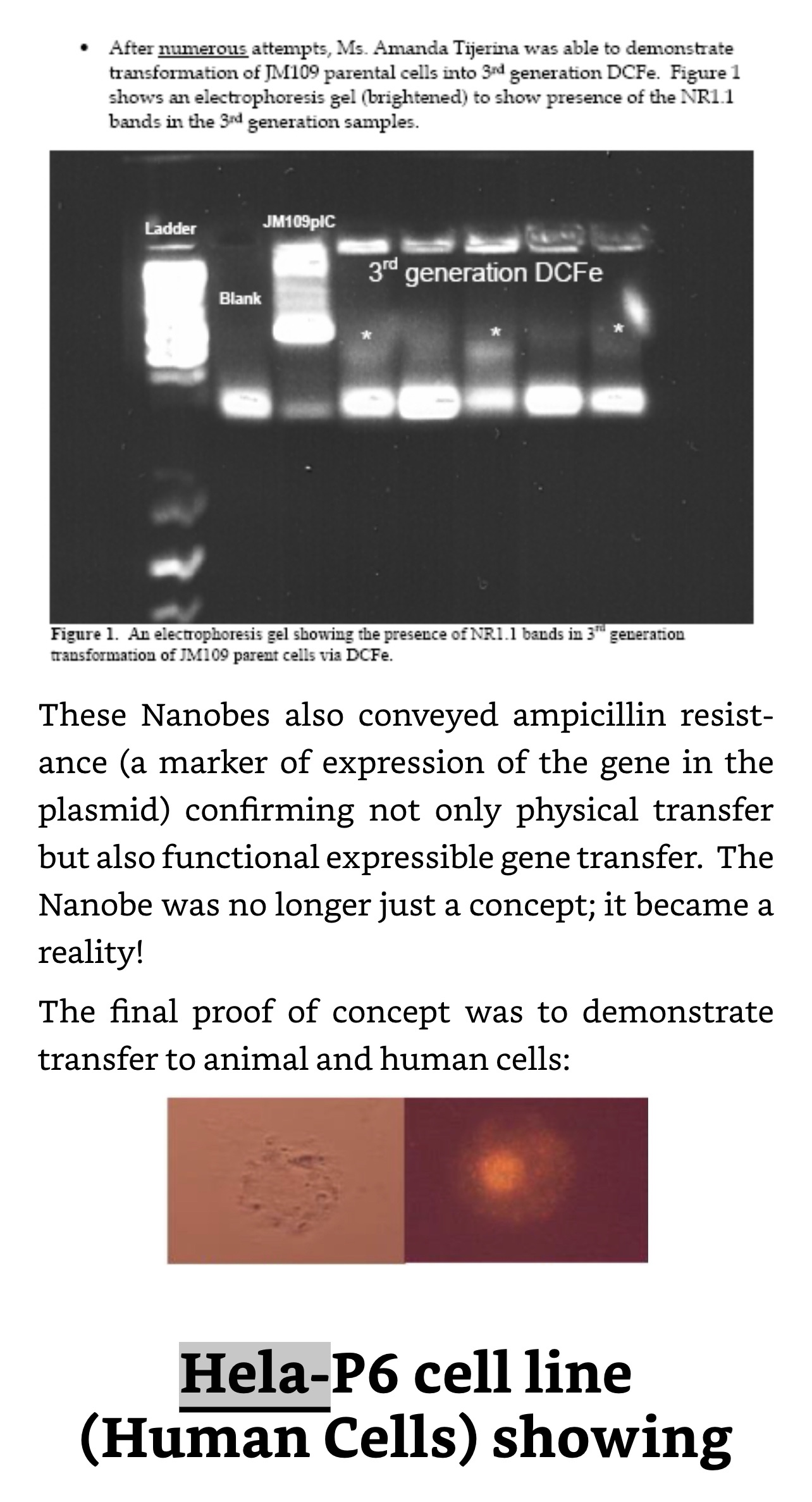
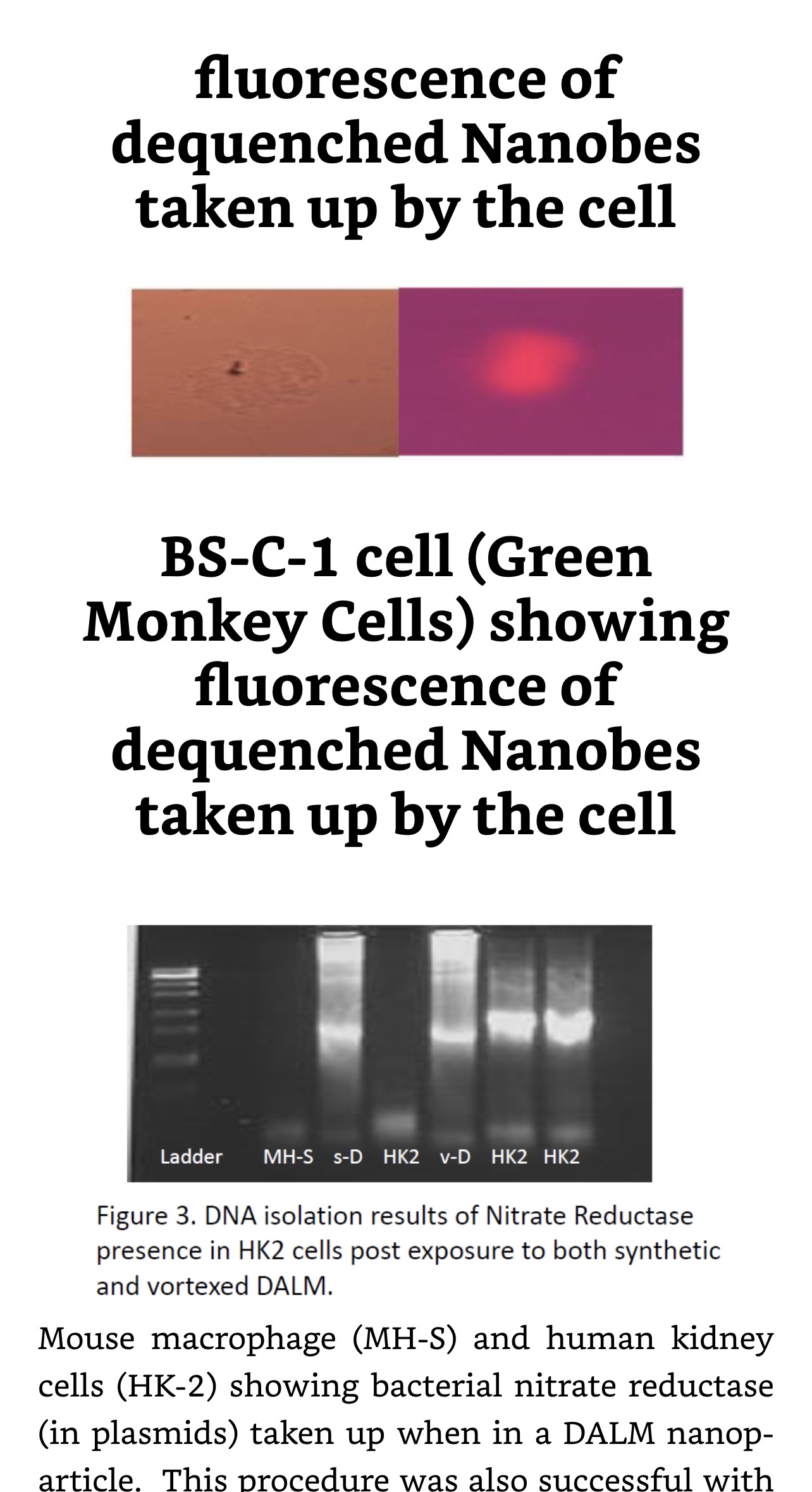
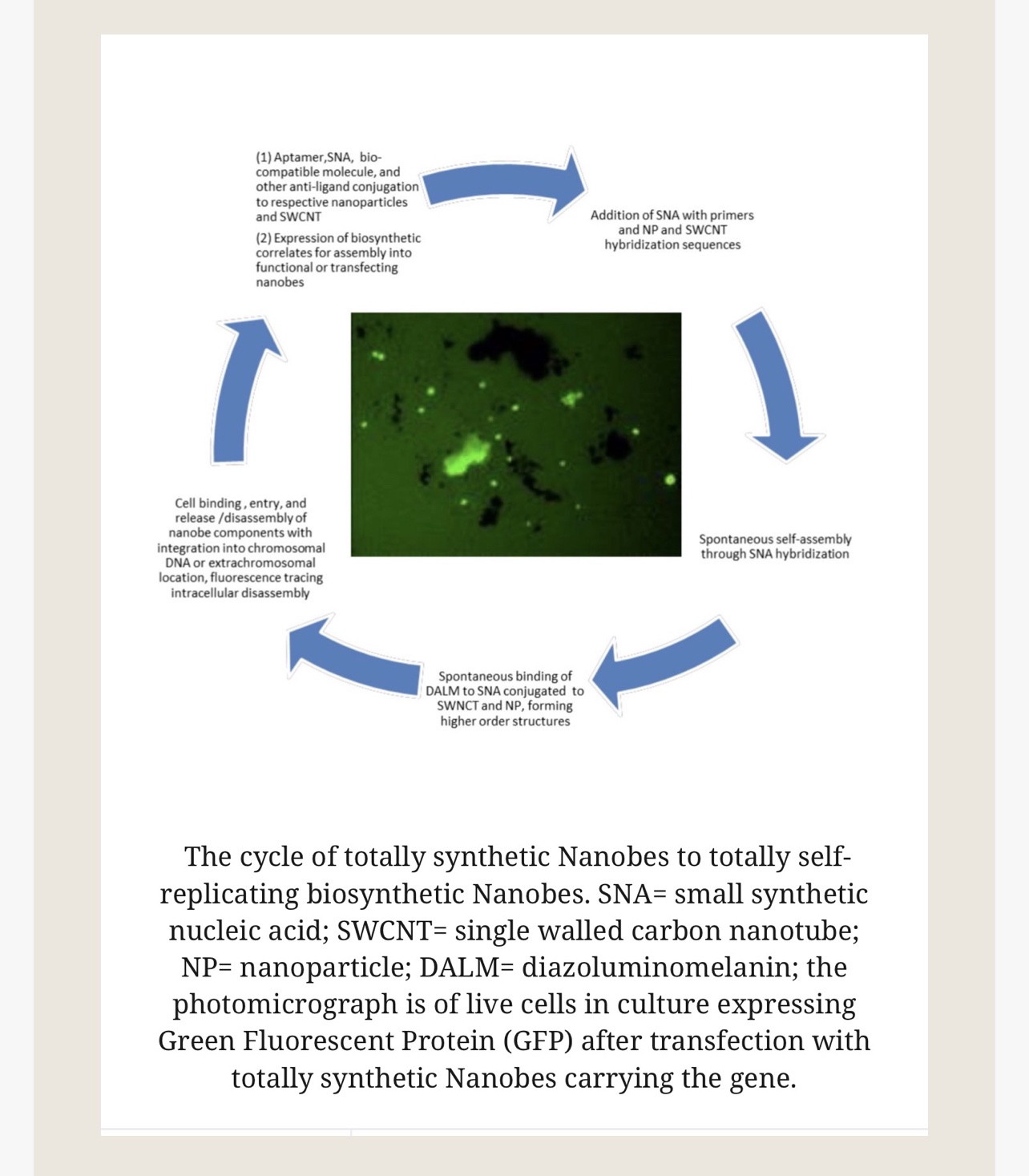
The following illustrations and photographs display tracing the Nanobes in target cells with fluorescent quantum dots and polymerase chain reactions (PCR) to show gene transfer and the final Nanobe design:

Compelled to repost considering recent argument against vaccinations if the vaccines doesn’t provide 100% protection from infection : Vaccinology Made “Simple”

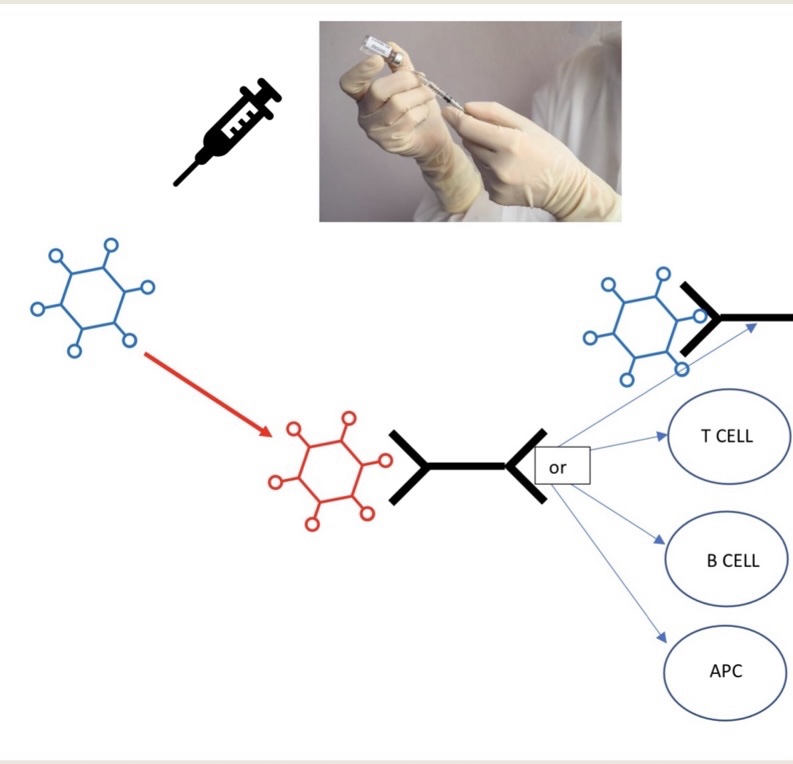
The performance of vaccines is based on three fundamental factors: (1) the vaccine antigen (immunogen); (2) the host (human or animal) immune response; and (3) the pathogen (infectious or effective dose; replication rate in the host ; pathogenicity: tissues infected, immune avoidance responses, and damage to the immune system).

Before I discuss the above factors, I need to address an obvious question, “How is a veterinary microbiologist and parasitologist qualified to discuss human vaccines and those for COVID specifically?” First, of 30 plus new human pathogens, including SARS-CoV-2, detected in the last three decades, 75% came from animals. Furthermore, in addition to having a DVM, I have a PhD from a medical school in biochemistry and microbiology concerning human metabolic and infectious diseases, respectively. I am board certified in veterinary microbiology and parasitology (Diplomate of the American College of Veterinary Microbiologists, 1984, and a Charter Diplomate in Veterinary Parasitology, 2011). I have served the USAF and other agencies and Military Services of the Department of Defense in countering biological warfare for over 30 years. I was consultant to the USAF Surgeon General on Veterinary Microbiology (the last one). I retired as the USAF Senior Scientist in Chem/Bio Counterproliferation and Electromagnetic Bioeffects in 2011. And, I have advised them as a contractor from time to time in these areas ever since, including on how to neutralize SAR-CoV-2 in the air using electromagnetic radiation and how to counter biotechnological weapons.

In respect to the first factor, antigens, it is very important to select the proper one as an immunogen to induce protective immunity against initial infection and/or specific disease manifestations. Vaccines may not fully prevent infection (as with SARS-CoV-2 delta variant), but can reduce or prevent disease. However, recent evidence from Sweden and Finland show that they inhibit transmission within family units containing unvaccinated individuals as the number of family members vaccinated increase (45% to 97% lower risk of contracting COVID-19 as the number of immune family members increased). Also, mild infections have recently shown to provide strong enduring immunity which meets the Sabin Rule, “that a vaccine cannot give any better immunity than that derived from a recovered infection.” The exception is when a dysfunctional immune pathway is triggered as in “ long hauler” COVID or when non-neutralizing antibody is induced as is abundantly seen in such other infectious diseases as HIV AIDS or symptomatic progressive rabies. SARS-CoV-2 infection, especially if widespread in tissues prior to immune resolution, has a propensity for triggering a detrimental immune pathway. Also, aborted upper respiratory infections, as in children, are mitigated by innate immune responses such as those driven by interferon which truncates the development of a lasting specific immune response to COVID and can lead to re-infections as children age and become adults. The virus is in a race with the immune system to replicate, transmit and cause disease before it can be eliminated by the immune system. This principle being recognized, one must be aware that vaccine induced immunity is not absolute and can be overcome in a spectrum of infection and disease states. In countering biological warfare, those investigators, such as myself, had to be acutely aware of this fact in order to gauge effective responses to various levels of attack and exposure, from overwhelmingly massive bio weapon attacks to collateral release from destroying biological weapon production and storage facilities. Also, the route of exposure from aerosol, to skin contact, to ingestion had to be considered. I once had to answer a Special Forces General Officer Commander on why his vaccination against anthrax did not remove the necessity for other physical barrier and sanitary precautions in a massive attack or exposure scenario. To quote a Russian military proverb, “Quantity has a quality all its own”. Vaccines are meant to provide logs of protection (10-fold increases in the infectious dose) which can be overcome by very high exposures rather than absolute protection. This is why talking about percent protection of a population can be misleading. These percentages are based on an average dose of agent under ordinary circumstances. They are assuming everyone receives the same dose and just have variations in their immune responses to the infectious agent, SARS-CoV-2, specifically. Acceptable vaccines give about 2 logs of protection, good ones 3 logs and excellent ones more than 3 logs. Some of the best vaccines are against toxins and fall into the last category, such as those against diphtheria, tetanus and clostridial toxins (vaccination with inactivated toxins called toxoids). These limitations are why we need to reduce viral output within a population and within a certain exposure circumstance regardless of vaccination status. Why we need to reduce the number in a population producing large amounts of transmissible virus to stop the pandemic. Also, viruses do not mutate with intent. The mutations beneficial to their survival, replication and transmission are directly related in their probability to the amount of virus produced and circulating.
The second factor, the host immune response can become the limiting factor for any vaccine no matter how well designed and it is performing in the general population. This is why the tragic example of Colin Powell’s dying of COVID because of immunosuppression by multiple myeloma, a cancer of plasma cells that suppresses the body’s immune response, is so illustrative. Again, it demonstrates that percentages of protection are no assurance for the protection of an individual unless most of the population around that person is vaccinated. The probability of overwhelming an individual’s immune system by the virus goes down precipitously as the amount of viral exposure goes down. The measure of circulating neutralizing antibody is only one indicator of protective immunity, cell-mediated immunity is also and sometimes more important over the long term. This is carried by lymphocytes and also mediated by other immune cells such as macrophages. Another very important measure is the “immune memory” which resides in specialized lymphocytes. This anamnestic response usually occurs within 3 days. For most natural infections, this response time is sufficient, but for overwhelming exposures with agents, especially by aerosol, and/or with very low infectious doses (as with Q Fever agent, that needs only one organism to infect), the race between the immune system and the pathogen can be very close. Again vaccination is necessary, but not sufficient under circumstances of high infectious dose exposure.

The final factor to be considered here is the pathogen itself. Vaccines may prevent disease but not be able to prevent infection especially if the infectious agent can hide from antibody and immune cells in “privileged” sites such as intracellular, in the brain or kidney, gastrointestinal tract, etc. or if they attack the immune system itself as HIV does and SARS-CoV-2 does to a much more limited extent. This could potentially lead to carrier states, but these are more likely with large viral loads as in naive infections rather than lower viral loads in vaccinated individuals. For COVID, intranasal vaccines are being pursued to induce IgA, a secretory antibody, that stops and neutralizes the virus at the mucosal surface. This would prevent the possibility of widespread tissue invasion by the virus before the immune system could kick in to neutralize it, greatly decreasing the potential for damage and disease seen in the slow response of an initial immune response (2 weeks or greater). The latter is why single vaccination individuals get infected and show symptoms during the two weeks after initial vaccination. It is not a failure of the vaccine. It is just that the virus won the race. This is why mutations that lead to variants that rapidly replicate and disseminate in tissues are such a threat. Our military group addressed such rapid, low dose infecting microbes by developing small synthetic DNA which could be selected in the test tube rapidly to bind to new variants for immediate neutralization and with an additional binding site to attract antibody induced by earlier vaccines to redirect the immune system against these new “rapid variants”. We even showed it could be delivered by inhalation. All these statements are supported by my other posts and data in the references of this blog, and by experience with many other especially dangerous pathogens. The final word: No one is safe until we are all safe.

Why a Viral Protein is Critical to Human Fetal Development: Syncytin I is Not a Cause of Concern for Autoimmunity or Sterility from a SARS-CoV-2 Vaccine: Twisting the Truth: Still Raising its Ugly Head

I have found it necessary to re-post this post. The only way vaccines have affected reproduction is when live attenuated vaccines are given to pregnant hosts, infect the fetus and cause defects or abortion—the mRNA vaccines in particular are not of this class and even the aforementioned effects do not result in sterility and should not be confused with it.

A recent popular article has suggested, that because the SARS-CoV-2 spike (fusion) protein has a homologous polypeptide to Syncytin 1, a protein that forms the syncytium of cells by fusion binding the fetus to the uterus through the placenta, the vaccines against the spike protein would develop antibodies against the placenta and cause sterility, but the data does not support this https://edwardnirenberg.medium.com/are-covid-19-vaccines-going-to-cause-infertility-939bbdb62b64. The fusogen proteins that allow enveloped viruses to fuse with their target host cells are related but not necessarily identical to the placenta protein. In fact, Syncytin 1 and 2 were originally viral proteins and are necessary to the development of placentas in mammals. This was accomplished by infection with a Type D retrovirus which became integrated into the mammalian and human genomes. HERVW genome integrated into its host’s germ-line around 63 million years ago, spread into Old and New World monkeys and then evolved independently. The viral genes were incorporated into the germ cells and, therefore, for all subsequent generations. This endogenous retrovirus, HERV-W, is the source of Syncytin I. The env gene from HERV-W produced a functional class I fusion protein capable of merging cells into a syncytium. Such syncytia are at the placental interface between the embryo and mother; preferential expression of HERV-W occurs in embryo cells that become part of the placental interface. This virally derived fusion protein is syncytin, later called syncytin-1; a second such protein from HERV-FRD, is called syncytin-2.

“These ubiquitous endogenous retroviruses are permanently transmitted in germ cell genomes and almost all have lost their ability to replicate outside of their genome-integrated DNA and to infect other cells horizontally as complete infectious virions. They are associated with resistance to other exogenous retroviruses, the process of xenotropism, and with placental development in mammals.

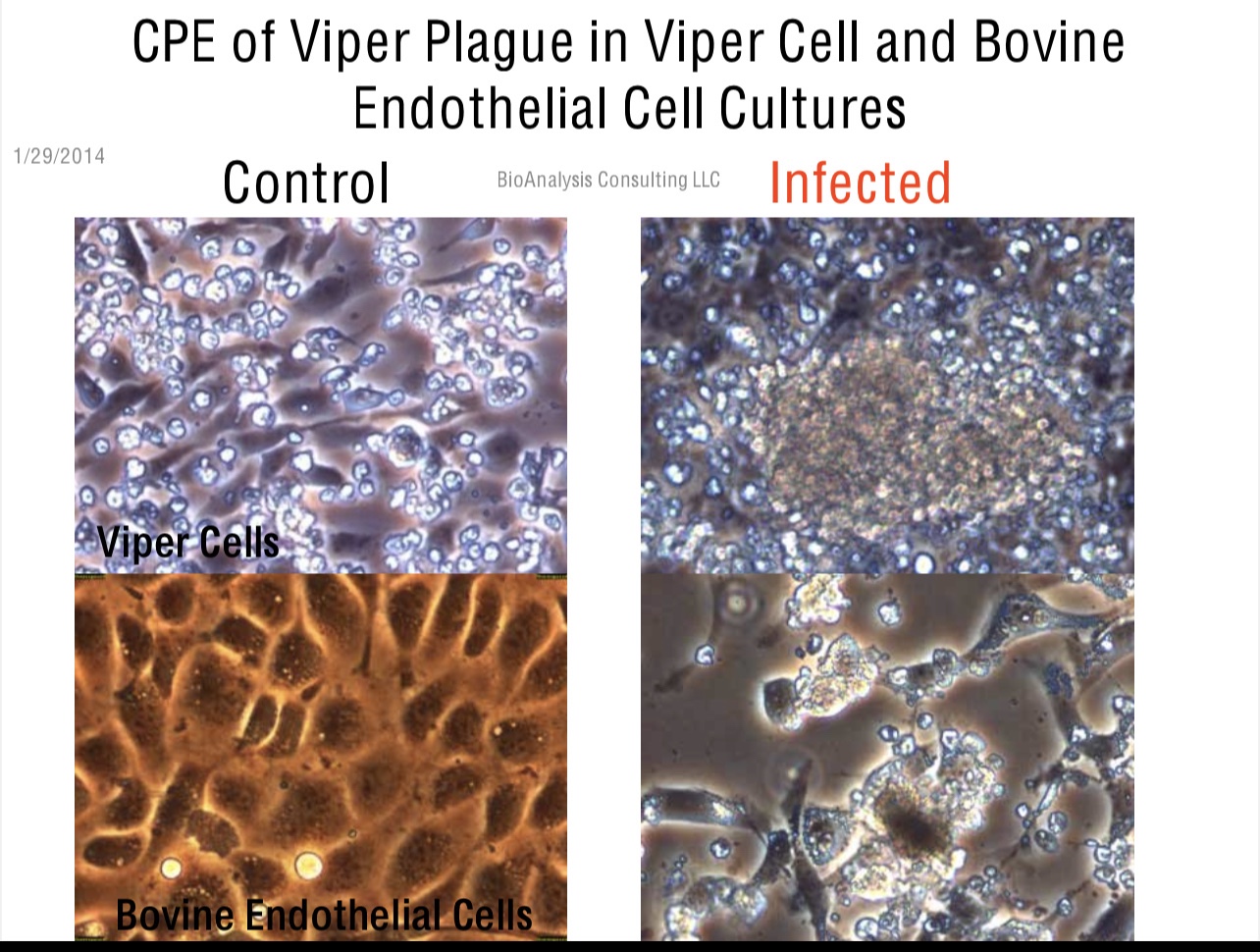
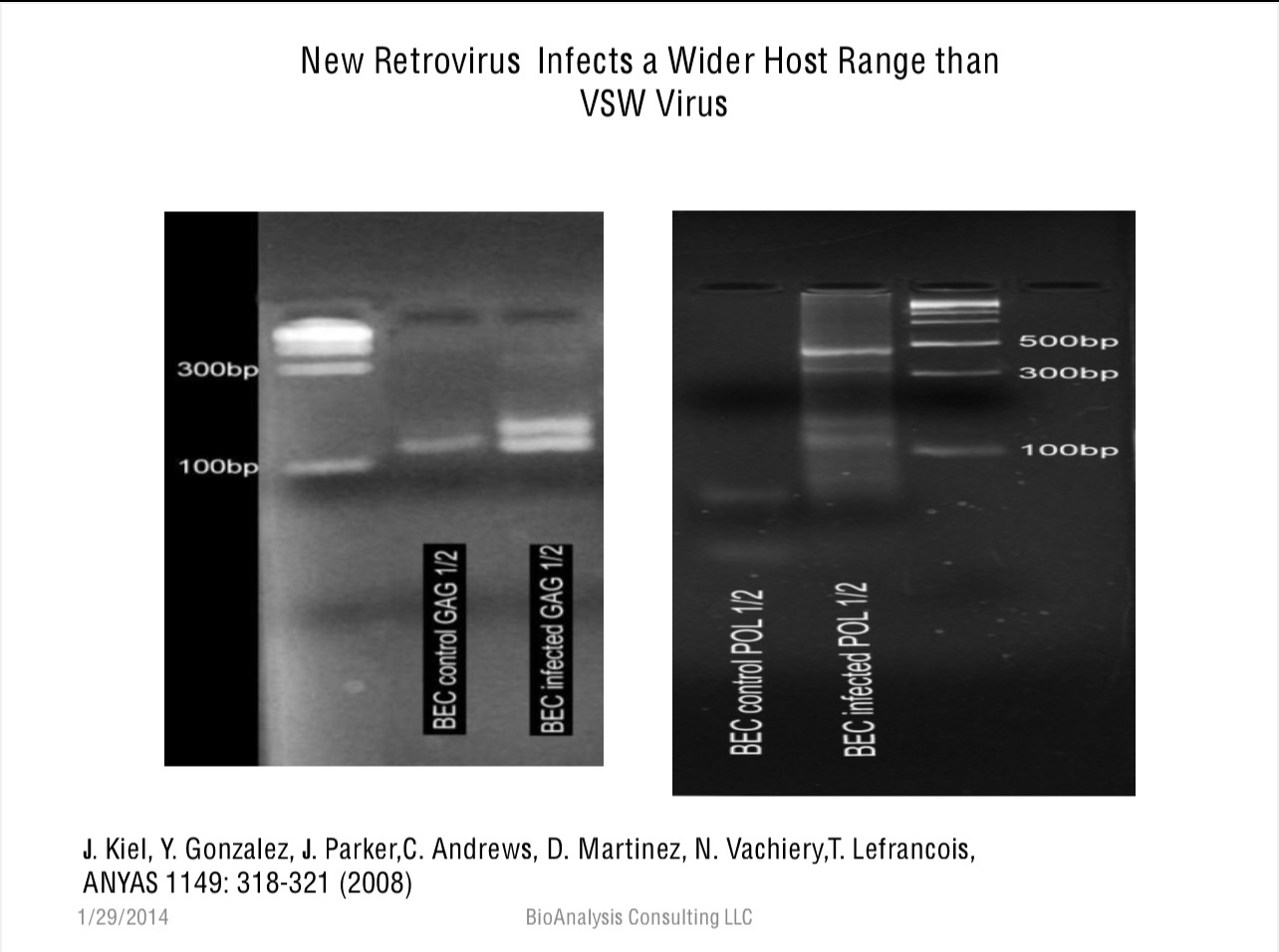
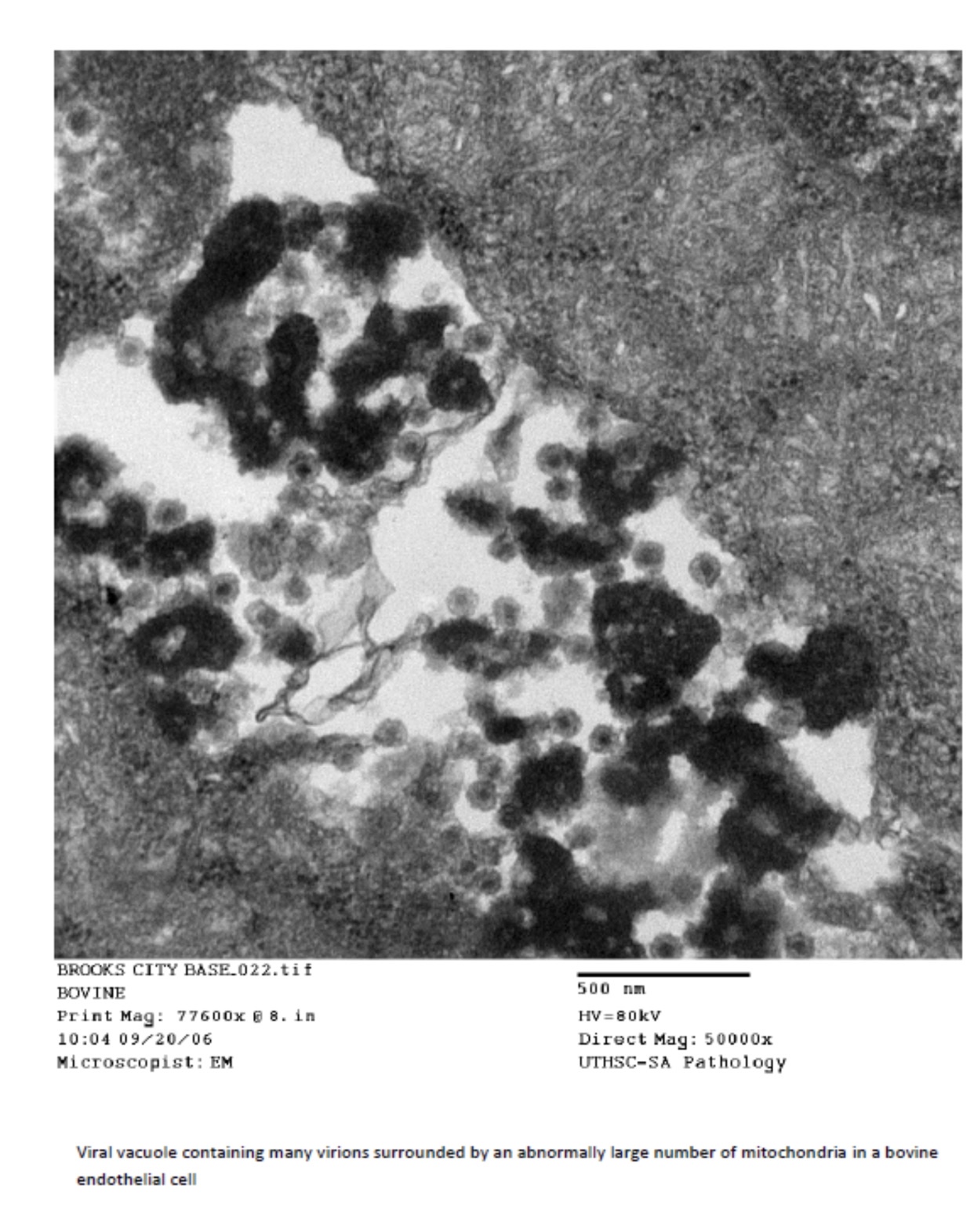
Example of xenotropism of Viper Plague Virus replicating abundantly in bovine cells
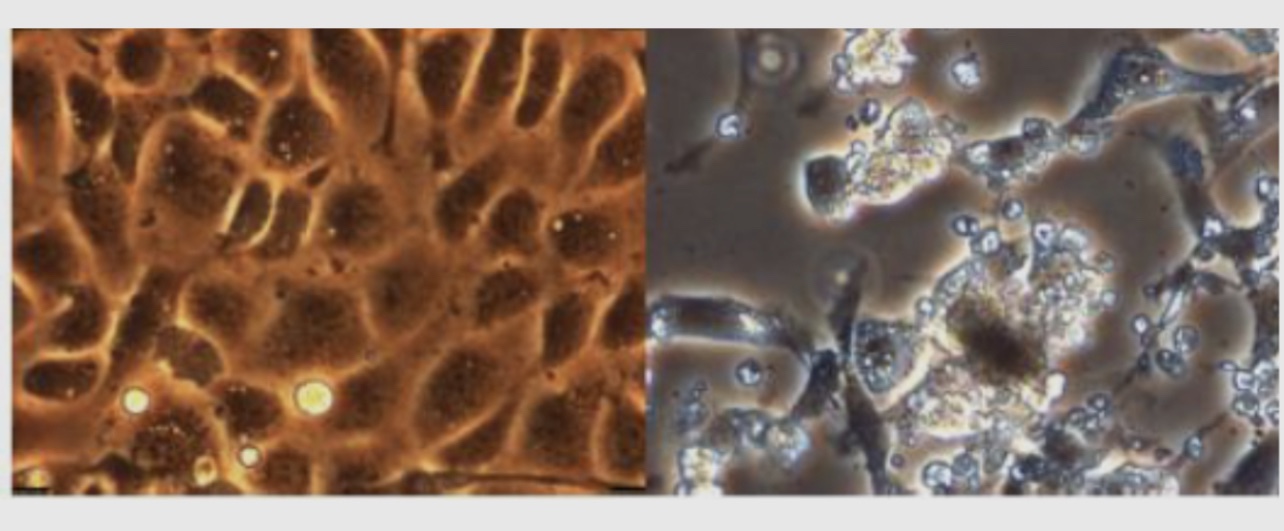
Cytopathic effect of Viper Plague Virus in Endothelial Bovine cells (left, uninfected; right, infected)

Endogenous beta retroviruses (enJSRVs) are present in the genomes of sheep and goats. The enJSRVs are highly related to Jaagsiekte Sheep Retrovirus (JSRV) and the Enzootic Nasal Tumor Virus (ENTV), which cause naturally occurring carcinomas of the respiratory tract of sheep. The enJSRV blocks exogenous JSRV replication by a novel two-step interference mechanism acting both early and late during the virus replication cycle. The only retrovirus sequences that have been added to the human genome since humans became a separate species from their common primate ancestor are members of the Human Mouse Mammary Tumor Virus-like 2 (HML-2) group of the beta retrovirus-like viruses. This human endogenous retrovirus is HERV-K whose elements are integrated in all extant human genomes”— The Black Dragon Trilogy by JOHNATHAN KIEL
https://a.co/8OGjRRc

Mammals and humans have become immunotolerant to these viral placental proteins. Although it is possible for there to be cross reactivity between microbial antigens and self, the evolutionary adaptation to this essential viral appropriated protein has minimized the likelihood of this type of autoimmunity. Fusogenic proteins are so pervasive in enveloped viruses, that if this kind of autoimmunity were likely, we would see sterility with many types of viral infection and their developed vaccines. Normal births have occurred and been reported from SARS-CoV-2 infected mothers. Example viruses producing fusogens, including viral class I fusogens, are major human pathogens, including influenza A, Lassa virus, SARS-CoV, Ebola, human parainfluenza virus-3, HIV-1, and human T-lymphotropic virus-1. Class II fusogens come from Dengue fever virus, West Nile virus, Zika virus, and tick-borne encephalitis virus https://www.cell.com/current-biology/pdf/S0960-9822(20)30668-0.pdf. When viruses such as rubella and Zika cause birth defects it is because of the wild viral infection not autoimmunity to a host antigen https://www.ncbi.nlm.nih.gov/books/NBK507879/ and https://www.ncbi.nlm.nih.gov/pmc/articles/PMC6140214/. Therefore, this extrapolation and extension of a evolutionary relationship between host and ancient viruses have not led to sterility but rather advanced fetal development.

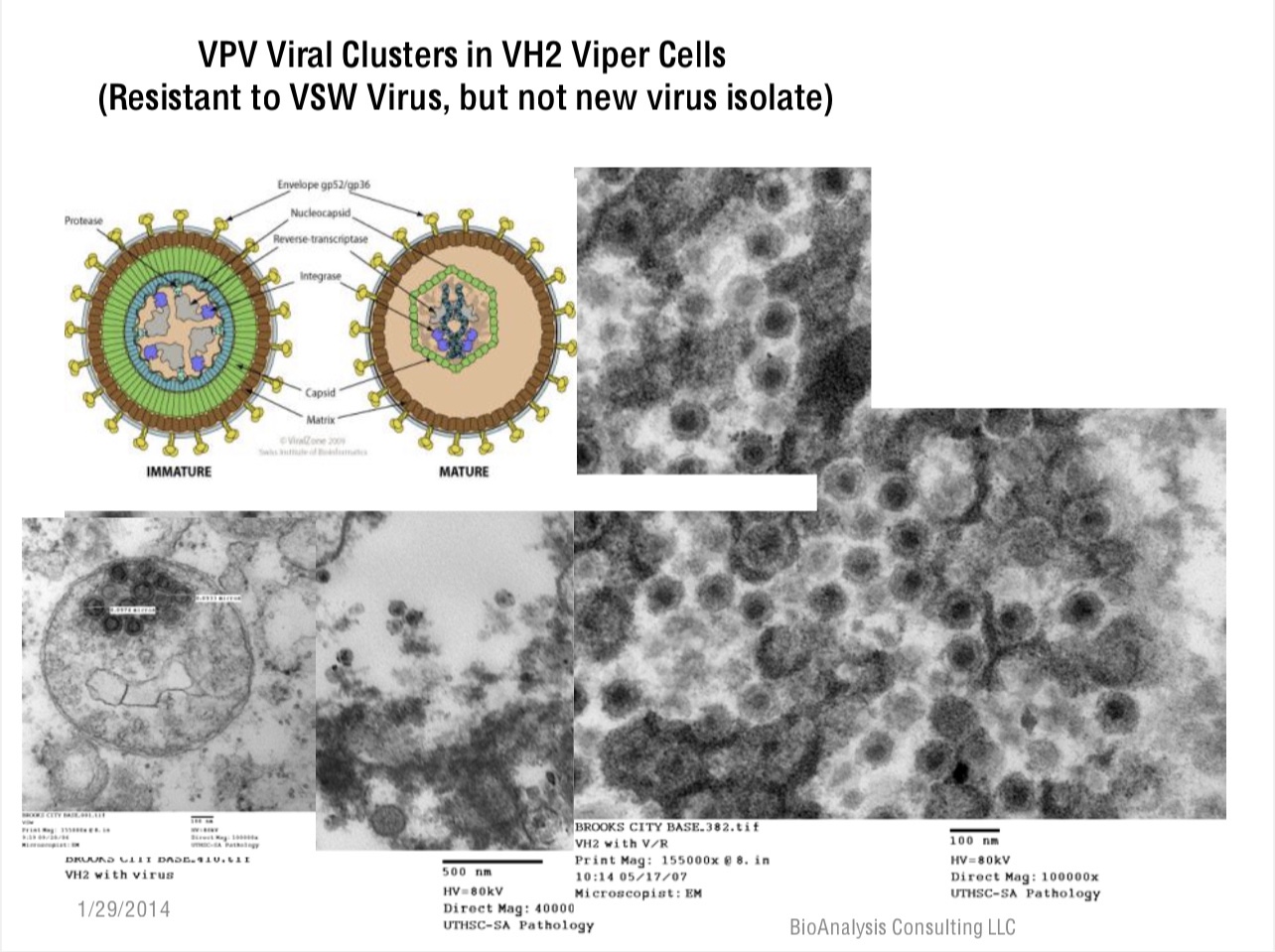
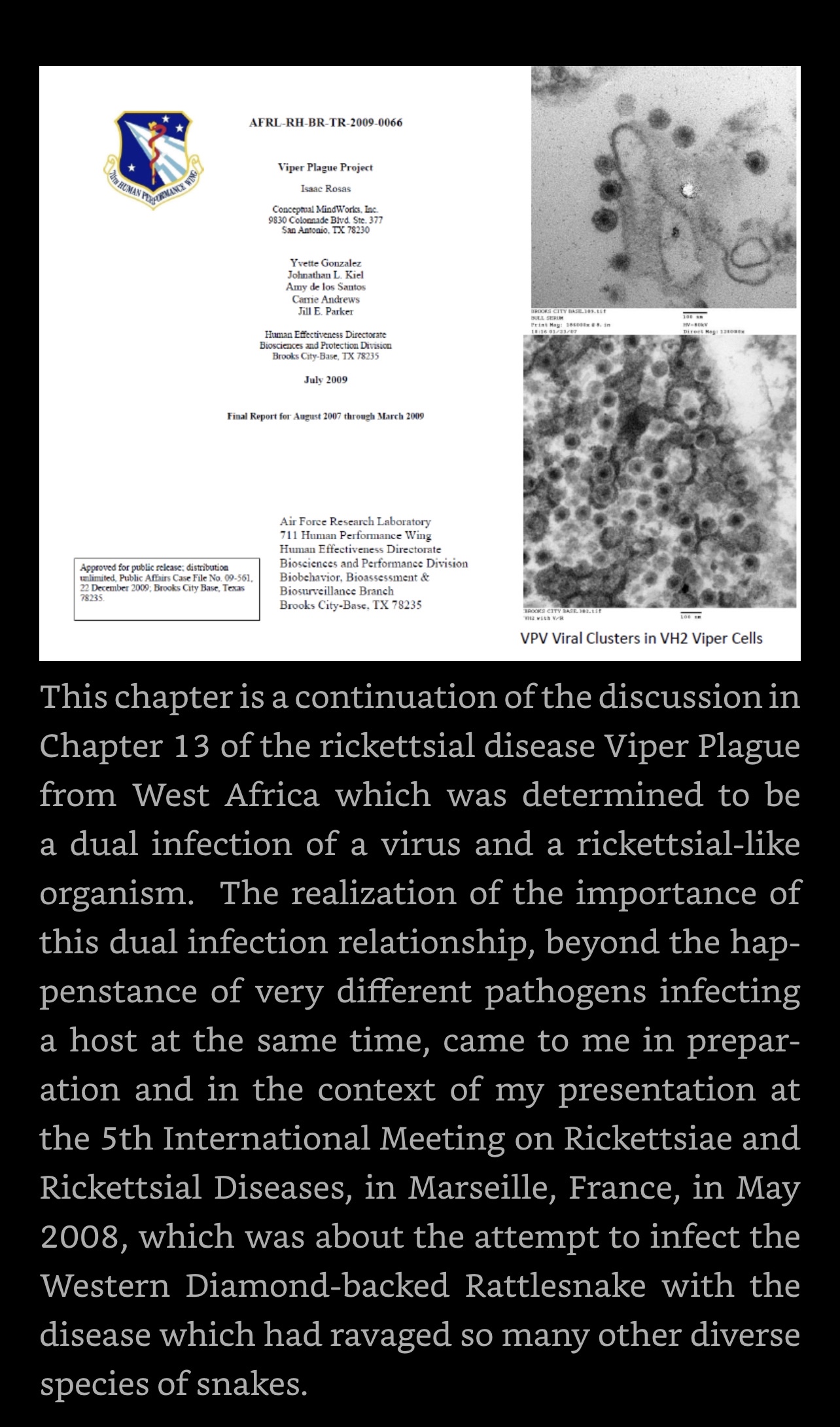
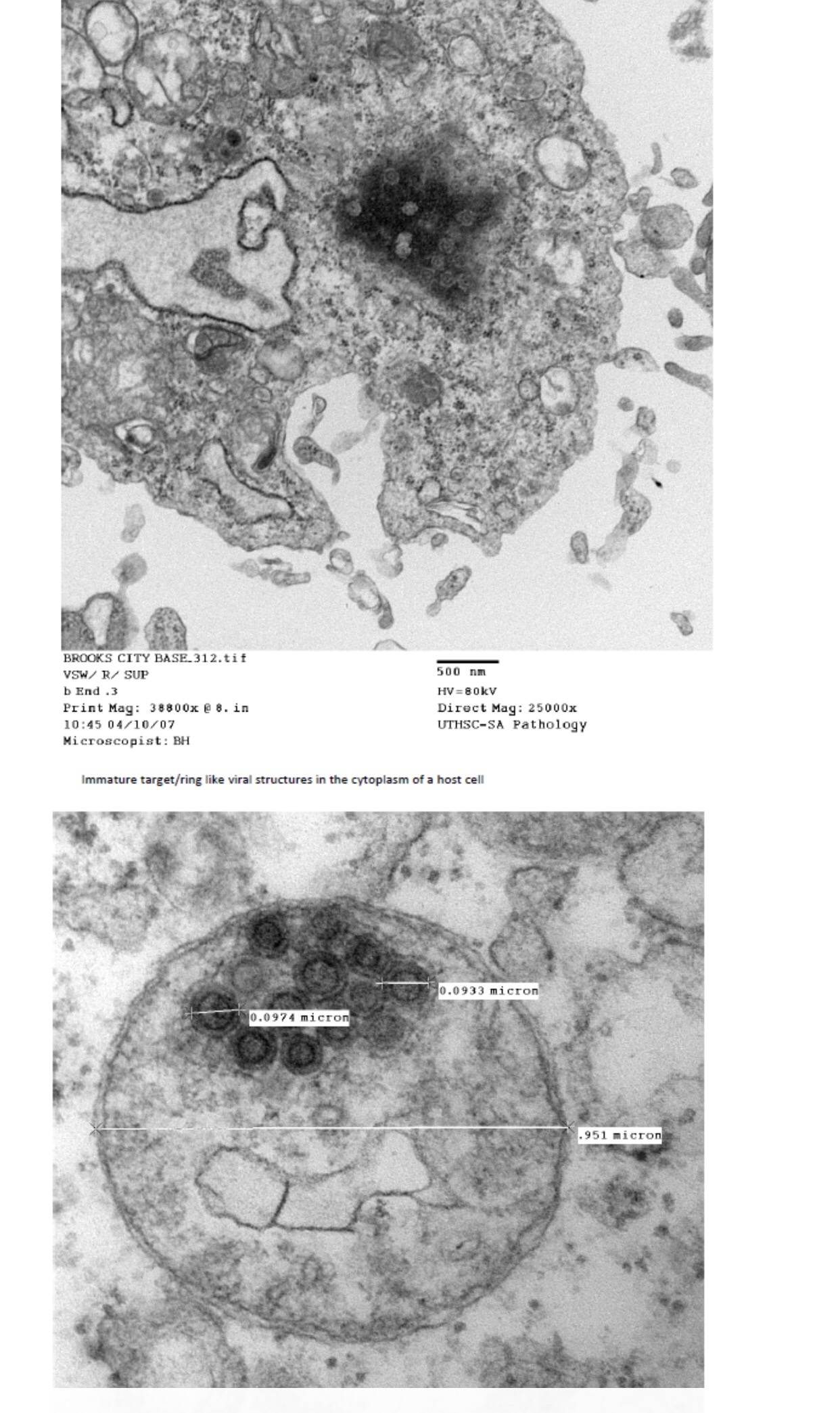
The electron micrographs that show stunted viral development of the Viper Plague Virus, a Type D retrovirus from West Africa, which is blocked by endogenous retroviruses (HERV-K and human mouse mammary tumor virus-like 2 (HML-2) group) in mice and humans—some good viruses

Perhaps the most remarkable interaction of endogenous retrovirus is with HIV (Human Immunodeficiency Virus):

“Recently, it has been shown that the expression of HERV-K proteins suppresses HIV replication, perhaps through tuftsin, an inflammatory macrophage cytokine. Decline in tuftsin and increased expression of HERV-K is associated with advancing AIDS. Activation of HERV-K expression has correlated with the level of HIV-1 production. Studies of autoimmune neurological demyelinating disease (experimental autoimmune encephalomyelitis (EAE)) in rodents indicates that tuftsin administration upregulates immunosuppressive Helper-2 T cell (Th2) cytokine transcription factor and that tuftsin-mediated microglial cell activation results in shifting microglia to an anti-inflammatory phenotype. In return, the T cell phenotype is shifted towards immunoprotection after exposure to tuftsin-treated activated microglia, that is, downregulation of pro-inflammatory Th1 responses triggered in conjunction with upregulation of Th2-specific responses and expansion of immunosuppressive regulatory T cell clones. Macrophages with activated HERV-K expression were more resistant to HIV infection, perhaps in part by its Gag protein being expressed and interfering with the assembly of the HIV virions, and cells expressing HERV-K and infected with HIV were more susceptible to destruction by cellular immunity. Infection of CD4 + T cells with HIV-1 was shown to result in transcription of the HML-2 lineage of HERV-K [HERV-K( HML-2)] and to express the Gag and Env proteins of this virus. HERV-K( HML-2)–specific CD8 + T cells obtained from HIV-1–infected human subjects responded to HIV-1–infected cells in a Viral infectivity factor (Vif)-dependent manner in vitro. HERV-K( HML-2)–specific CD8 + T cells (cytotoxic T cells) eliminated cells infected with globally diverse HIV-1, HIV-2, and SIV isolates in vitro. A second T cell response that exhibited cross-reactivity between homologous HIV-1-Pol and HERV-K( HML-2)-Pol has raised the possibility that similarities between HIV-1 and HERV-K play a role in forming, triggering, and perhaps enhancing, the T cell response to HIV-1. There is even some suspicion, because of the association with HERV-K expression with certain tumor cell lines, that its expression can lead to cancer triggered by HIV infection as was perhaps my brother’s brain lymphosarcoma. HERV-K is both protective, initially through triggering the innate immune system and later specific T cell cytotoxicity, and detrimental by perhaps triggering the formation of cancer. The dilemma with HERV-K and the human immune system is that the initial innate response producing reactive oxygen species could protect against both HERV-K and HIV, simultaneously, but the switch to the inadequate nitric oxide response in human macrophages encourages the replication and release of HIV to infect other recruited and susceptibly activated macrophages to carry the HIV to lymphoid tissue. Evolutionarily, HERV-K’s advantages have outweighed its disadvantages and has led to resistance to such coming plagues as that could result from Viper Plague Virus, at least for now.”— The Black Dragon Trilogy by JOHNATHAN KIEL
https://a.co/57tGvuL

Another Option for a Nucleic Acid COVID-19 Vaccine: DNA Vaccines: Hidden and Forgotten Methods for Delivery: Lost in the Mix

Whereas the following DNA vaccine technologies are no longer being pursued at this time for FDA licensure. India has granted emergency use authorization to a DNA COVID-19 vaccine that uses plasmids, to prime the immune system by synthesizing protein antigen in situ against SARS-CoV-2. The vaccine, ZyCoV-D, was developed by the Indian pharmaceutical firm Zydus Cadila; it is the first DNA vaccine for humans to receive authorization anywhere in the world.

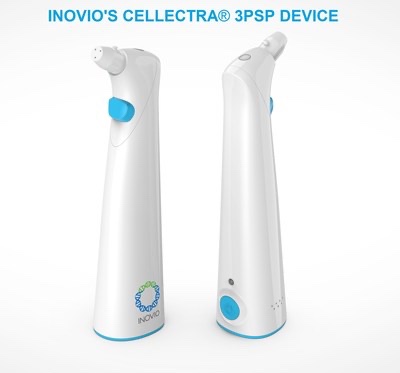
Nov 16, 2020, 07:00 ET, it was announced that INOVIO received approval from the U.S. Food & Drug Administration (FDA) to proceed with Phase 2 of its Phase 2/3 clinical trial for INO-4800, its COVID-19 vaccine candidate. INO-4800 is the only nucleic-acid based vaccine that is stable at room temperature for more than a year and does not need to be frozen in transport, an important factor for implementing mass immunizations. INOVIO’s DNA vaccine plasmid is delivered directly into cells intramuscularly or intradermally using INOVIO’s proprietary hand-held device called CELLECTRA®. The CELLECTRA device uses a brief electrical pulse to reversibly open small pores in cells to allow the plasmids to enter, overcoming a key limitation of other DNA vaccines and mRNA vaccines. Once inside cells, the DNA plasmids enable the cell to produce the targeted antigen. The antigen triggers the normal T cell and antibody-mediated immune responses. The CELLECTRA device ensures that the DNA plasmids are efficiently delivered directly into the body’s cells to drive the immune response. INOVIO’s DNA vaccine does not interfere with or change in any way an individual’s own DNA. The advantages of INOVIO’s DNA vaccine platform are how fast it was designed and manufactured; its stability, not requiring freezing for storage and transport; and the robust immune response, safety profile, and tolerability evident in clinical trials. The CELLECTRA® electroporation device developed by Inovio Pharmaceuticals, Inc., is currently being assessed in clinical studies for both prophylactic and therapeutic applications.

This device delivers square-wave electric pulses by applying an adaptive electric field based on constant current, rather than constant voltage. This system measures electrical parameters and adjusts appropriately for changes in tissue resistance in realtime to avoid tissue damage and diminished DNA cell entry. The device has been evaluated in animal models, including mice, pigs, and rhesus macaques, and demonstrated acceptable immune responses.

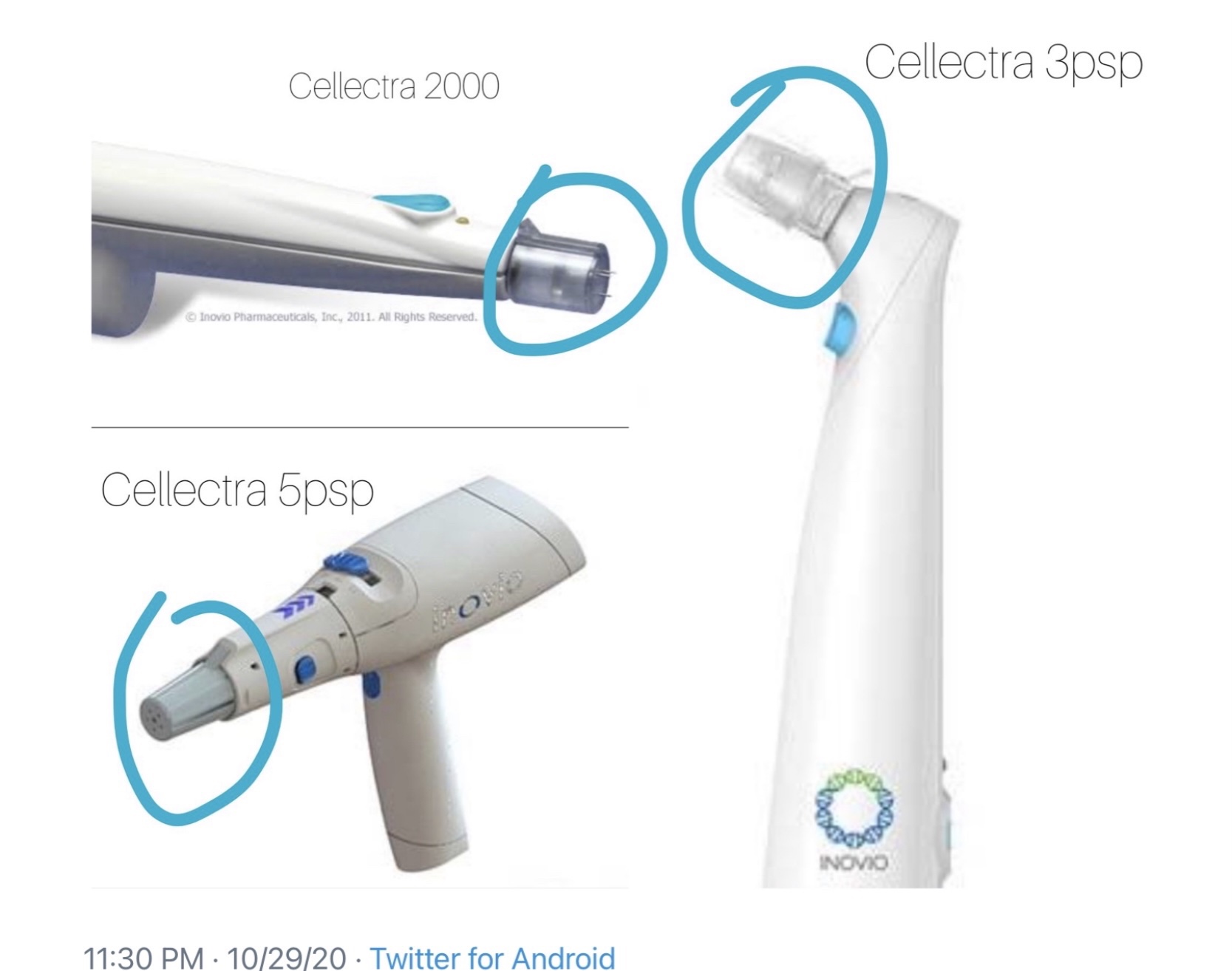
DNA vaccines have been criticized in the past because of the possible off-target effects in expression of protein, integration of foreign DNA into the host genome and difficulties in delivery to the right target cells. As noted above INOVIO has provided evidence that they have overcome these limitations by plasmid design and a proprietary electroporation device. The concern about plasmid in comparison to mRNA vaccines is that they must enter the nucleus to be converted into mRNA before being translated into protein in the ribosomes of the cytoplasm. mRNA vaccines do not require entry into the nucleus before this last step. I have spent a lot of time providing accounts and data of the Brooks Counterproliferation Team’s work on these problems for different military applications in previous posts. It is ironic that INOVIO has received a significant level of funding from the Department of Defense independent of our work: On June 23, 2020, INOVIO received a $71 million contract from the U.S. Department of Defense to scale up its manufacture of its CELLECTRA® 3PSP Smart Device and procurement of CELLECTRA® 2000 for COVID-19 DNA Vaccine delivery https://www.ncbi.nlm.nih.gov/pmc/articles/PMC3906411/pdf/hvi-9-2246.pdf.

Alex Careaga @alexcareaga
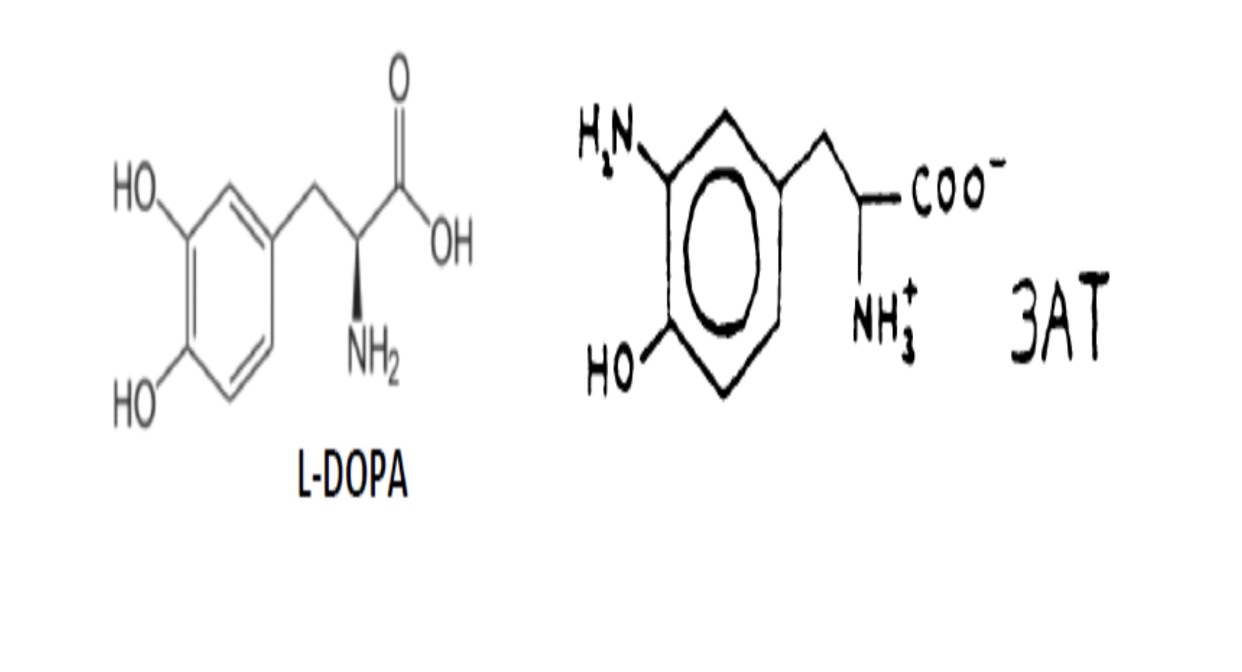
The starting material, 3-amino-L-tyrosine (3AT) is an amino acid analogue of L-DOPA, the latter which can be converted into melanin. The 3AT, through substitution and elimination, yields the following
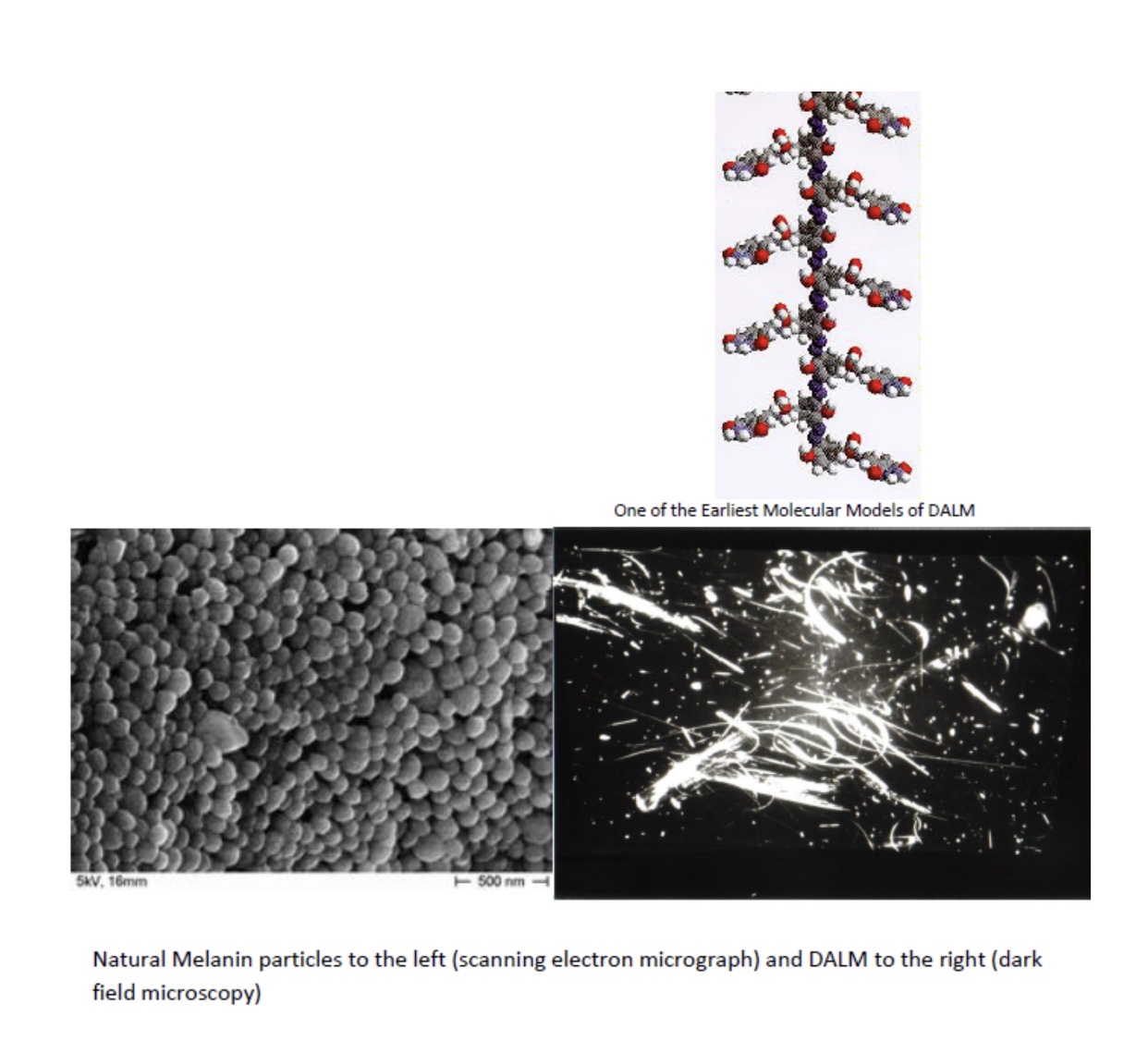
polymer (trivial name: diazoluminomelanin: DALM).

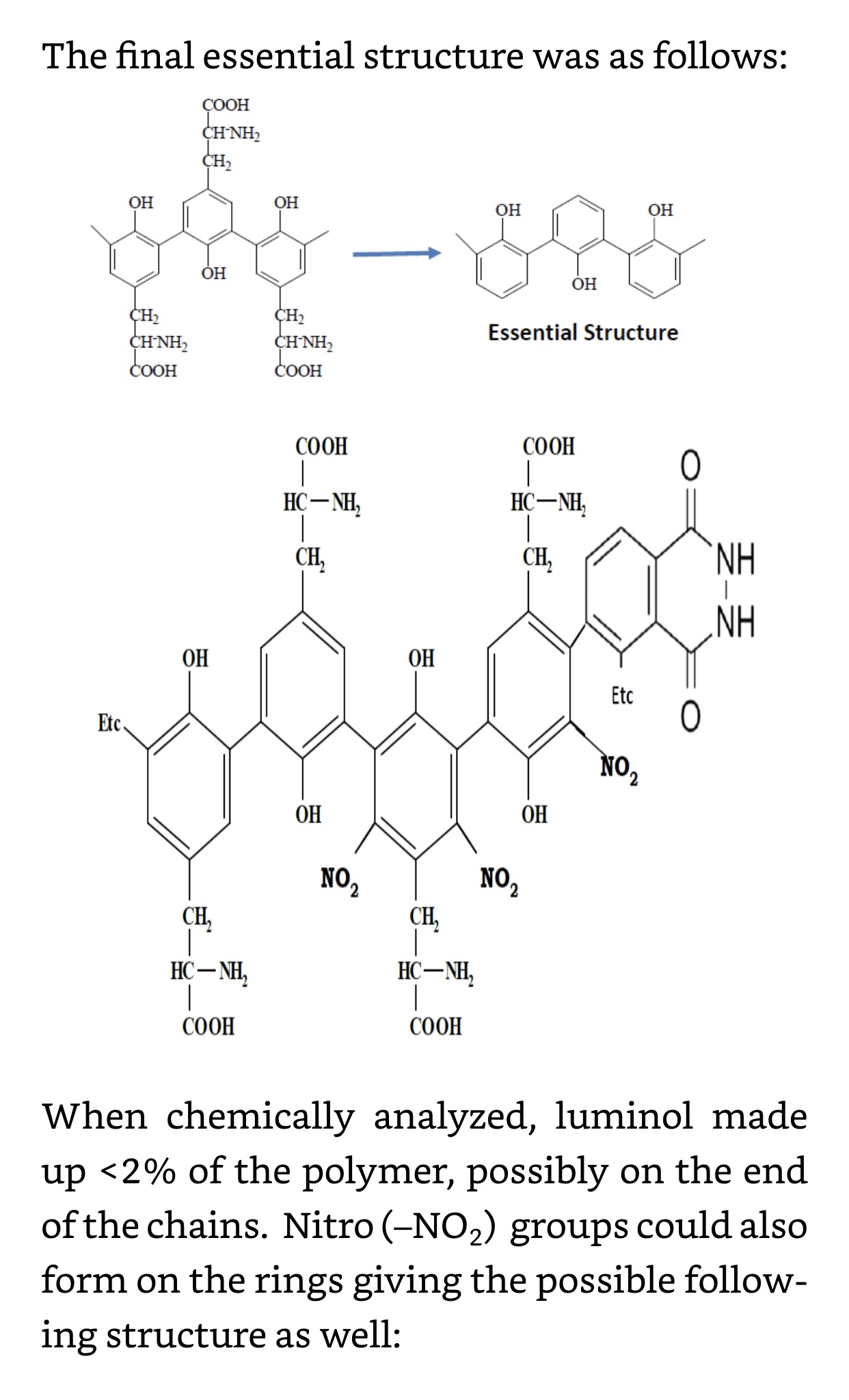
Our work began with efforts to synthesize a microwave and radio frequency electromagnetic radiation interacting polymer starting in 1981. We succeeded (1 March 1988) in making one from the amino acid 3-amino-L-tyrosine which through diazotization ended up with the following structure:

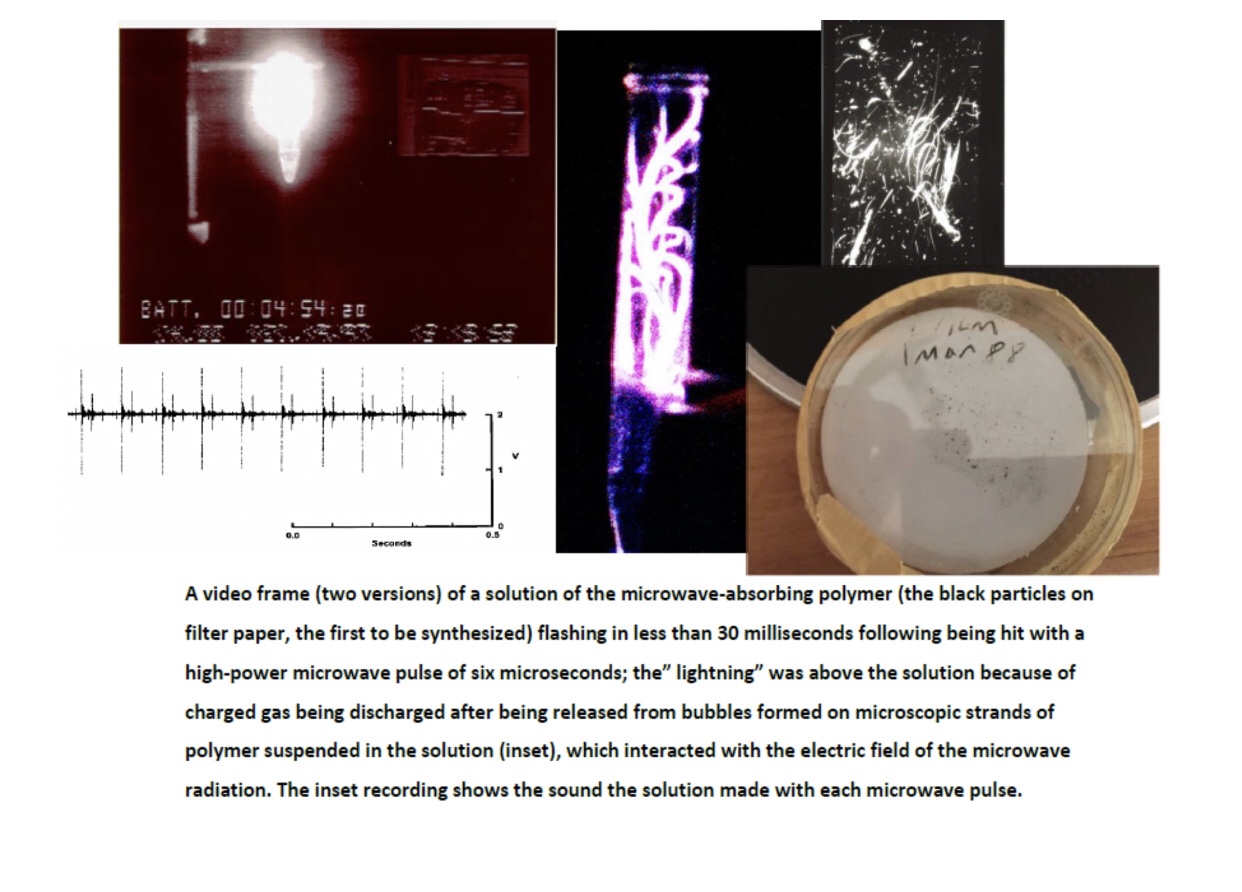
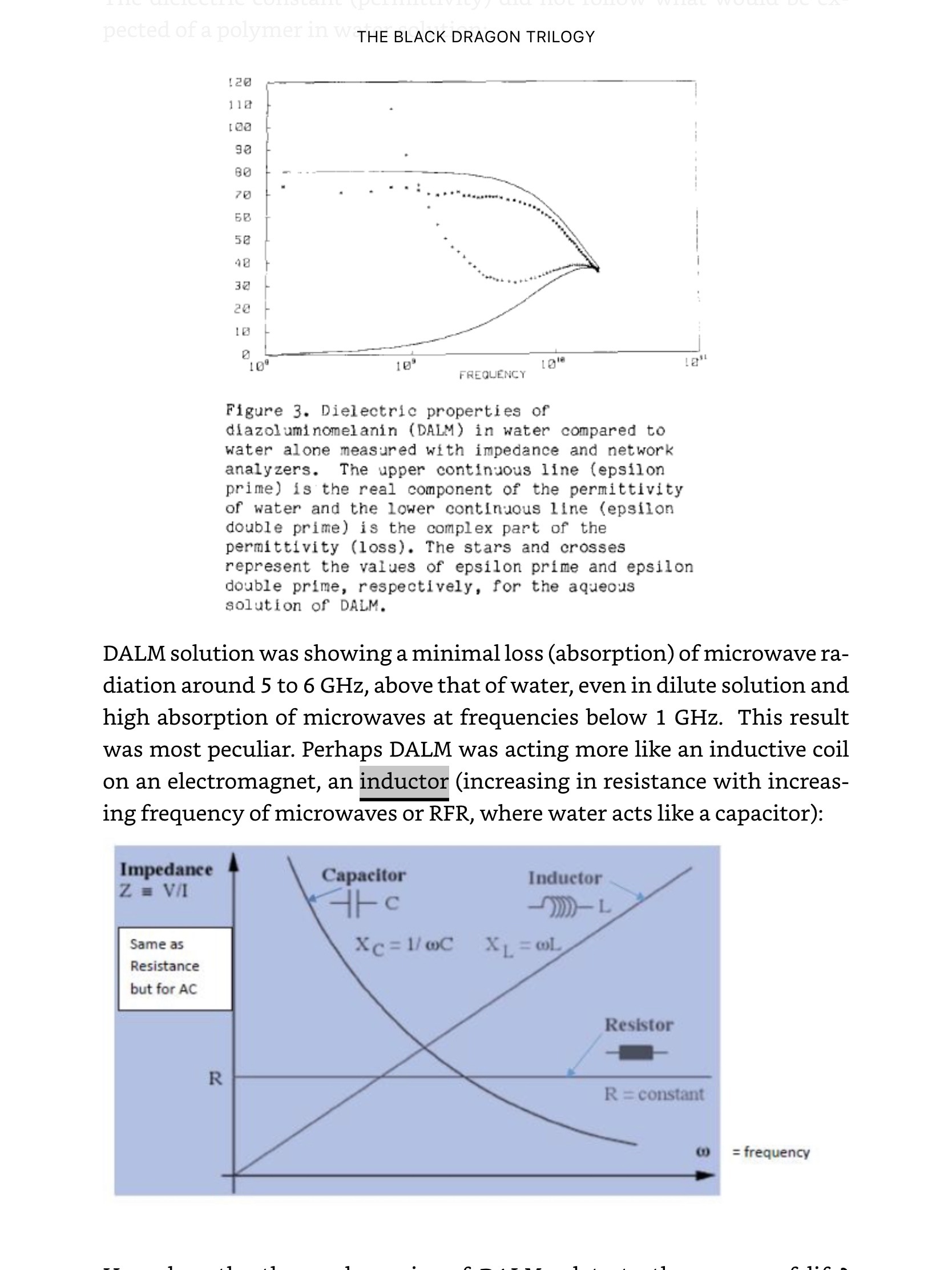
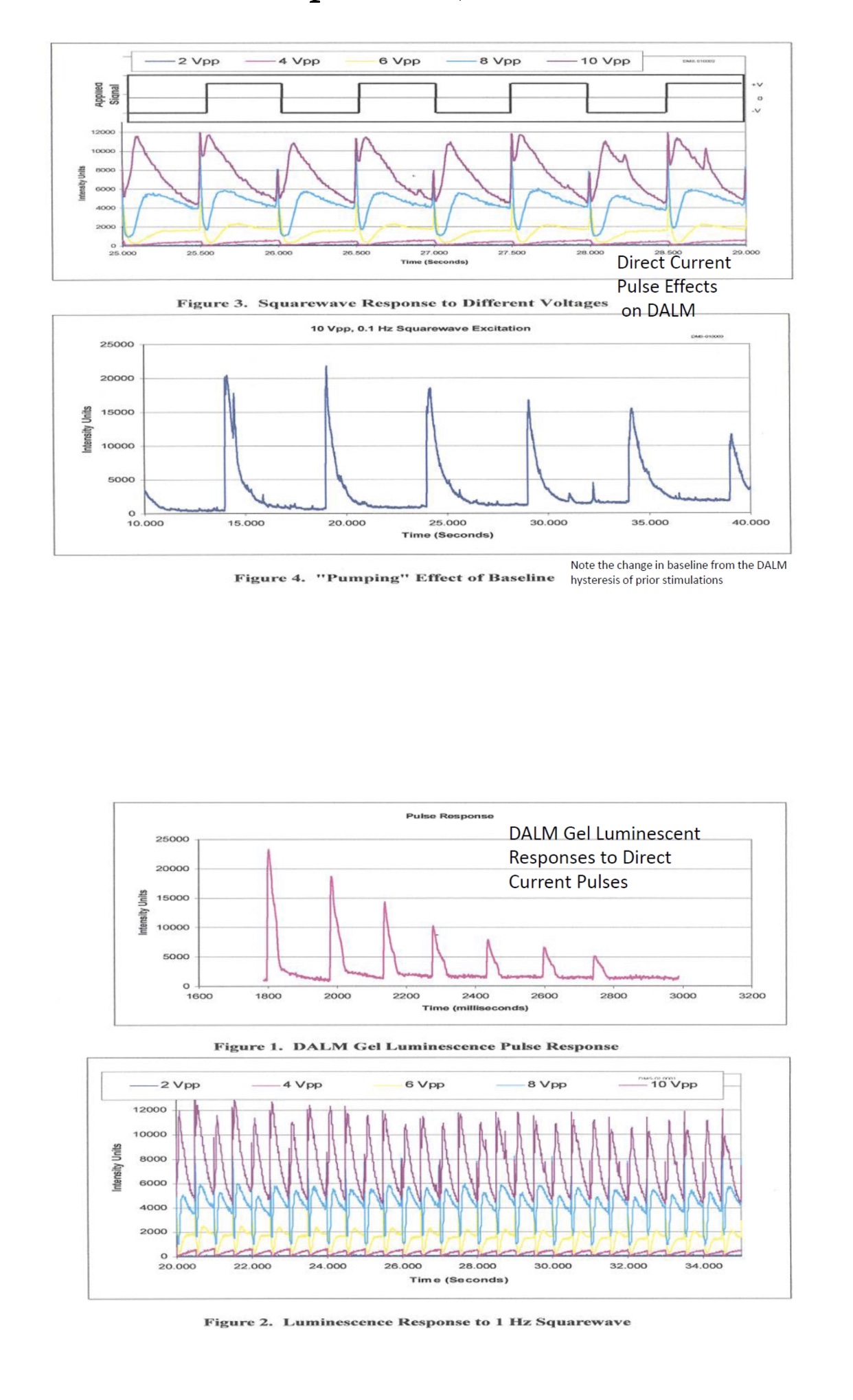
This polymer demonstrates a number of interesting and very applicable physical and chemical properties. It is thermochemiluminescent while oxidizing, binds to DNA without damaging it functionally, and further interacts instantly with pulsed direct current electric fields, and those of pulsed radio frequency and microwave radiation. The classical explanation of its behavior is as an inductor, that it is a passive two-terminal electrical component that stores energy in a magnetic field when electric current flows through it. An inductor consists of an insulated wire wound into a coil around a core. When the current flowing through an inductor changes, the time-varying magnetic field induces an electromotive force (e.m.f.) (voltage) in the conductor, described by Faraday’s law of induction. According to Lenz’s law, the induced voltage has a polarity (direction) which opposes the change in current that created it. As a result, inductors oppose any changes in current through them. The coiled ground state structure of DALM may be responsible for its behaving as a molecular inductor. The discharge of luminescence and/or thermalization are related to the release and conversion of this stored energy.

The build up of energy into dark states leading to high E fields may facilitate electroporation. During electroporation, the lipid molecules simply shift position, opening up a pore which acts as a water- filled conduction pathway through the bilayer. Electroporation is a dynamic phenomenon which depends on the local transmembrane voltage at each point on the cell membrane. For a given pulse duration and shape, a specific transmembrane voltage threshold exists for the electroporation phenomenon (from 0.5 V to 1 V) to occur, an electric field magnitude threshold for electroporation.
Ribbon-like structure of DALM with sharp edges and angular high aspect ratio ends unlike amorphous globular natural melanin
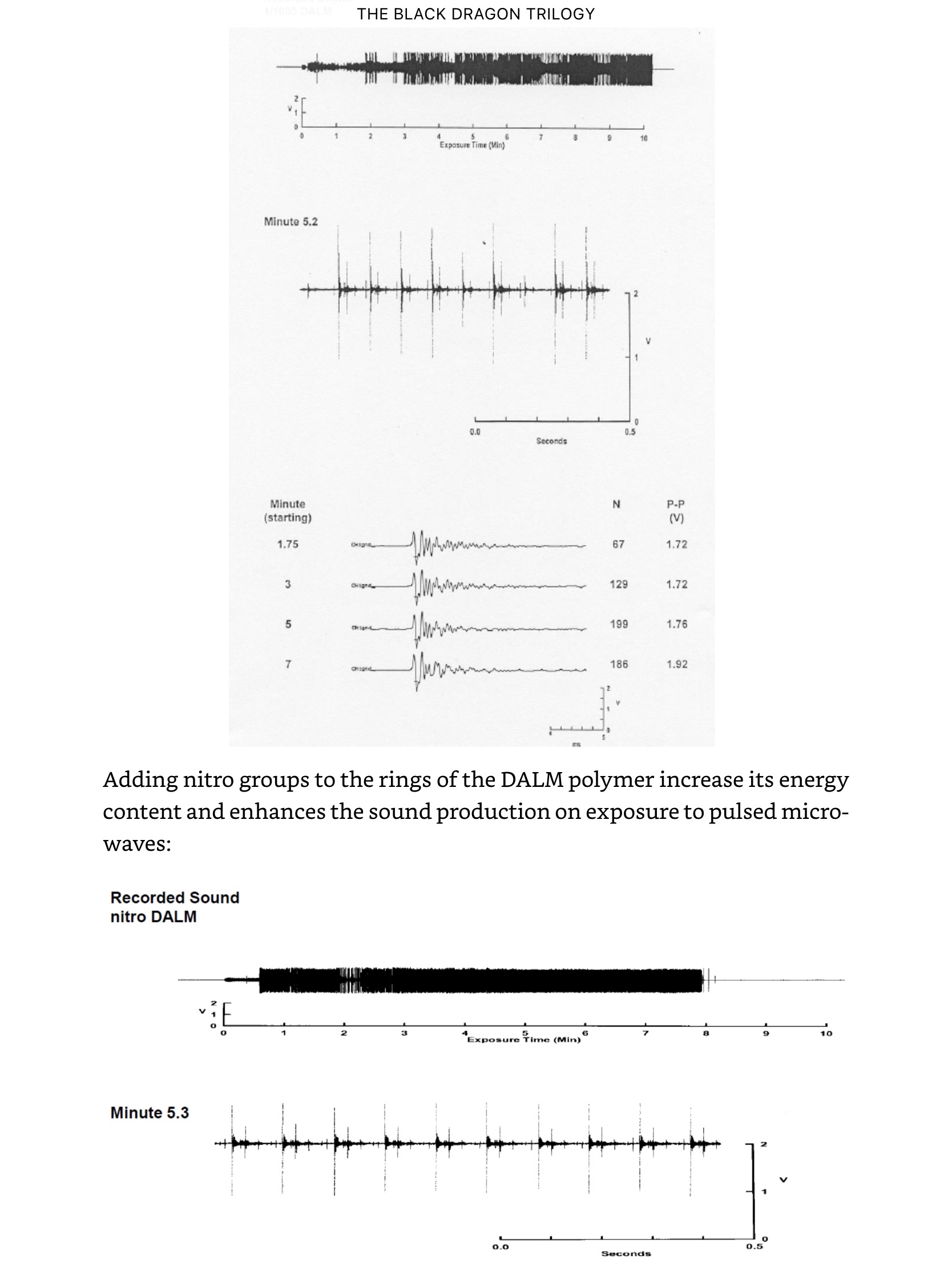
The conversion to sound allows for the possibility of transporting DNA into cells by sonoporation. Sonoporation has already demonstrated potential utility in gene transfer https://www.nature.com/articles/s41598-018-22056-8.pdf.

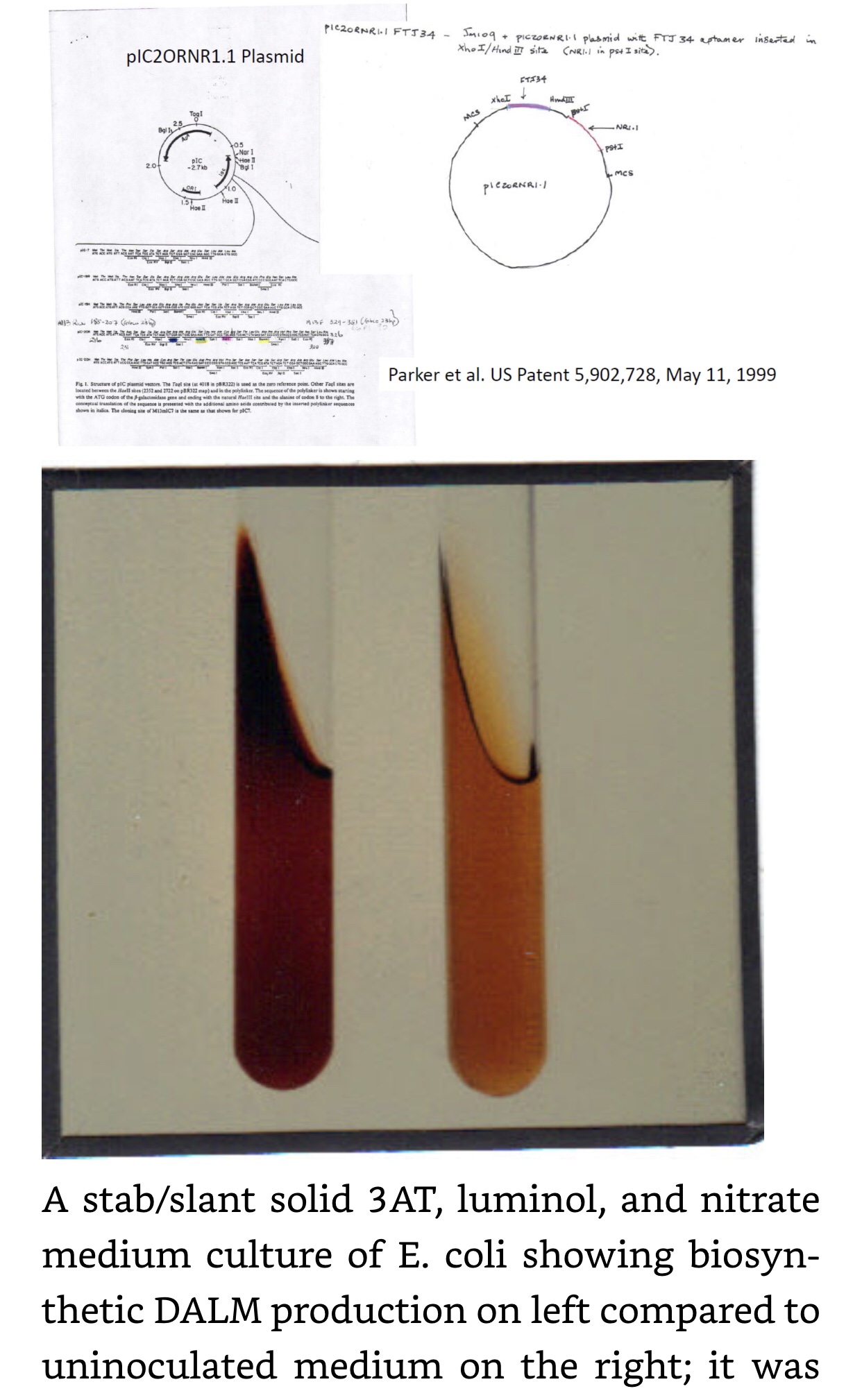
The next step was to try to make DALM from feedstock chemicals fed to bacteria that have inducible nitrate reductase. When this process was not totally satisfactory, genetic modification with plasmids delivered by electroporation or calcium phosphate was tried and succeeded in enhancing the production of DALM. This even worked with mammalian and human cells harboring nitric oxide producing enzymes (nitric oxide synthase, NOS) which could integrate with a component of the barley plant nitrate reductase to enhance both their activities simultaneously.

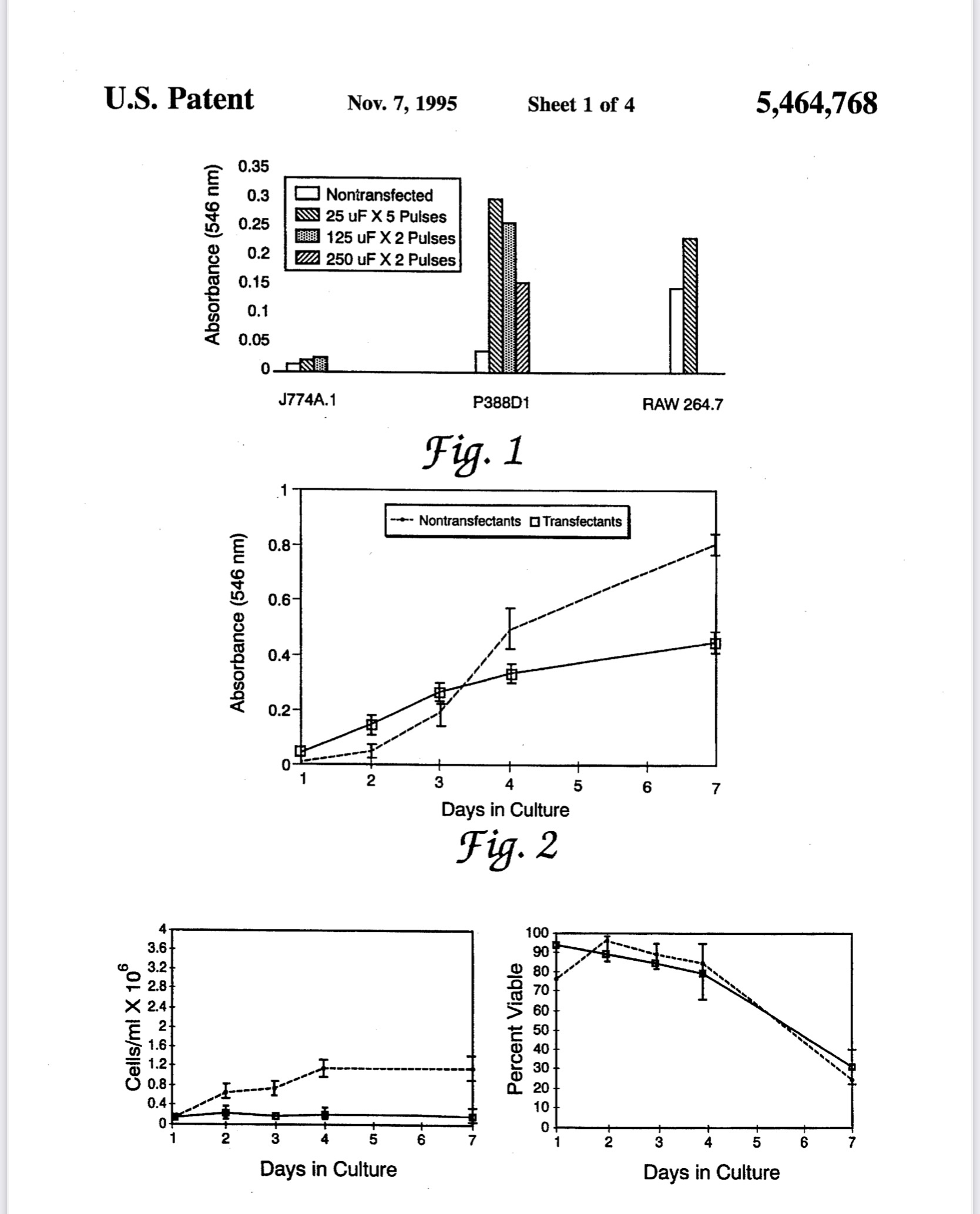
Nitrite production by electroporatically transfected cells measured by Griess Reagent absorption of 546 nm visible light.
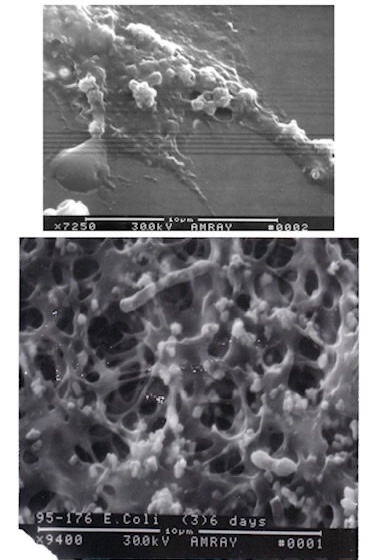
Human HeLa (top) cells (HeLa NR1 ATCC ® CRL-13011™ Homo sapiens cervix adenocarcino: https://www.atcc.org/Products/All/CRL-13011.aspx) and E. coli bacteria producing nanoparticles (white particles) after transfection and transformation, respectively, with the appropriate plasmid vectors of barley nitrate reductase components and fed feedstock for DALM biosynthesis.
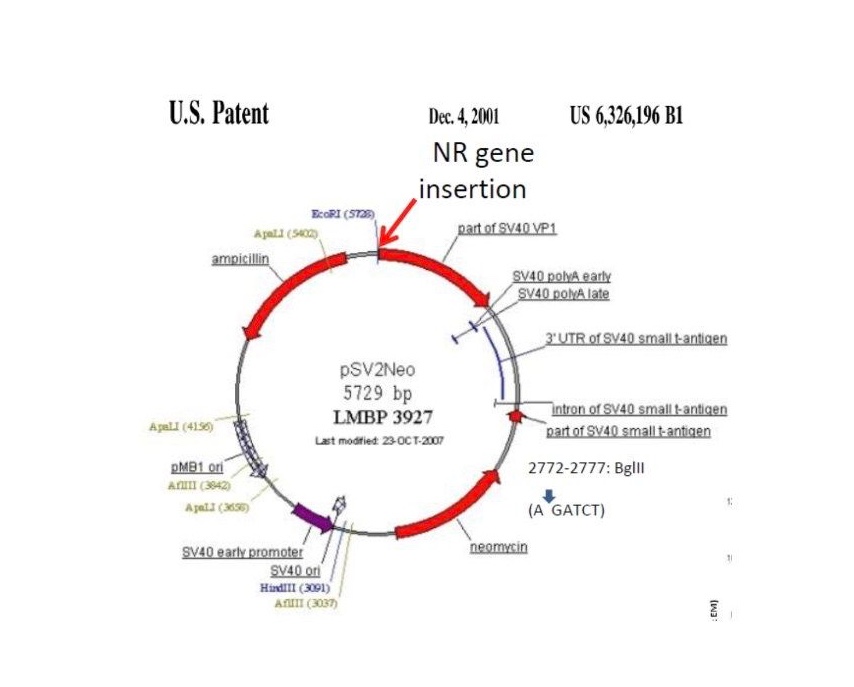
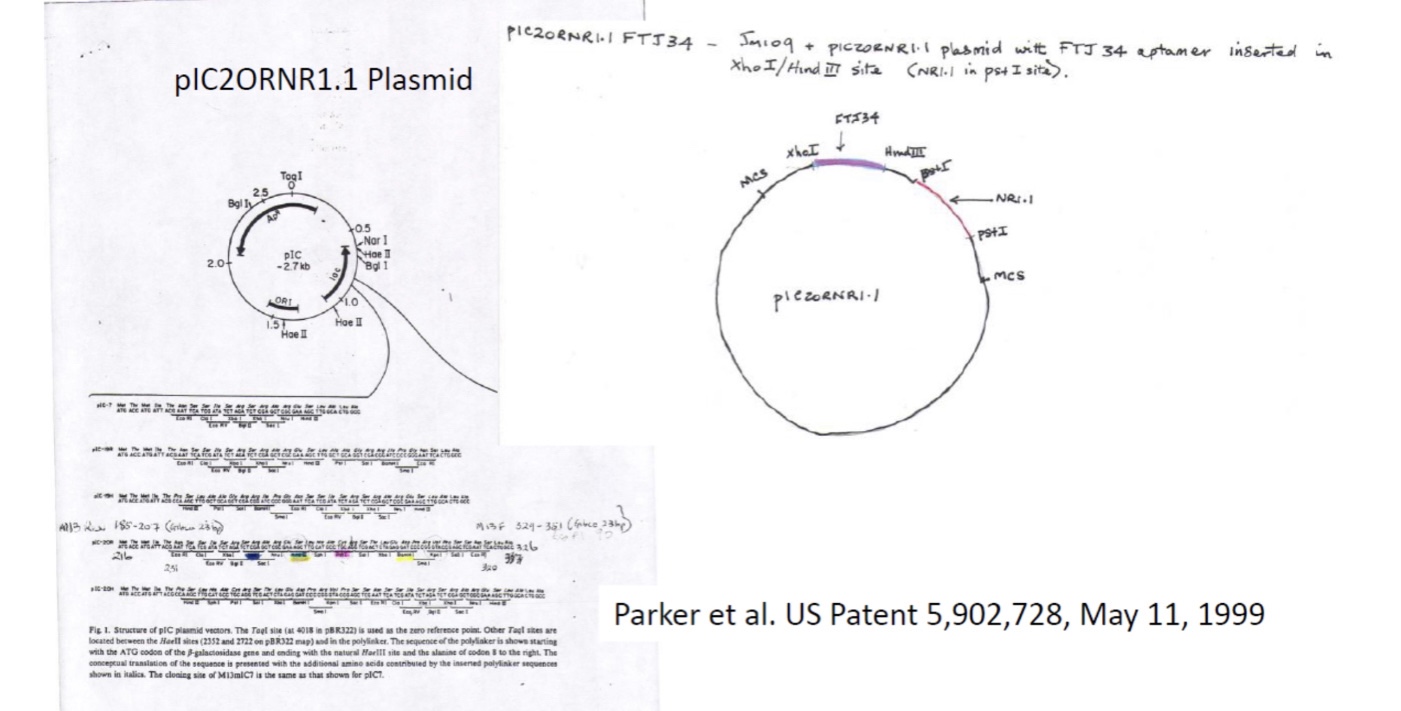
Plasmid used in HeLa cells (HeLaNR1) to make them biosynthsize DALM and DALM nanoparticles. The presence of SV40 genes allows for integration into the host genome and what has made ATCC concerned about licensing the cell line’s use and that it be handled in a BSL-2—because of the potential of transfer of “infectious” viral oncogenic material.

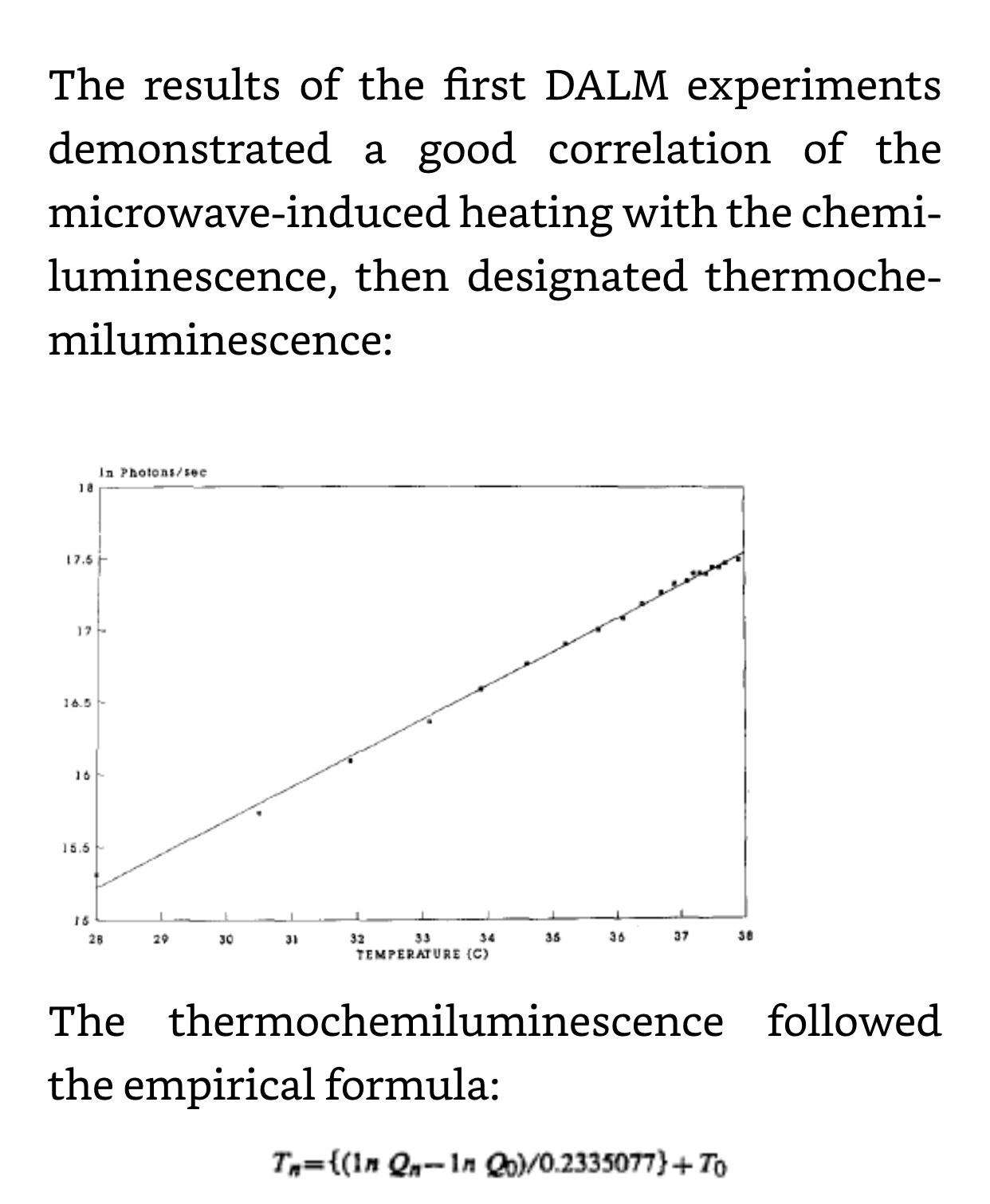
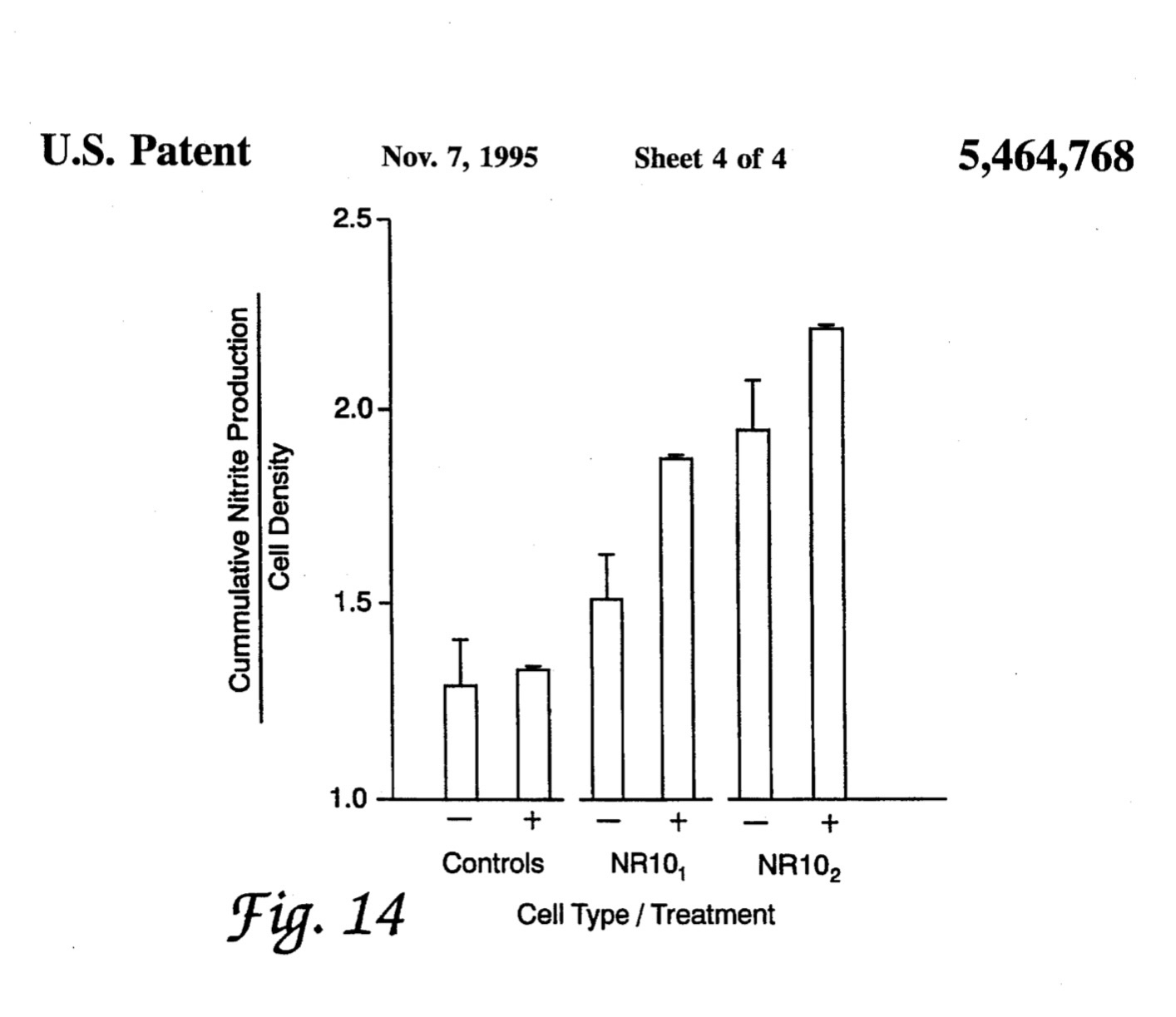
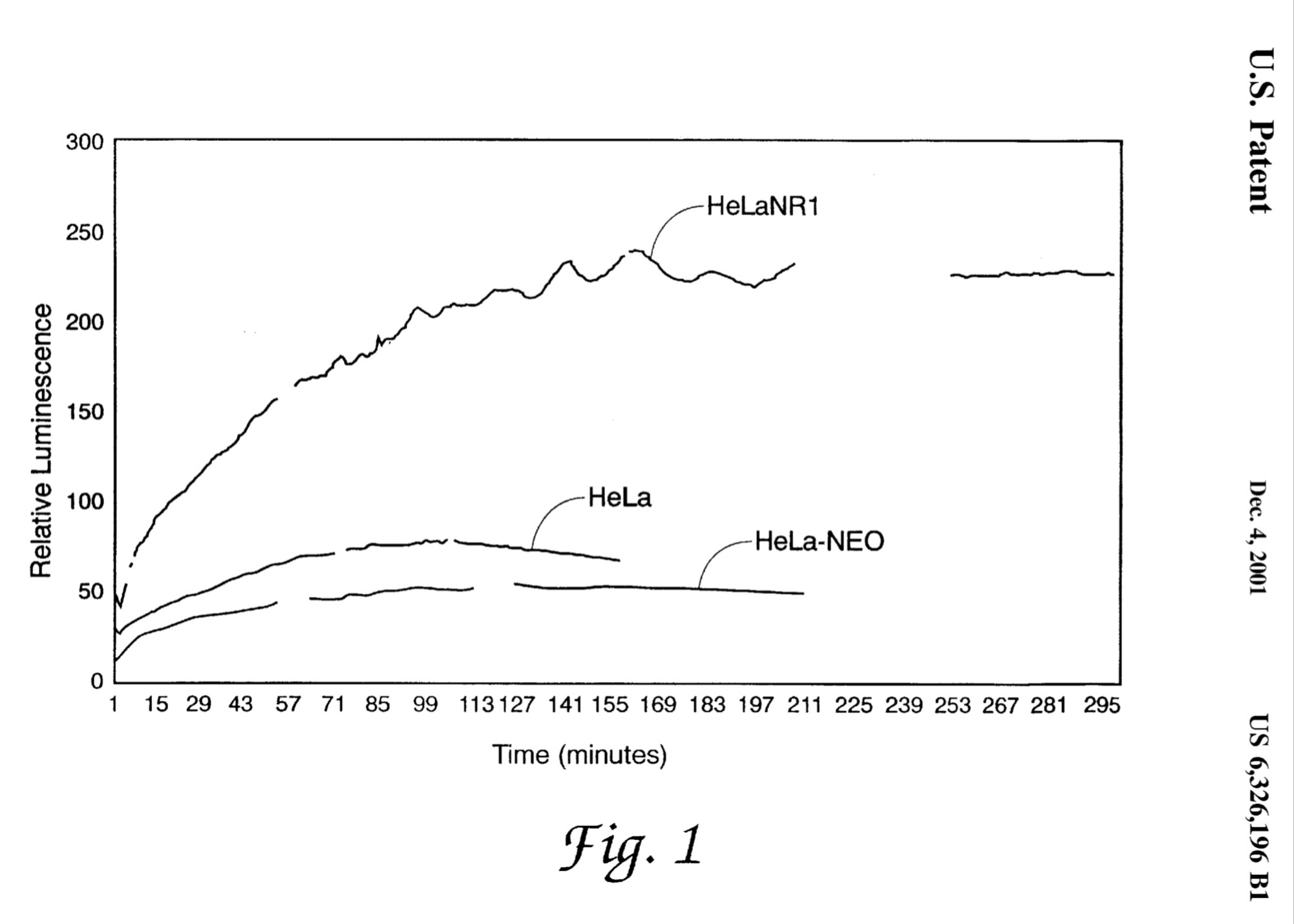
Thermochemiluminescence of oxidizing biosynthetic DALM made by transfected HeLaNR1 cells compared to controls.
The plasmid used in E. Coli to produce DALM nanoparticle DNA transformation vectors.
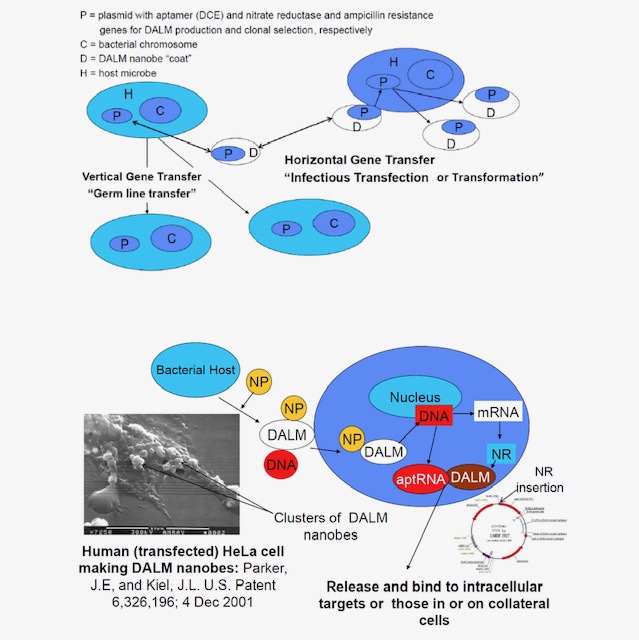
Schematics of nucleic acid (plasmids and mRNA) coating and transfer by biosynthetic DALM.
Overall design of scheme of making and delivering DALM nanoparticle vectors of expressible DNA as for vaccines.
HeLa P6 cells showing fluorescence tracking of transfecting nanoparticles to nucleus
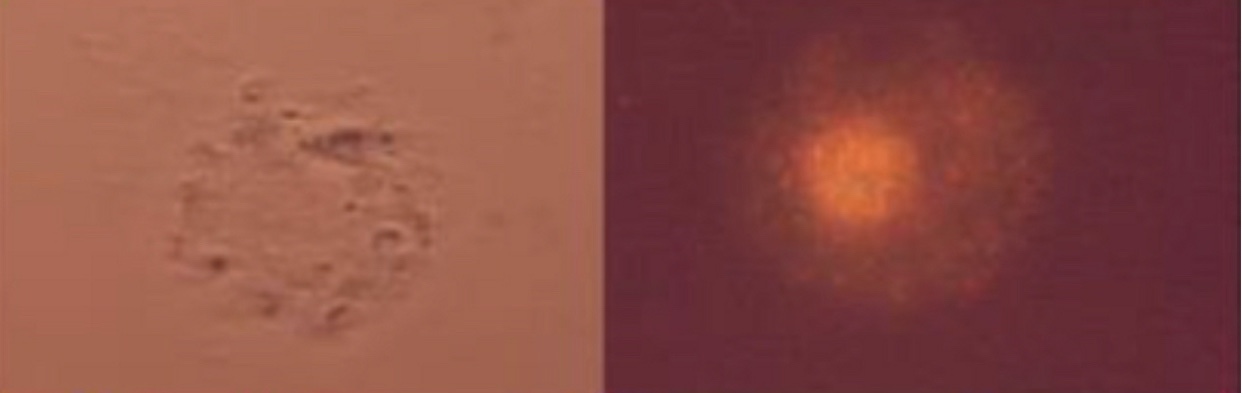
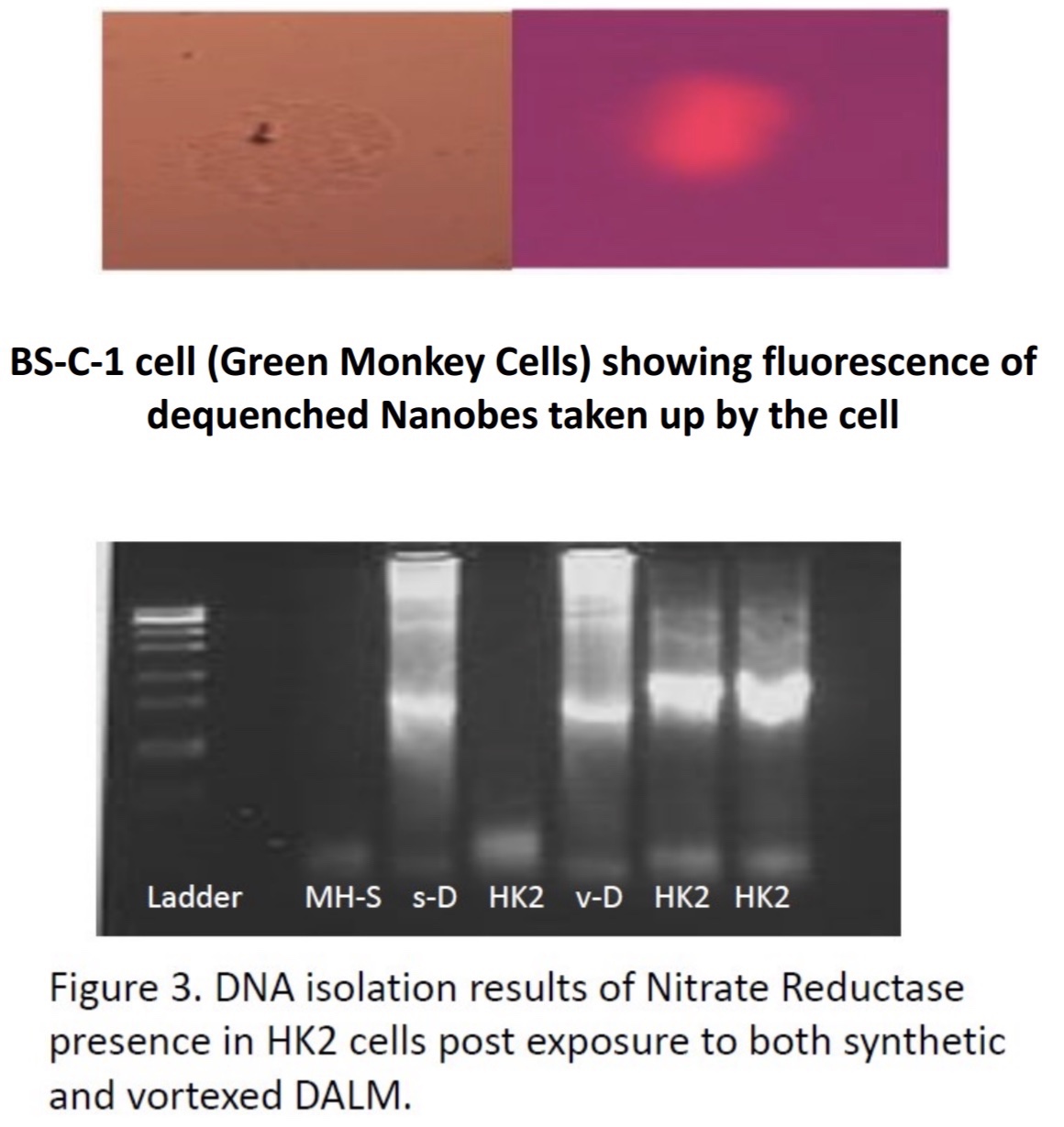
Showing tracing fluorescent Nanobes (DALM nanoparticles) carrying transfecting DNA and resulting PCR demonstrating presence of vectored DNA in human kidney cells (HK2). These results show that DALM vectors do not require an electric field to be taken up into human cells.
Freeze-dried DALM nanoparticle vectors which were still functional after 4+ years storage at room temperature and ambient light in the lab.
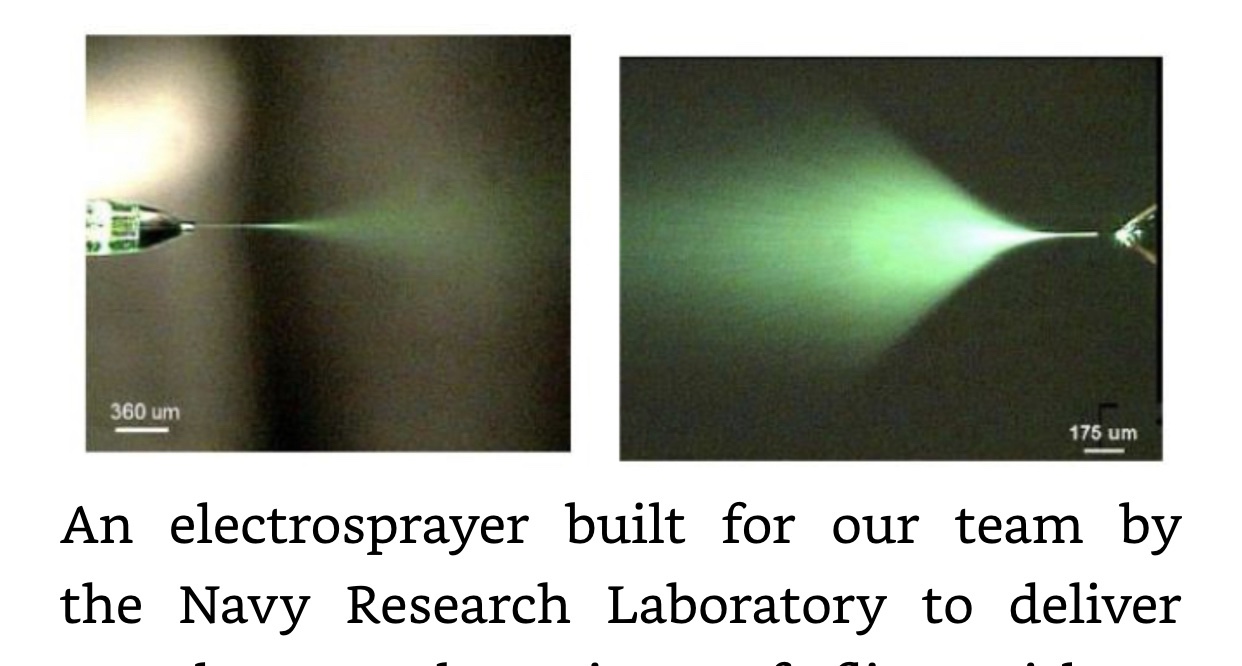
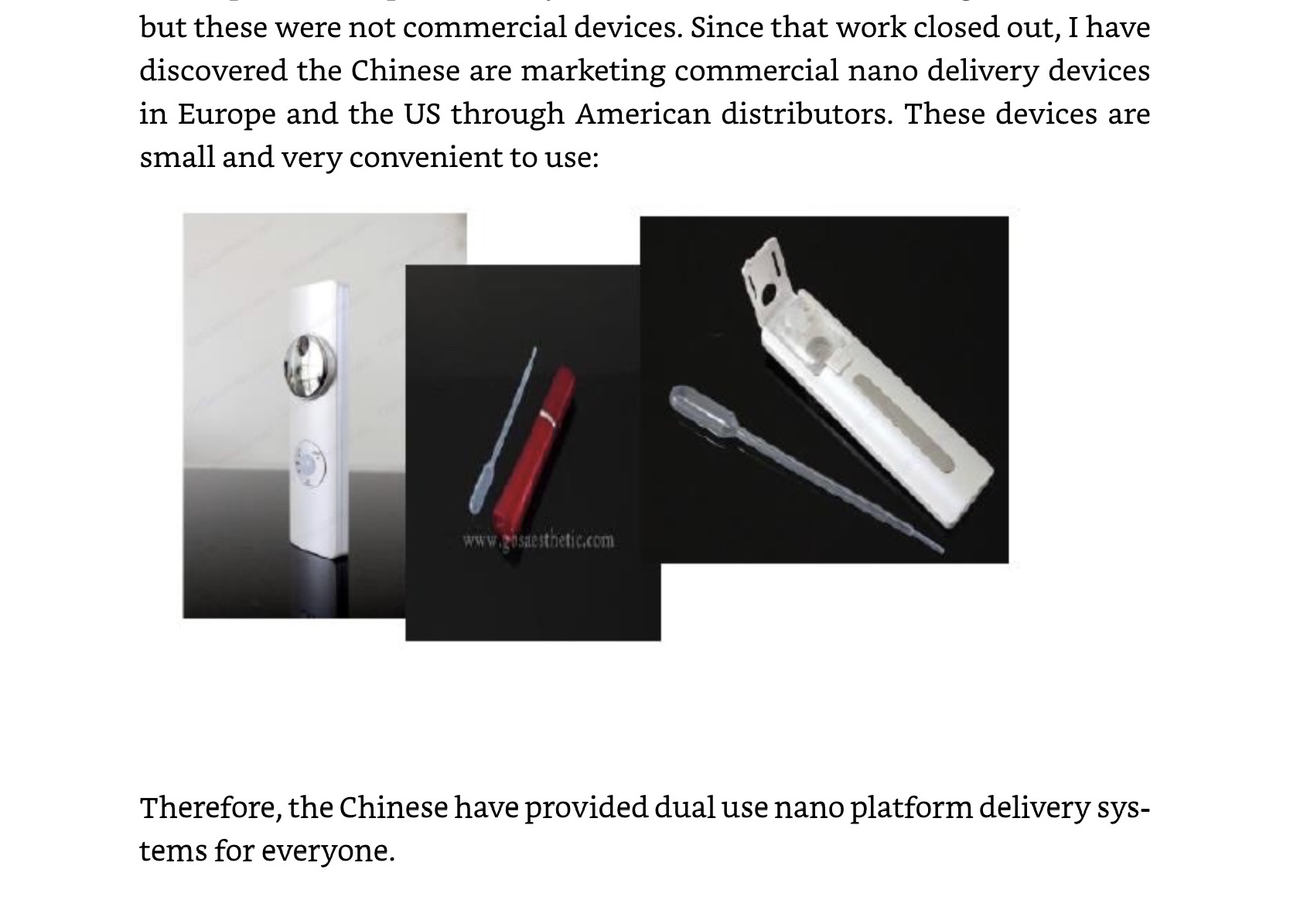
These commercially available nanosprayers could facilitate the transdermal transfer of DALM nanoparticle vectors for clinical use as for DNA plasmid vaccination; similar devices could be used for inoculation by inhalation.

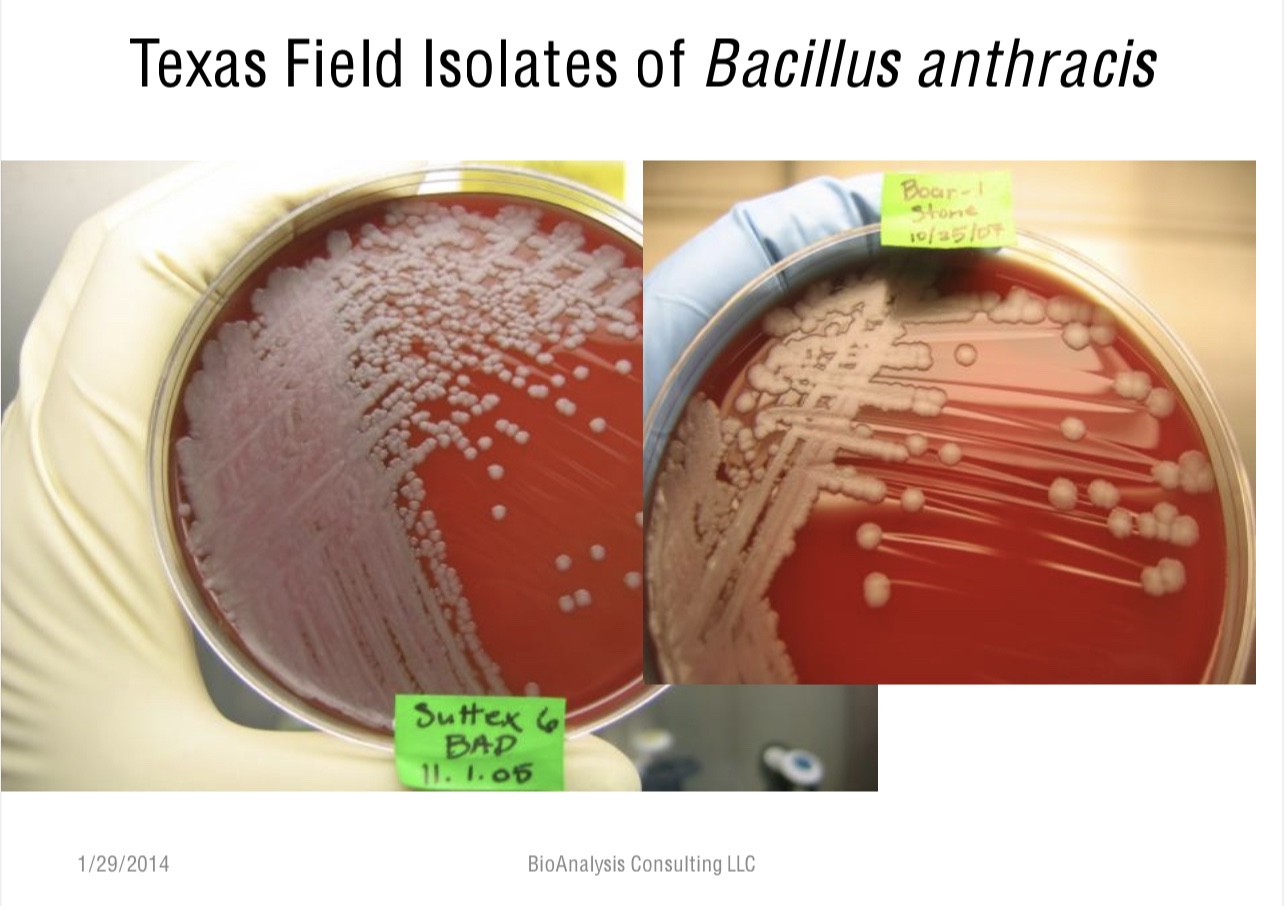
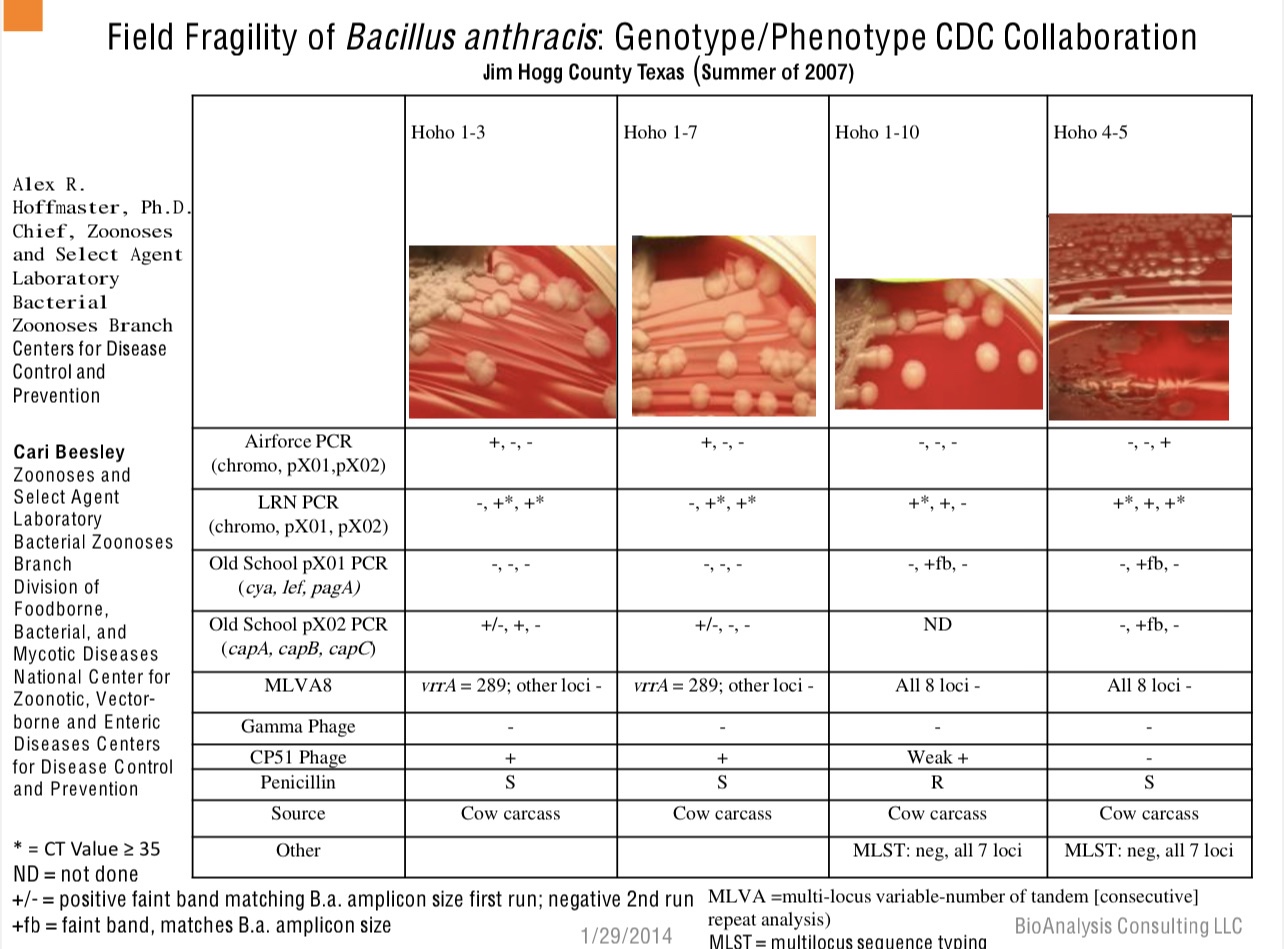
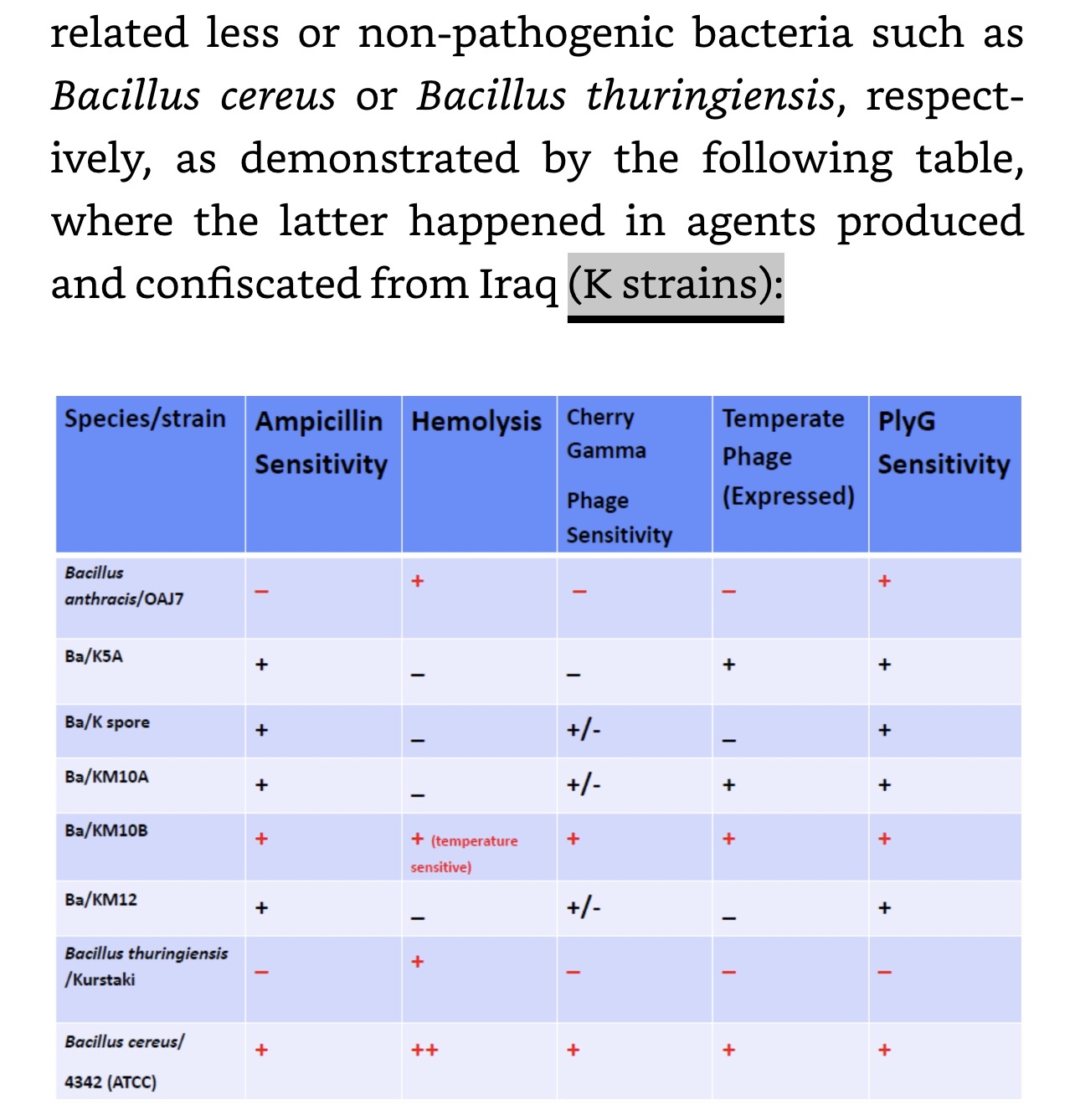
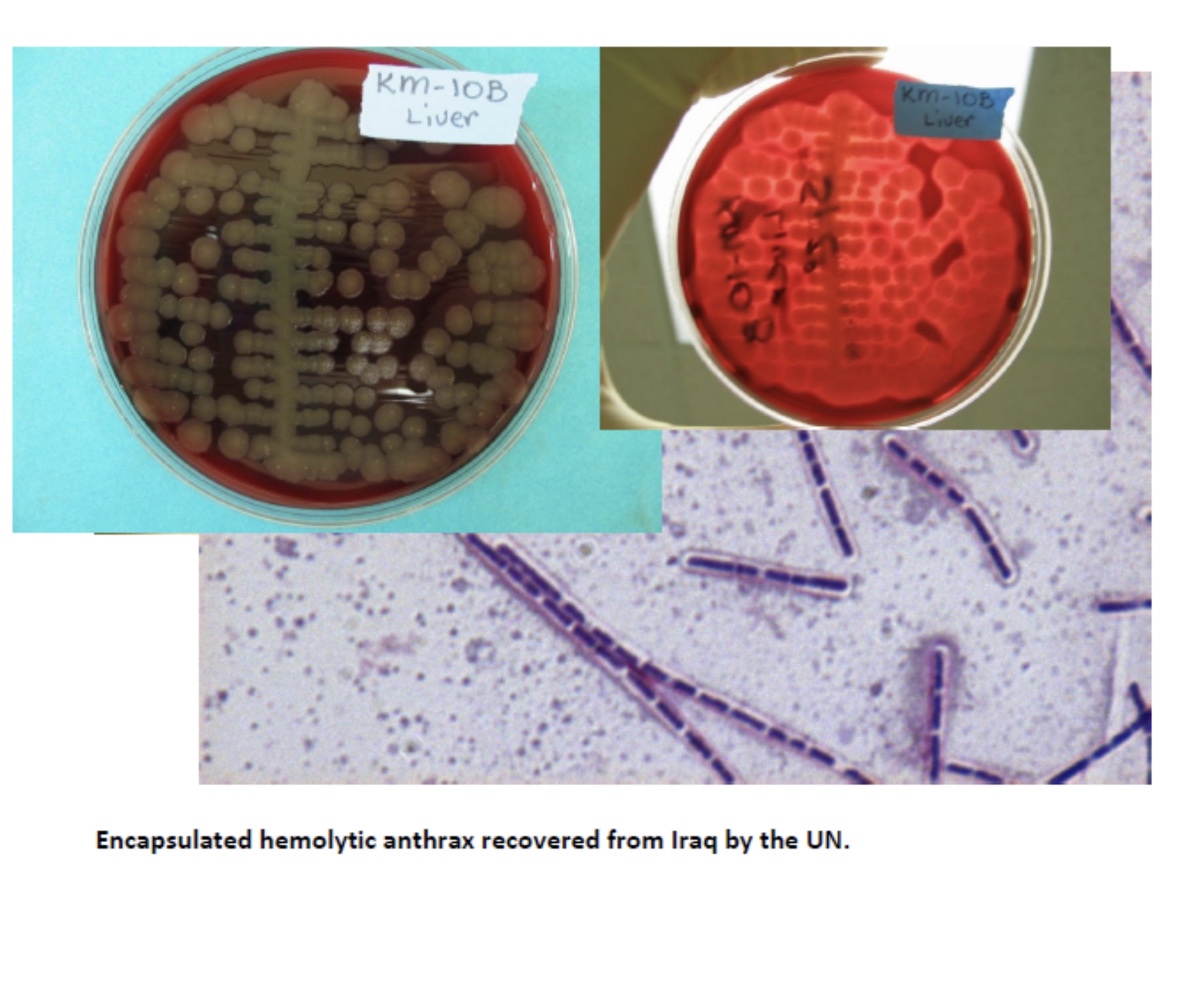
Plasmids transferred to target cells with DALM nanoparticle vectors have demonstrated desired functional transfer such as antibiotic resistance for clonal selection, antimicrobial activity, and DALM nanoparticle biosynthetic capability, but also the less desirable transfer and off target effects of genome integration in mammalian and human cells (expected based on plasmid constructs used), and in bacteria, not only the clonal selection antibiotic resistance, but also the off target effects of bacteriophage resistance and hemolytic activity in a pathogen (Bacillus anthracis, anthrax). The DALM nanoparticle vector has demonstrated its broad utility as a potential plasmid DNA vaccine vector and also its ability to be manufactured by microbes’ making biosynthetic complete DALM, nanoparticle, plasmid DNA vectors for genetic transfer.

Unfinished Business: A Brilliant Idea by a Nobel Laureate for Rapidly Responding to Infectious Disease and Especially COVID-19

My colleagues and I answered a call for innovative ideas to fund rapidly responding to emerging infectious disease in a timely and effective way, before COVID-19 was a thought, from The Coalition for Epidemic Preparedness Innovations (CEPI), a global partnership launched in 2017 to develop vaccines to stop future epidemics. We were flatly turned down. CARB-X was launched July 28, 2016, by two divisions of the US Department of Health and Human Services (HHS): the Biomedical Advanced Research and Development Authority (BARDA), which is part of the Office of the Assistant Secretary for Preparedness and Response (ASPR) and the National Institute of Allergy and Infectious Diseases. We had sent in a proposal with a well-known institute to CARB-X in 2017, which was not funded. On 7 January 2020, CARB-X released a press release that CARB-X backs Centauri (a UK biotech company) to advance a new platform that combines antibiotic power with the ability to boost the immune system to fight infections caused by drug-resistant bacteria (this was invented by Dr Kary Mullis, Nobel Laureate and further improved by support from the USAF AFRL Brooks Counterproliferation Team) Centauri therapeutics.https://carb-x.org/carb-x-news/carb-x-backs-centauri-to-advance-a-new-platform-that-combines-antibiotic-power-with-the-ability-to-boost-the-immune-system-to-fight-infections-caused-by-drug-resistant-bacteria/ Combating Antibiotic-Resistant Bacteria Biopharmaceutical Accelerator (CARB-X) is a global non-profit partnership for accelerating antibacterial research to address global rising threat of drug-resistant bacteria. It controls up to US$480 million to invest, 2016-22; CARB-X funds the best science from around the world. The CARB-X portfolio is the world’s largest early development pipeline of new antibiotics, vaccines, rapid diagnostics and other products to prevent, diagnose and treat life-threatening bacterial infections. CARB-X is led by Boston University and funded by US Department of Health and Human Services Biomedical Advanced Research and Development Authority (BARDA), part of the Office of the Assistant Secretary for Preparedness and Response (ASPR), the Wellcome Trust, a global charity based in the UK working to improve health globally, Germany’s Federal Ministry of Education and Research (BMBF), the UK Government’s Global Antimicrobial Resistance Innovation Fund (UK GAMRIF), the Bill & Melinda Gates Foundation, the world’s largest foundation dedicated to improving the quality of life for individuals around the world, and receives in-kind support from National Institute of Allergy and Infectious Diseases (NIAID), part of the US National Institutes of Health (NIH). CARB-X headquarters are at Boston University School of Law. BARDA and the Gates Foundation were appealed to in 2013 and 2012, respectively, for support of the US (our proposal, submitted again to CEPI in October 2019, with Dr Mullis’s collaboration just prior to his passing on August 7, 2019) improvements in chemically programmable immunity using the Nanobe platform, but we were totally ignored by these two. How many times can a good idea be turned down? Until it becomes someone else’s.

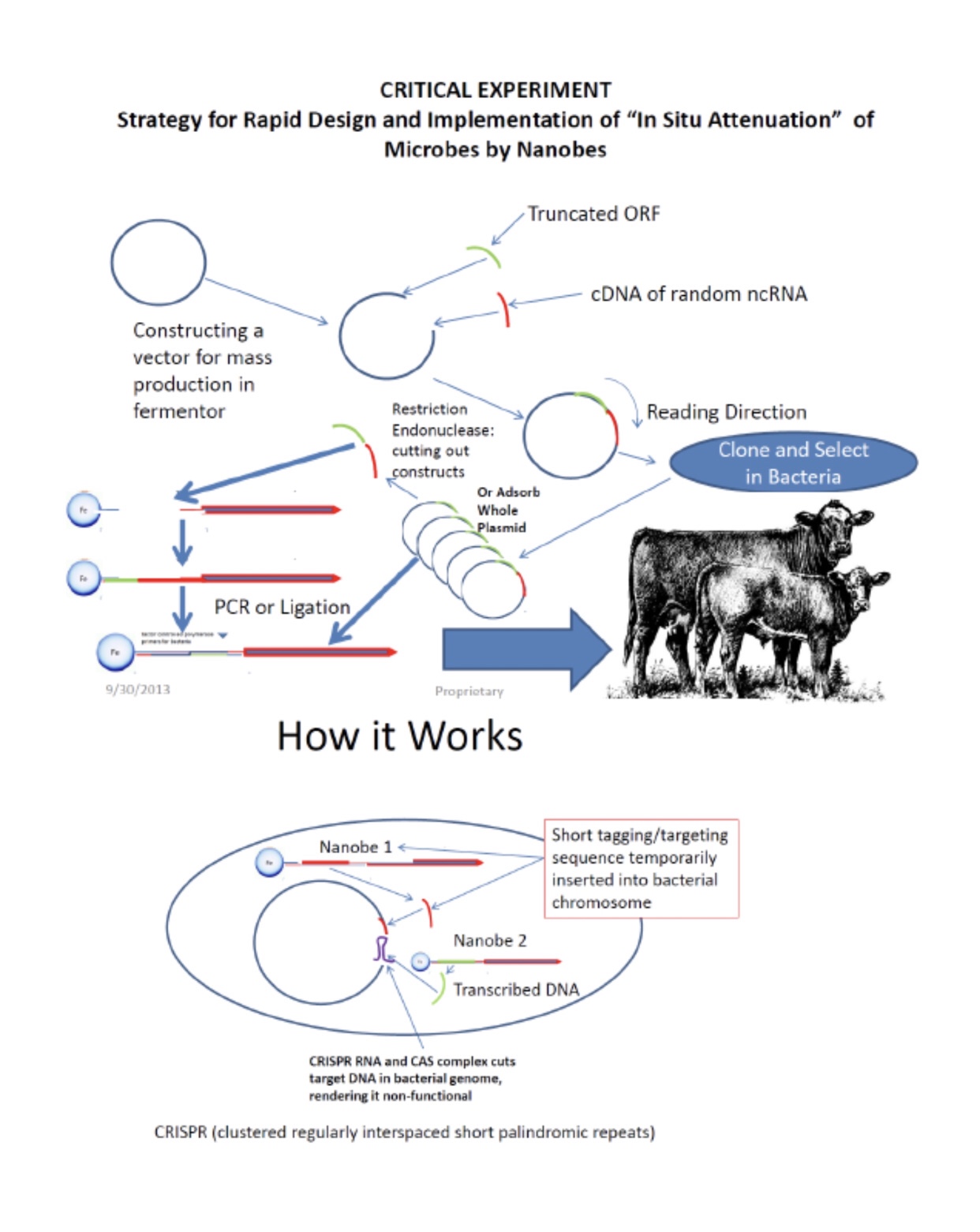
One application: Nanobe technology integrated with CRISPR to genetically neutralize bacterial or viral pathogenic genetic elements, latter if bacterial cell replaced with viral host cell
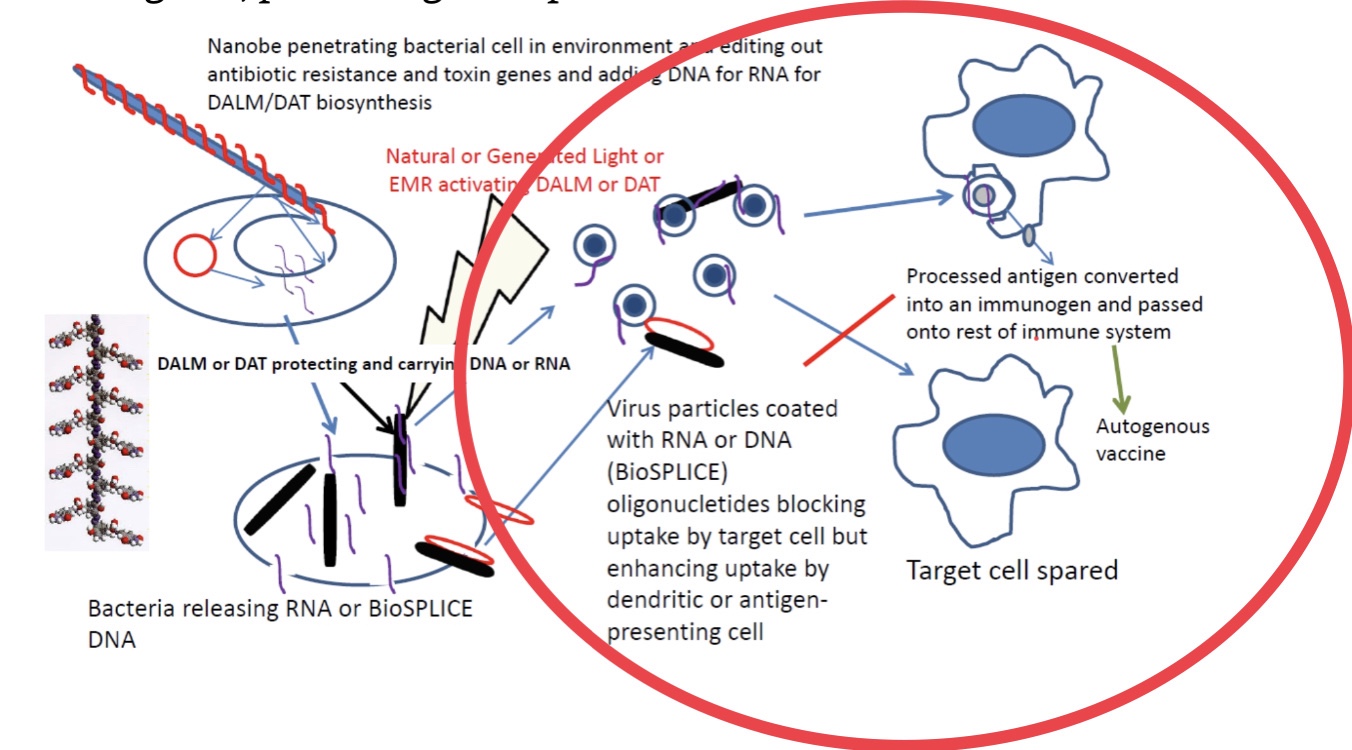
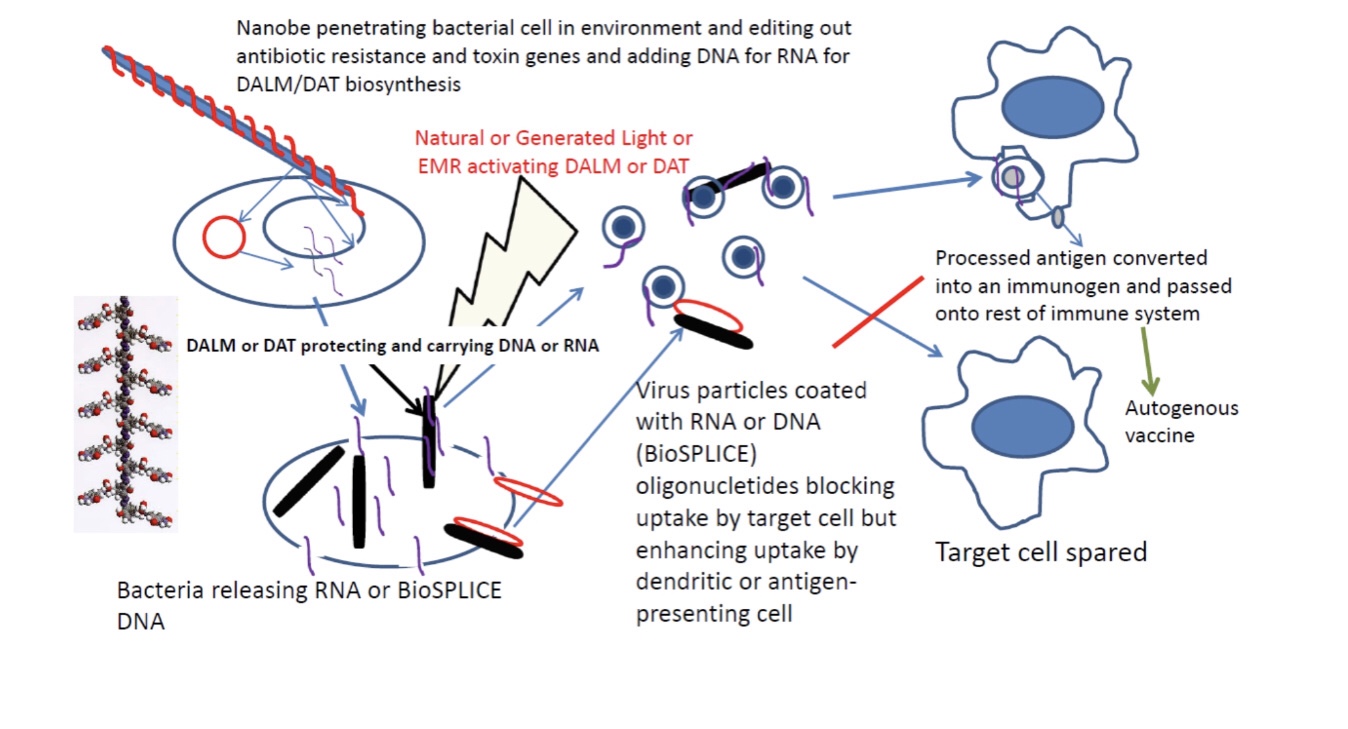
A composite diagram of antibacterial, antiviral, and vaccine-enhancing activity of the biotechnology

For CEPI:

Target pathogens
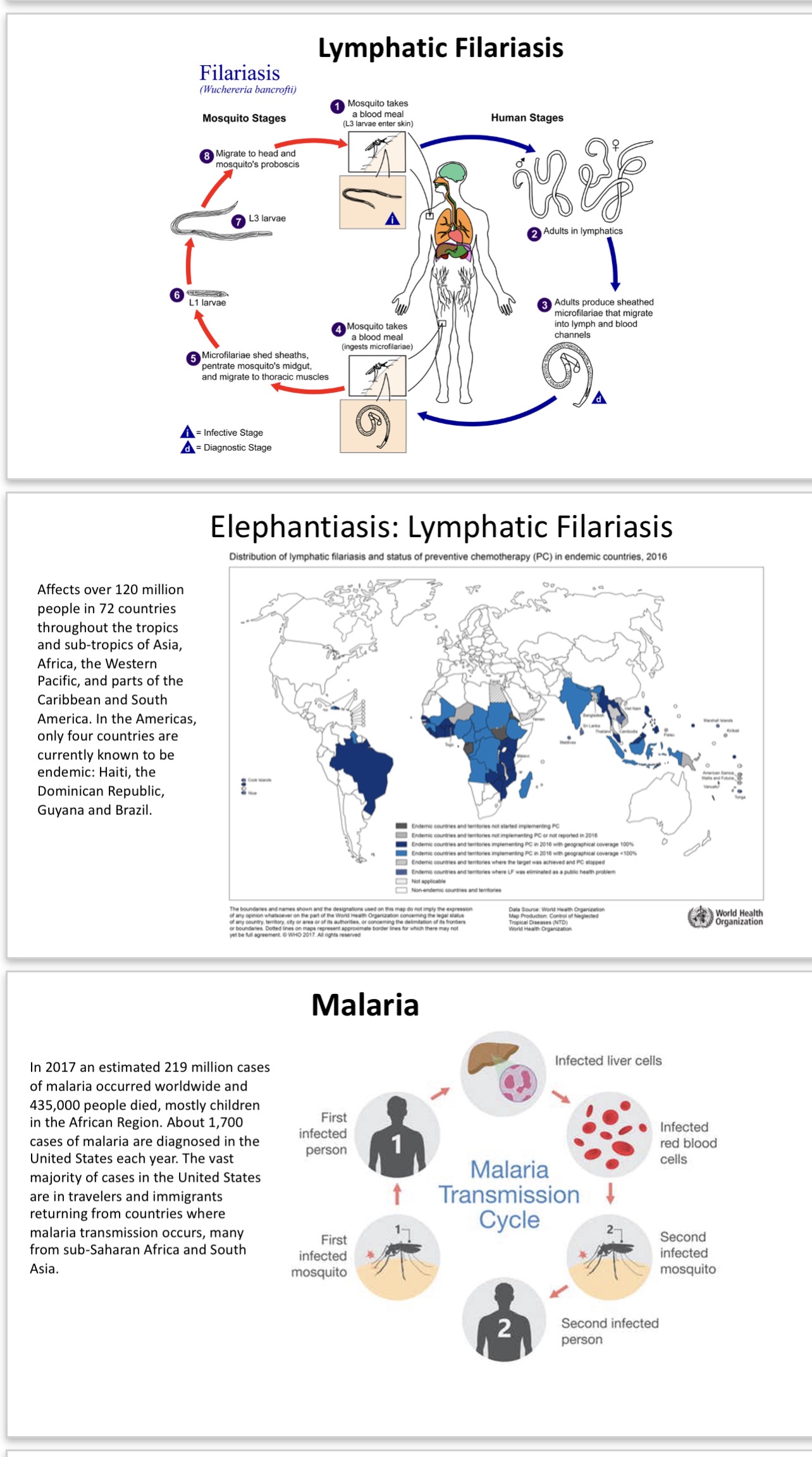
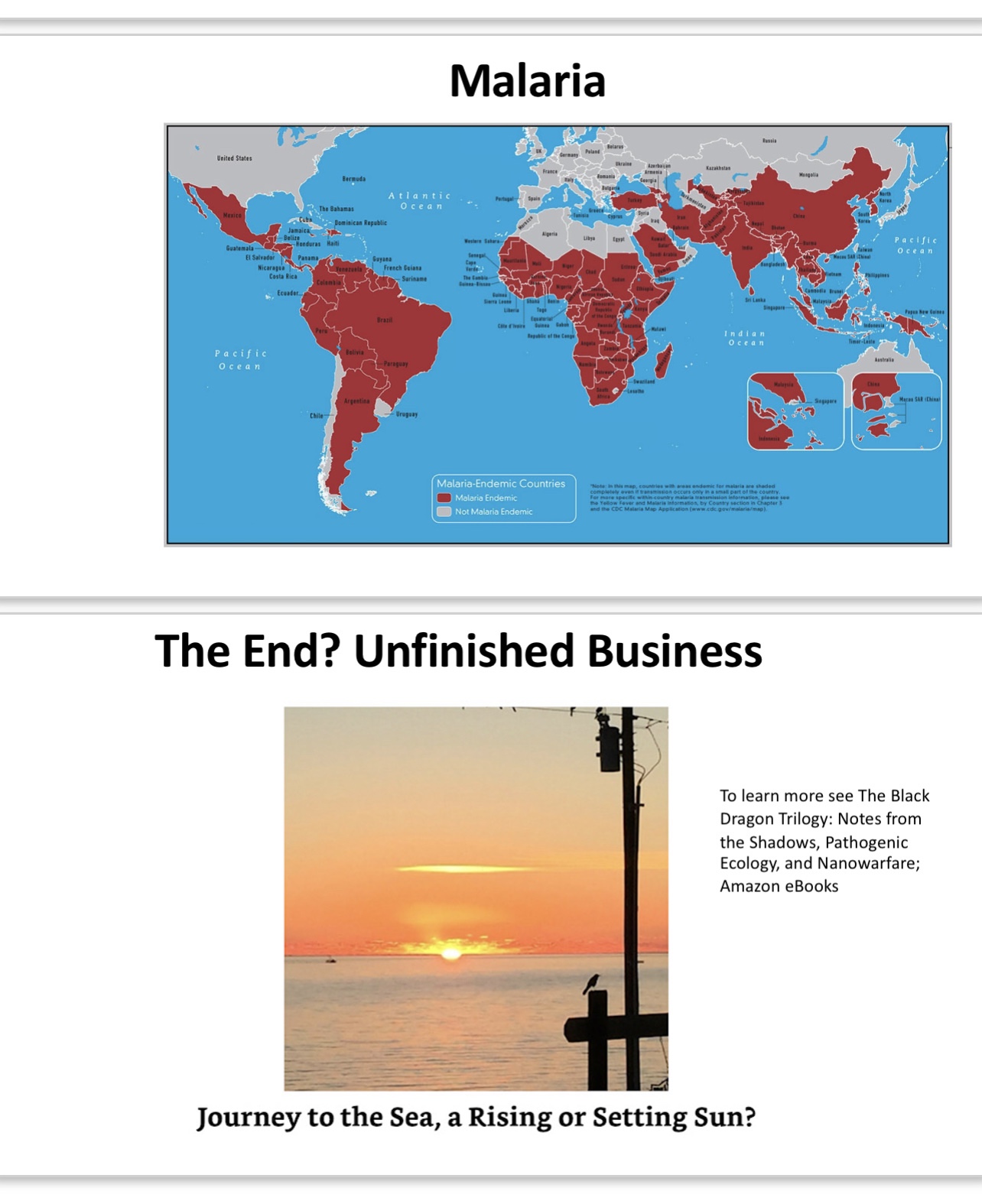
Pathogen 1: Malaria (Plasmodium falciparum and others): There is no current effective vaccine for this disease and resistance to the most effective treatment with artemisinin is spreading. However, natural resistance has been demonstrated in endemic areas in children, but the effective response requires IgM and not IgG and the target antigen galactose-alpha-1,3-galactose. Vaccines that lead to IgG response development will not be as effective as those that direct the immune system toward an IgM response to alpha gal.
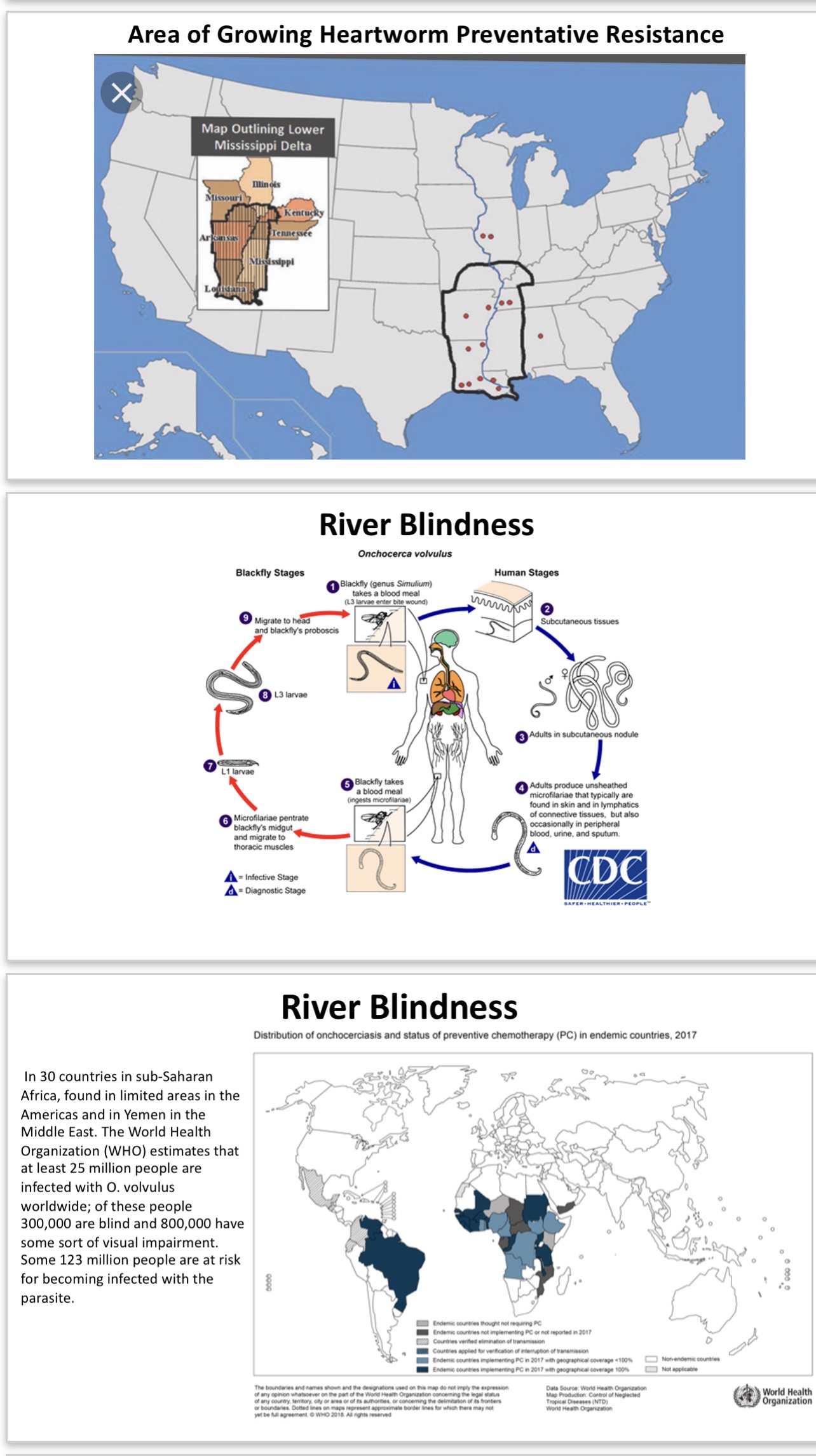
Pathogen 2: Heartworms (Dirofilaria immitis): this disease is not only pervasive in canines across the world, but the current treatment (may be called a “preventative“ but actually kills as a microfilaricide after infection but before worm maturation) uses the same macrocyclide lactones, to which resistance is developing and spreading, used in human filariasis; macrocyclide lactones are the only class of drugs currently available to treat these filarial diseases, which means the development of resistance would eliminate any effective treatment, and they involve altering or blocking the release of an antigen which interferes with the immune response to these filaria and which is effectively activated upon treatment to eliminate microfilaria. There is a robust antibody response which is interfered with by soluble antigen/antibody complex formation which could be overcome by the appropriate redirection or facilitation of immune targeting.
Pathogen 3: Dracunculus medinensis, Guinea worm; the hope to eradicate this parasite, now only in Africa, has recently shown signs of failure after finding that the once thought to be rare infection in dogs (over a thousand infected dogs discovered) is now commonly present in them in Chad. This infection of dogs in areas of re-emerging human infection allows for studies of the platform response in dogs under field conditions which would be most relevant to concurrent human disease.

A Prophet in His Own Land: No Place at the Table: Blast from the Past: Why I Once Loved what I Did

From: John Kiel
Sent: Tuesday, February 06, 2007 8:41 PM

Cc: Kiel, Johnathan L Civ AFRL/HEPC
Subject: Re: Pulse Article – Texas Tech University Health Sciences Center


Dr. Kiel,


I hope you enjoyed the previous issue of Pulse I mailed last week. I am looking forward to working with you!


Below you will find several questions regarding you, your job and how you arrived where you are in your life today. Please feel free to add any additional information you feel would be helpful. Once I have your answers if I don’t need further information I will draft the article and send it to you for your review. Our first draft deadline is February 19th.


Thank you again for your help!


Where are you from? I was born in Houston, TX and grew up there, although my Mother is British and I spent some summers as a child with my Grandparents in St Helens outside of Liverpool UK  (UK is kind of my second home).


What other degrees do you hold? BS (Texas A&M, veterinary science, 1973); DVM (Texas A&M School of Veterinary Medicine, veterinary medicine, 1974); PhD (TTUHSC, interdisciplinary in biochemistry and microbiology, 1981)


Why did you choose TTUHSC? Originally, because of a wound healing research program at TTUHSC that I saw in an advertisement on a bulletin board at Indiana University, Kokomo, Indiana, when I was taking classes there in calculus, during my duty as a USAF Base Veterinarian on Grissom AFB, Indiana, Peru, Indiana; when I got to TTUHSC, the program was no longer in effect, so I shifted to the anti-tumor effects of granulocyte and macrophage oxidase/peroxidase systems.


Who did you study under? Johannes Everse (Dept of Biochemistry) and Stanley S. Lefkowitz ( Dept of Microbiology; I believe he is now at University of South Florida, Tampa, FL, on the faculty of the Dept of Microbiology and Immunology).


Describe your experience here. It was very intense and stimulating. I was among the first of the PhD students at TTUHSC and maybe the very first inter-departmental interdisciplinary student. The USAF demanded that under the Civilian Institutions Air Force Institute of Technology Program that I complete my PhD in 3 years; I did so with a six month extension (in 3 ½ years); I believe this might be some kind of record of a single subject PhD, much less a double major PhD.


What did you like or not like about the university and or your experience? I didn’t like the hail, dust storms and the tornadoes; I did like the small town atmosphere for my wife and children and the flexibility of the university in accommodating my educational needs as a USAF military officer assigned to a civilian university; I especially liked the Chemistry Department courses on the main campus and the highly intellectually stimulating environment of the Dept of Biochemistry at TTUHSC; I also enjoyed working with the Dept of Surgery in the Medical School; we gave lectures together to local AMA branches on venomous snakebite treatment (another one of my avocations—venomous snake herpetology).


How did you come to choose medical biochemistry and what drove you to get your PhD? Although I had been on faculty, after my graduation from the Vet School at A&M, as an instructor of pathogenic bacteriology, before going into the military, I thought that pathogenic microbiology was on its way out in the late 70s early 80s; boy was I wrong, with the advent of AIDS (HIV), and other emerging infectious disease, this attitude completely changed (after I graduated from TTUHSC); so I decided to look at biochemistry as a way to unravel the mystery of why white blood cells would make free radicals to kill cancer cells (or infectious agents, but I focused on cancer because that was where the grant support was coming from for my graduate advisor in biochem), when such free radicals probably originally caused the genetic damage that led to the cancer in the first place (and aging as well). In the long run, my interdisciplinary education and approach has led to many opportunities within my military and scientific career to see interactions among many militarily and medically relevant “stressor” interactions—radiation, chemical and biological.


What is your rank and/or title? I am the Senior Scientist for Counterproliferation (a Brigadier General Civilian Equivalent in USAF) for the Human Effectiveness Directorate of the Air Force Research Laboratory


What do you do for the Air Force and why do you enjoy it? I mentor and lead a research team and serve as the USAF’s senior advisor on preventing and countering biological warfare and bioterrorism attacks through non-medical means (not vaccines or therapeutics, although we have spin-off research in this area). I like working with a team, like the conductor of an orchestra with very skilled, mature researchers being the concert masters or first violins. I prefer the group approach as opposed to the individual investigator approach, although I also enjoy having young people enter our group. They come as summer students, post docs, or in collaborative graduate study programs with various universities. I also enjoy “making a difference” in the defense of my country and its civilian population (especially in the case of preventing bioterrorist attacks).


I noticed that your research varies considerably in topic. Is that a result of your job role or are you interested in a myriad of topics? One of my patent attorneys once said that I was a “consummate scientist” ; I am really just a person with insatiable curiosity and interested in learning anything new in science—whether it is biochemistry, microbiology, physics, astronomy or engineering—I guess I am just a generalist or at worst a megalomaniac.


Are there any unique experiences that you’ve had in life you’d like to share? In 2005, I traveled around the world from West (from San Antonio) to East through Dublin, Ireland; the Netherlands; Hong Kong; Hanoi, Vietnam; Korea; San Francisco; and back to San Antonio in 2 weeks. In my last 10 years, I have traveled almost every month. My wife says I have learned to like every place I visit (and especially the one I visited last). These experiences have made me greatly appreciate, and respect other peoples, cultures, and countries, and has led to many gratifying professional international collaborations and interesting experiences abroad. Someday I will write a book about it.

Dr. Kiel,


Thank you for getting this back to me so quickly. I wanted to run something by you. It seems to me based on your answers that I have come across a diamond in the rough.


In this issue of Pulse I am also writing a four page feature story on alumni of the Health Sciences Center who are working in uncommon avenues of health care. I have already started contacting graduates who I knew fit in that category and I believe after what I just read you would be perfect to include in this feature as well.


If you are open to this, I would like to look for another Graduate School of Biomedical Sciences alum to feature in our alumni feature section (the one page features toward the back of the magazine) and move you to my uncommon occupations article instead.


I know you are busy and travel frequently but I will be happy to work with you in any way I can. Because the feature is much more in depth I may have some additional questions.

Let me know what you think. Thanks!

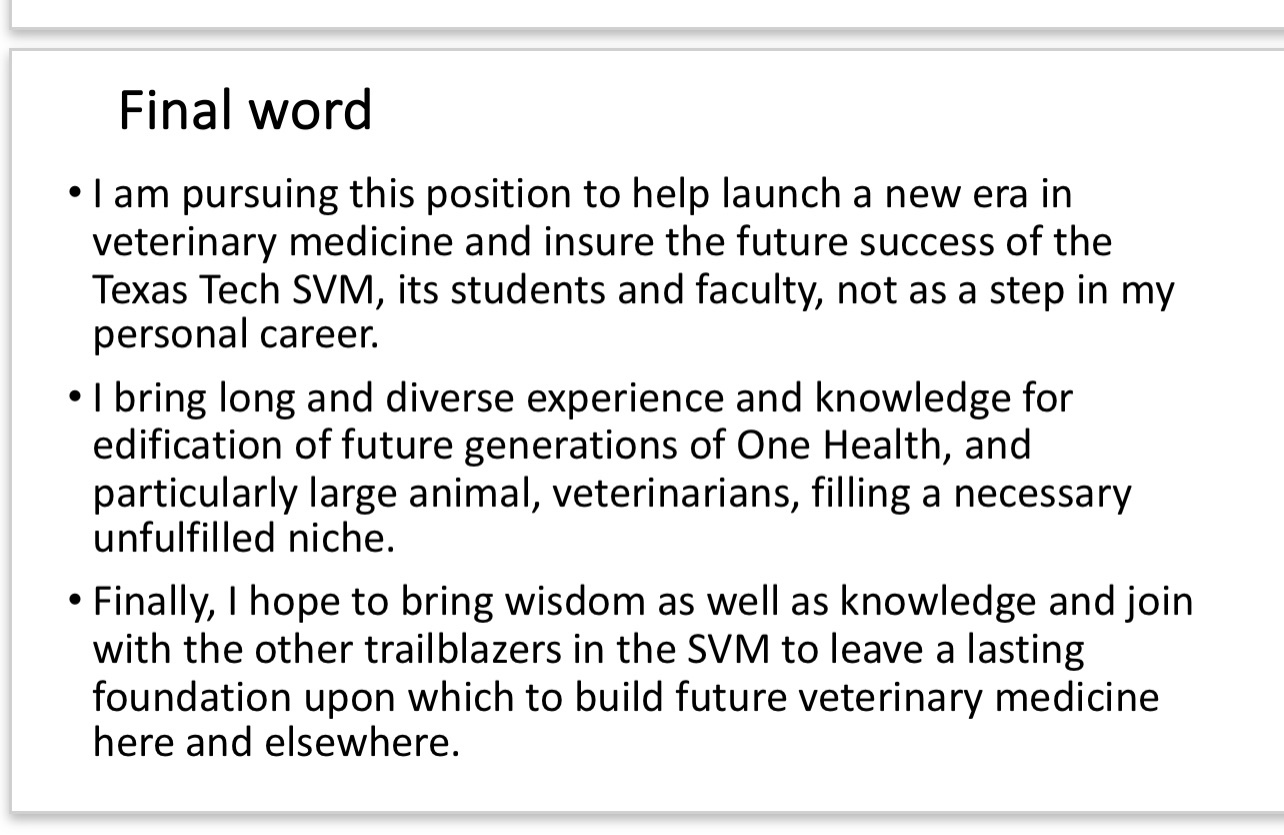
Associate Dean of Research Candidate, Johnathan Kiel, will have an interview with the Dean of the Texas Tech University School of Veterinary Medicine, 6/16/21:

8/21/21 Dear Johnathan,

Thank you for your interest in Texas Tech University and for the time you invested in applying for the position of Associate Academic Dean of Research 22120BR.

We appreciate the opportunity to speak with you and learn more about your qualifications. After careful consideration, we have selected another candidate for this position. We encourage you to continue to check our website for positions that interest you. To access submitted applications for other positions, please visit us at www.workattexastech.com.

Log-in using your username and password:

  • Click Candidate Zone.
  • Selected Dashboard.
  • Applications submitted are listed under Submitted Applications.

We wish you the best of luck with your job search and your future professional endeavors.

Sincerely, Texas Tech Human Resources


Antibody Dependent Enhancement Fears of Vaccination Re-visited: Peeking Behind the Curtain: New Insight into How the Immune System Makes a Choice in COVID-19

The Antibody Dependent Enhancement (ADE) process is usually seen with antibody that is not against the primary receptor binding protein, non-neutralizing antibodies; like with whole virus inducing many different types of antibodies which do not neutralize the virus. The uptake by a cell is enhanced by the Fc portion of the antibody binding to a Fc receptor on the cell (macrophages where the virus replicates).This complement binding portion of antibody also activates the complement cascade that non-specifically destroys microbes. In viruses like SARS-CoV-2 which can induce anti-complement antibodies then the whole virus can induce Fc receptor activated inflammation without killing the virus. Dengue vaccines exacerbate disease when vaccinated for one strain followed by infection with another different strain, but not neutralized by the vaccine induced antibodies. The CMV virus is a herpes virus all of which are never cleared but only suppressed by the immune system. The current COVID vaccines are aimed at the RBP in the spike of the virus. Unlikely to cause the ADE but a whole attenuated CoV vaccine could possibly cause this as the actual viral infection followed by infection with a different strain (because of induction of non-neutralizing antibody).

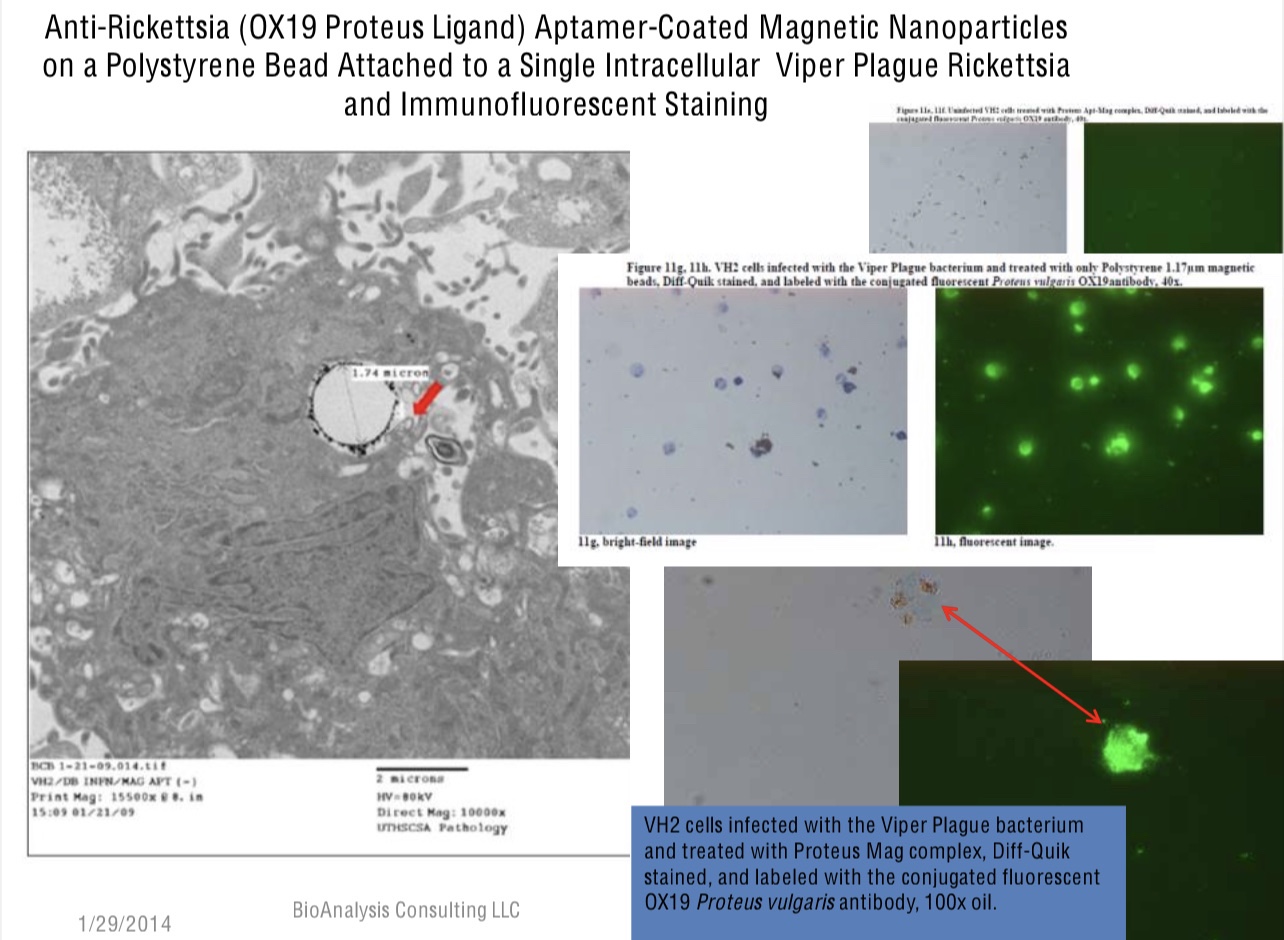
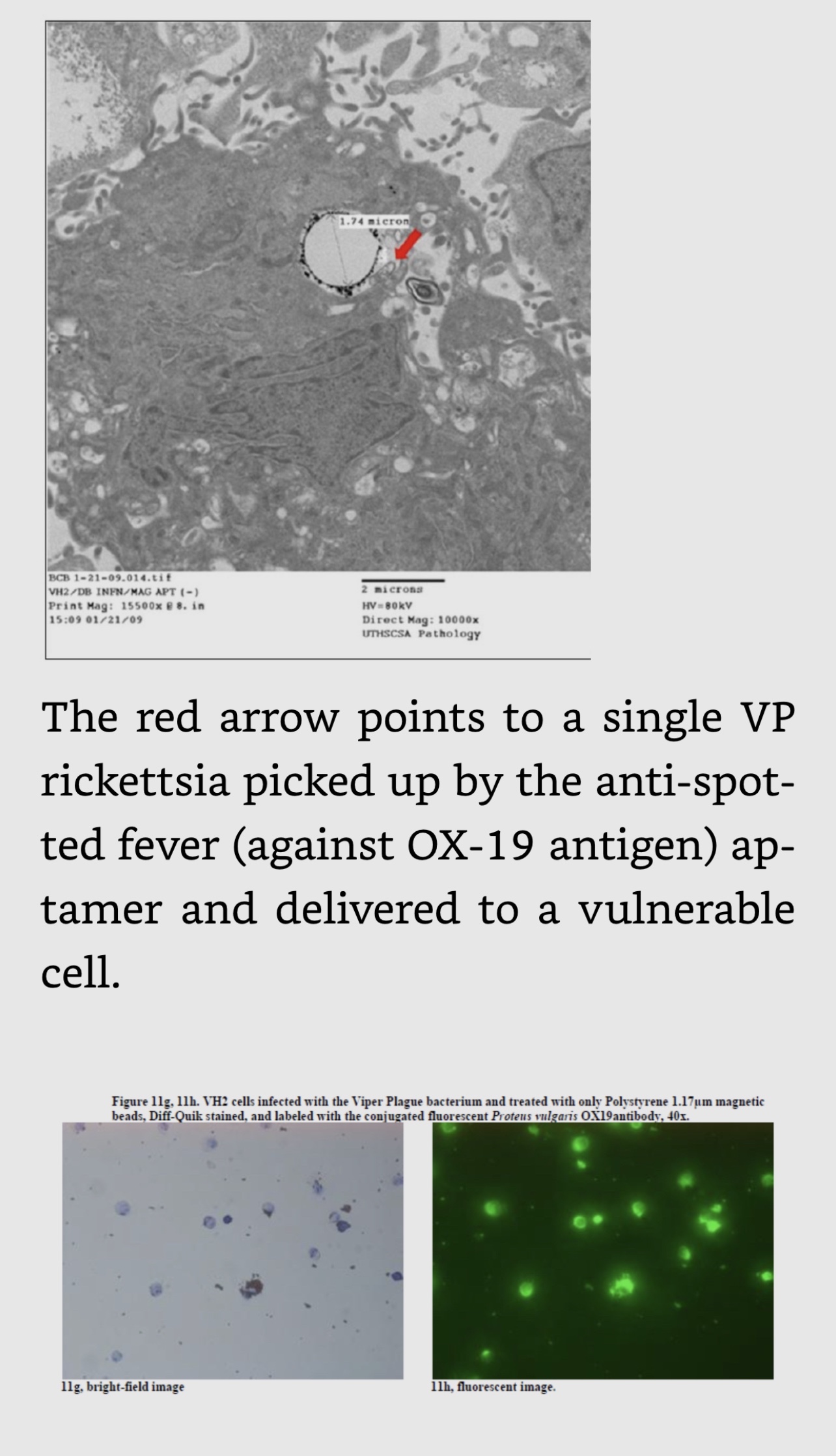
ADE has been known for a long time. It was seen in animals with SARS-1 but overcome in vaccine development. The vaccine was never needed because SARS-1 disappeared in 6 months. We even developed enhanced uptake (infection) in our lab at Brooks of an intracellular bacterium Rickettsia artificially using aptamers in place of antibody:

Recent evidence has arisen, giving at least some insight, into how the immune system can reduce COVID-19 into a mild, unimpactful infection and then, in some cases, progress into a high mortality and morbidity form. Some hint was given by its early history of causing a mild phase progressing into a severe phase after 10-12 days of symptomatic infection, if including 2 days or more of asymptomatic infection, about the length of time (14 days or more) to develop a full humoral response. The most compelling case is for the development of humoral autoimmunity, autoantibody. Patients with life-threatening COVID-19 pneumonia have neutralizing IgG autoantibodies against Interferon-ω, the 13 types of interferon-α, or both, at the beginning of severe disease; a few also have autoantibodies against the other three type I Interferons. The autoantibodies neutralize the ability of the type I interferons to block SARS-CoV-2 infection in cell cultures. These autoantibodies are not found in those with asymptomatic or mild SARS-CoV-2 infection and only rarely in healthy individuals https://science.sciencemag.org/content/sci/early/2020/09/23/science.abd4585.full.pdf. This mechanism also explains the Kawasaki-like syndrome, the multisystem inflammatory syndrome (MIS-C), seen on rare occasion in young children and adolescents. The development of effective and lasting immunity appears to depend on cellular-mediated immunity (CMI; largely, T lymphocytes and production of gamma interferon) https://www.biorxiv.org/content/10.1101/2020.05.26.115832v1.full.pdf. The serum concentrations of IL-17A (a protein that recruits monocytes and neutrophils to an inflammatory site) and IFN-γ, but not TNF-α or IL-6, decrease with age of patients; therefore, gamma interferon’s ability to prevent viral replication but not induce oxidative damage to host cells, as with TNF-α, is more important in children’s responses. Recent evidence supports decline in soluble IL17A receptors, which block TNF-alpha and interferon gamma production by competing with the cellular T17 lymphocyte receptor, leads to more severe COVID19 https://science.sciencemag.org/content/sci/early/2020/10/14/science.abe9403.full.pdf. Adults show a more robust T cell response to the viral spike protein compared to pediatric patients shown by increased expression of CD25+ on CD4+ T cells and the frequency of IFN-γ+CD4+ T cells. Also, serum neutralizing antibody titers and antibody-dependent cellular phagocytosis are higher in adults than in pediatric COVID-19 patients. The neutralizing antibody titer increases with age while the IL-17A and IFN-γ serum concentrations decrease. Therefore, neutralizing antibody levels alone are not sufficient to decrease severity of COVID. The first effective response to the SARS-CoV-2 virus is innate, involving the triggering of interferon 1 production (a complex of 13 proteins) leading to predominantly interferon omega, a form that recruits upregulation of the phagocytic activities of whole blood cells, macrophages and NK (Natural Killer) cell activities with decreased viral excretion https://www.karger.com/Article/Fulltext/495897#top. Type 1 interferons induce type III interferon (IFN-λ), which is primarily restricted to mucosal surfaces and is thought to confer antiviral protection without driving damaging proinflammatory responses. The interferon 1 released from infected cells prevents neighboring cells from replicating virus. The phagocytes produce NO, nitric oxide, that yields inhibition of viral replication and in greater amounts cell death, which may result in killing cells before virus can replicate, and damaging viral RNA. Greater amounts of NO can lead to swelling and further non-specific inflammation if it gets out of control. In children and those adults who recover from mild infection, the virus is eliminated by these innate and adaptive cellular immunity. If virus persists and disseminates in the lungs and other tissues, a strong humoral adaptive response may ensue. If with autoantibodies, phagocytes, with accompanying cytokine inflammation, will be directed against infected tissues, causing sepsis and perhaps death https://www.the-scientist.com/news-opinion/the-immune-hallmarks-of-severe-covid-19-67937. Antibody directed enhancement (ADE) may also ensue, wherein antibody increases viral uptake by white blood cells and endothelial cells by linking the viral bound antibody to the target cells through Fc receptors or complement component linkers/anti- ligands on the cells, and leading to more viral replication https://www.ncbi.nlm.nih.gov/pmc/articles/PMC7165974/pdf/IMR-268-340.pdf.

There may be correlates in animals. Cats get an enteric coronavirus which has little or no signs, but, in certain young cats, it becomes disseminated, causing peritonitis with lethality usually 100%. CMI provides an effective immune response that resolves the infection in the enteric, intestinal form. If it does not, a strong humoral response kicks in and selects for a more pathogenic form of the virus which infects and replicates in macrophages https://www.ncbi.nlm.nih.gov/pmc/articles/PMC7112361/pdf/main.pdf. Also, autoantibodies form. There seems to be genetic predisposition toward this resulting in peritonitis https://www.ncbi.nlm.nih.gov/pmc/articles/PMC2819880/. Peritonitis pathology involves severe systemic inflammatory damage of serosal membranes and widespread pyogranulomatous lesions in the lungs, liver, lymph tissue, and brain. The host immune system produces profound T-cell depletion from the peripheral and lymphatic tissues and changes cytokine expression. The clinical finding of hypergamma-globulinemia-associated feline infectious peritonitis is indicative of over production of antibody against an antigen which cannot be cleared, like a host cell-associated antigen. Therefore, like COVID-19, the feline coronavirus virus disease has this dichotomy, based on viral dissemination and autoantibody. The selection of the appropriate immune pathway with vaccination becomes very important to avoid adverse effects. Other viruses have had a similar warning due to overt responses, predominantly in children, resulting in hemorrhagic disease, when becoming immune (for life) to one strain but then becoming infected with another as in Dengue (4 strains), a mosquito-borne virus. The right antigen for the right vaccine must be selected to prevent such adverse effects. Another way that the viral replication and subsequent damage can be reduced is to stop or delay an overt response without altering it directly by using the anticoagulant heparin which blocks virus’ binding to the target cells https://www.cell.com/action/showPdf?pii=S0092-8674%2820%2931230-7. (No longer a viable option because of the finding of anti-heparin antibodies in COVID: COVID-19 patients often show high-titer non-platelet-activating anti-PF4/heparin IgG antibodiesJ Thromb Haemost 1 May;19(5):1294-1298.doi: 10.1111/jth.15262. Epub 2021 Apr 7).

The 2003 outbreak of severe acute respiratory syndrome (SARS) may have left some survivors with pan coronavirus neutralizing antibodies. Former SARS patients who have been vaccinated against COVID-19 appear able to defend against all extant variants of SARS-CoV-2 (https://url2151.isid.org/ss/c/TLh_csrC34X_iXpbYoMam9jBwU6UUz6NJPZ04_cCUCL3644PNl-ALRgE0mFO6PwGe5X-VMh61_QdppWA_Rt5zQzaP0DvIIfJpW6Myagfu8XJSvXPtvEIYNwaJ89jkhOm2FatxVUPahWt0W2Y-bJ3esjVNEAmyKqtVA5l4Gv-740/3el/HxrT06euQNqqGKe7EBUHdw/h2/Jo2MuHI5q-FuEA-kMgKblceH5fHY6jN7au2pmKduPhI).

Stopping selecting the self-destructive immune pathway is what Dr Mullis’ chemically programmed immunity, mentioned in an earlier posting, sought to accomplish as well.

Another Option for a Nucleic Acid COVID-19 Vaccine: DNA Vaccines: Hidden and Forgotten Methods for Delivery: Lost in the Mix

Whereas the following DNA vaccine technologies are no longer being pursued at this time for FDA licensure. India has granted emergency use authorization to a DNA COVID-19 vaccine that uses plasmids, to prime the immune system by synthesizing protein antigen in situ against SARS-CoV-2. The vaccine, ZyCoV-D, was developed by the Indian pharmaceutical firm Zydus Cadila; it is the first DNA vaccine for humans to receive authorization anywhere in the world.

Nov 16, 2020, 07:00 ET, it was announced that INOVIO received approval from the U.S. Food & Drug Administration (FDA) to proceed with Phase 2 of its Phase 2/3 clinical trial for INO-4800, its COVID-19 vaccine candidate. INO-4800 is the only nucleic-acid based vaccine that is stable at room temperature for more than a year and does not need to be frozen in transport, an important factor for implementing mass immunizations. INOVIO’s DNA vaccine plasmid is delivered directly into cells intramuscularly or intradermally using INOVIO’s proprietary hand-held device called CELLECTRA®. The CELLECTRA device uses a brief electrical pulse to reversibly open small pores in cells to allow the plasmids to enter, overcoming a key limitation of other DNA vaccines and mRNA vaccines. Once inside cells, the DNA plasmids enable the cell to produce the targeted antigen. The antigen triggers the normal T cell and antibody-mediated immune responses. The CELLECTRA device ensures that the DNA plasmids are efficiently delivered directly into the body’s cells to drive the immune response. INOVIO’s DNA vaccine does not interfere with or change in any way an individual’s own DNA. The advantages of INOVIO’s DNA vaccine platform are how fast it was designed and manufactured; its stability, not requiring freezing for storage and transport; and the robust immune response, safety profile, and tolerability evident in clinical trials. The CELLECTRA® electroporation device developed by Inovio Pharmaceuticals, Inc., is currently being assessed in clinical studies for both prophylactic and therapeutic applications.

This device delivers square-wave electric pulses by applying an adaptive electric field based on constant current, rather than constant voltage. This system measures electrical parameters and adjusts appropriately for changes in tissue resistance in realtime to avoid tissue damage and diminished DNA cell entry. The device has been evaluated in animal models, including mice, pigs, and rhesus macaques, and demonstrated acceptable immune responses.

DNA vaccines have been criticized in the past because of the possible off-target effects in expression of protein, integration of foreign DNA into the host genome and difficulties in delivery to the right target cells. As noted above INOVIO has provided evidence that they have overcome these limitations by plasmid design and a proprietary electroporation device. The concern about plasmid in comparison to mRNA vaccines is that they must enter the nucleus to be converted into mRNA before being translated into protein in the ribosomes of the cytoplasm. mRNA vaccines do not require entry into the nucleus before this last step. I have spent a lot of time providing accounts and data of the Brooks Counterproliferation Team’s work on these problems for different military applications in previous posts. It is ironic that INOVIO has received a significant level of funding from the Department of Defense independent of our work: On June 23, 2020, INOVIO received a $71 million contract from the U.S. Department of Defense to scale up its manufacture of its CELLECTRA® 3PSP Smart Device and procurement of CELLECTRA® 2000 for COVID-19 DNA Vaccine delivery https://www.ncbi.nlm.nih.gov/pmc/articles/PMC3906411/pdf/hvi-9-2246.pdf.

Alex Careaga @alexcareaga
The starting material, 3-amino-L-tyrosine (3AT) is an amino acid analogue of L-DOPA, the latter which can be converted into melanin. The 3AT, through substitution and elimination, yields the following
polymer (trivial name: diazoluminomelanin: DALM).

Our work began with efforts to synthesize a microwave and radio frequency electromagnetic radiation interacting polymer starting in 1981. We succeeded (1 March 1988) in making one from the amino acid 3-amino-L-tyrosine which through diazotization ended up with the following structure:

This polymer demonstrates a number of interesting and very applicable physical and chemical properties. It is thermochemiluminescent while oxidizing, binds to DNA without damaging it functionally, and further interacts instantly with pulsed direct current electric fields, and those of pulsed radio frequency and microwave radiation. The classical explanation of its behavior is as an inductor, that it is a passive two-terminal electrical component that stores energy in a magnetic field when electric current flows through it. An inductor consists of an insulated wire wound into a coil around a core. When the current flowing through an inductor changes, the time-varying magnetic field induces an electromotive force (e.m.f.) (voltage) in the conductor, described by Faraday’s law of induction. According to Lenz’s law, the induced voltage has a polarity (direction) which opposes the change in current that created it. As a result, inductors oppose any changes in current through them. The coiled ground state structure of DALM may be responsible for its behaving as a molecular inductor. The discharge of luminescence and/or thermalization are related to the release and conversion of this stored energy.

The build up of energy into dark states leading to high E fields may facilitate electroporation. During electroporation, the lipid molecules simply shift position, opening up a pore which acts as a water- filled conduction pathway through the bilayer. Electroporation is a dynamic phenomenon which depends on the local transmembrane voltage at each point on the cell membrane. For a given pulse duration and shape, a specific transmembrane voltage threshold exists for the electroporation phenomenon (from 0.5 V to 1 V) to occur, an electric field magnitude threshold for electroporation.
Ribbon-like structure of DALM with sharp edges and angular high aspect ratio ends unlike amorphous globular natural melanin
The conversion to sound allows for the possibility of transporting DNA into cells by sonoporation. Sonoporation has already demonstrated potential utility in gene transfer https://www.nature.com/articles/s41598-018-22056-8.pdf.

The next step was to try to make DALM from feedstock chemicals fed to bacteria that have inducible nitrate reductase. When this process was not totally satisfactory, genetic modification with plasmids delivered by electroporation or calcium phosphate was tried and succeeded in enhancing the production of DALM. This even worked with mammalian and human cells harboring nitric oxide producing enzymes (nitric oxide synthase, NOS) which could integrate with a component of the barley plant nitrate reductase to enhance both their activities simultaneously.

Nitrite production by electroporatically transfected cells measured by Griess Reagent absorption of 546 nm visible light.
Human HeLa (top) cells (HeLa NR1 ATCC ® CRL-13011™ Homo sapiens cervix adenocarcino: https://www.atcc.org/Products/All/CRL-13011.aspx) and E. coli bacteria producing nanoparticles (white particles) after transfection and transformation, respectively, with the appropriate plasmid vectors of barley nitrate reductase components and fed feedstock for DALM biosynthesis.
Plasmid used in HeLa cells (HeLaNR1) to make them biosynthsize DALM and DALM nanoparticles. The presence of SV40 genes allows for integration into the host genome and what has made ATCC concerned about licensing the cell line’s use and that it be handled in a BSL-2—because of the potential of transfer of “infectious” viral oncogenic material.

Thermochemiluminescence of oxidizing biosynthetic DALM made by transfected HeLaNR1 cells compared to controls.
The plasmid used in E. Coli to produce DALM nanoparticle DNA transformation vectors.
Schematics of nucleic acid (plasmids and mRNA) coating and transfer by biosynthetic DALM.
Overall design of scheme of making and delivering DALM nanoparticle vectors of expressible DNA as for vaccines.
HeLa P6 cells showing fluorescence tracking of transfecting nanoparticles to nucleus
Showing tracing fluorescent Nanobes (DALM nanoparticles) carrying transfecting DNA and resulting PCR demonstrating presence of vectored DNA in human kidney cells (HK2). These results show that DALM vectors do not require an electric field to be taken up into human cells.
Freeze-dried DALM nanoparticle vectors which were still functional after 4+ years storage at room temperature and ambient light in the lab.
These commercially available nanosprayers could facilitate the transdermal transfer of DALM nanoparticle vectors for clinical use as for DNA plasmid vaccination; similar devices could be used for inoculation by inhalation.

Plasmids transferred to target cells with DALM nanoparticle vectors have demonstrated desired functional transfer such as antibiotic resistance for clonal selection, antimicrobial activity, and DALM nanoparticle biosynthetic capability, but also the less desirable transfer and off target effects of genome integration in mammalian and human cells (expected based on plasmid constructs used), and in bacteria, not only the clonal selection antibiotic resistance, but also the off target effects of bacteriophage resistance and hemolytic activity in a pathogen (Bacillus anthracis, anthrax). The DALM nanoparticle vector has demonstrated its broad utility as a potential plasmid DNA vaccine vector and also its ability to be manufactured by microbes’ making biosynthetic complete DALM, nanoparticle, plasmid DNA vectors for genetic transfer.

Why a Viral Protein is Critical to Human Fetal Development: Syncytin I is Not a Cause of Concern for Autoimmunity or Sterility from a SARS-CoV-2 Vaccine: Twisting the Truth: Still Raising its Ugly Head

I have found it necessary to re-post this post. The only way vaccines have affected reproduction is when live attenuated vaccines are given to pregnant hosts, infect the fetus and cause defects or abortion—the mRNA vaccines in particular are not of this class and even the aforementioned effects do not result in sterility and should not be confused with it.

A recent popular article has suggested, that because the SARS-CoV-2 spike (fusion) protein has a homologous polypeptide to Syncytin 1, a protein that forms the syncytium of cells by fusion binding the fetus to the uterus through the placenta, the vaccines against the spike protein would develop antibodies against the placenta and cause sterility, but the data does not support this https://edwardnirenberg.medium.com/are-covid-19-vaccines-going-to-cause-infertility-939bbdb62b64. The fusogen proteins that allow enveloped viruses to fuse with their target host cells are related but not necessarily identical to the placenta protein. In fact, Syncytin 1 and 2 were originally viral proteins and are necessary to the development of placentas in mammals. This was accomplished by infection with a Type D retrovirus which became integrated into the mammalian and human genomes. HERVW genome integrated into its host’s germ-line around 63 million years ago, spread into Old and New World monkeys and then evolved independently. The viral genes were incorporated into the germ cells and, therefore, for all subsequent generations. This endogenous retrovirus, HERV-W, is the source of Syncytin I. The env gene from HERV-W produced a functional class I fusion protein capable of merging cells into a syncytium. Such syncytia are at the placental interface between the embryo and mother; preferential expression of HERV-W occurs in embryo cells that become part of the placental interface. This virally derived fusion protein is syncytin, later called syncytin-1; a second such protein from HERV-FRD, is called syncytin-2.

“These ubiquitous endogenous retroviruses are permanently transmitted in germ cell genomes and almost all have lost their ability to replicate outside of their genome-integrated DNA and to infect other cells horizontally as complete infectious virions. They are associated with resistance to other exogenous retroviruses, the process of xenotropism, and with placental development in mammals.

Example of xenotropism of Viper Plague Virus replicating abundantly in bovine cells
Cytopathic effect of Viper Plague Virus in Endothelial Bovine cells (left, uninfected; right, infected)

Endogenous beta retroviruses (enJSRVs) are present in the genomes of sheep and goats. The enJSRVs are highly related to Jaagsiekte Sheep Retrovirus (JSRV) and the Enzootic Nasal Tumor Virus (ENTV), which cause naturally occurring carcinomas of the respiratory tract of sheep. The enJSRV blocks exogenous JSRV replication by a novel two-step interference mechanism acting both early and late during the virus replication cycle. The only retrovirus sequences that have been added to the human genome since humans became a separate species from their common primate ancestor are members of the Human Mouse Mammary Tumor Virus-like 2 (HML-2) group of the beta retrovirus-like viruses. This human endogenous retrovirus is HERV-K whose elements are integrated in all extant human genomes”— The Black Dragon Trilogy by JOHNATHAN KIEL
https://a.co/8OGjRRc

Mammals and humans have become immunotolerant to these viral placental proteins. Although it is possible for there to be cross reactivity between microbial antigens and self, the evolutionary adaptation to this essential viral appropriated protein has minimized the likelihood of this type of autoimmunity. Fusogenic proteins are so pervasive in enveloped viruses, that if this kind of autoimmunity were likely, we would see sterility with many types of viral infection and their developed vaccines. Normal births have occurred and been reported from SARS-CoV-2 infected mothers. Example viruses producing fusogens, including viral class I fusogens, are major human pathogens, including influenza A, Lassa virus, SARS-CoV, Ebola, human parainfluenza virus-3, HIV-1, and human T-lymphotropic virus-1. Class II fusogens come from Dengue fever virus, West Nile virus, Zika virus, and tick-borne encephalitis virus https://www.cell.com/current-biology/pdf/S0960-9822(20)30668-0.pdf. When viruses such as rubella and Zika cause birth defects it is because of the wild viral infection not autoimmunity to a host antigen https://www.ncbi.nlm.nih.gov/books/NBK507879/ and https://www.ncbi.nlm.nih.gov/pmc/articles/PMC6140214/. Therefore, this extrapolation and extension of a evolutionary relationship between host and ancient viruses have not led to sterility but rather advanced fetal development.

The electron micrographs that show stunted viral development of the Viper Plague Virus, a Type D retrovirus from West Africa, which is blocked by endogenous retroviruses (HERV-K and human mouse mammary tumor virus-like 2 (HML-2) group) in mice and humans—some good viruses

Perhaps the most remarkable interaction of endogenous retrovirus is with HIV (Human Immunodeficiency Virus):

“Recently, it has been shown that the expression of HERV-K proteins suppresses HIV replication, perhaps through tuftsin, an inflammatory macrophage cytokine. Decline in tuftsin and increased expression of HERV-K is associated with advancing AIDS. Activation of HERV-K expression has correlated with the level of HIV-1 production. Studies of autoimmune neurological demyelinating disease (experimental autoimmune encephalomyelitis (EAE)) in rodents indicates that tuftsin administration upregulates immunosuppressive Helper-2 T cell (Th2) cytokine transcription factor and that tuftsin-mediated microglial cell activation results in shifting microglia to an anti-inflammatory phenotype. In return, the T cell phenotype is shifted towards immunoprotection after exposure to tuftsin-treated activated microglia, that is, downregulation of pro-inflammatory Th1 responses triggered in conjunction with upregulation of Th2-specific responses and expansion of immunosuppressive regulatory T cell clones. Macrophages with activated HERV-K expression were more resistant to HIV infection, perhaps in part by its Gag protein being expressed and interfering with the assembly of the HIV virions, and cells expressing HERV-K and infected with HIV were more susceptible to destruction by cellular immunity. Infection of CD4 + T cells with HIV-1 was shown to result in transcription of the HML-2 lineage of HERV-K [HERV-K( HML-2)] and to express the Gag and Env proteins of this virus. HERV-K( HML-2)–specific CD8 + T cells obtained from HIV-1–infected human subjects responded to HIV-1–infected cells in a Viral infectivity factor (Vif)-dependent manner in vitro. HERV-K( HML-2)–specific CD8 + T cells (cytotoxic T cells) eliminated cells infected with globally diverse HIV-1, HIV-2, and SIV isolates in vitro. A second T cell response that exhibited cross-reactivity between homologous HIV-1-Pol and HERV-K( HML-2)-Pol has raised the possibility that similarities between HIV-1 and HERV-K play a role in forming, triggering, and perhaps enhancing, the T cell response to HIV-1. There is even some suspicion, because of the association with HERV-K expression with certain tumor cell lines, that its expression can lead to cancer triggered by HIV infection as was perhaps my brother’s brain lymphosarcoma. HERV-K is both protective, initially through triggering the innate immune system and later specific T cell cytotoxicity, and detrimental by perhaps triggering the formation of cancer. The dilemma with HERV-K and the human immune system is that the initial innate response producing reactive oxygen species could protect against both HERV-K and HIV, simultaneously, but the switch to the inadequate nitric oxide response in human macrophages encourages the replication and release of HIV to infect other recruited and susceptibly activated macrophages to carry the HIV to lymphoid tissue. Evolutionarily, HERV-K’s advantages have outweighed its disadvantages and has led to resistance to such coming plagues as that could result from Viper Plague Virus, at least for now.”— The Black Dragon Trilogy by JOHNATHAN KIEL
https://a.co/57tGvuL

Addressing Anti-vaccination Propaganda and “Natural” Alternatives Compared to Vaccination: Addressing it Again

The anti-mask, anti-vaccine clamor is destroying the United States. We need not repeat the disastrous cataclysms of the past.

Although pseudoscience may be literally defined as “false” science, it is much more. It grows out of the need to promote and popularize a myth which is accepted based on some authoritarian view or bias, religious, political, or philosophical, and the need to justify that view with “facts” which are carefully selected to support the view and presented in a way to mimic the scientific method.”— The Black Dragon Trilogy by JOHNATHAN KIEL https://a.co/hnHWBsg. This kind of propaganda now depends on the internet and social media full of testimonials and posting unsubstantiated reports supporting the emotional assertions. Testimonials are not science and neither are uncontrolled observations leading to causal conclusions based on association, especially time related causality. This is not science. It is not based on the scientific method. People also confuse the unedited collection of adverse reactions data by the FDA on medicines and vaccines as causal proof, but it is only to consider all possible adverse reactions for future rigorous scientific investigation using the scientific method (https://www.fda.gov/files/vaccines,%20blood%20&%20biologics/published/Understanding-the-Vaccine-Adverse-Event-Reporting-System-(VAERS).pdf. and https://www.nature.com/articles/d41586-021-00290-x?utm_source=Nature+Briefing&utm_campaign=5eb3714930-briefing-dy-20210217&utm_medium=email&utm_term=0_c9dfd39373-5eb3714930-43804265).

The most notorious example of pseudoscience perpetrated by a scientist involved AIDS in South Africa. UC Berkeley professor Dr. Peter Duesberg, a University of California at Berkeley, tenured professor in the Department of Molecular and Cell Biology, believed that HIV does not cause AIDS. In 1987, he first questioned the link between HIV and AIDS in the journal Cancer Research (“Retroviruses as carcinogens and pathogens: Expectations and reality”. Cancer Research 47 (5): 1199–220, 1987).” In 2000, Duesberg was a prominent member of the panel which advised President Thabo Mbeki of South Africa on the cause of the AIDS epidemic which was exploding out of control in South Africa. This “scientific support” led President Mbeki to deny AIDS was caused by a virus and denied anti-viral treatments in his country. Between 2000 and 2005, more than 330,000 deaths and an estimated 35,000 infant HIV infections occurred. Nicoli Nattrass of the University of Cape Town estimated 343,000 additional AIDS-related deaths and 171,000 infections occurred because of President Mbeki’s administration’s policies. According to Peter Mandelson in 2002, a British Labour Party politician and President of the international think tank Policy Network, it was a “genocide by sloth”. Duesberg recently still asserted his views in a paper first published in 2009, then withdrawn and republished in a revised form, in the peer-reviewed journal The Italian Journal of Anatomy and Embryology (IJAE) in December 2011. This example shows that scientists can also be lured into supporting pseudoscience if they do not manage their biases and remain true to the scientific method even when it contradicts their most favorite hypotheses (I did not say “theories”, which are often confused with the term “theoretical”). Scientific hypotheses are just that, they remain to be tested with well-designed experimentation, while scientific theories, like evolution, or the theory of relativity, are supported by many generations of observations and experimentation and predictive science before being generally accepted as a scientific consensus.
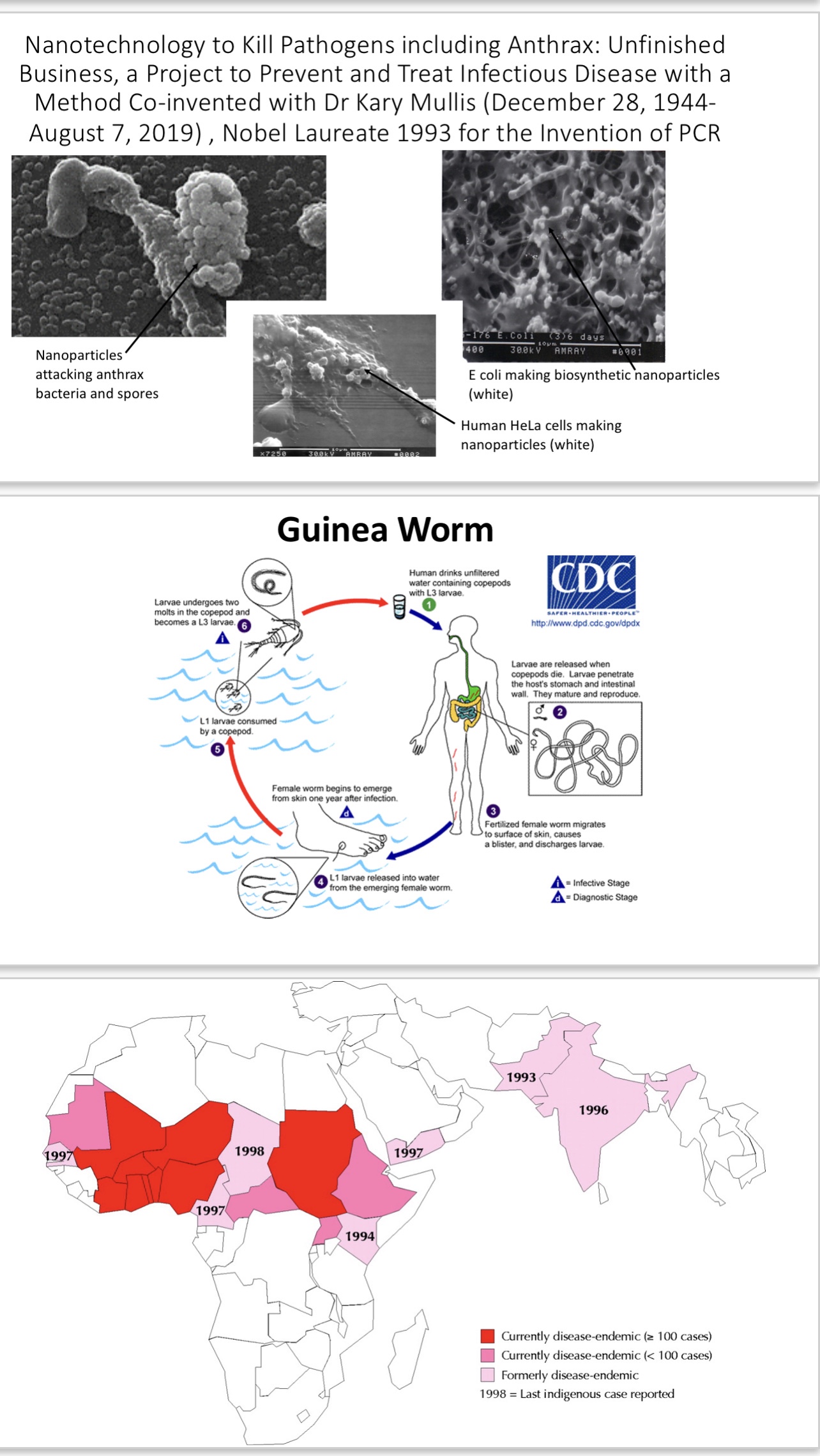
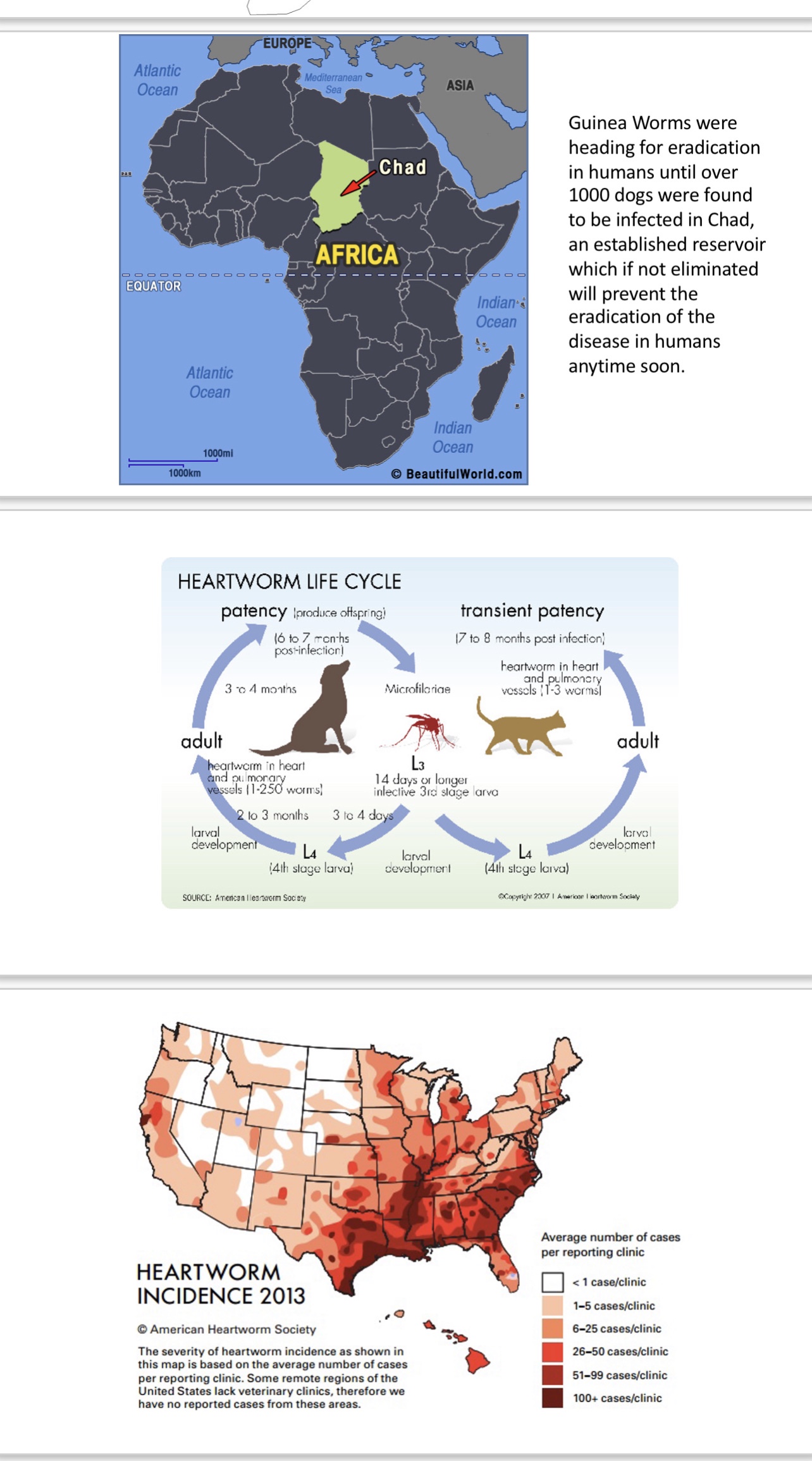
In respect to vaccination hesitancy and resistance, the consequences can be swift and devastating, with diseases almost never seen anymore, erupting abruptly seemingly out of nowhere. From 2011 to date, measles has become a problem for public health officials in the US. There were 220 cases in 2011, just 55 in 2012 and 186 in 2013. The illnesses have appeared in clusters for the most part, although single cases have also appeared in many states. In 2014, there have been three large measles outbreaks. Southern California saw an outbreak from January through May 2014 at 59 cases. New York City had an outbreak that stopped at 26 cases. Ohio has had an outbreak through 16 May 2014, with 83 people infected In 2013 through 2014, in the US, three outbreaks accounted for most of the measles cases. These included clusters of measles cases: in Texas tied to the Kenneth Copeland televangelism ministry and his mega-church; in North Carolina linked to a Hindu religious community and shrine; and in New York City, in 2014, in the Hasidic Orthodox Jewish community in Brooklyn. The national measles report from the Centers for Disease Control 1 Jan through 9 May 2014, released 12 May 2014, showed 187 measles cases from 17 states. Since that report, Ohio reported an additional 23 cases, with new cases in Tennessee, Pennsylvania, Massachusetts, and other states. The measles cases in both Ohio and California, in 2014, were linked to an ongoing measles epidemic in the Philippines. Both outbreaks in the States were results of travelers returning from the Philippines who had not been vaccinated and who brought back incubating measles. Six cases in Washington State were in patients without immunizations with ties to the Dutch Reformed Church, in British Columbia, which was the center of a 400-case outbreak of measles. The church opposes the use of all vaccines, including the measles vaccine. These examples illustrate the effects of misinformation, particularly on the internet and social media, where its removal is problematic, and perhaps, where it remains eternal. A study of the correlation of the dissemination of such information, the decline of vaccination, and the occurrence of cases should be made. My hypothesis is that the correlation would be high, and the pattern would resemble the spread of an infectious disease itself, with the computer being the vector and the electronic misinformation being the infectious agent (at least a surrogate for measles). Now imagine the consequences of anti-vaccination campaigns against SARS-CoV-2 and the devastation which has already occurred at this writing to date, continuing indefinitely because herd immunity can never be reached through “natural means” and large populations of unfettered virus allows for probable continuous emergence and “ natural selection” of resistant variants. This is, as I have posted earlier, the common nature of coronaviruses. Finally, as noted in a previous post, development of immunity after widespread dissemination of the virus in organs and tissues sets them up for devastating immune mediated complement interactions and innate immune cell (neutrophil and other granulocyte) mediated collateral destruction of blood vessels and other tissues.

All this being said, potential detrimental effects as well as beneficial ones of treatments and vaccines must be reported and investigated by the scientific method with even handedness. This includes herbal and indigenous peoples’ remedies. Historically, pharmaceuticals and pharmacology are deeply rooted in botany of medicinal plants; many which originated in folk remedies but which stood scientific scrutiny. Examples include Belladona (resulted in atropine and scopolamine), digitalis (digoxin), quinine, and lastly, the very important antimalarial drug Artemisinin (Chinese remedy). Belladonna (Atropa belladonna) is a plant which has been used as a medicine since ancient times. “Belladonna” means “beautiful women” used by the ladies of Renaissance Italy to enlarge their pupils, which they found alluring. But because it can be a lethal poison, the plant of origin also goes by the more sinister name deadly nightshade. Digoxin and digitalis are cardiac glycosides derived from the plant, foxglove, used to treat mild to moderate congestive heart failure and abnormally rapid atrial rhythms (atrial fibrillation, atrial flutter, and atrial tachycardia). The quinine mentioned above, and its present day Chinese successor, Artemisinin (from Wormwood), are actually very old remedies. Quinine, from the bark of the cinchona tree, and which can now be made synthetically, was originally discovered by the Quechua, indigenous people of Peru and Bolivia. Jesuit Missionaries were the first to introduce cinchona to Europe in the 17th century. Chinese herbalist’s use of Artemisia annua (Wormwood), which predated quinine, was first described in a 4th-century Chinese text, the source of the modern day antimalarial drug arteminisin. Quinine was commonly used for treatment of malaria until the 1940s, when chloroquine and other drugs were developed because they had fewer side effects. Except for vitamin D3 (addressed in a previous post) and some ongoing studies on the microbiome, I know of no other natural remedies being scientifically examined for prevention or treatment of COVID at this time. However, recent studies don’t support the expectations for Vitamin D3. In a study of hospitalized COVID-19 patients, a single high dose of vitamin D3 did not significantly shorten hospital lengths of stay. These findings do not support the use of high dose vitamin D3 for treatment of moderate to severe COVID-19. Criticism of this study suggesting that it did not look at subpopulations of different severity independently or early treatment suggests that the treatment should not be rejected before it has been further studied and then found effective or not (https://jamanetwork.com/journals/jama/articlepdf/2776738/jama_murai_2021_oi_200145_1613509376.92008.pdf and https://jamanetwork.com/journals/jama/articlepdf/2776736/to jama_leaf_2021_ed_200126_1613509372.9982.pdf). Vaccination, in spite of variants, (https://www.researchsquare.com/article/rs-226857/v1 and https://jamanetwork.com/journals/jama/articlepdf/2776739/jama_walensky_2021_vp_210031_1613509382.71695.pdf.) and sanitary precautions are still our best defense against COVID. What is certain, COVID can be lethal and can have persistent long term debilitating effects which are lacking with vaccination and can be prevented by it.