
Nov 16, 2020, 07:00 ET, it was announced that INOVIO received approval from the U.S. Food & Drug Administration (FDA) to proceed with Phase 2 of its Phase 2/3 clinical trial for INO-4800, its COVID-19 vaccine candidate. INO-4800 is the only nucleic-acid based vaccine that is stable at room temperature for more than a year and does not need to be frozen in transport, an important factor for implementing mass immunizations. INOVIO’s DNA vaccine plasmid is delivered directly into cells intramuscularly or intradermally using INOVIO’s proprietary hand-held device called CELLECTRA®. The CELLECTRA device uses a brief electrical pulse to reversibly open small pores in cells to allow the plasmids to enter, overcoming a key limitation of other DNA vaccines and mRNA vaccines. Once inside cells, the DNA plasmids enable the cell to produce the targeted antigen. The antigen triggers the normal T cell and antibody-mediated immune responses. The CELLECTRA device ensures that the DNA plasmids are efficiently delivered directly into the body’s cells to drive the immune response. INOVIO’s DNA vaccine does not interfere with or change in any way an individual’s own DNA. The advantages of INOVIO’s DNA vaccine platform are how fast it was designed and manufactured; its stability, not requiring freezing for storage and transport; and the robust immune response, safety profile, and tolerability evident in clinical trials. The CELLECTRA® electroporation device developed by Inovio Pharmaceuticals, Inc., is currently being assessed in clinical studies for both prophylactic and therapeutic applications.
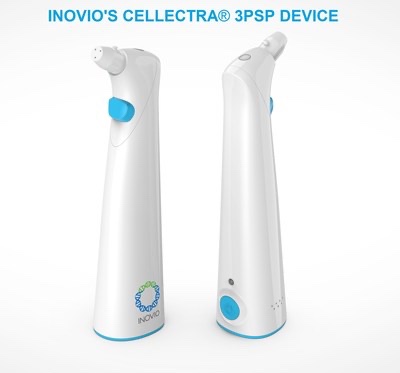
This device delivers square-wave electric pulses by applying an adaptive electric field based on constant current, rather than constant voltage. This system measures electrical parameters and adjusts appropriately for changes in tissue resistance in realtime to avoid tissue damage and diminished DNA cell entry. The device has been evaluated in animal models, including mice, pigs, and rhesus macaques, and demonstrated acceptable immune responses.
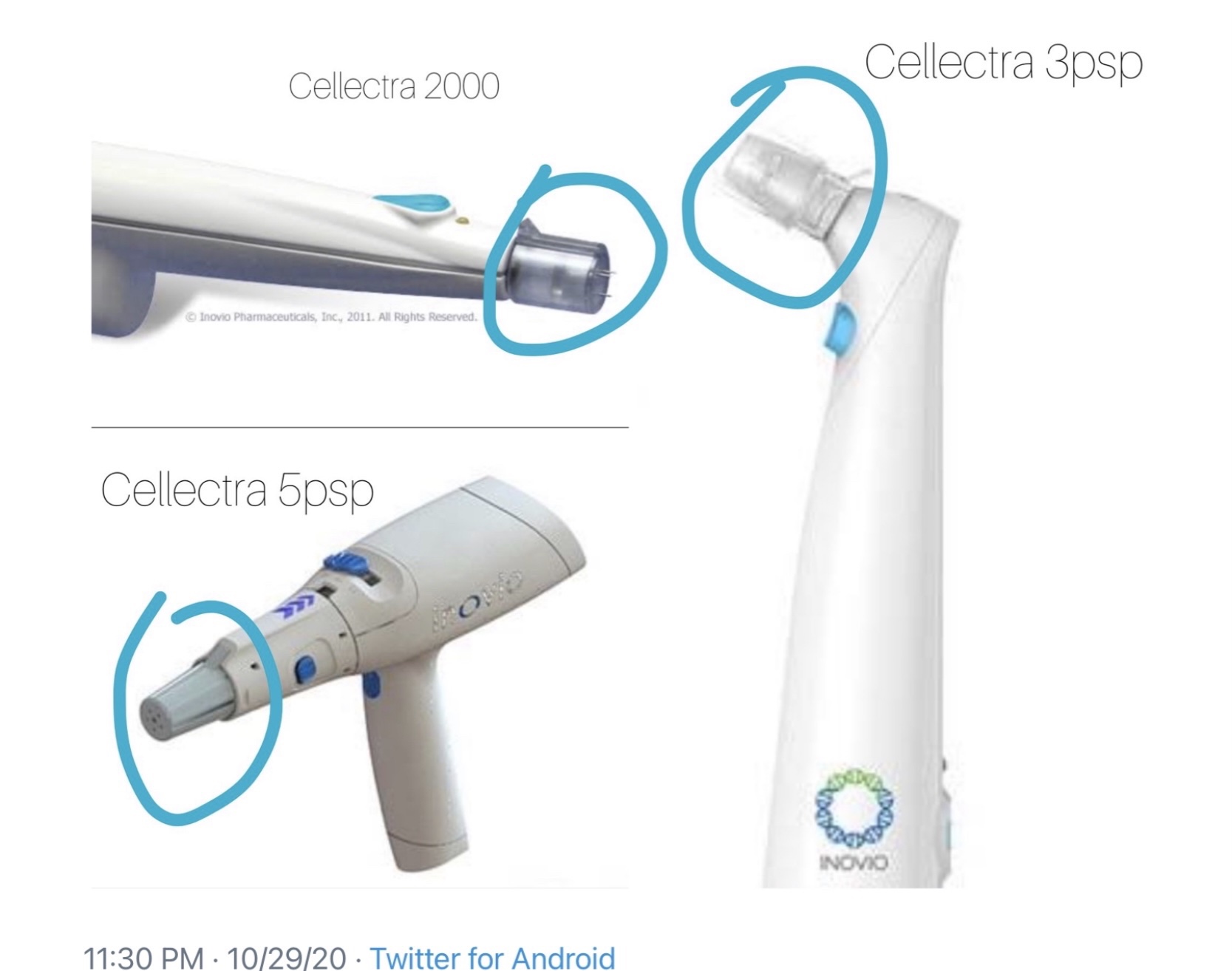
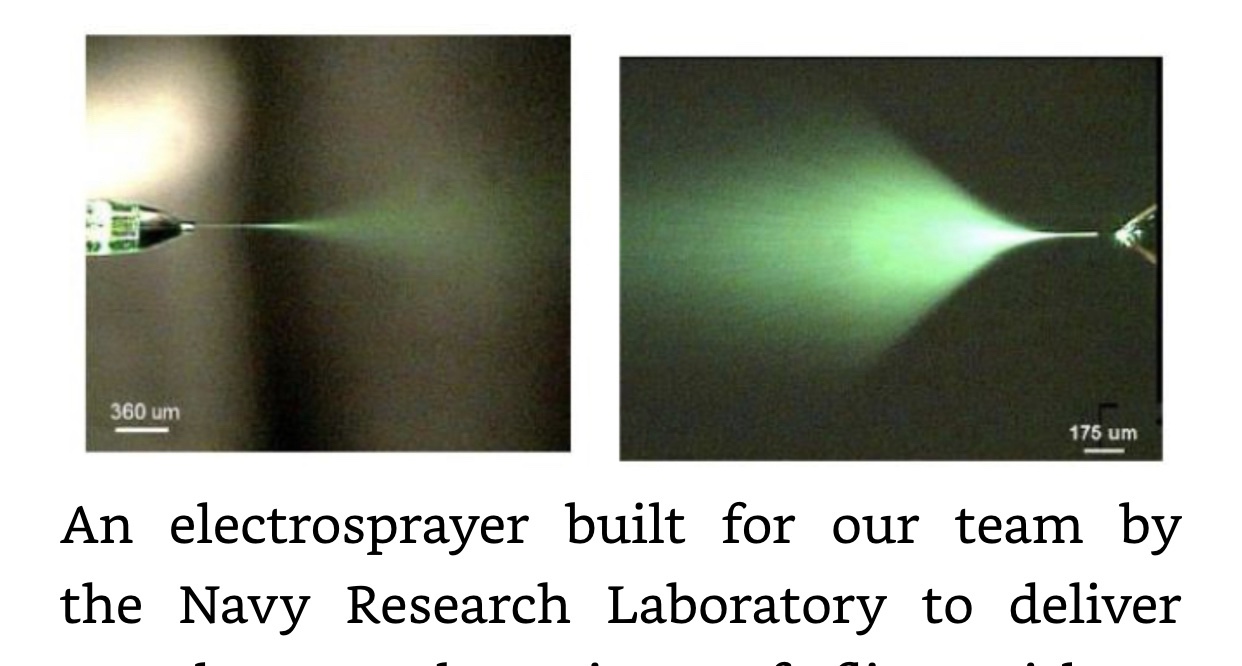
DNA vaccines have been criticized in the past because of the possible off-target effects in expression of protein, integration of foreign DNA into the host genome and difficulties in delivery to the right target cells. As noted above INOVIO has provided evidence that they have overcome these limitations by plasmid design and a proprietary electroporation device. The concern about plasmid in comparison to mRNA vaccines is that they must enter the nucleus to be converted into mRNA before being translated into protein in the ribosomes of the cytoplasm. mRNA vaccines do not require entry into the nucleus before this last step. I have spent a lot of time providing accounts and data of the Brooks Counterproliferation Team’s work on these problems for different military applications in previous posts. It is ironic that INOVIO has received a significant level of funding from the Department of Defense independent of our work: On June 23, 2020, INOVIO received a $71 million contract from the U.S. Department of Defense to scale up its manufacture of its CELLECTRA® 3PSP Smart Device and procurement of CELLECTRA® 2000 for COVID-19 DNA Vaccine delivery https://www.ncbi.nlm.nih.gov/pmc/articles/PMC3906411/pdf/hvi-9-2246.pdf.
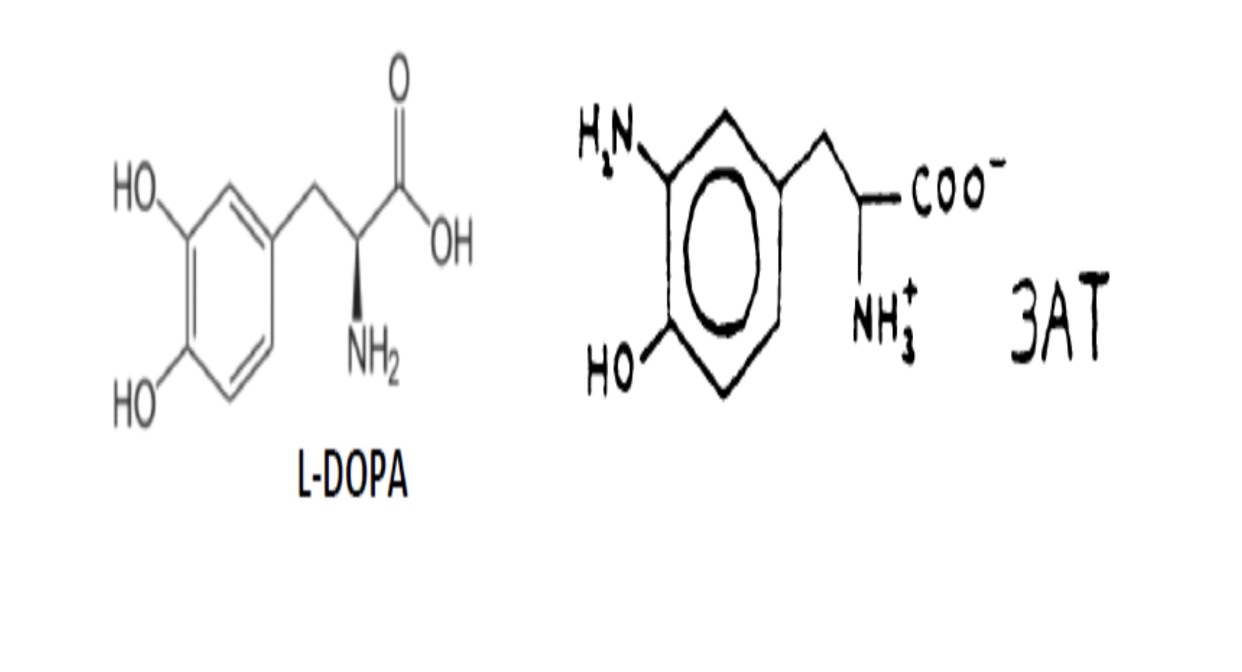
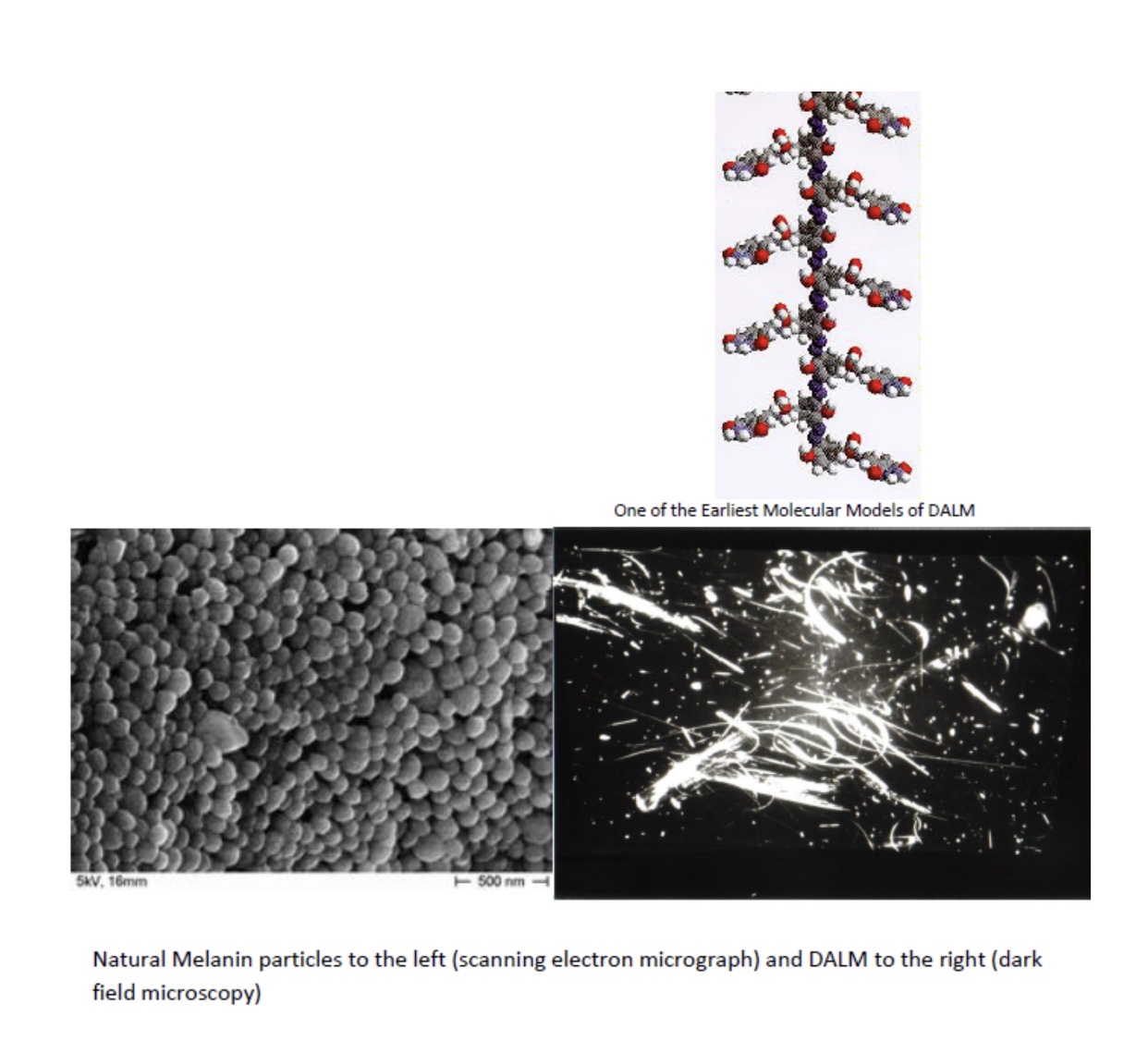
polymer (trivial name: diazoluminomelanin: DALM).
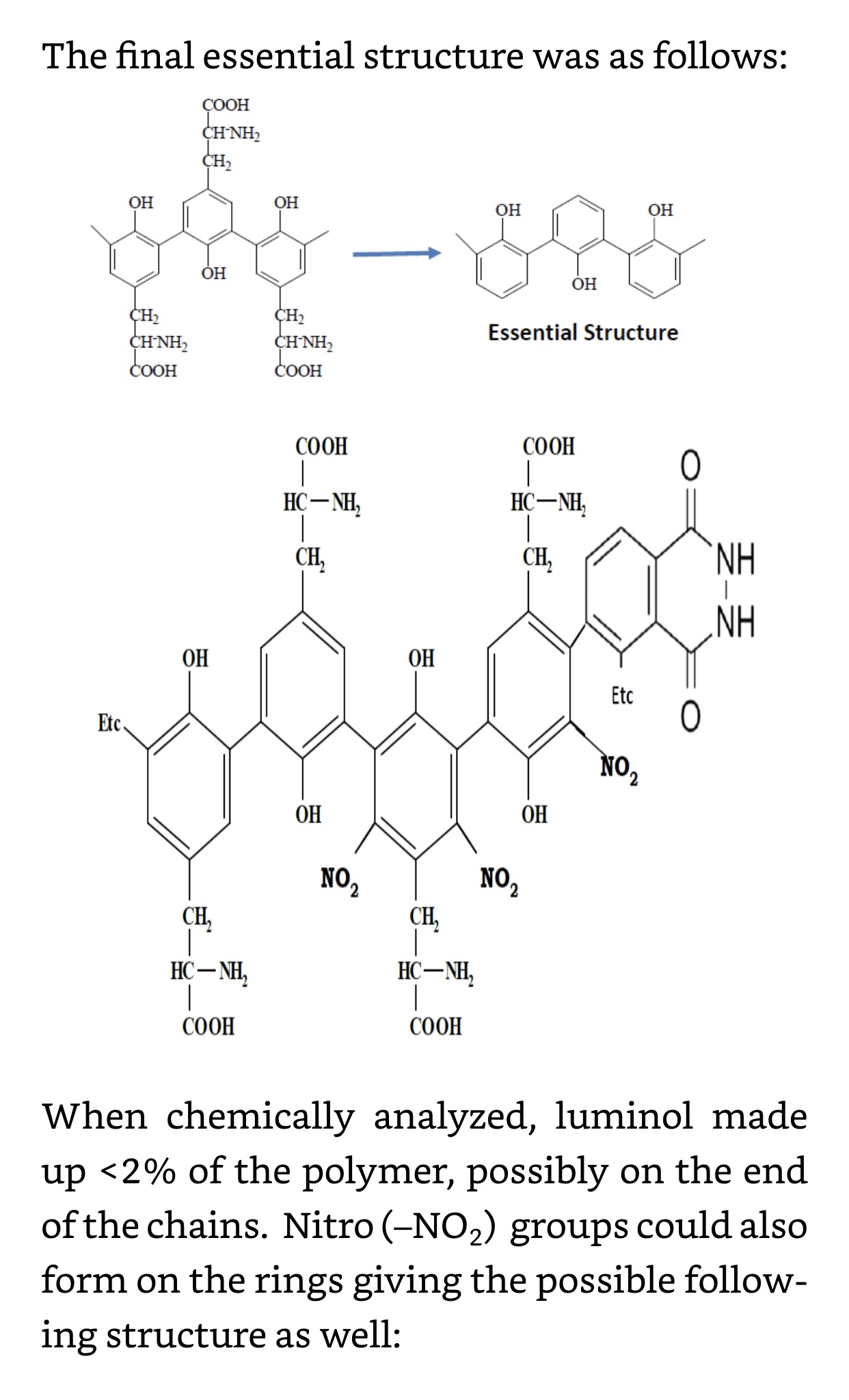
Our work began with efforts to synthesize a microwave and radio frequency electromagnetic radiation interacting polymer starting in 1981. We succeeded (1 March 1988) in making one from the amino acid 3-amino-L-tyrosine which through diazotization ended up with the following structure:

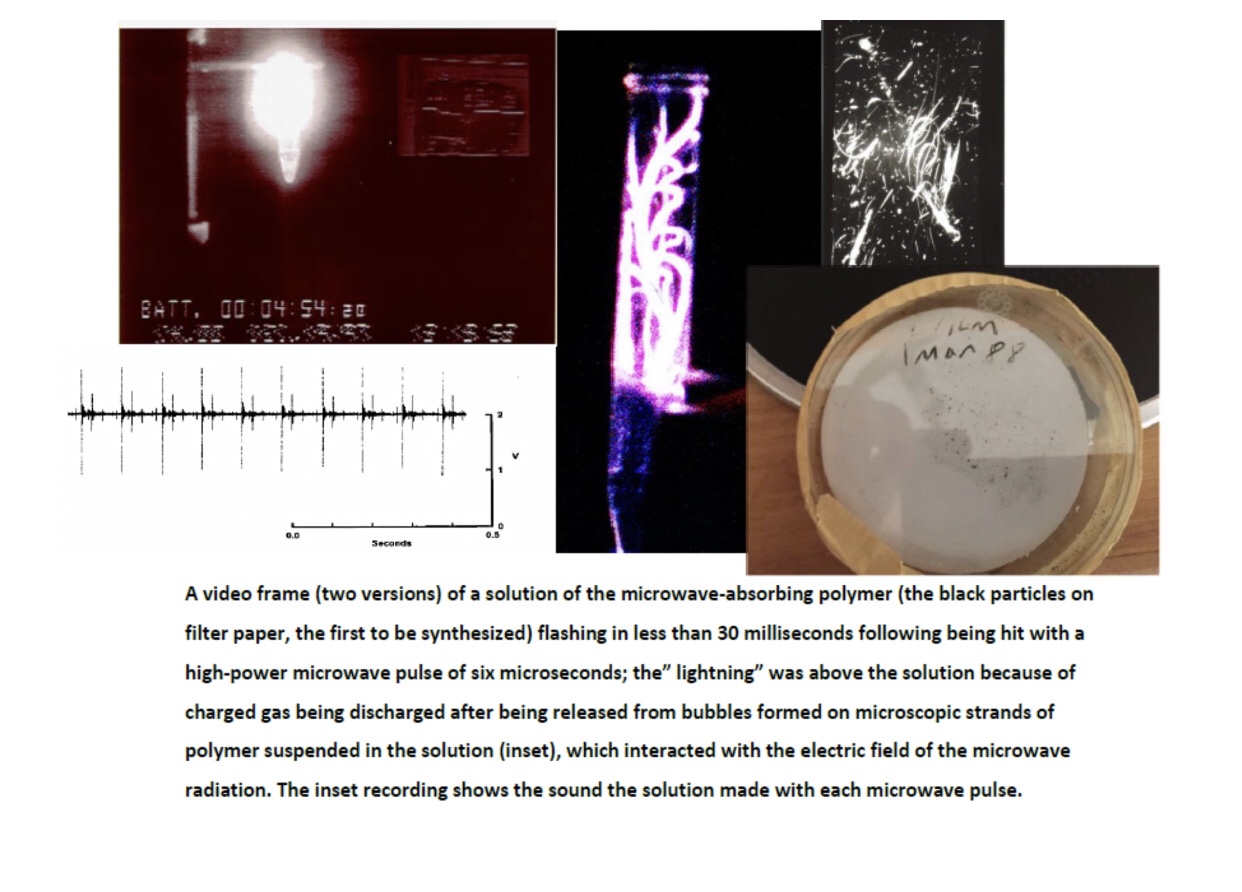
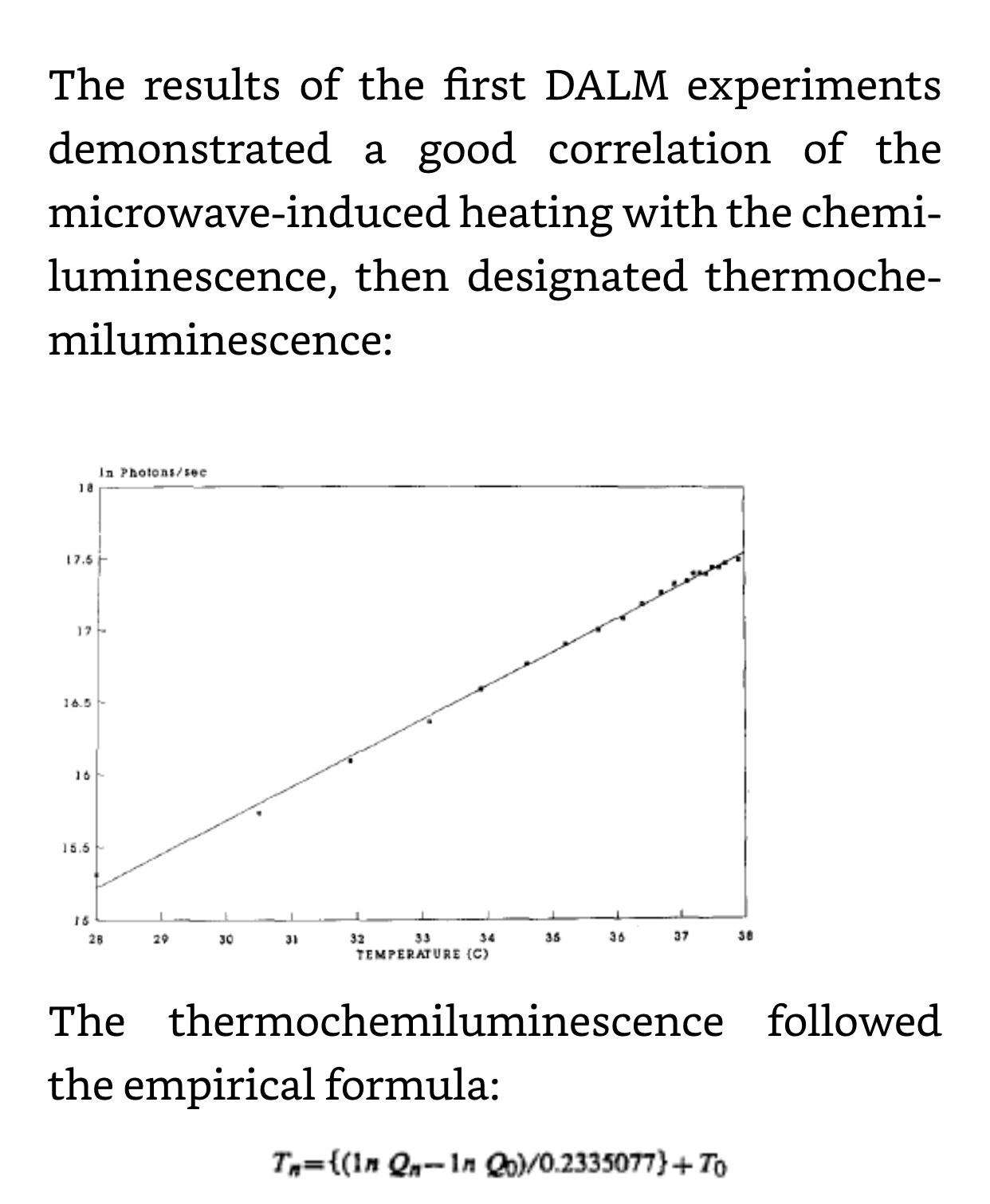
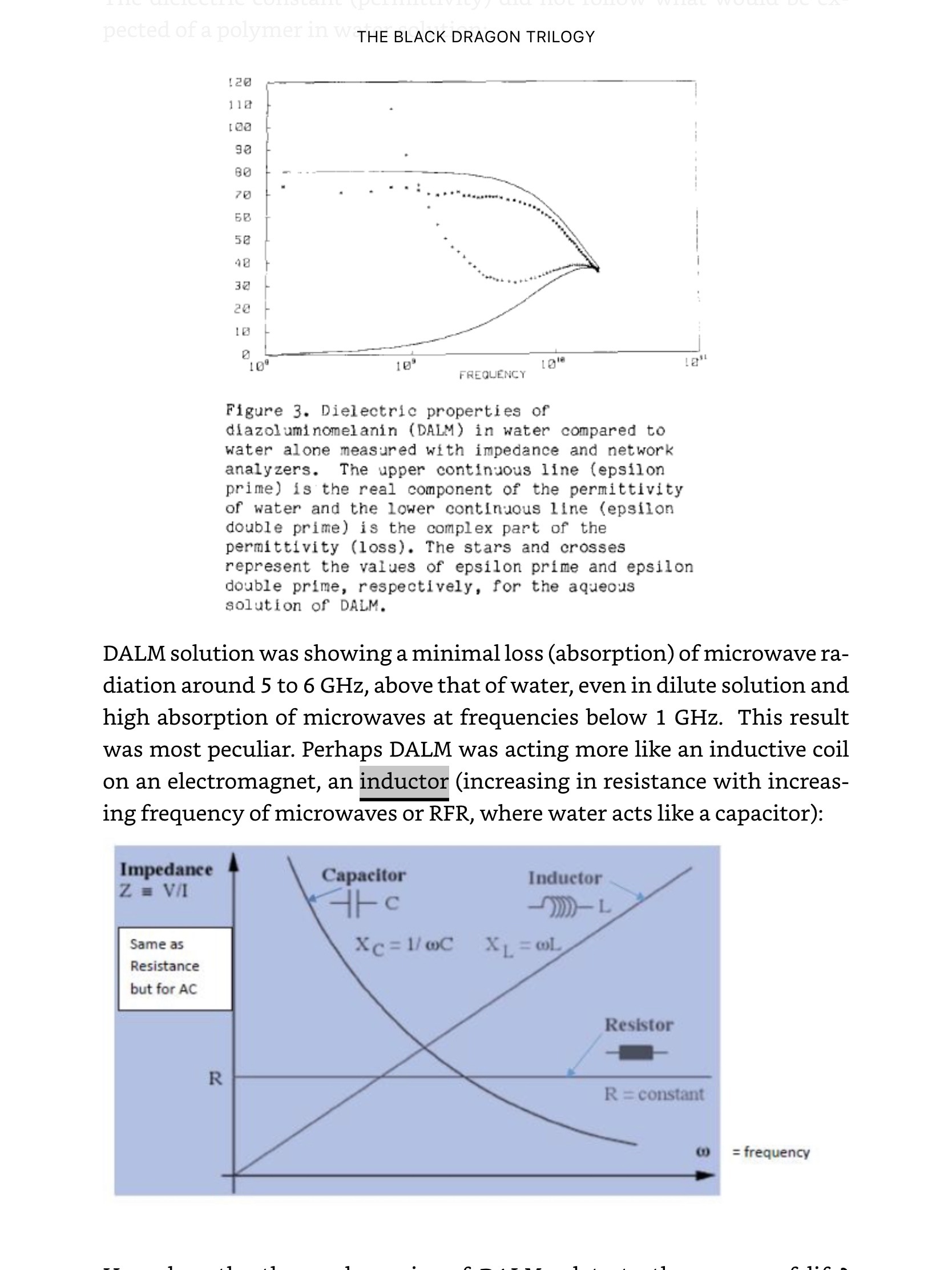
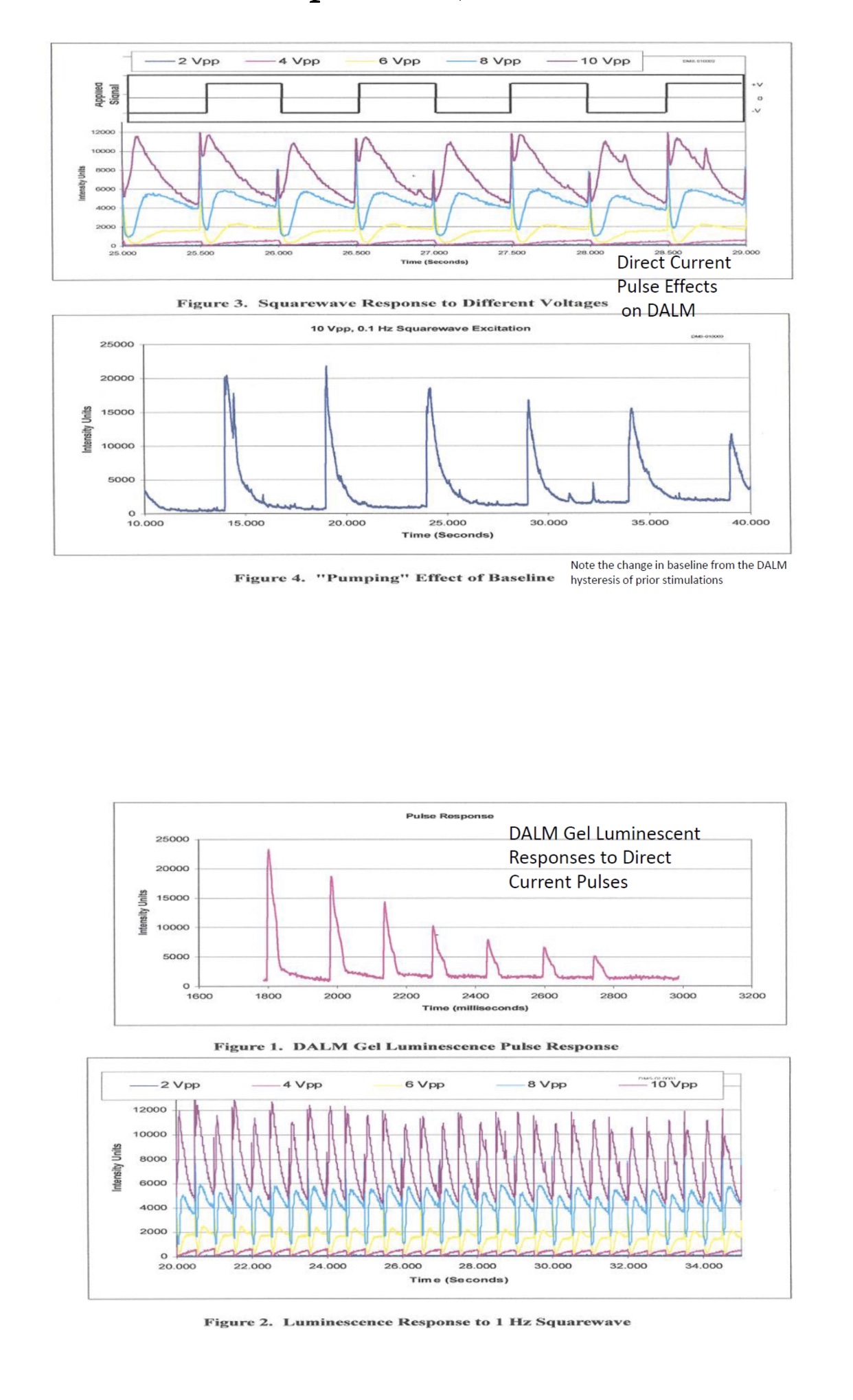
This polymer demonstrates a number of interesting and very applicable physical and chemical properties. It is thermochemiluminescent while oxidizing, binds to DNA without damaging it functionally, and further interacts instantly with pulsed direct current electric fields, and those of pulsed radio frequency and microwave radiation. The classical explanation of its behavior is as an inductor, that it is a passive two-terminal electrical component that stores energy in a magnetic field when electric current flows through it. An inductor consists of an insulated wire wound into a coil around a core. When the current flowing through an inductor changes, the time-varying magnetic field induces an electromotive force (e.m.f.) (voltage) in the conductor, described by Faraday’s law of induction. According to Lenz’s law, the induced voltage has a polarity (direction) which opposes the change in current that created it. As a result, inductors oppose any changes in current through them. The coiled ground state structure of DALM may be responsible for its behaving as a molecular inductor. The discharge of luminescence and/or thermalization are related to the release and conversion of this stored energy.
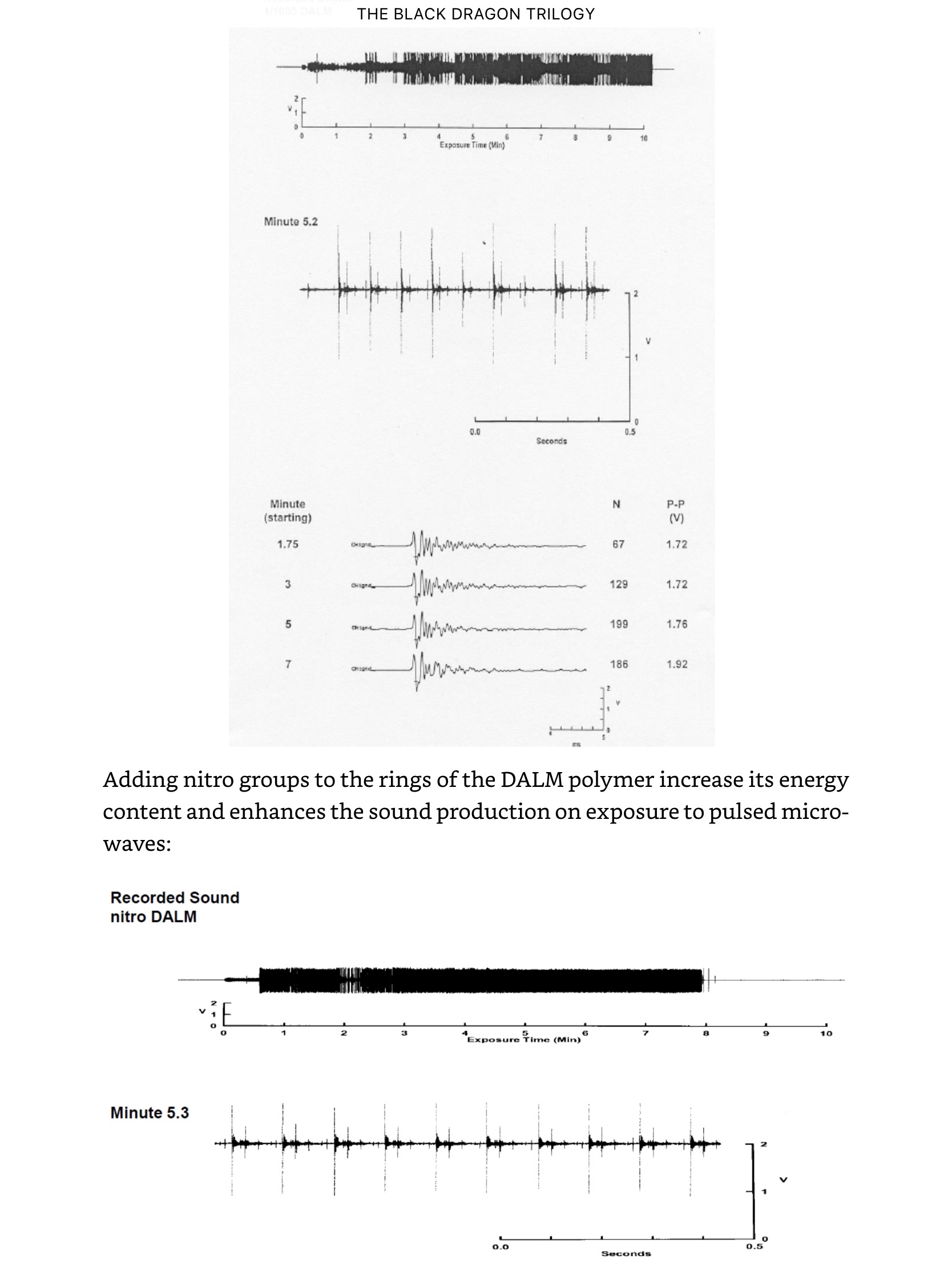
The next step was to try to make DALM from feedstock chemicals fed to bacteria that have inducible nitrate reductase. When this process was not totally satisfactory, genetic modification with plasmids delivered by electroporation or calcium phosphate was tried and succeeded in enhancing the production of DALM. This even worked with mammalian and human cells harboring nitric oxide producing enzymes (nitric oxide synthase, NOS) which could integrate with a component of the barley plant nitrate reductase to enhance both their activities simultaneously.
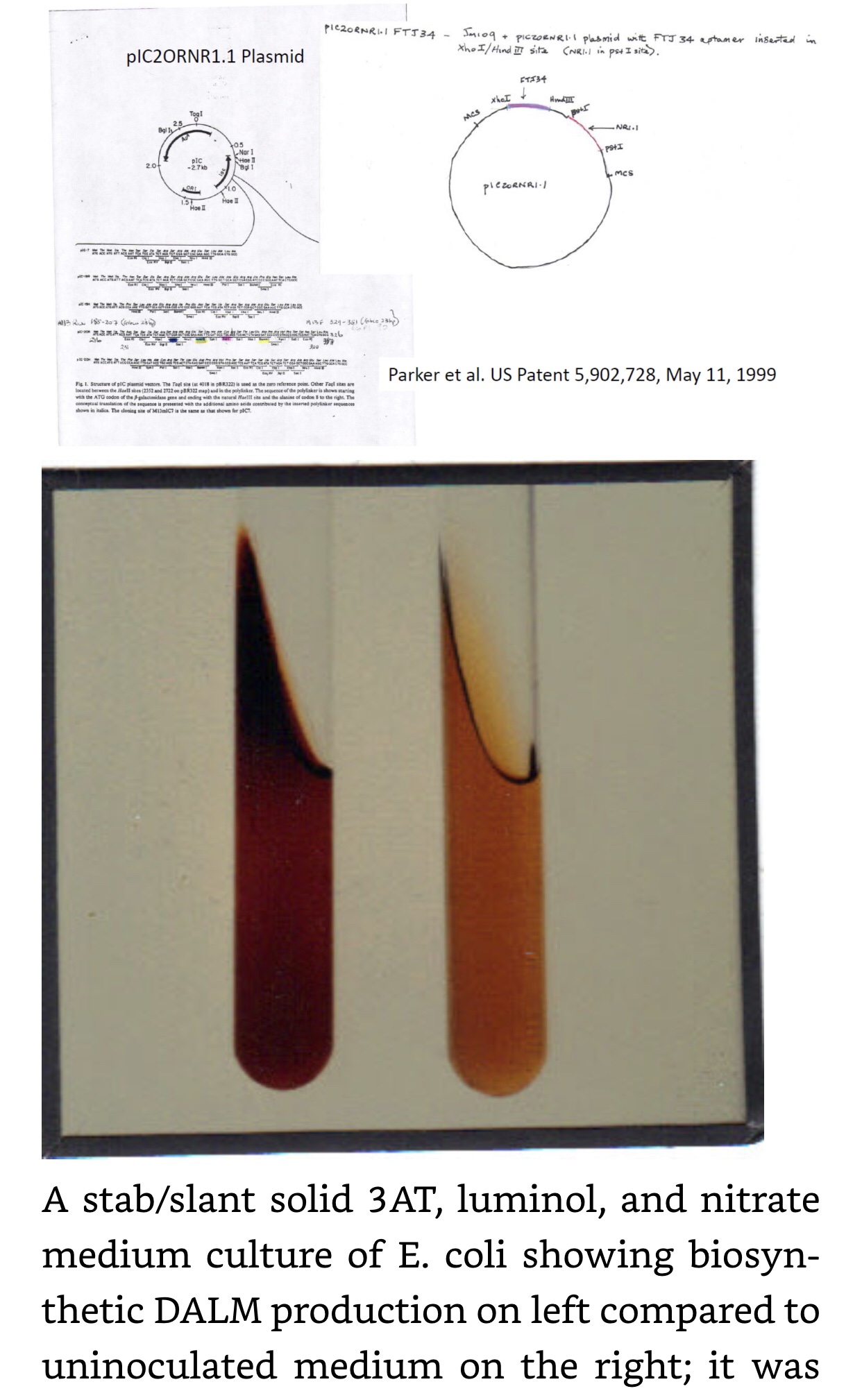
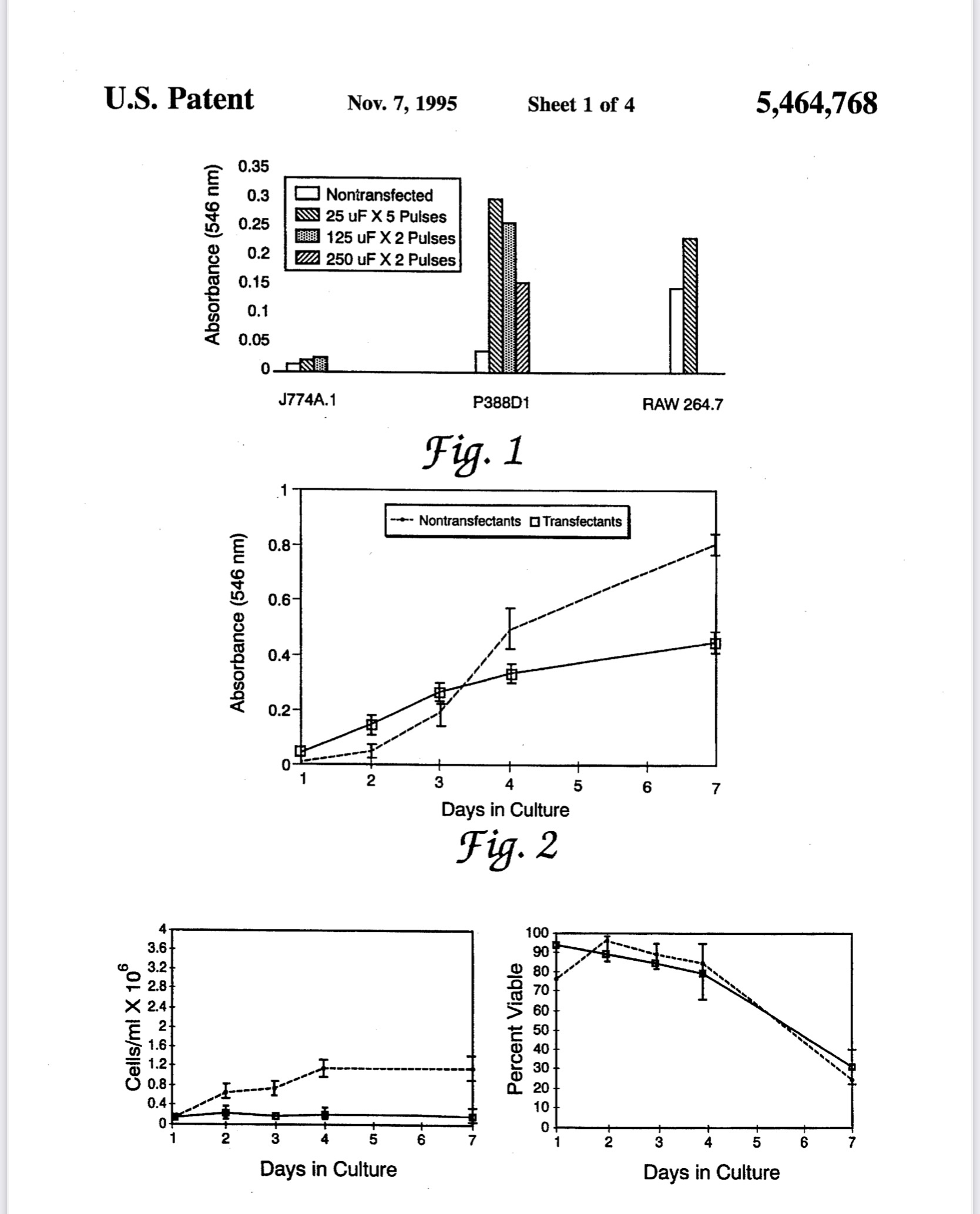
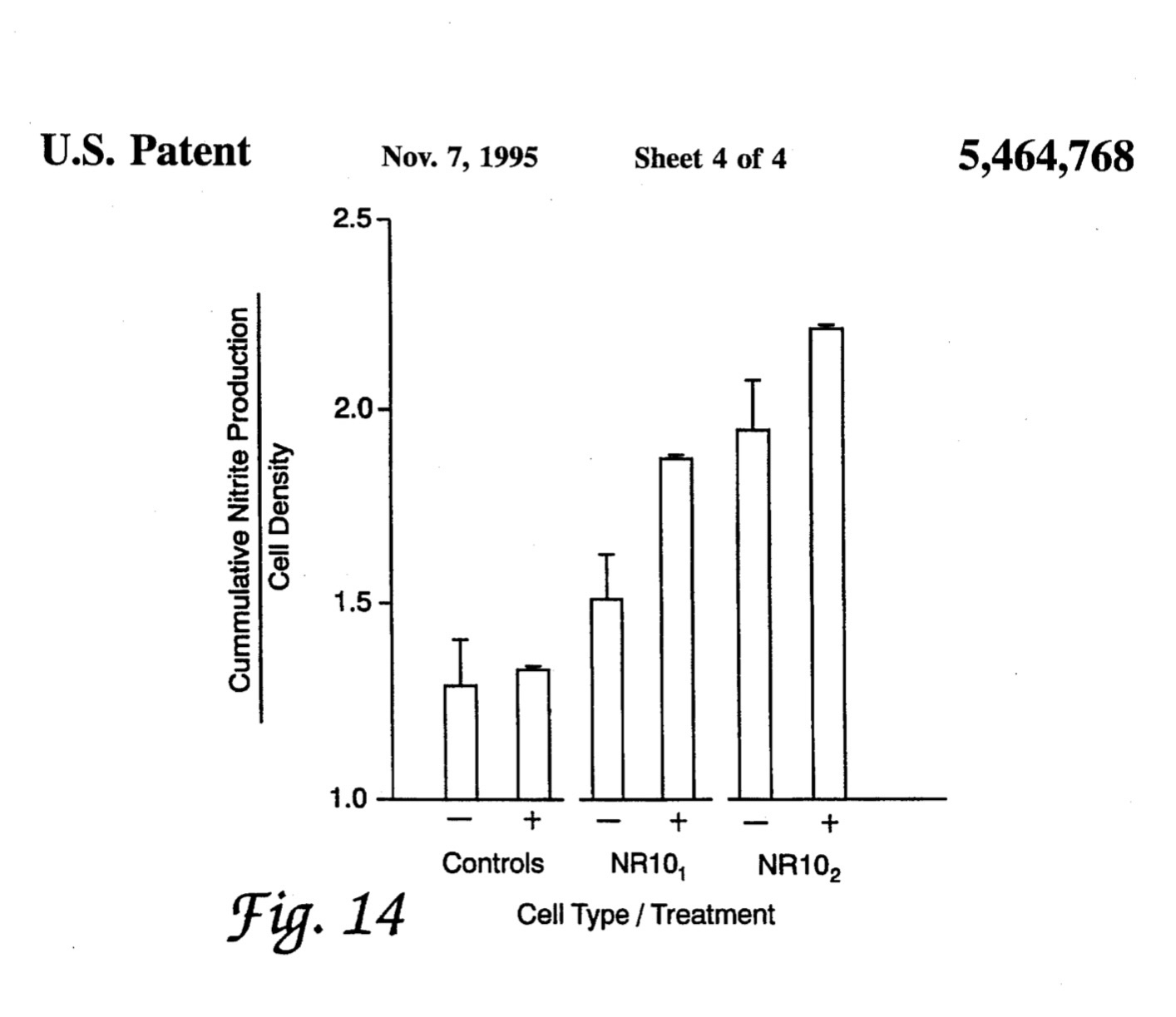
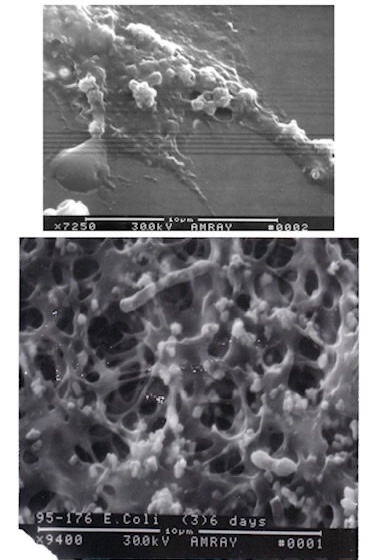
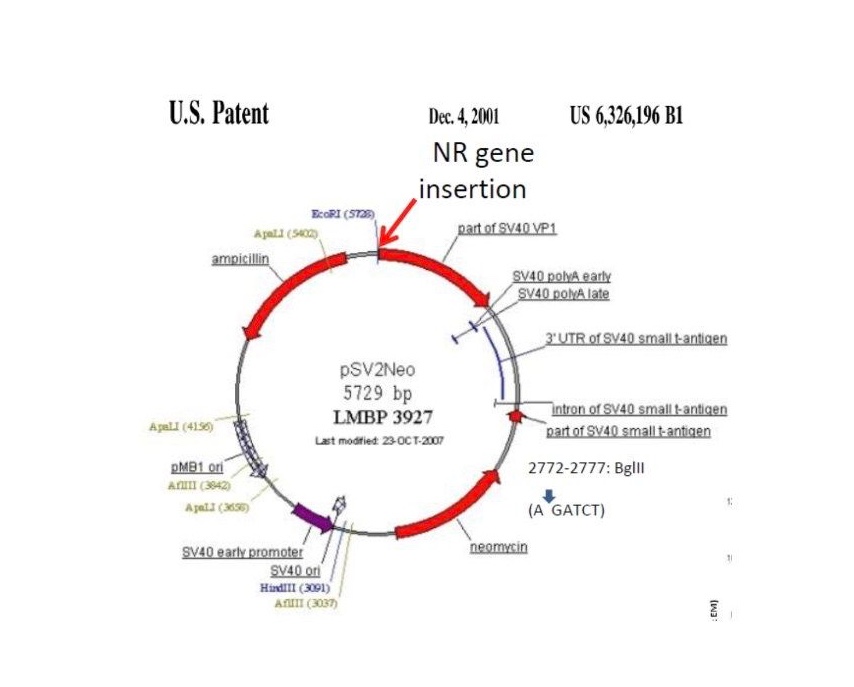
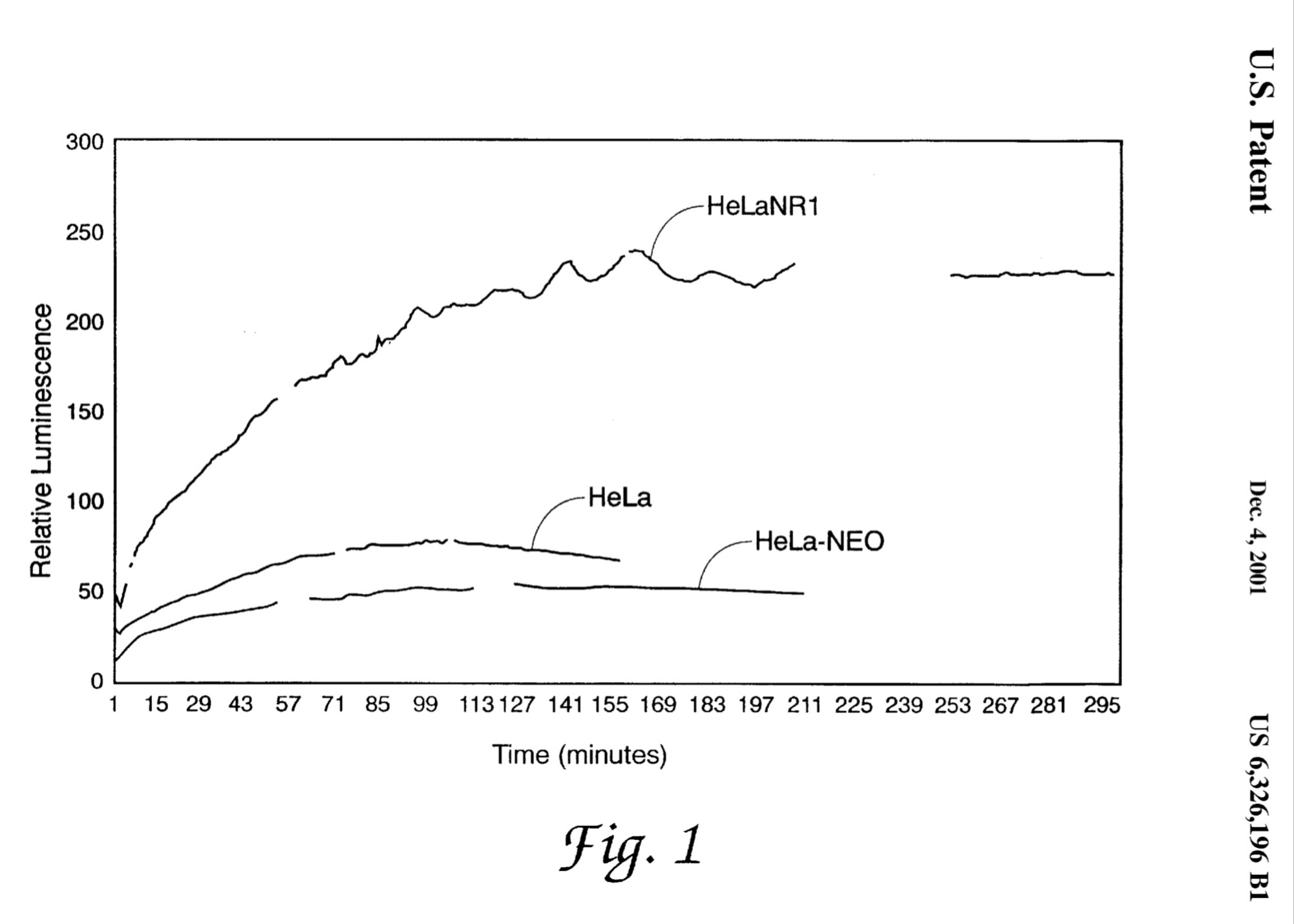
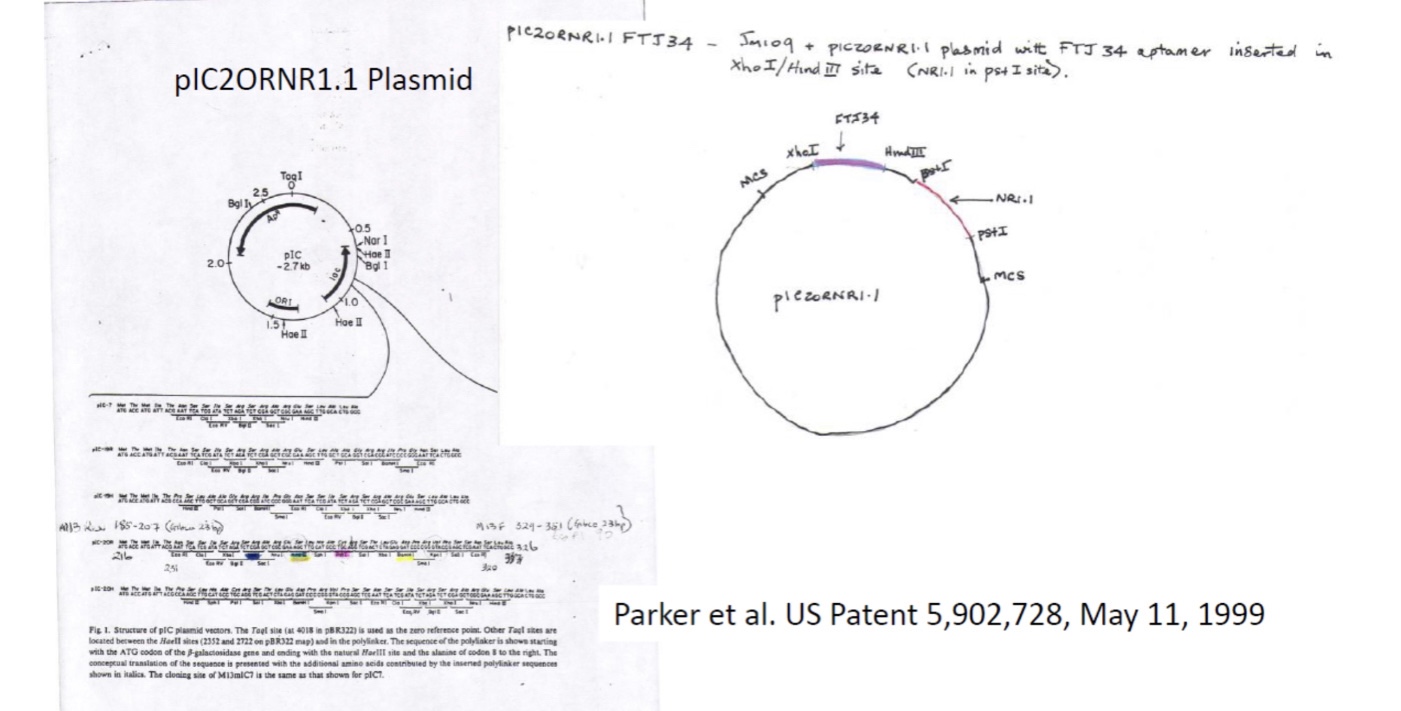
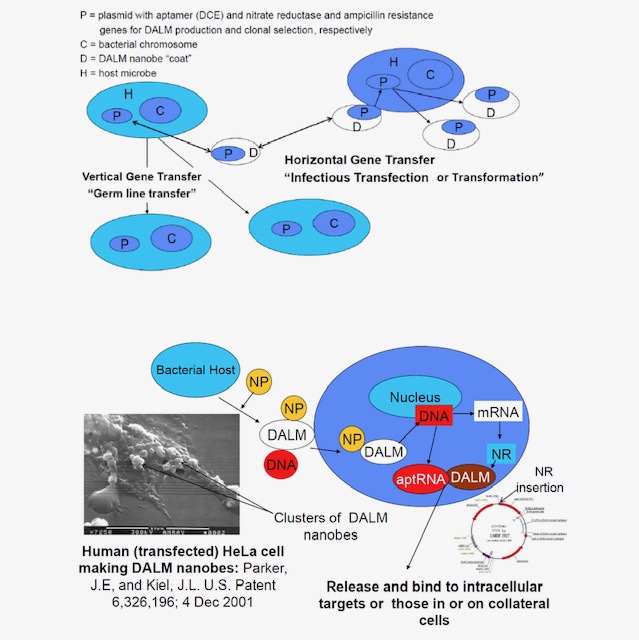
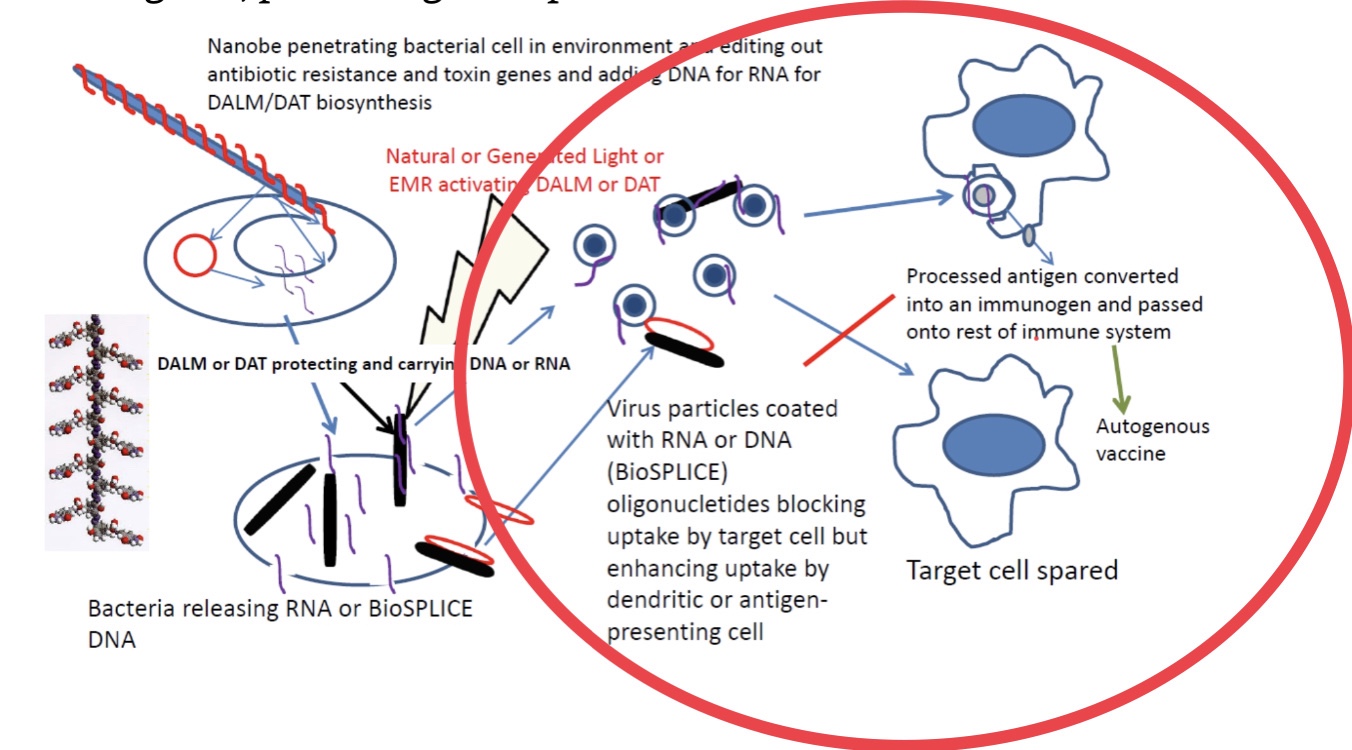
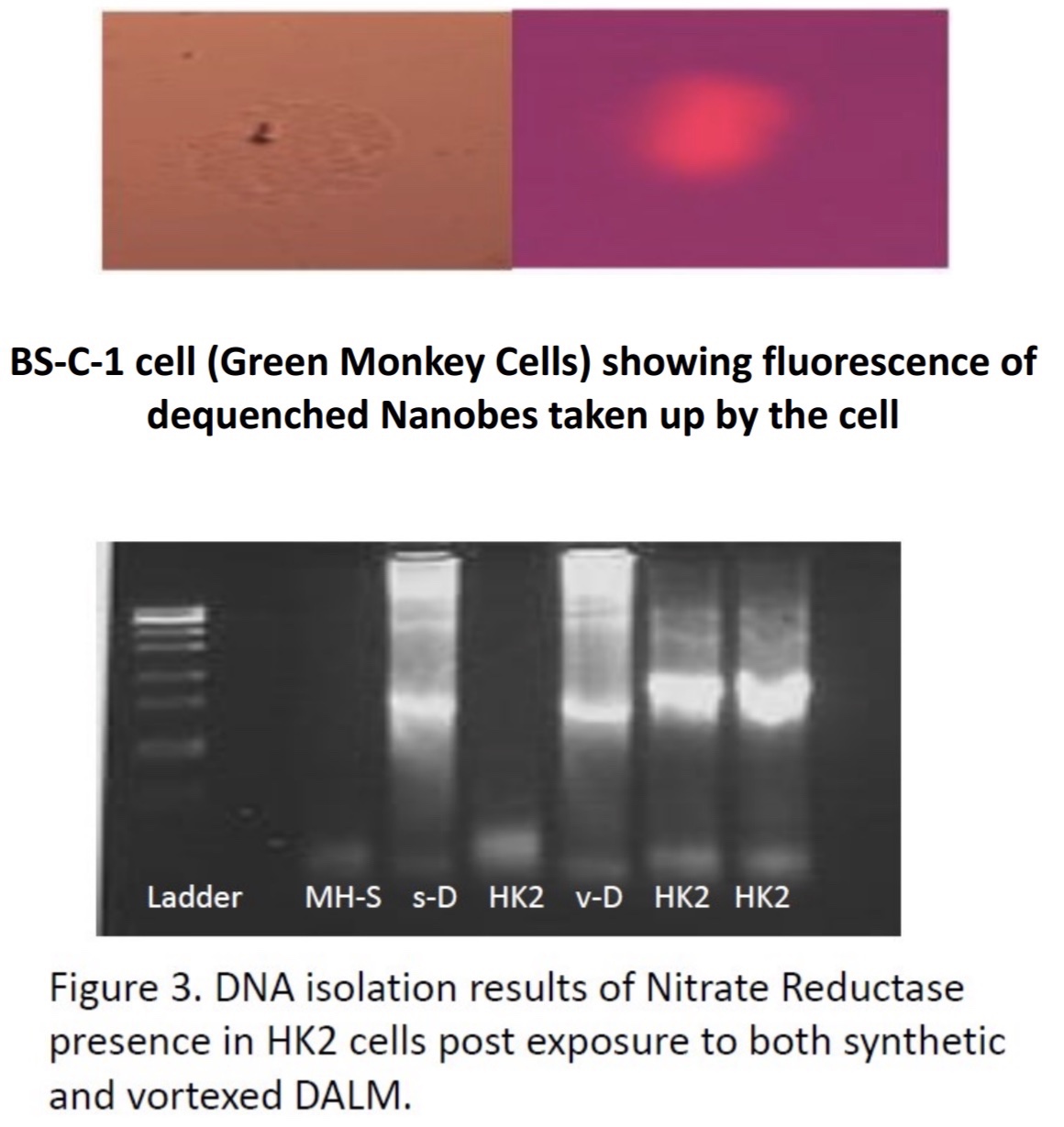

Plasmids transferred to target cells with DALM nanoparticle vectors have demonstrated desired functional transfer such as antibiotic resistance for clonal selection, antimicrobial activity, and DALM nanoparticle biosynthetic capability, but also the less desirable transfer and off target effects of genome integration in mammalian and human cells (expected based on plasmid constructs used), and in bacteria, not only the clonal selection antibiotic resistance, but also the off target effects of bacteriophage resistance and hemolytic activity in a pathogen (Bacillus anthracis, anthrax). The DALM nanoparticle vector has demonstrated its broad utility as a potential plasmid DNA vaccine vector and also its ability to be manufactured by microbes’ making biosynthetic complete DALM, nanoparticle, plasmid DNA vectors for genetic transfer.

 Global Biosurveillance