
The Coalition for Epidemic Preparedness Innovations (CEPI) announced 17 Aug 2021 a funding agreement with California-based
Gritstone Bio to further develop its next-generation COVID-19 vaccine, which will target variants. CEPI said the company’s vaccine is based on a self-amplifying mRNA platform and that it will provide Gritstone up to 20.6 million USD to get the product through a phase 1 clinical trial (https://cepi.net/news_cepi/cepi-enters-into-funding-agreement-with-gritstone-bio-to-develop-covid-19-variant-vaccine/).
My colleagues and I answered a call for innovative ideas to fund rapidly responding to emerging infectious disease in a timely and effective way, before COVID-19 was a thought, from The Coalition for Epidemic Preparedness Innovations (CEPI), a global partnership launched in 2017 to develop vaccines to stop future epidemics. We were flatly turned down:
“ CEPI Secretariat received several EOIs (as of 15 November 2019) for the Call for Proposals on Multiple Vaccine Platform Technologies. The CEPI Secretariat met on 16 Dec at their regular Portfolio Strategy Management Board (PSMB) meeting to conclude the review of received EOIs and make a final decision on which short-listed candidates to invite to submit a full proposal, alternatively to reject.
We regret to inform you that your EOI titled “Chemically Programmed Immunity and Adaptive Vaccinology” has not been selected for submission of a full application. We arrived at this decision because the review of your proposal concluded that it did not pass the eligibility criteria in the call for proposals guidelines, for the following reasons: the studies described are only in vitro, the right pathogens are not suggested, and a clear development plan is not described. Please note that this decision is not a subject to appeal. If you are able to modify your EOI according to the guidelines in the call text you are welcome to submit a revised EOI at any time point. Thank you for your interest in CEPI and we encourage you to follow and apply in our future Calls for Proposals.
Best wishes, CEPI Secretariat. 17 Dec, 2019 .”
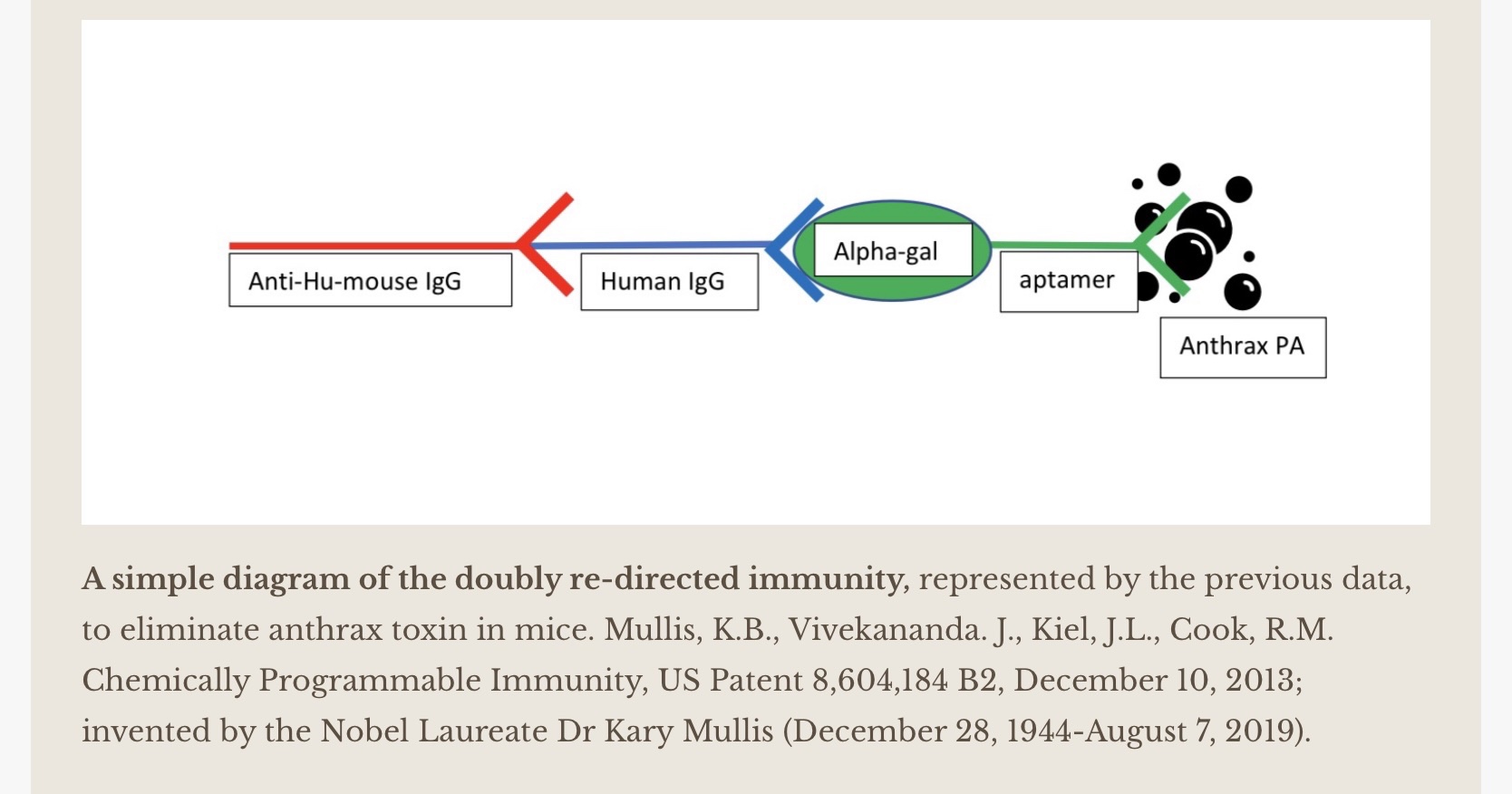
Actually, the in vitro comment was wrong. The anthrax studies, delaying or mitigating the disease, were done in mice infected by inhalation and treated with toxin neutralizing aptamers applied by inhalation after lethal spore exposure.
After this proposal rejection, based primarily on not having a vaccine in clinical trials (against what? COVID-19 hadn’t arisen yet, so we were supposed to have clinical trials against an unknown agent?), we appealed to a group (Centauri LTD) in the UK who had been pursuing The UK National Longitude Prize for antibiotic resistance countermeasures using a partial version of the technology:
“From: Johnathan Kiel
Sent: 11 May 2020 16:29
Subject: Appeal for Interest
Sirs
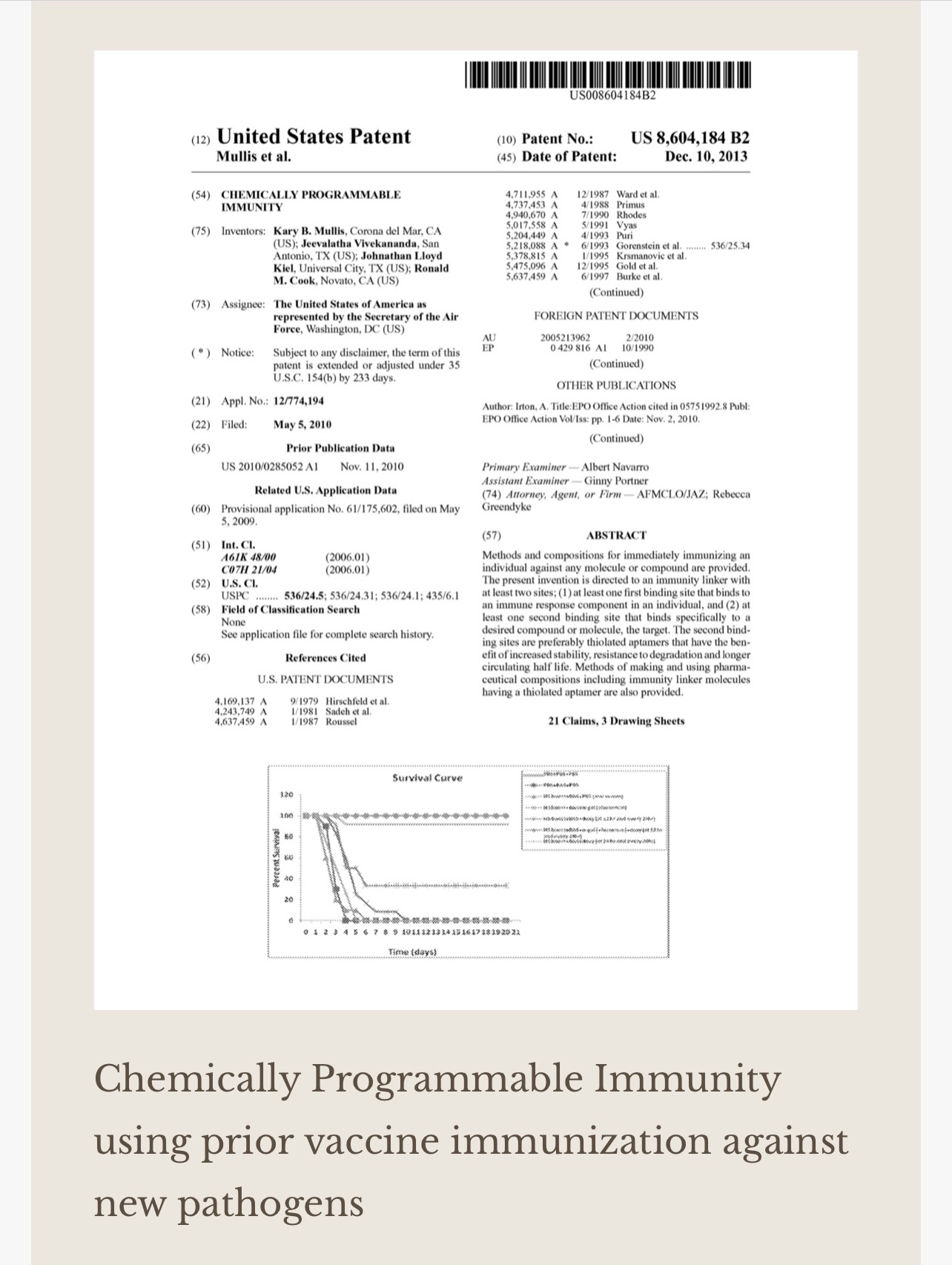
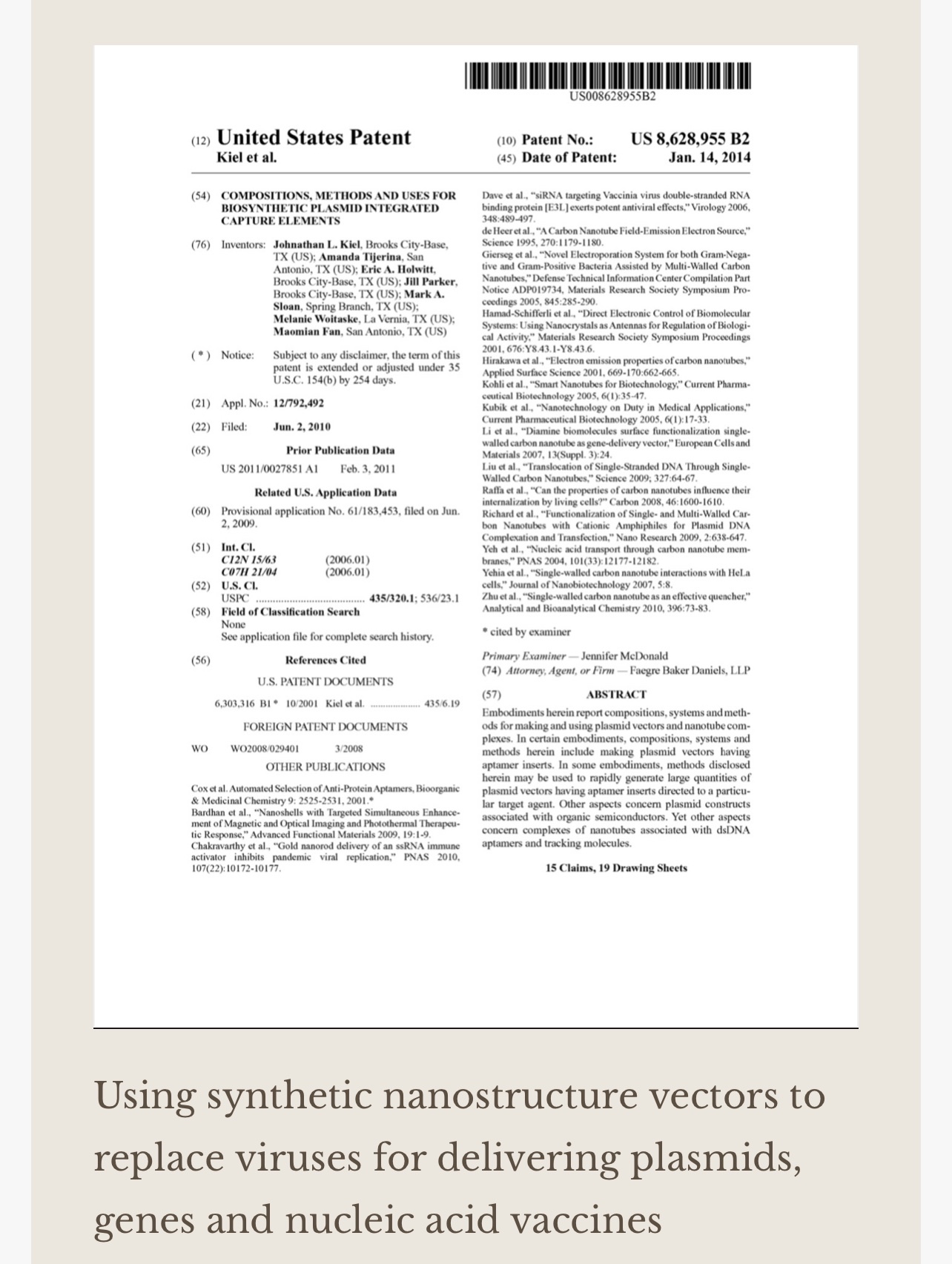
I am a former colleague and co-inventor with the late Dr Kary Mullis, the inventor of the aptamer technology you are developing. I have attached a link to a patent to prove it. I am compelled to write to emphatically urge you to pursue the technology to enhance vaccine development against SARS-CoV2, COVID19, using the aptamer linking technology. Just before the COVID19 outbreak, I sent a pre-proposal letter to CEPI https://cepi.net/ but they turned it down for a full proposal. I believed that was because I was focusing on neglected parasitic tropical diseases and did not represent an established biotech company or institution. I have no monetary interest in your taking up a new proposal at CEPI for COVID19, only a humanitarian one that honors the memory of Dr Mullis. I have confidence this approach will work if given a chance and will significantly shorten the wait for a traditional vaccine which will take 12-18 or more months or the use of antiserum. I have attached a link to the patent I am on with Dr Mullis and the pre-proposal.
Re: Appeal for Interest in COVID19
Thank you for answering. I feel Dr Mullis’ technology can not only act as a therapy for COVID19 but also reinvigorate an old approach of autogenous vaccination which accelerates immune mediated recovery and prevents carrier states or inappropriate immunity (cytokine storms) from occurring. Also engaging in the COVID19 fight might bring you much needed funding to further develop this technology.
Best regards Johnathan “
I haven’t gotten any further response.
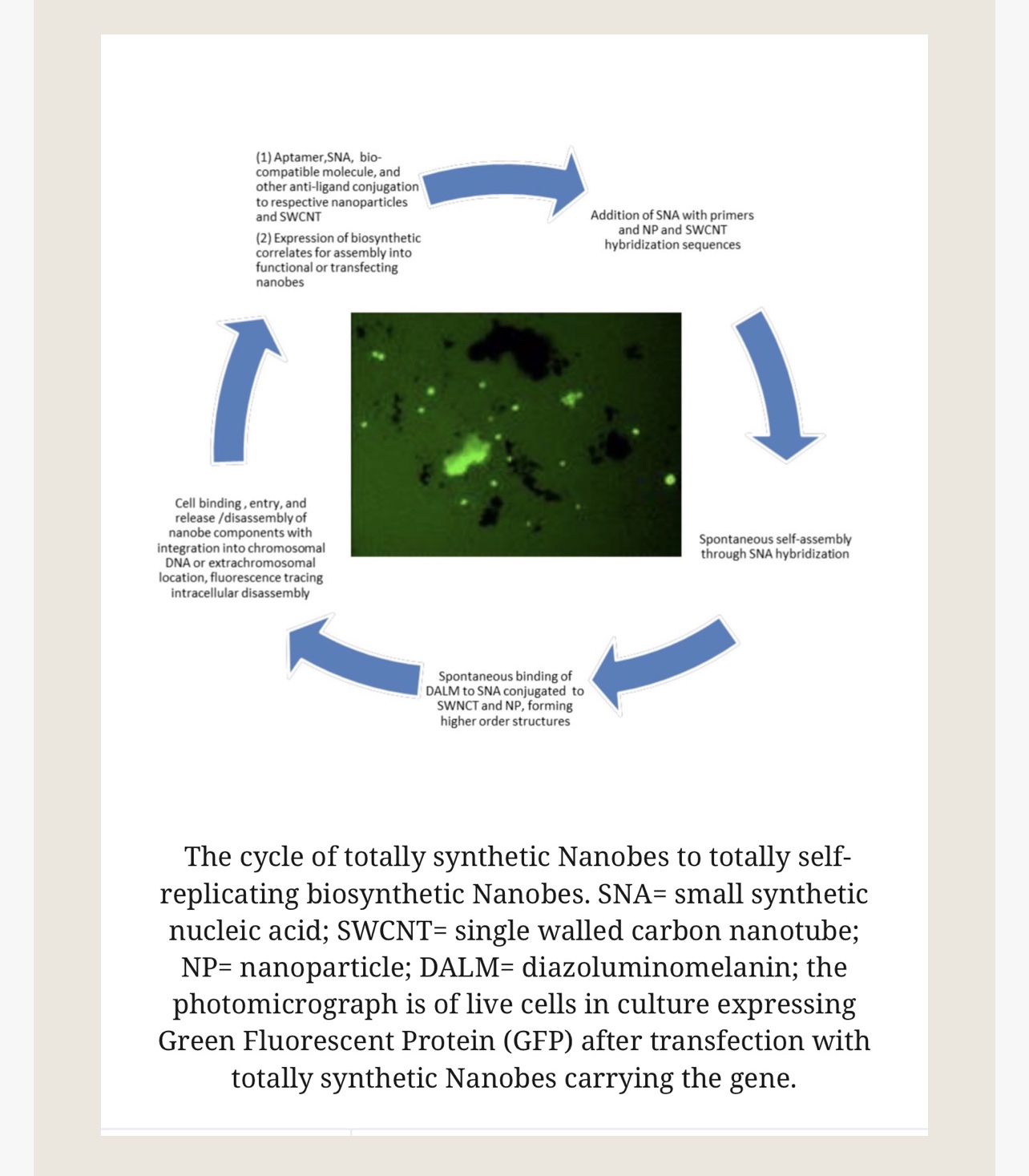
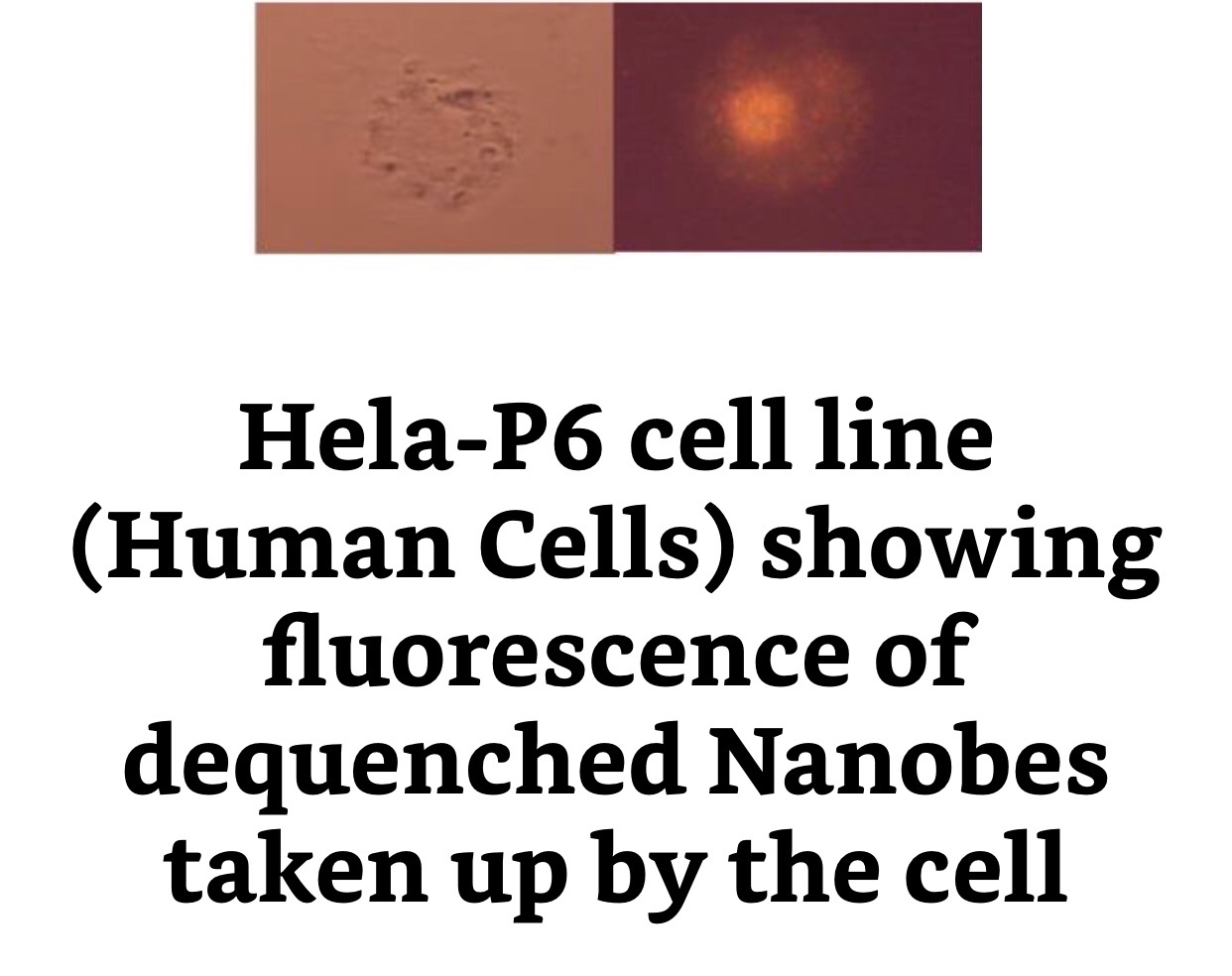
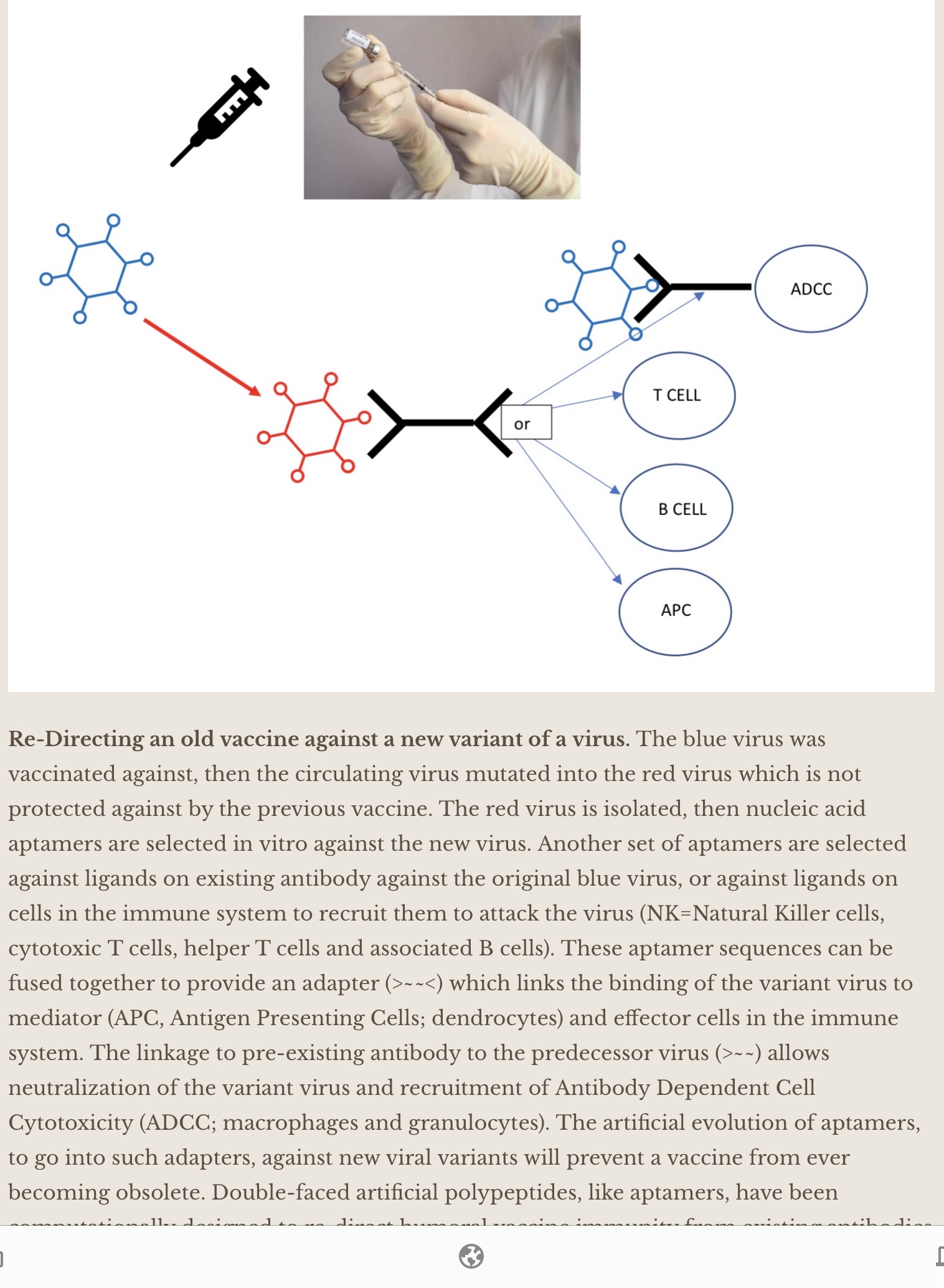
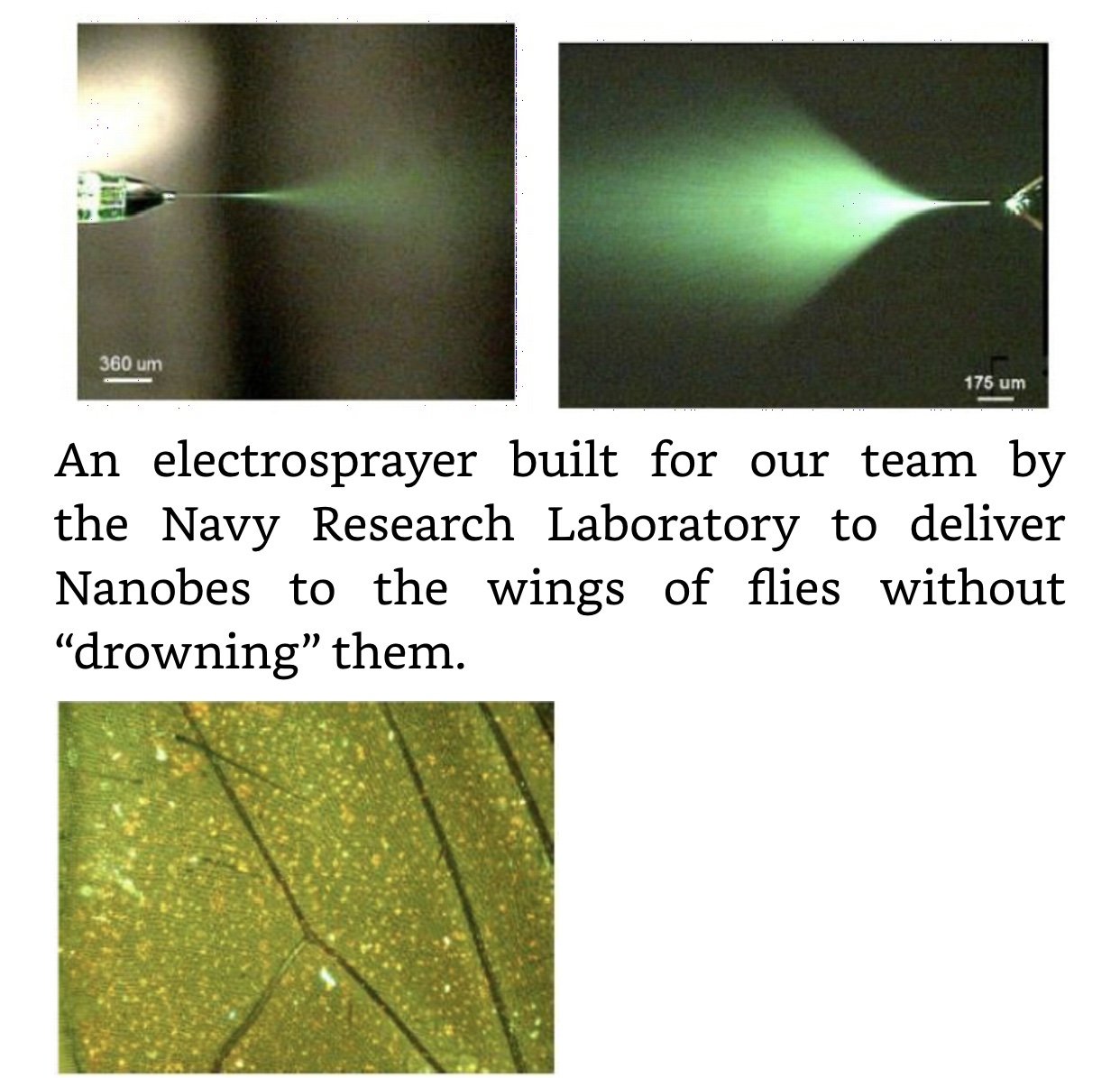
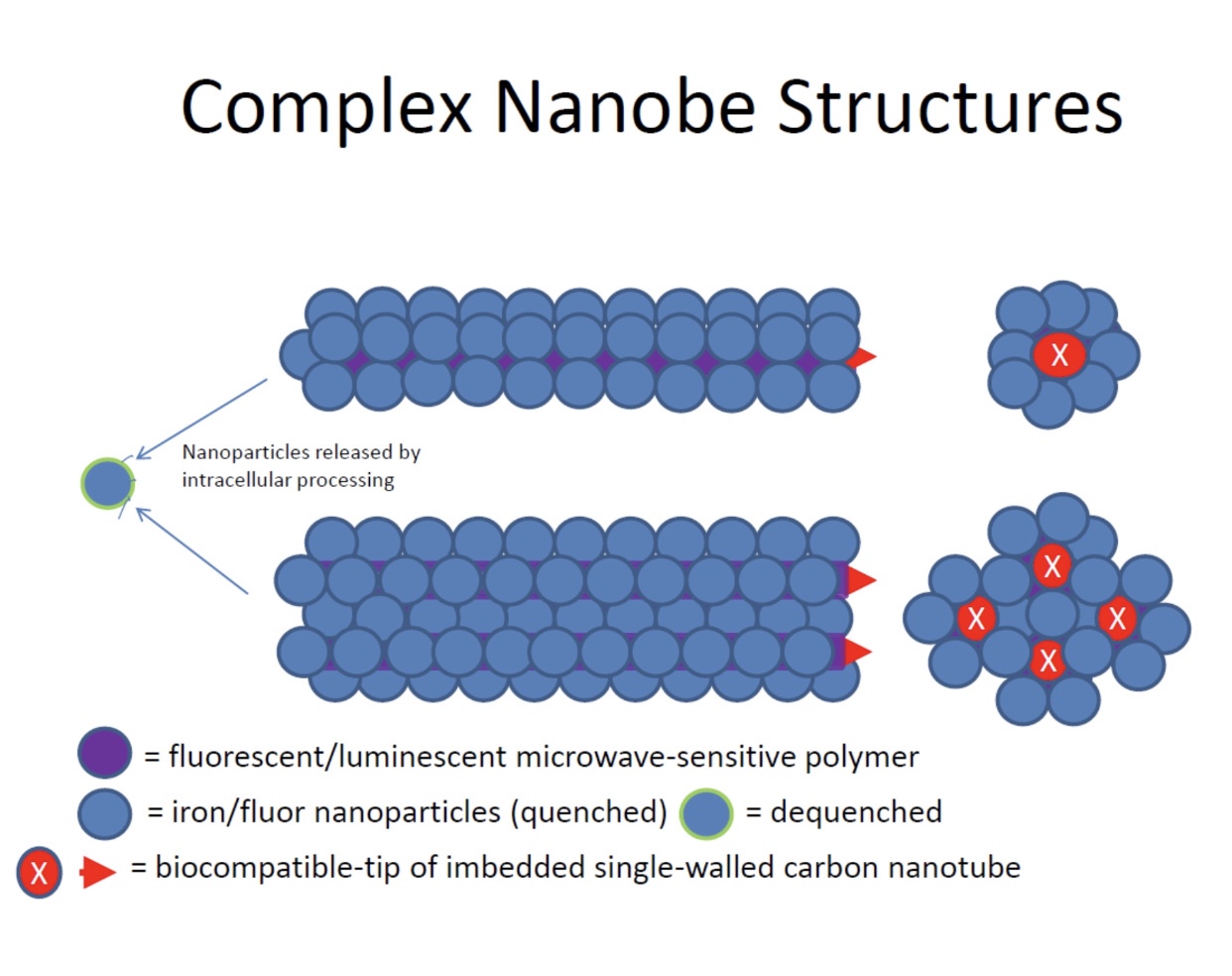
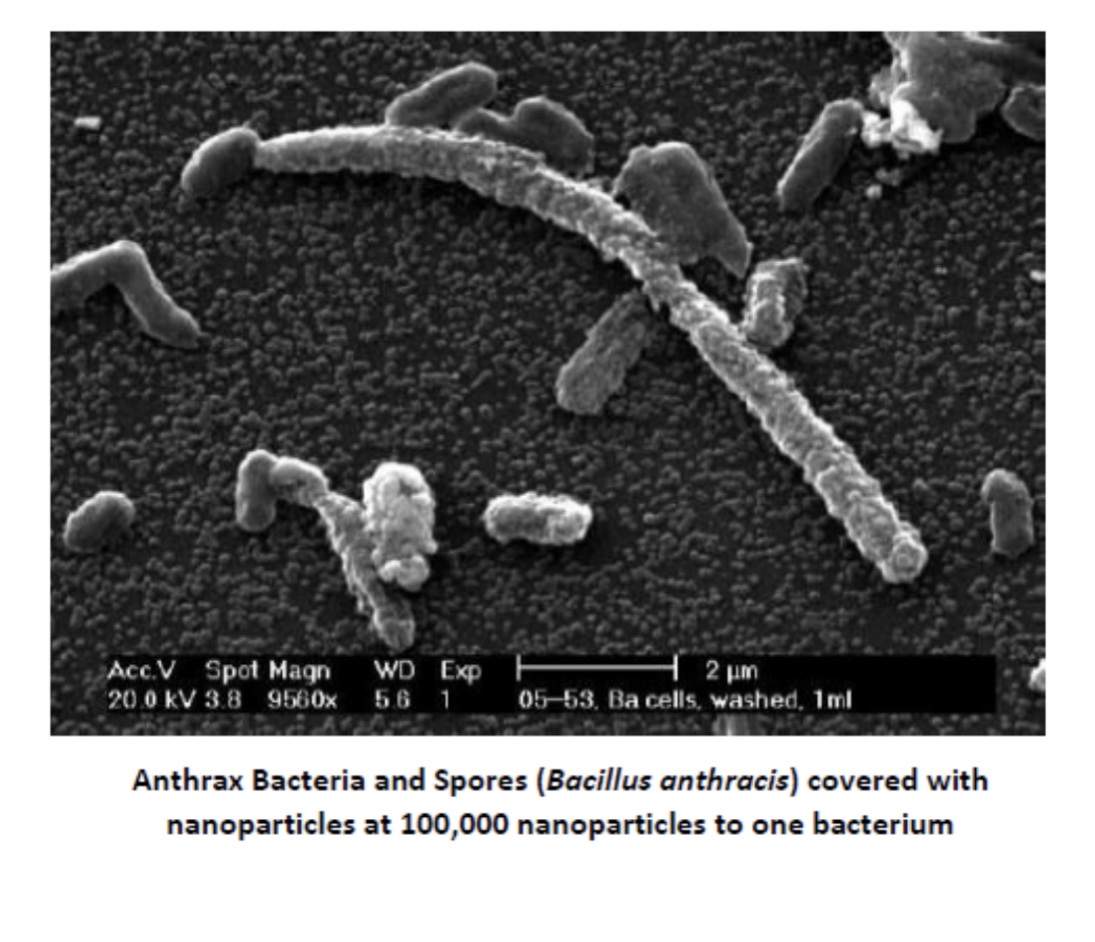
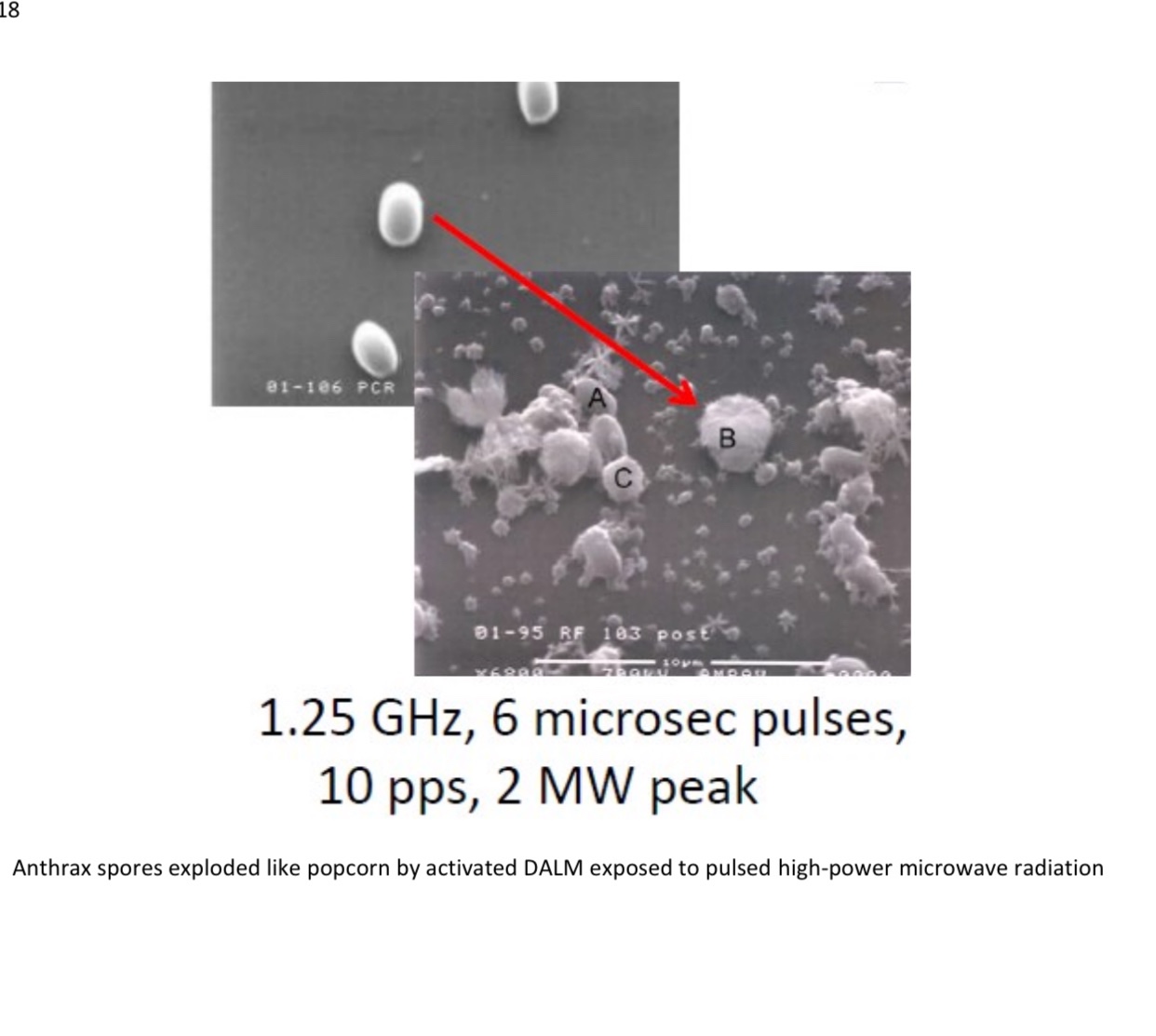
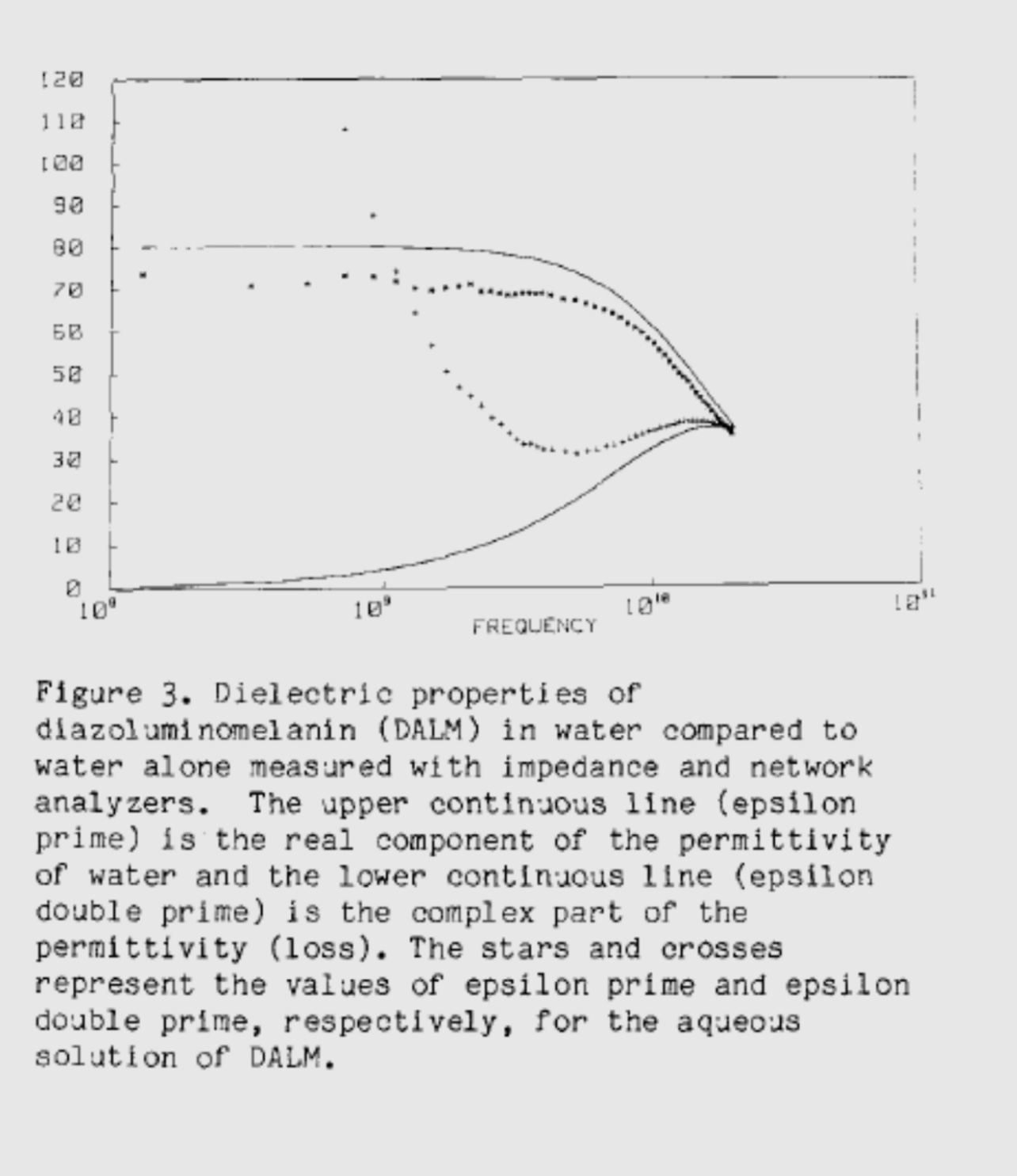
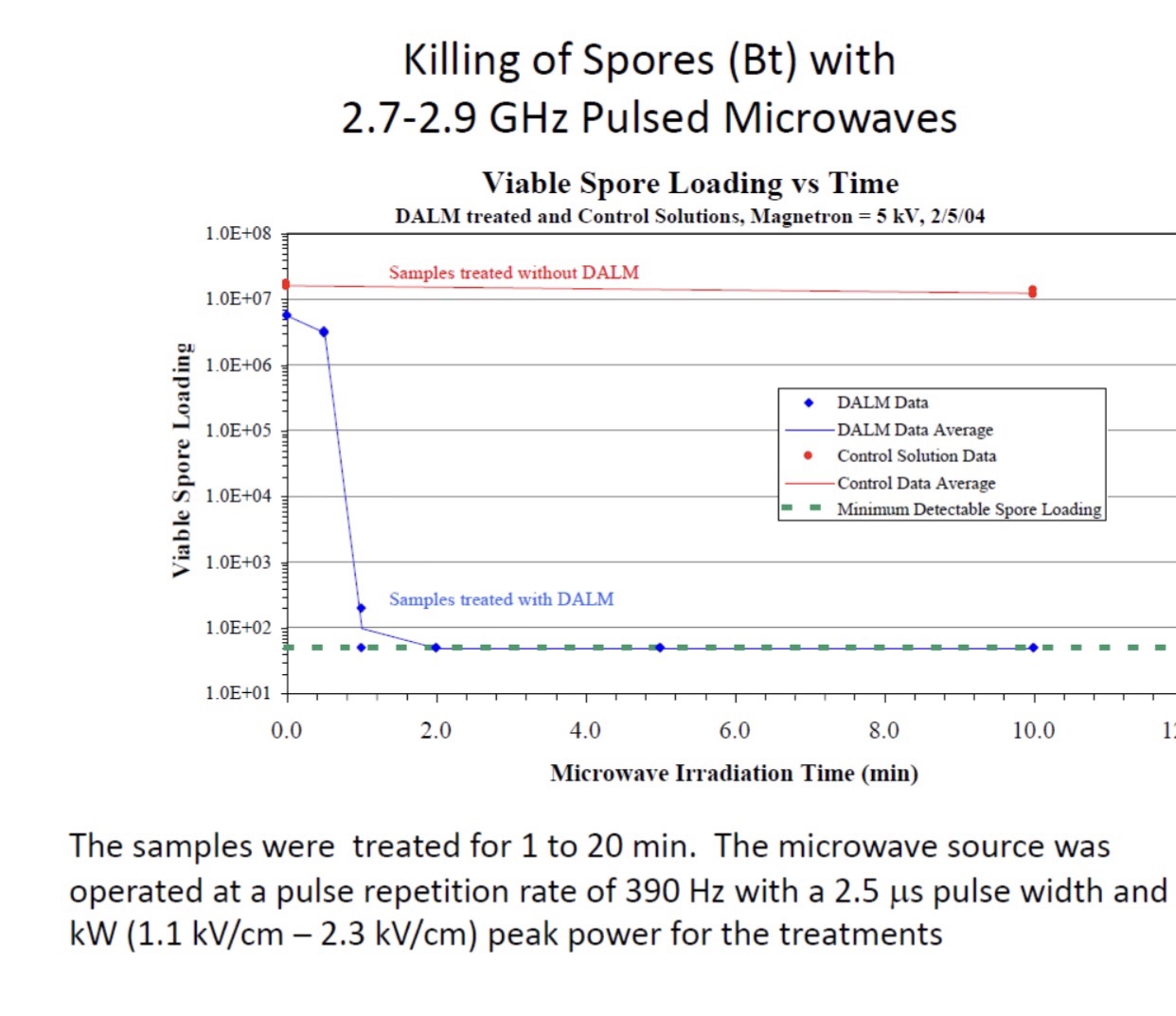
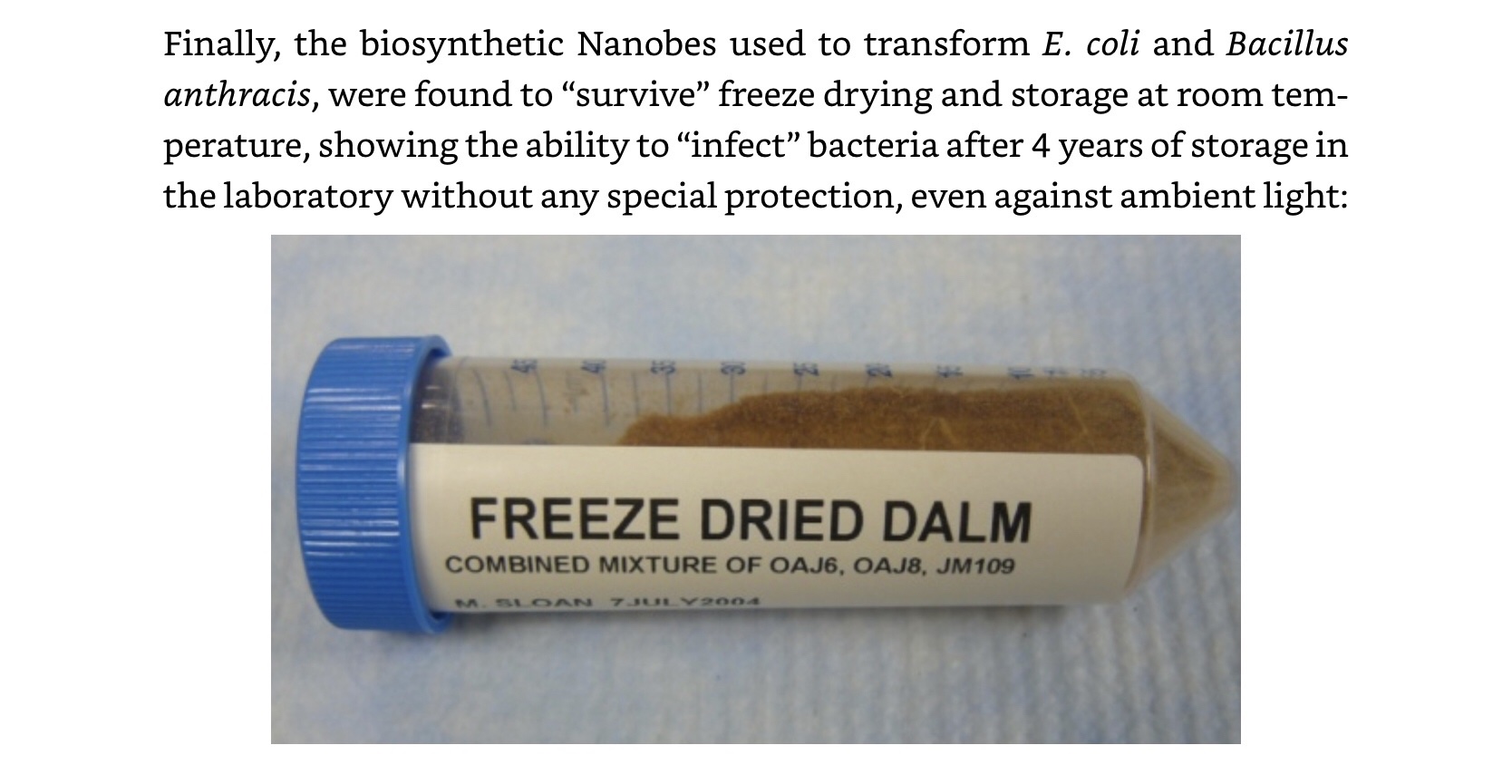
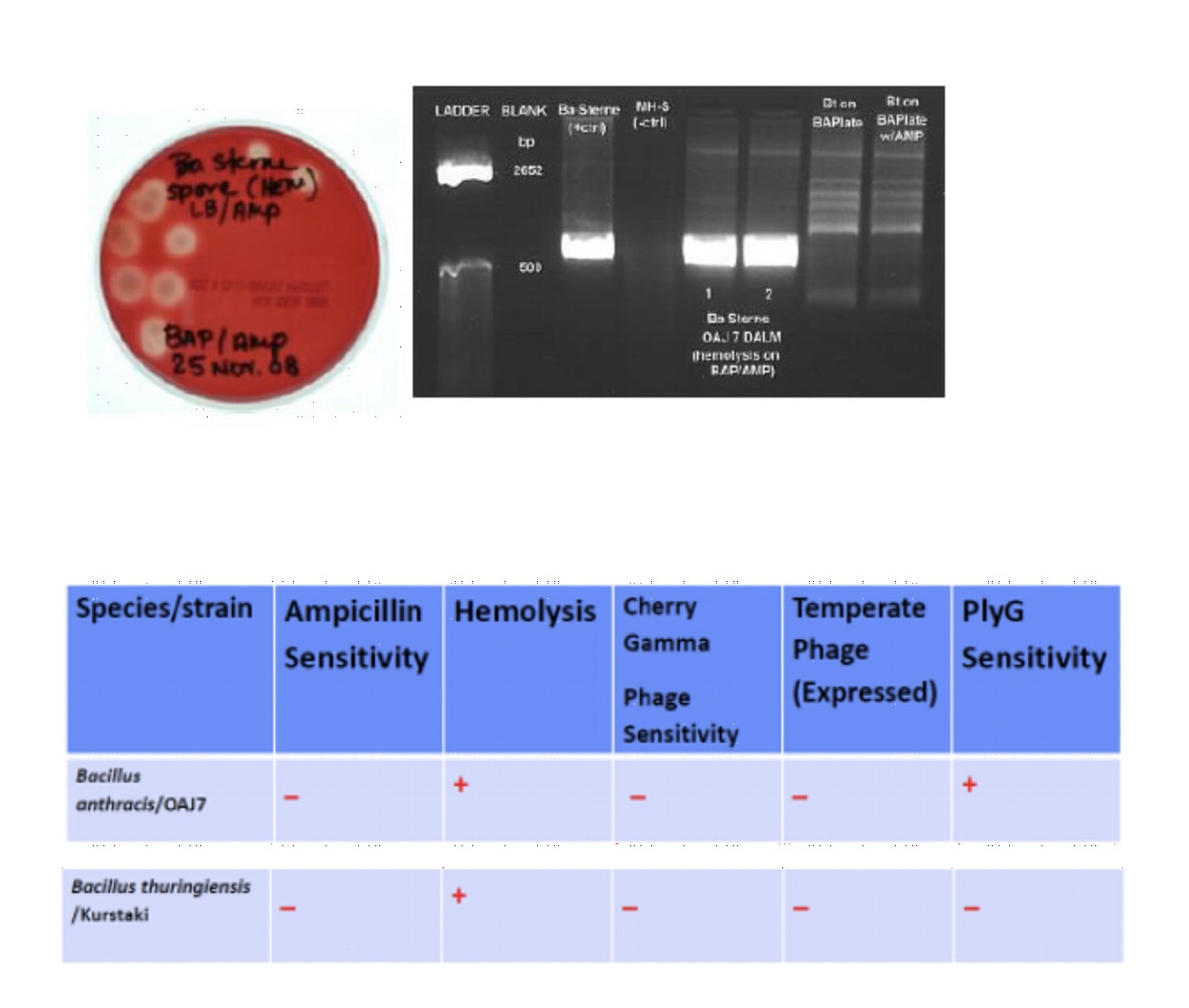
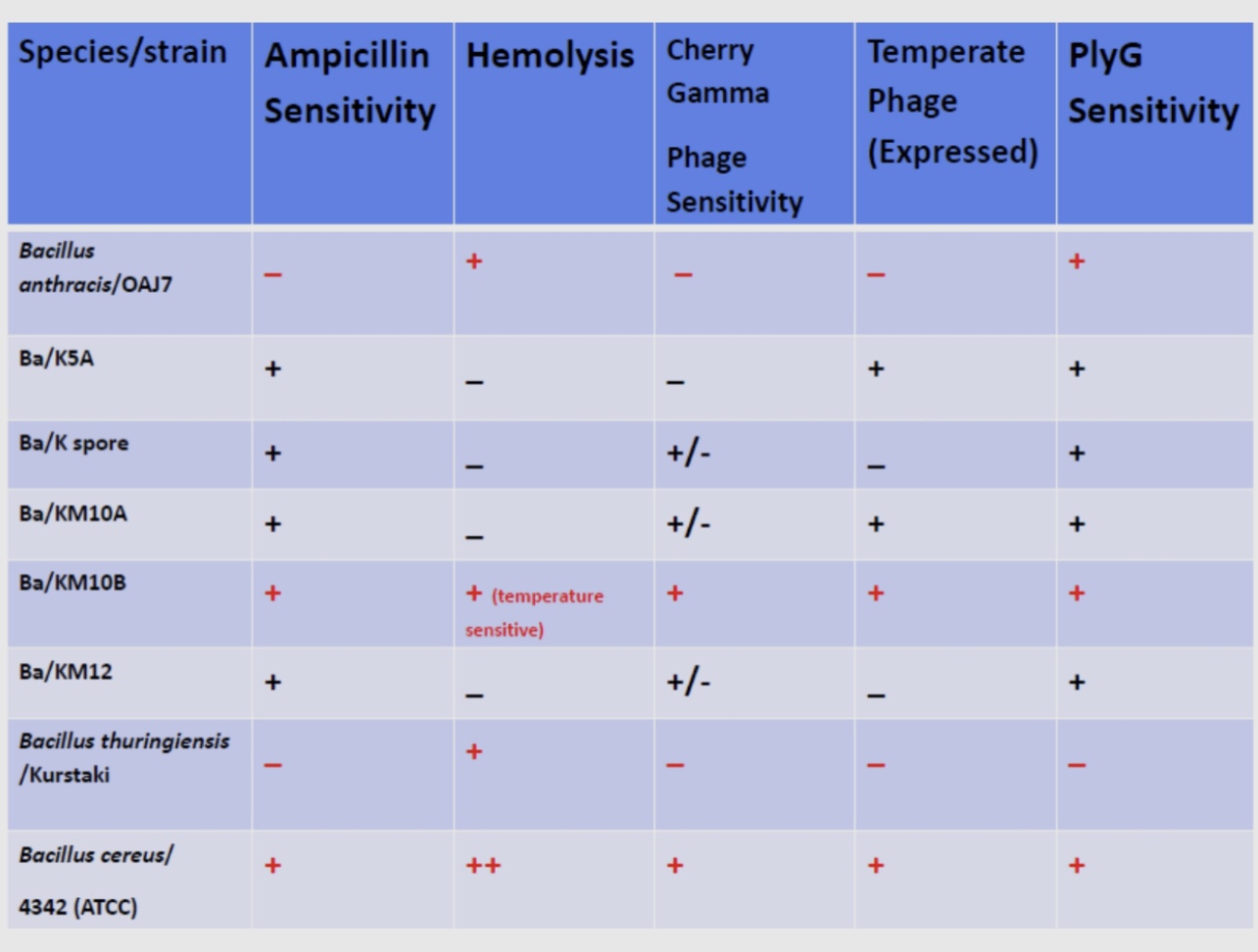
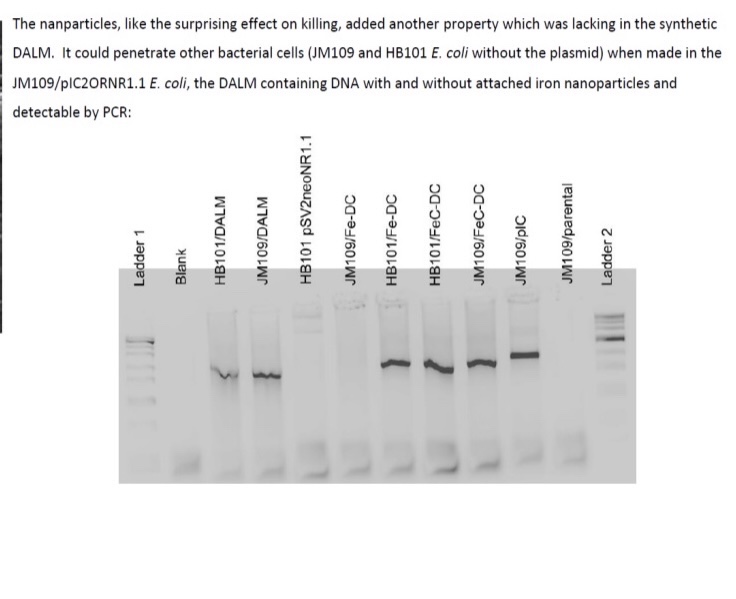
In short, here was the proposal, another chance for a versatile, rapidly responding technology against emerging parasitic and infectious disease killed before it was given a chance, so much for supporting innovation: “This One Health proposal is based on an invention by the Nobel Laureate Dr Kary Mullis (December 28, 1944-August 7, 2019). The platform has been described in detail in enabling US and international patents and peer reviewed scientific papers. The technology is presented in two complementary parts: (1) the nucleic acid aptamer with a chemical linker to recruit an existing immune response to a different natural agent or previous vaccine attached to an aptamer which links the sequences selected for binding in the lab to the target pathogen or parasite; and (2) a synthetic nanoparticle/nanofiber vector to carry the aptamers into the patient and target tissues by a convenient port of entry, releasing them at the site of infection or infestation. Also, a selection process and ruggedized prototype device for use under field conditions to collect target pathogens and isolate an appropriate binding aptamer for amplification and therapeutic use, which has been designed and undergone preliminary tests. A nanosprayer for topical and respiratory/mucous membrane delivery has also been developed; however, several types of nanospray delivery systems are now commercially available (for cosmetics). The same aptamers and vectors designed for therapeutics have been initially designed for diagnostics using fluorescence dequenching, thermochemiluminescence, magnetic capture, electron microscopy contrast media, and visible light microscopy staining and marking and diagnostically demonstrated against spotted fever type rickettsia, Bacillus anthracis (anthrax), botulinum toxin, Francisella tularensis (tularemia; in the field to confirm collection and isolation), and Shiga toxin (E. coli O157:H7, hemolytic uremic syndrome). Furthermore, the synthetic vectors have been made which transfer therapeutic or vaccine DNA to bacterial, animal and human cells, traceable by PCR, gene expression, fluorescence, and staining. The bacterial hosts have shown not only genetic transfer, but also subsequent production of transferable DNA and RNA in biosynthesized vector and subsequent transfer of the genetic material to naïve bacteria and further transfer in the same way for three more times. This biosynthetic form was also transferable to human and animal cells and detected by PCR. The transfer polymer (vector) made synthetically or biosynthetically, when activated, absorbs a wide range of electromagnetic radiation from UV to visible light to microwave and radiofrequency radiation. The polymer protects the DNA from nucleases and radiation damage until saturated (high energy pulsed radiation) then can cut or destructively damage DNA or RNA by free radical generation. The microwave killing mechanism has been demonstrated against anthrax and other bacilli spores. A series of pictures showing the platform tracking and transferring infection of spotted fever-like rickettsia to target cells, and the biosynthetic composite platform transferring genes to target bacteria and human and animal cells in culture were presented as well as the nanospray delivery device.”
CARB-X was launched July 28, 2016, by two divisions of the US Department of Health and Human Services (HHS): the Biomedical Advanced Research and Development Authority (BARDA), which is part of the Office of the Assistant Secretary for Preparedness and Response (ASPR) and the National Institute of Allergy and Infectious Diseases. On 7 January 2020, CARB-X released a press release that CARB-X backs Centauri to advance a new platform that combines antibiotic power with the ability to boost the immune system to fight infections caused by drug-resistant bacteria centauritherapeutics.https://carb-x.org/carb-x-news/carb-x-backs-centauri-to-advance-a-new-platform-that-combines-antibiotic-power-with-the-ability-to-boost-the-immune-system-to-fight-infections-caused-by-drug-resistant-bacteria/ Combating Antibiotic-Resistant Bacteria Biopharmaceutical Accelerator (CARB-X) is a global non-profit partnership for accelerating antibacterial research to address global rising threat of drug-resistant bacteria. It controls up to US$480 million to invest, 2016-22; CARB-X funds the best science from around the world. The CARB-X portfolio is the world’s largest early development pipeline of new antibiotics, vaccines, rapid diagnostics and other products to prevent, diagnose and treat life-threatening bacterial infections. CARB-X is led by Boston University and funded by US Department of Health and Human Services Biomedical Advanced Research and Development Authority (BARDA), part of the Office of the Assistant Secretary for Preparedness and Response (ASPR), the Wellcome Trust, a global charity based in the UK working to improve health globally, Germany’s Federal Ministry of Education and Research (BMBF), the UK Government’s Global Antimicrobial Resistance Innovation Fund (UK GAMRIF), the Bill & Melinda Gates Foundation, the world’s largest foundation dedicated to improving the quality of life for individuals around the world, and receives in-kind support from National Institute of Allergy and Infectious Diseases (NIAID), part of the US National Institutes of Health (NIH). CARB-X headquarters are at Boston University School of Law. BARDA and the Gates Foundation were appealed to in 2013 and 2012, respectively, for support of the US (our proposal, submitted again to CEPI in October 2019, with Dr Mullis’s collaboration just prior to his passing on August 7, 2019) improvements in chemically programmable immunity using the Nanobe platform, but we were totally ignored by these two. How many times can a good idea be turned down? Until it becomes someone else’s.
The power of selective kill:


 Global Biosurveillance