Hot off the Presses: Positive Immune Response is More Robust to SARS-CoV-2 Than Previously Thought

T cell memory and mucosal immunity develop in asymptomatic as well as mildly symptomatic individuals infected with SARS-CoV-2. Anti-CoV-2 antibody was detected in serum and saliva, with peak IgG levels by 16-30 days after disease onset. Whereas anti-CoV-2 IgA antibodies rapidly decayed, IgG antibodies remained up to 115 days in both saliva and serum (https://www.medrxiv.org/content/10.1101/2020.08.01.20166553v1 and https://www.medrxiv.org/content/10.1101/2020.07.18.20155374v1). Those recovered from mild COVID-19 developed SARS-CoV-2-specific IgG antibody and neutralizing plasma, as well as virus-specific memory B and T cells which persisted, and in some cases increased over three months following symptoms’ appearance. Furthermore, the SARS-CoV-2-specific memory T and B cells exhibited potent antiviral immunity: memory T cells secreted IFN-γ and increased in number after second viral exposure, while memory B cells expressed receptors that neutralized virus and led to expressed neutralizing antibodies (https://www.medrxiv.org/content/10.1101/2020.08.11.20171843v2). Most importantly, SARS-CoV-2-specific T cells were detectable in antibody-seronegative exposed family members and recovered individuals with a history of asymptomatic and mild COVID-19. The data shows that SARS-CoV-2 induces robust, broad and highly functional memory T cell responses, implying natural exposure, vaccination, or infection may prevent reinfection and severe COVID-19 (https://www.cell.com/cell/pdf/S0092-8674(20)31008-4.pdf?_returnURL=https%3A%2F%2Flinkinghub.elsevier.com%2Fretrieve%2Fpii%2FS0092867420310084%3Fshowall%3Dtrue .

Origin of Nanobe Pathogen Killers

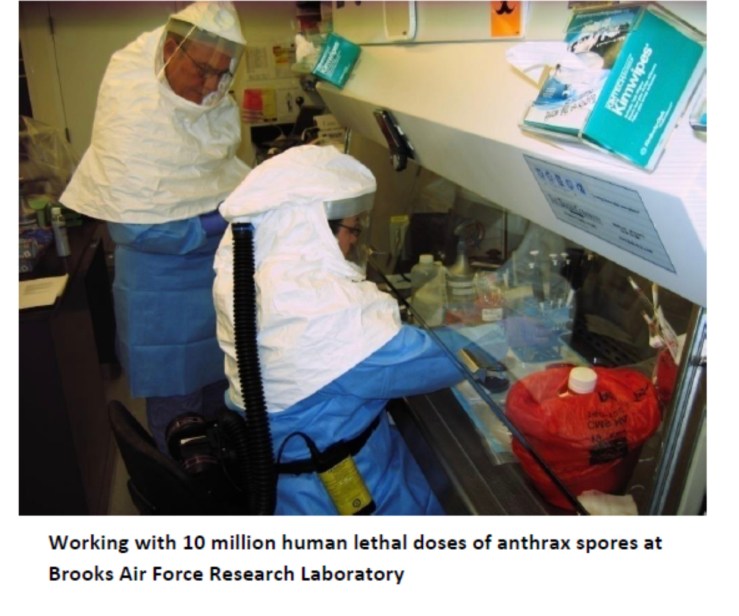
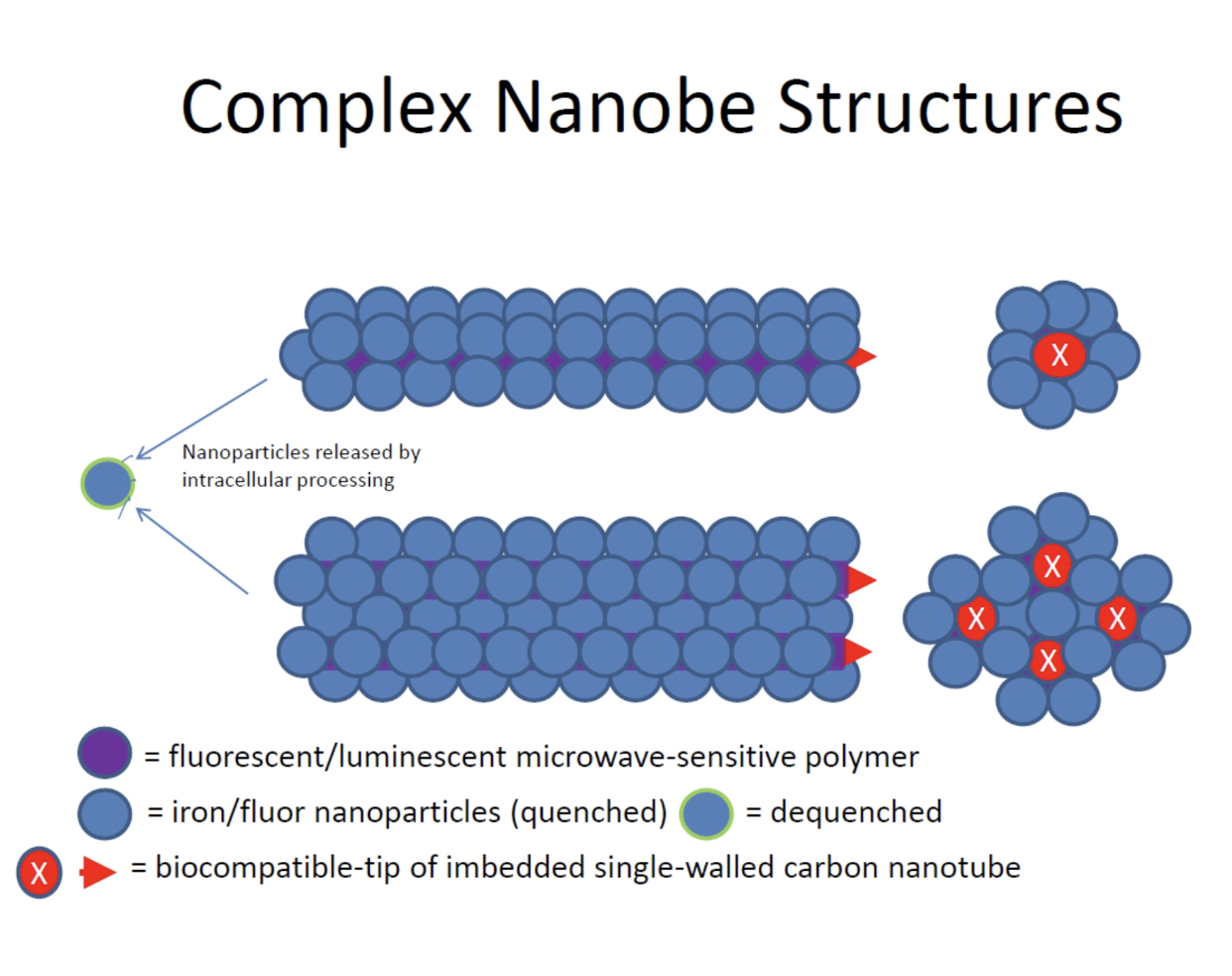
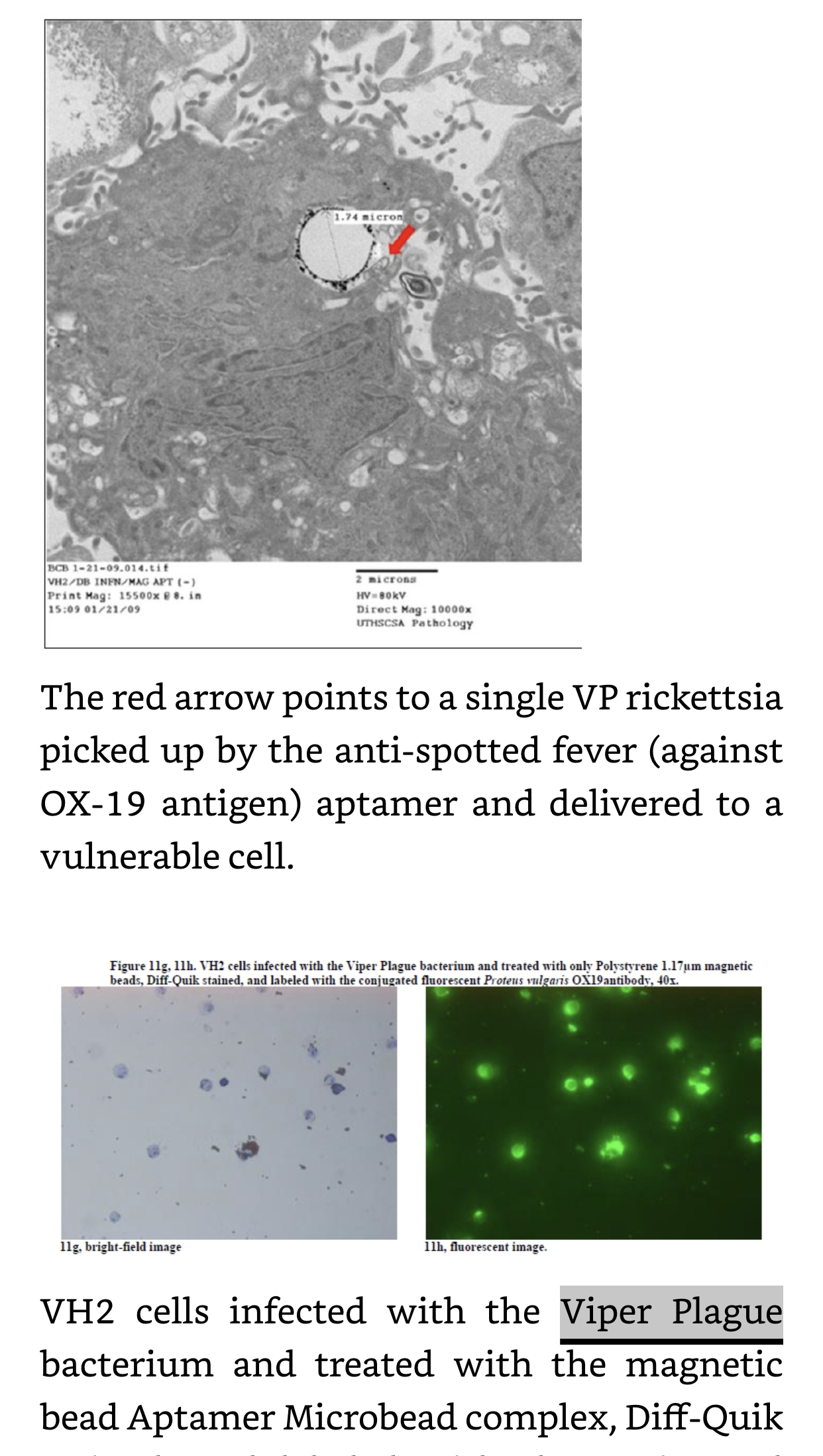
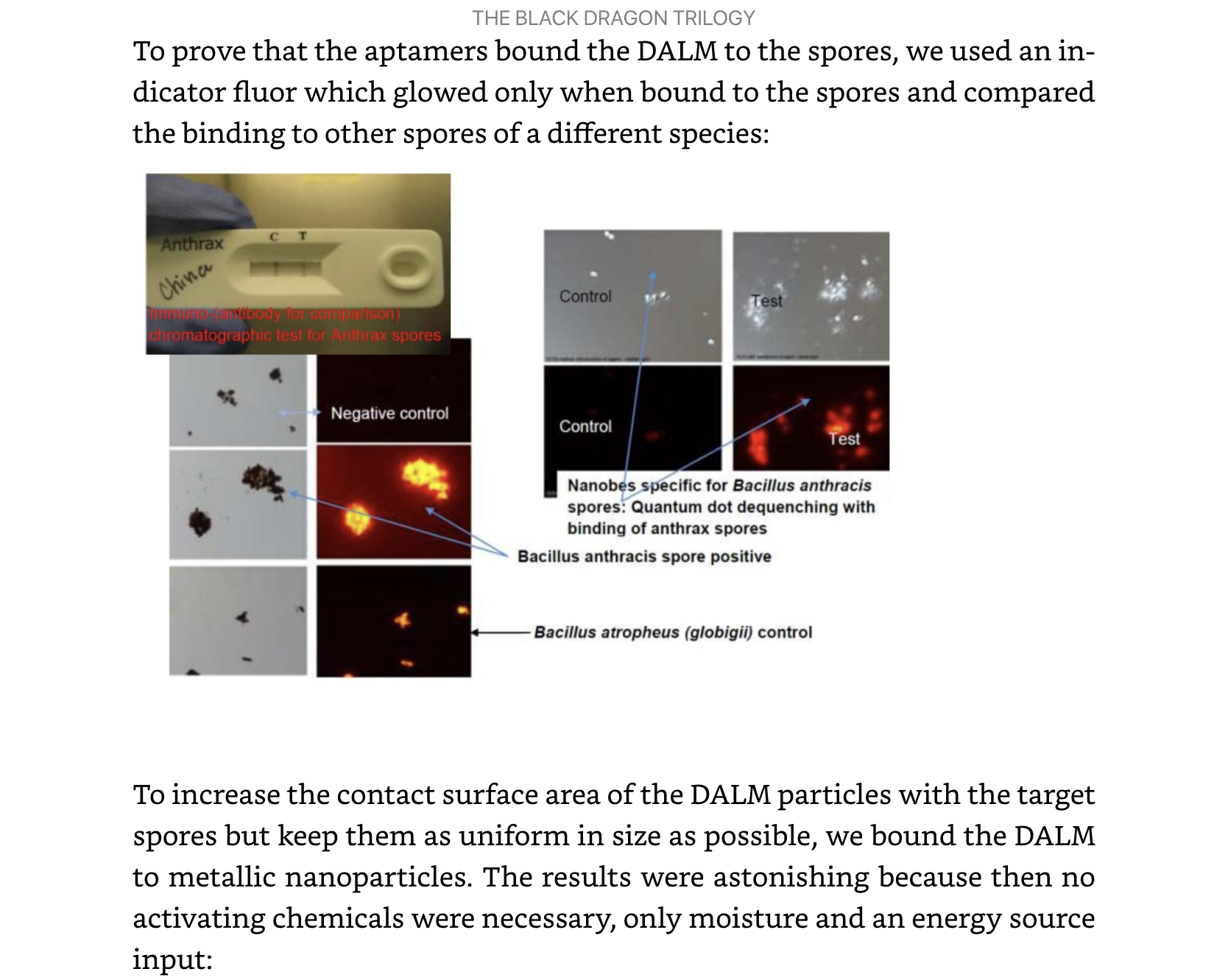
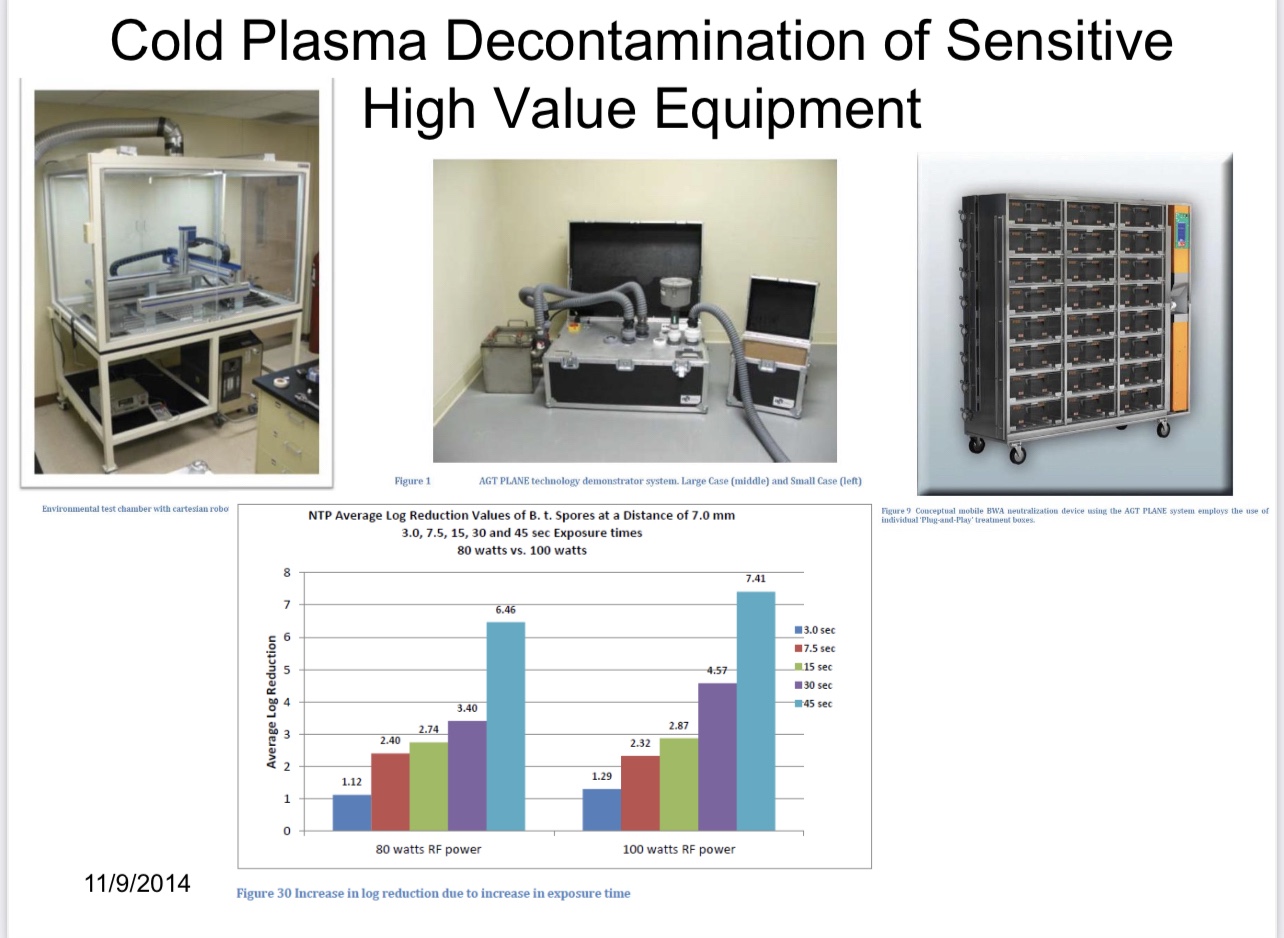
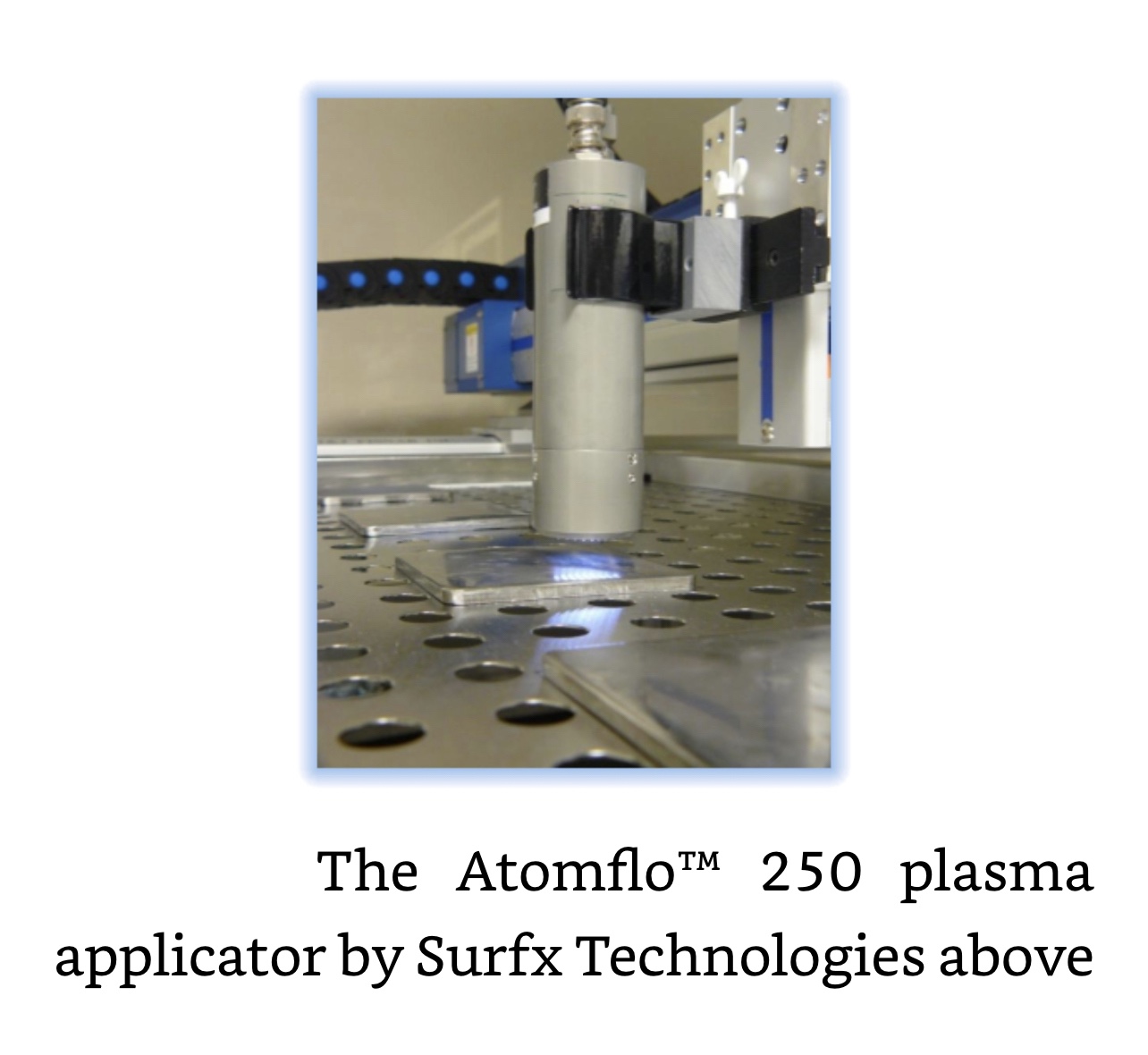
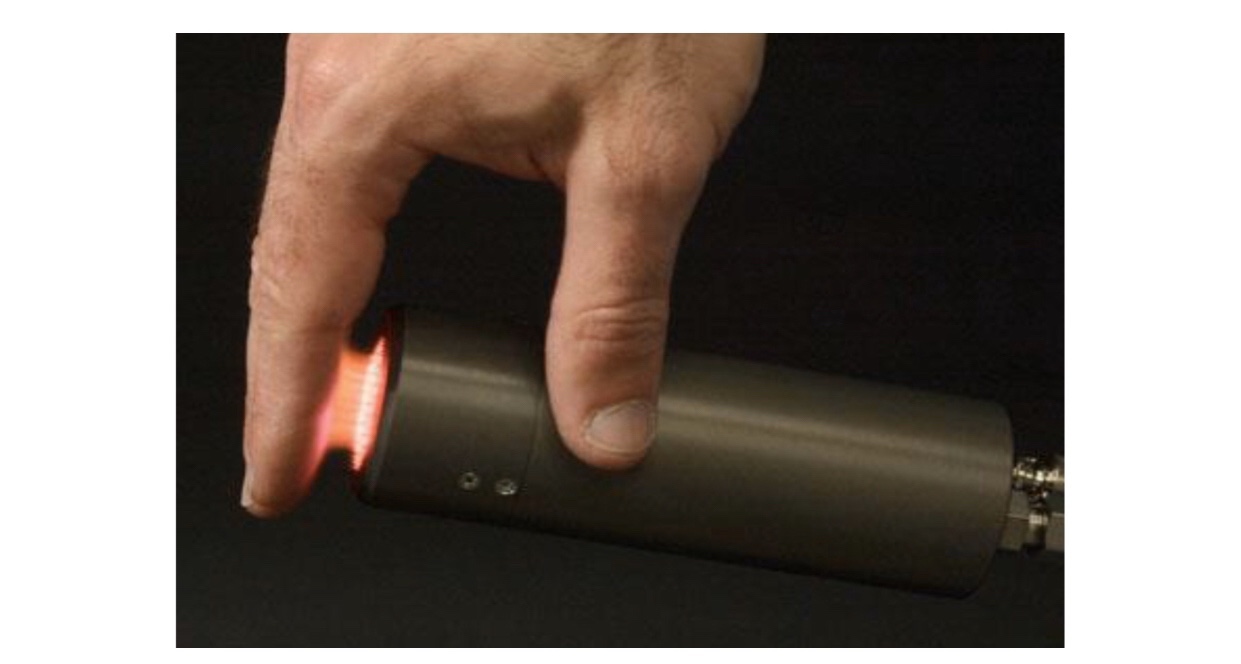
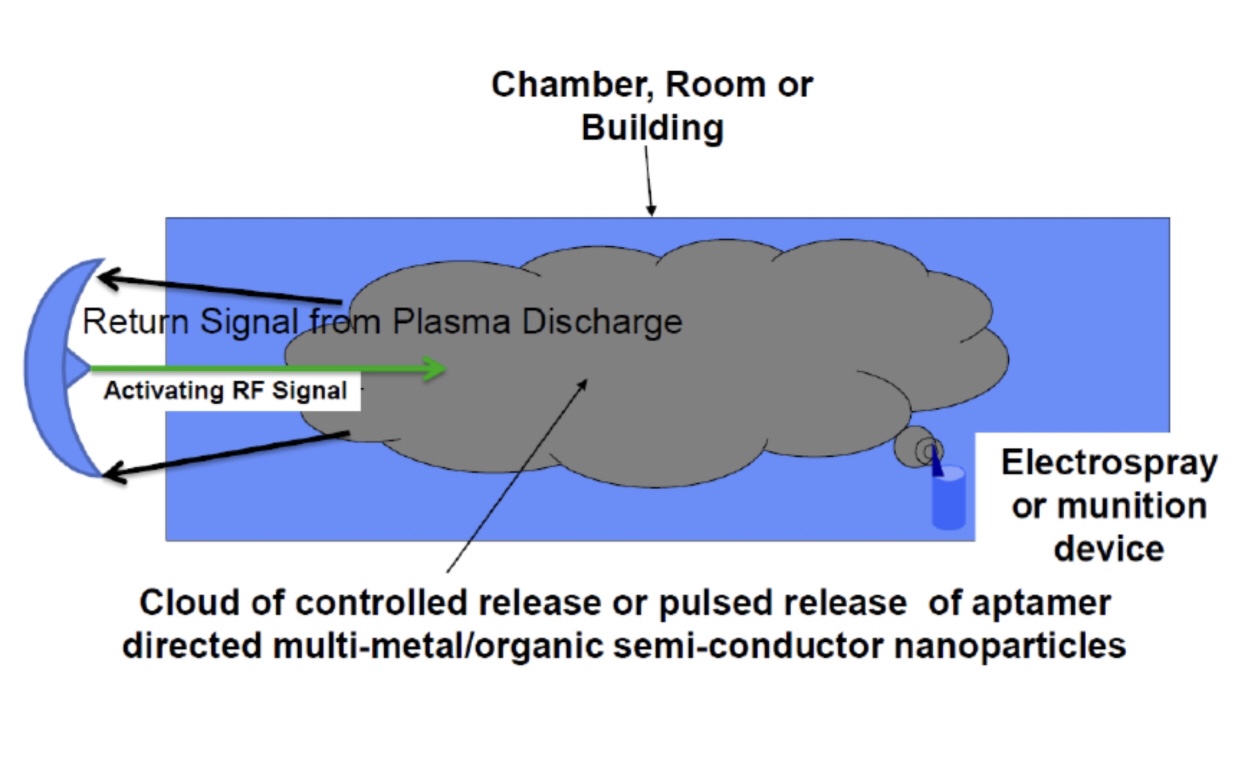
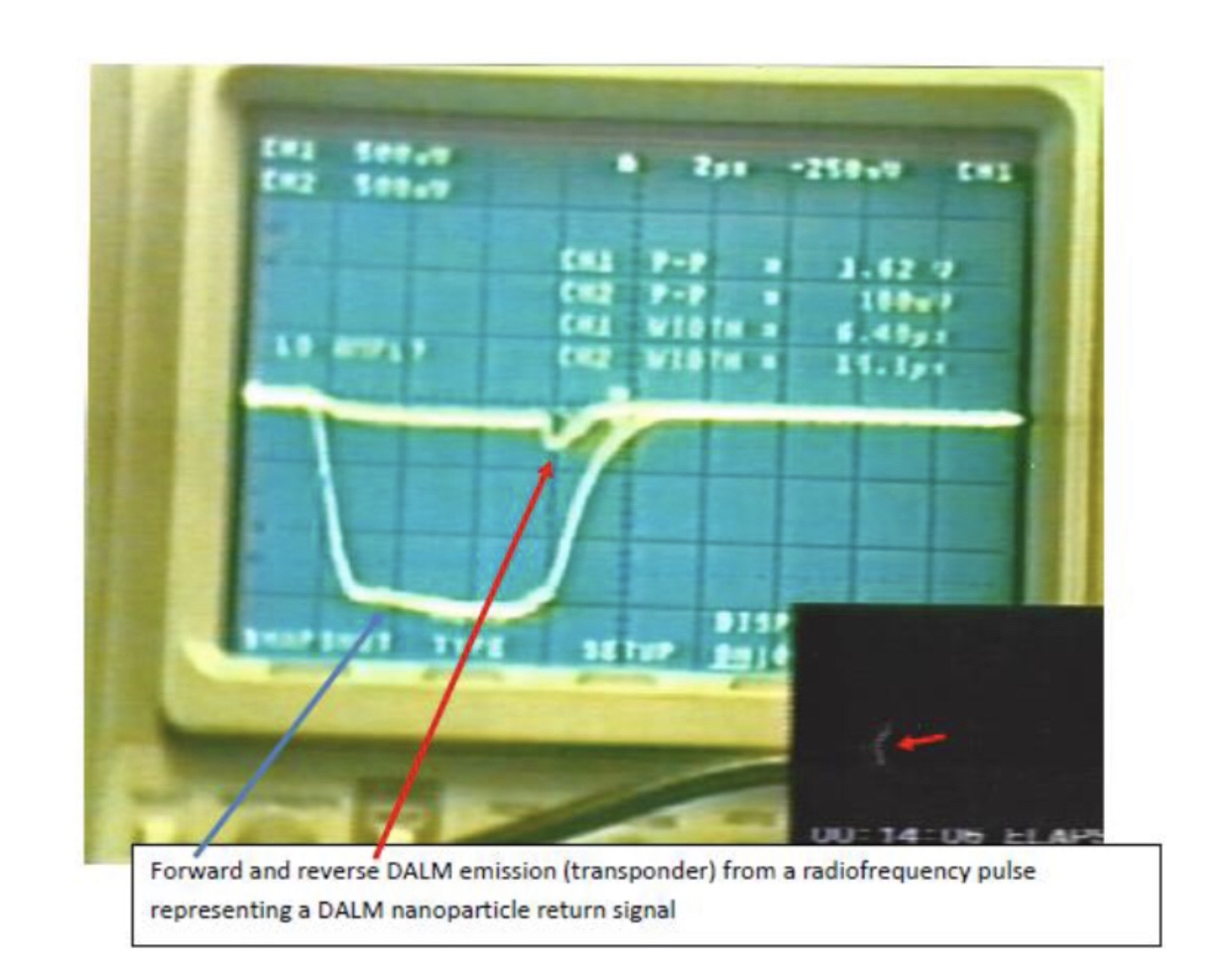
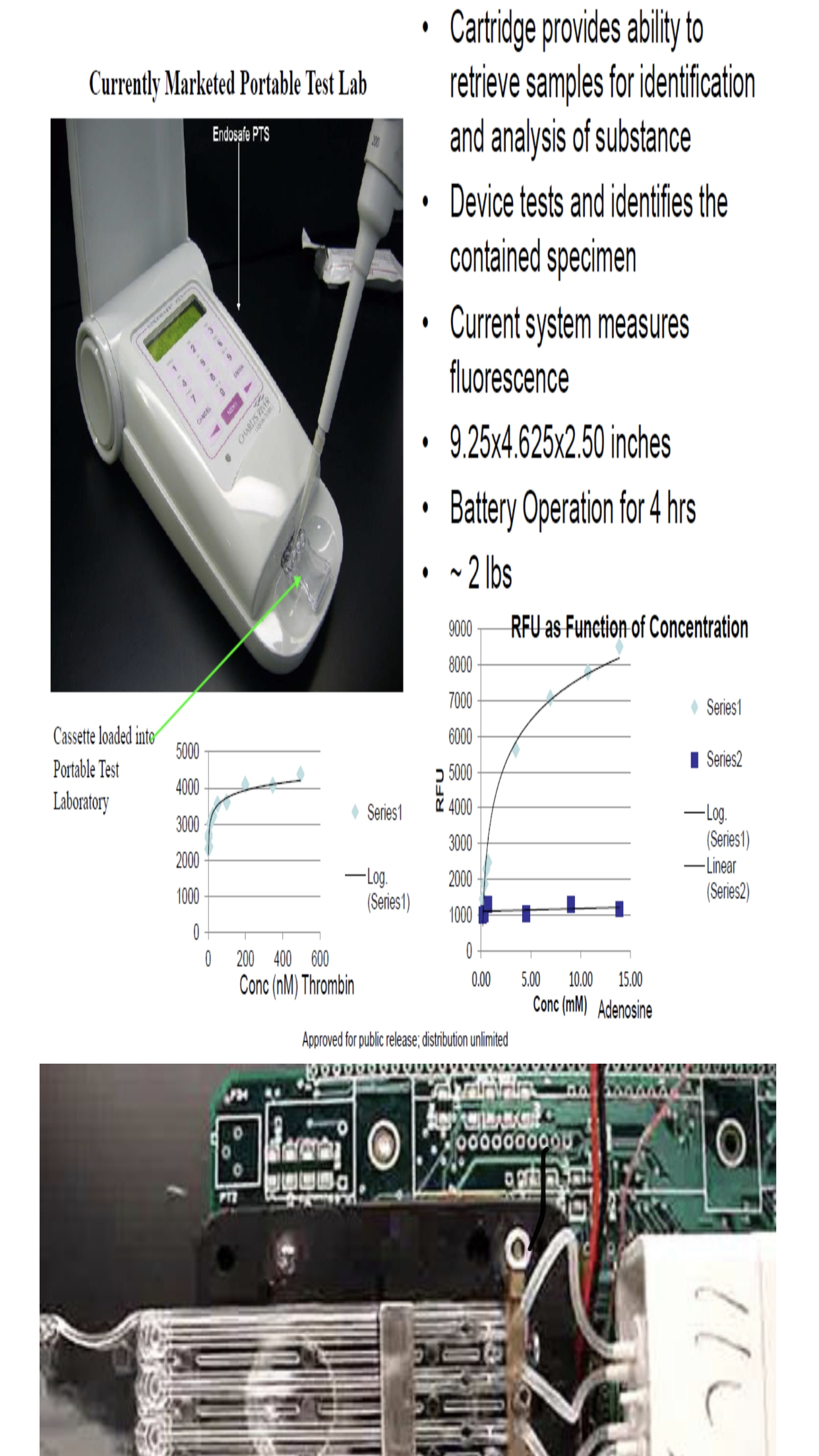
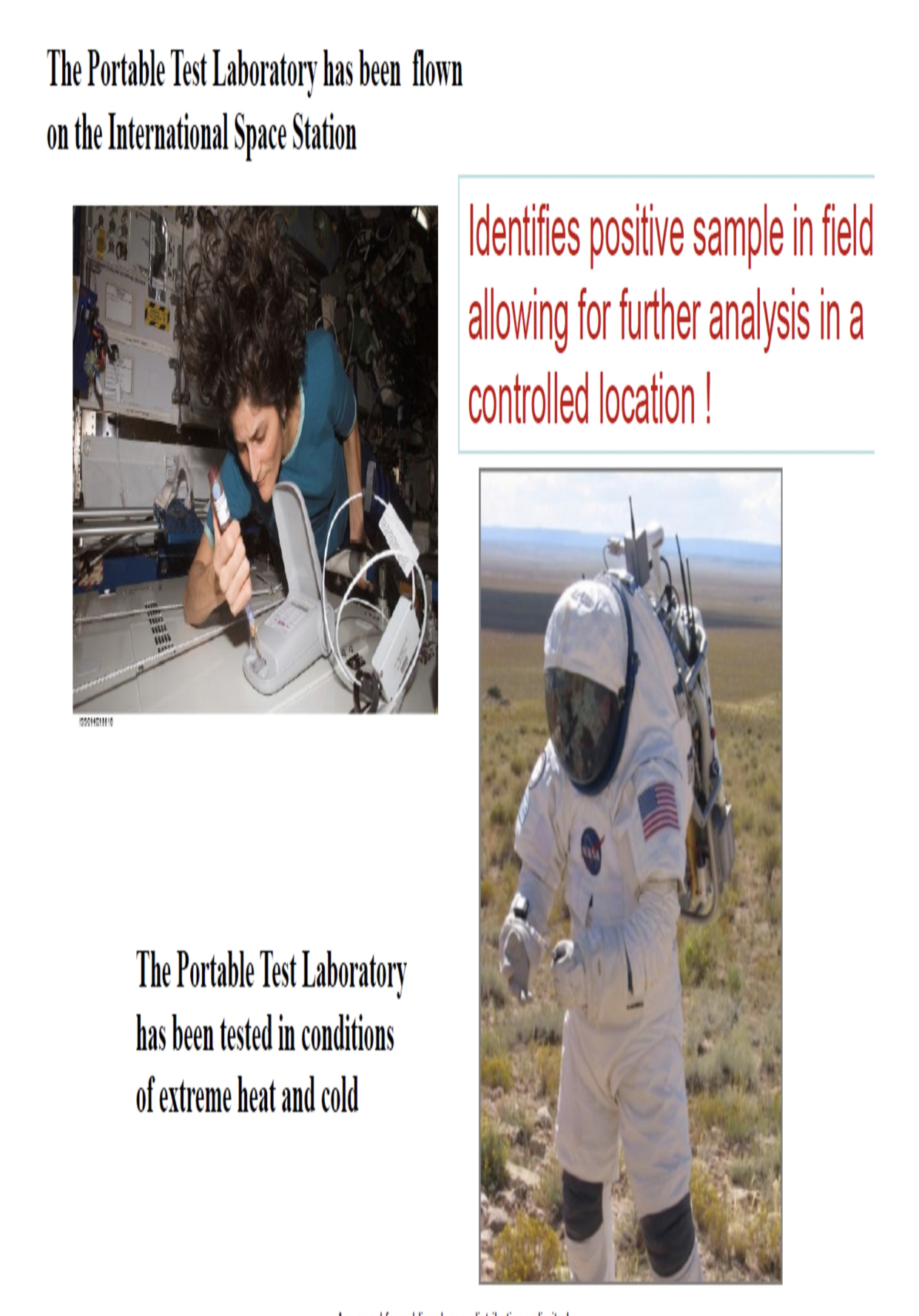
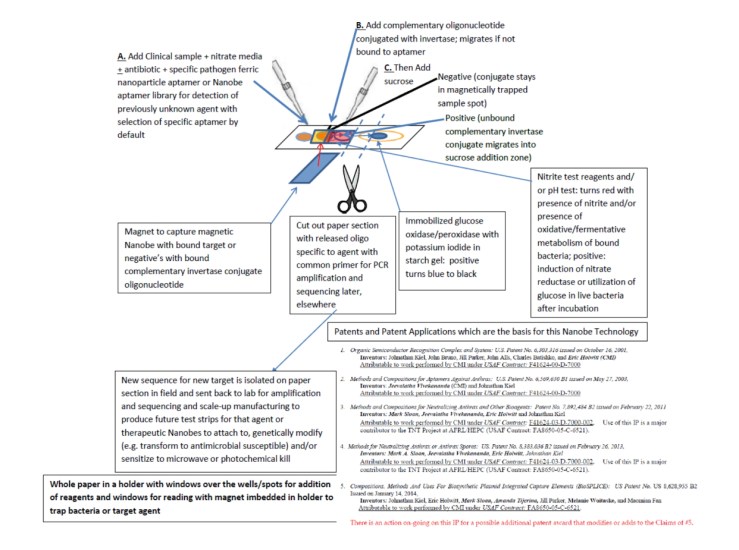
I am taking a pause from COVID updates, since much of the literature for now are just iterations of previous information, to explain a major motivation for opening the conversation on emerging infectious diseases in the first place. The USAF AFRL Counterproliferation Team’s original motivation was to meet Special Forces needs in Biodefense. They were to quickly detect, identify, safely secure and bring back biological samples from non-permissive territory for further analysis. They needed a way to keep agents alive and safely secure as well as a method to detect them on contaminated surfaces, and precisely and non-destructively kill them without damaging or destroying sensitive equipment. Out of this evolved the synthetic Nanobes which could detect and reveal agents in samples or on surfaces by fluorescence, magnetically collect them after specifically attaching to the agent through synthetic binding short poly nucleic acids (aptamers), and even destroy them by microwave or radio frequency radiation or indicate the agents destruction by simultaneous loss of fluorescence as with cold plasma. The use of random aptamers even allowed for the detection and selection of new Nanobes in the field for future specific use. Unfortunately, the technology to meet these Special Forces’ needs brought up nefarious dual use as an offensive weapon which placed the nanotechnology in international law limbo. I still think it has great promise and this is why I am sharing the information now here and in my books.

Replicating Nanobes can Kill Pathogens

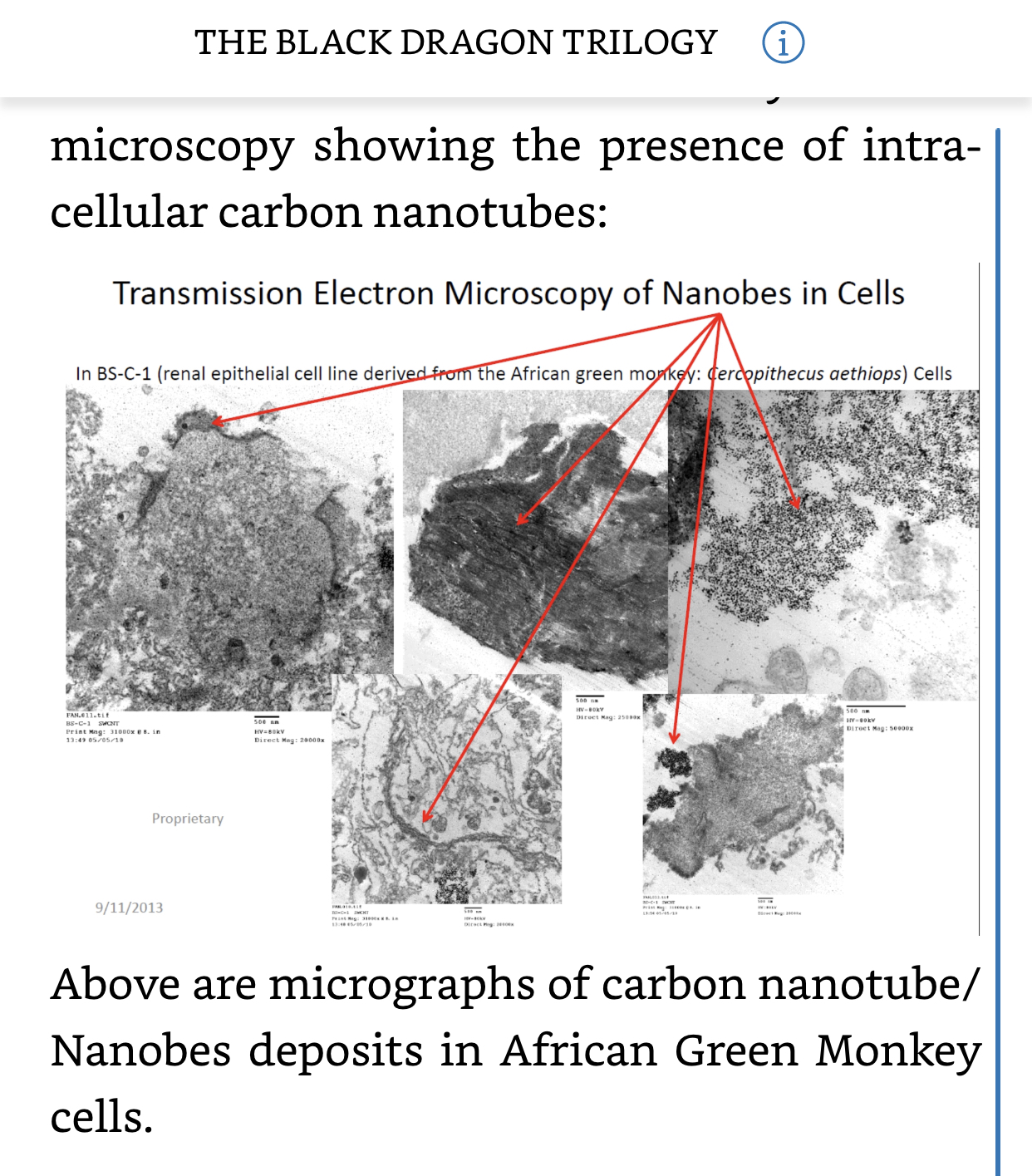
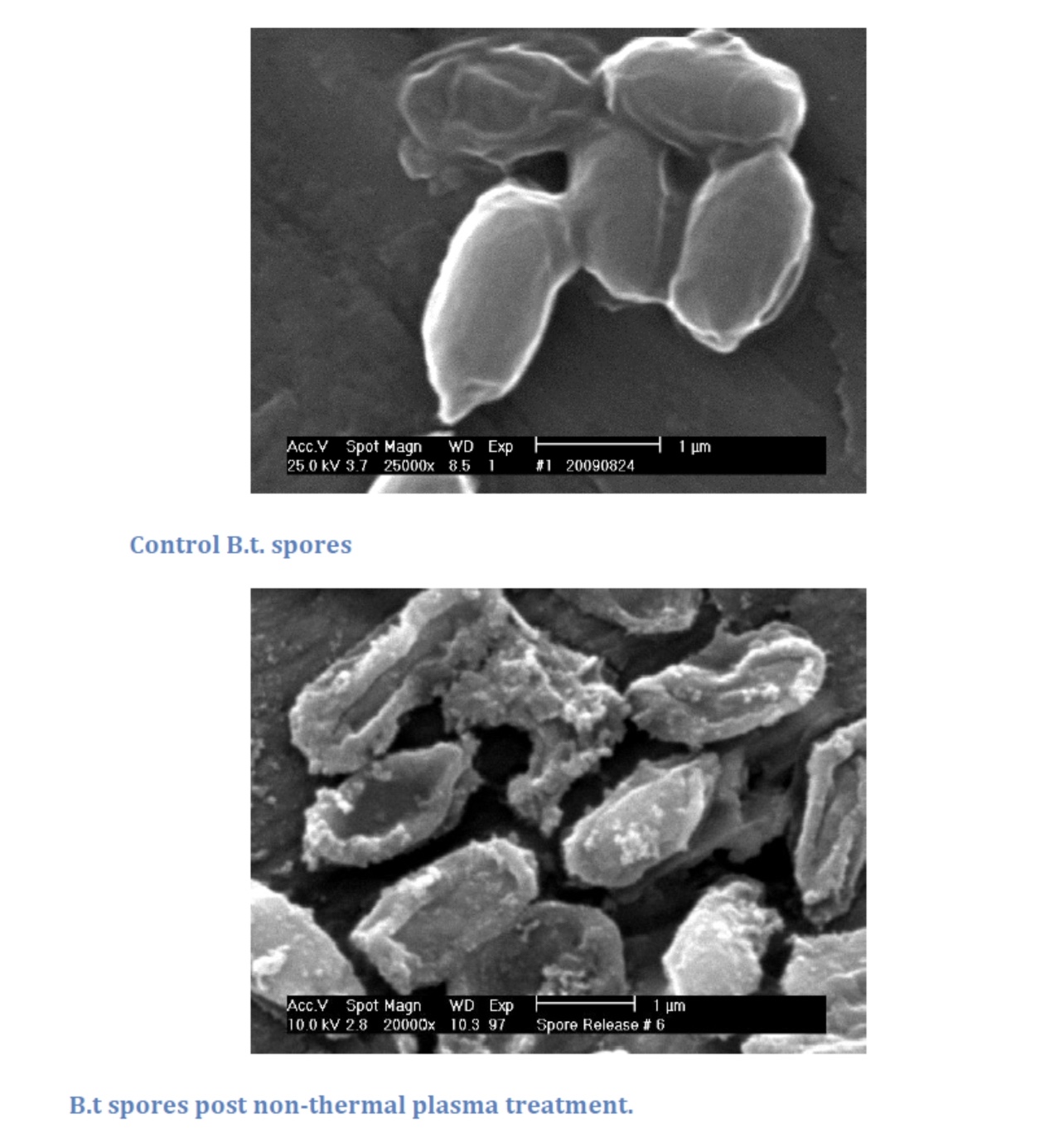
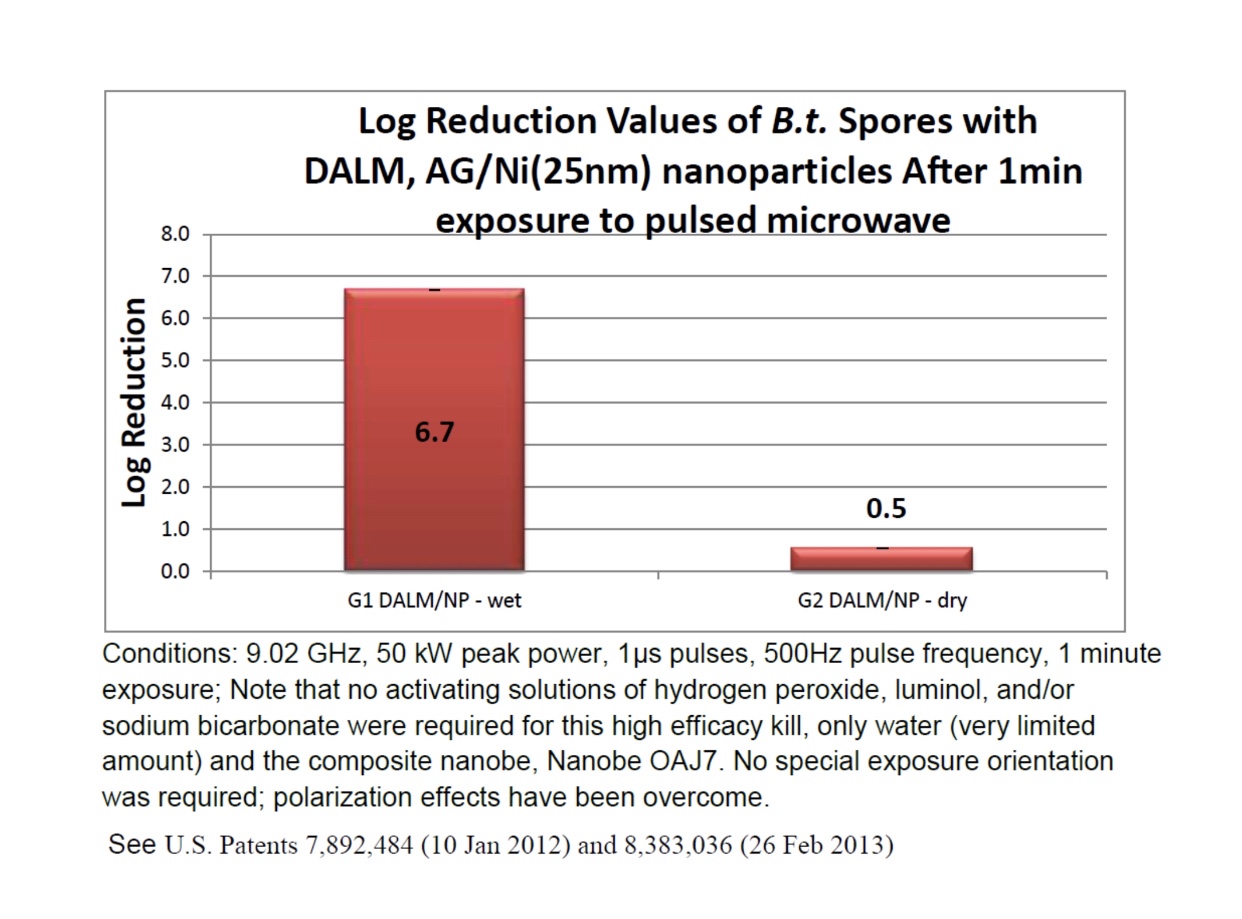
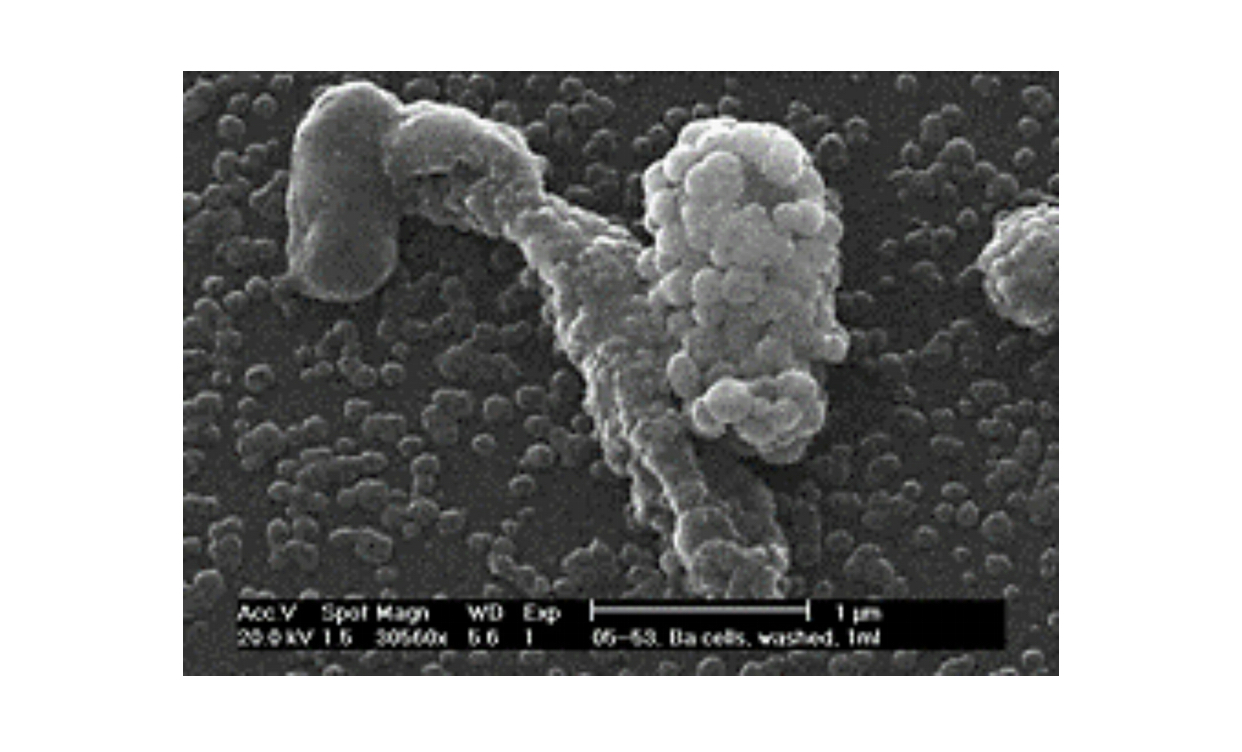
How Nanoparticles can kill biological agents: other bacilli and anthrax spores (lower picture at 100,000 Nanobes to one bacterium or spore). These Nanobes can be replicated in host bacteria, animal and human cells. They are activated by low energy (total) electromagnetic radiation and can also inactivate viruses.

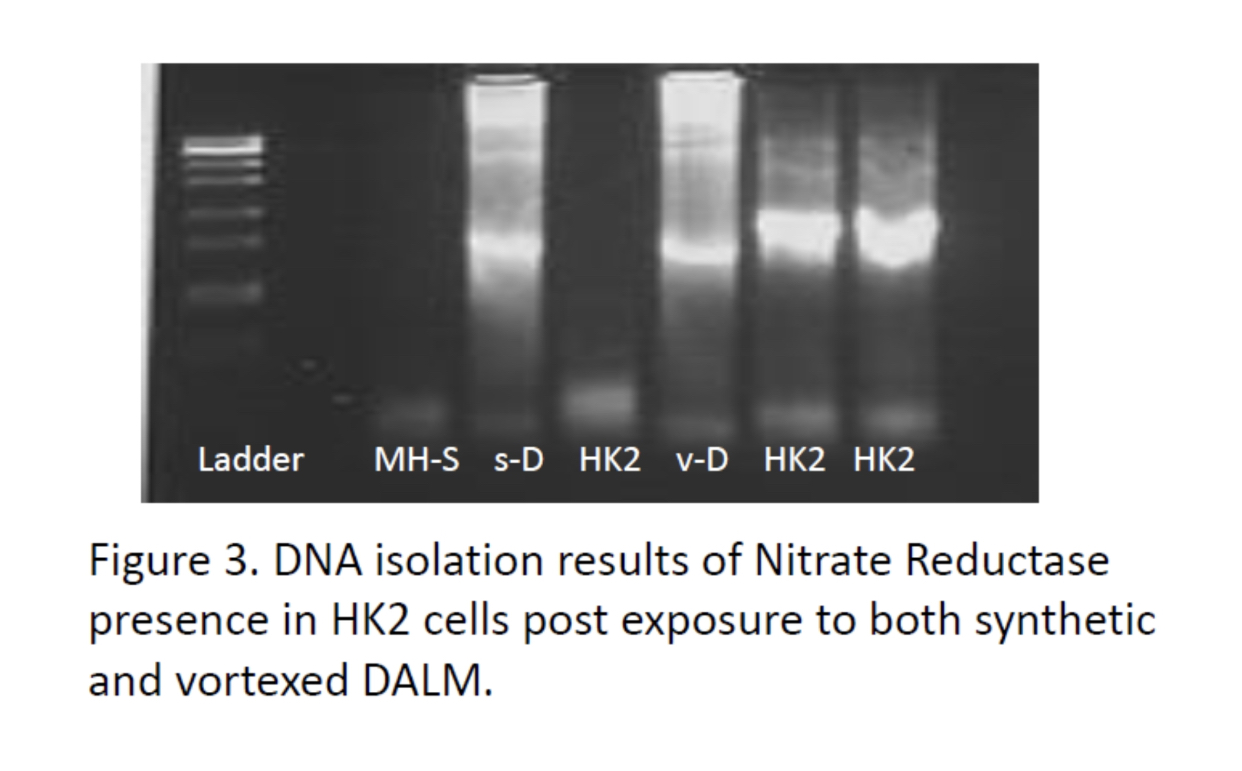
Toward the end of research at Brooks City-Base, San Antonio, Texas, Air Force Research Laboratory, we investigated the in vivo antiviral (against vaccinia virus, a stand-in for smallpox virus) activity of Nanobes. “Oddly enough, when the DALM producing pSV2neoNR1.1 plasmid (also produced nitrite and nitric oxide) was used, whether with scrambled RNAi or not, the viral plaque formation was significantly inhibited. This meant the NR1.1 probably had a non-specific viral inhibiting effect perhaps by delaying the cell cycle progression preventing viral replication. Unfortunately, the mechanism or its optimization was never pursued because the research ended with Brooks demise”, in 2011. The Black Dragon Trilogy: Nanowarfare.

Relearning Biosurveillance and its Former Lessons the Hard Way: A Voice Crying in the Wilderness

After 46 years, approaching 50 years, now, only as an observer and interpreter of the scientific literature and data, I am deeply saddened by the state of COVID-19 (SARS-CoV-2), especially in the US, and less so in the world. But what distresses me more is the veterinary profession and to a lesser extent the medical profession (the latter excused because of their professional isolation from the natural world and all its animal occupants with their myriad of infectious diseases). Having been on the fringe between veterinary medicine and human medicine in the field (both literally and as far as subject matter) of diseases in nature transmissible to man and domestic animals, I have often been rejected at the tables of both and been in a sporadically supported field that was occasionally of interest to the military when in foreign lands and engaged in defending against biowarfare. One glaring frustration for me, in addition to the medical profession’s “surprises” about coronaviruses, which have been evident in animal coronaviruses and largely ignored for a long time, until SARS1, MERS, and now SARS2, when humans became involved, is the veterinary profession’s surprise about humans transmitting the zoonotic virus to animals (anthroponosis) (https://www.kbtx.com/2020/08/06/texas-am-research-project-identifies-first-covid-19-positive-cats-in-texas/; http://tx.ag/BCSCovidResearch) at my old Alma Matter. These zoonotic/anthroponotic occurrences in cats, dogs, and mink indicate the true nature of the virus, it newly spans humans and animals and doesn’t “see” a difference. It was exactly where global bio surveillance should have made the most difference, the time it works in most and best, between outbreaks and spillovers. Where it needs to be adequately supported by private and government resources, but when there is no global pandemic yet and therefore, these entities have the least interest and other more important priorities, it goes wanting. So sad and we are paying for this neglect in arrears.