Initial nonspecific response to BCG may be the responsible mechanism for benefits of BCG against COVID-19. Bacillus Calmette Guerin (BCG) stimulates NO (nitric oxide) production in macrophages… BCG treated peritoneal macrophages produced conditioned supernatants, when applied to epithelial cells, they respond by producing NO; active ingredients of conditioned medium were identified as gamma-interferon and TNF-alpha. The interactions of macrophage-generated NO with other cells are usually associated with killing action toward microbes but is not based simply on direct effects on viruses because NO has no effect on viral infectivity, but cellular and viral replication machinery which is vulnerable to NO. Besides the direct mutagenic potential effect of NO on nucleotide bases through deamination, the NO inhibits ribonucleotide reductases necessary for viral and cellular DNA replication; elevations in cGMP levels delay reactivation of Herpes Simplex virus from latent state, through guanylate cyclase activation, with NO. Type B Cytochromes: Sensors and Switches, CRC Press, 1995. Thus, these responses when overt cause damage in COVID-19, but in a controlled manner truncate viral replication. https://wscspotlight.org/
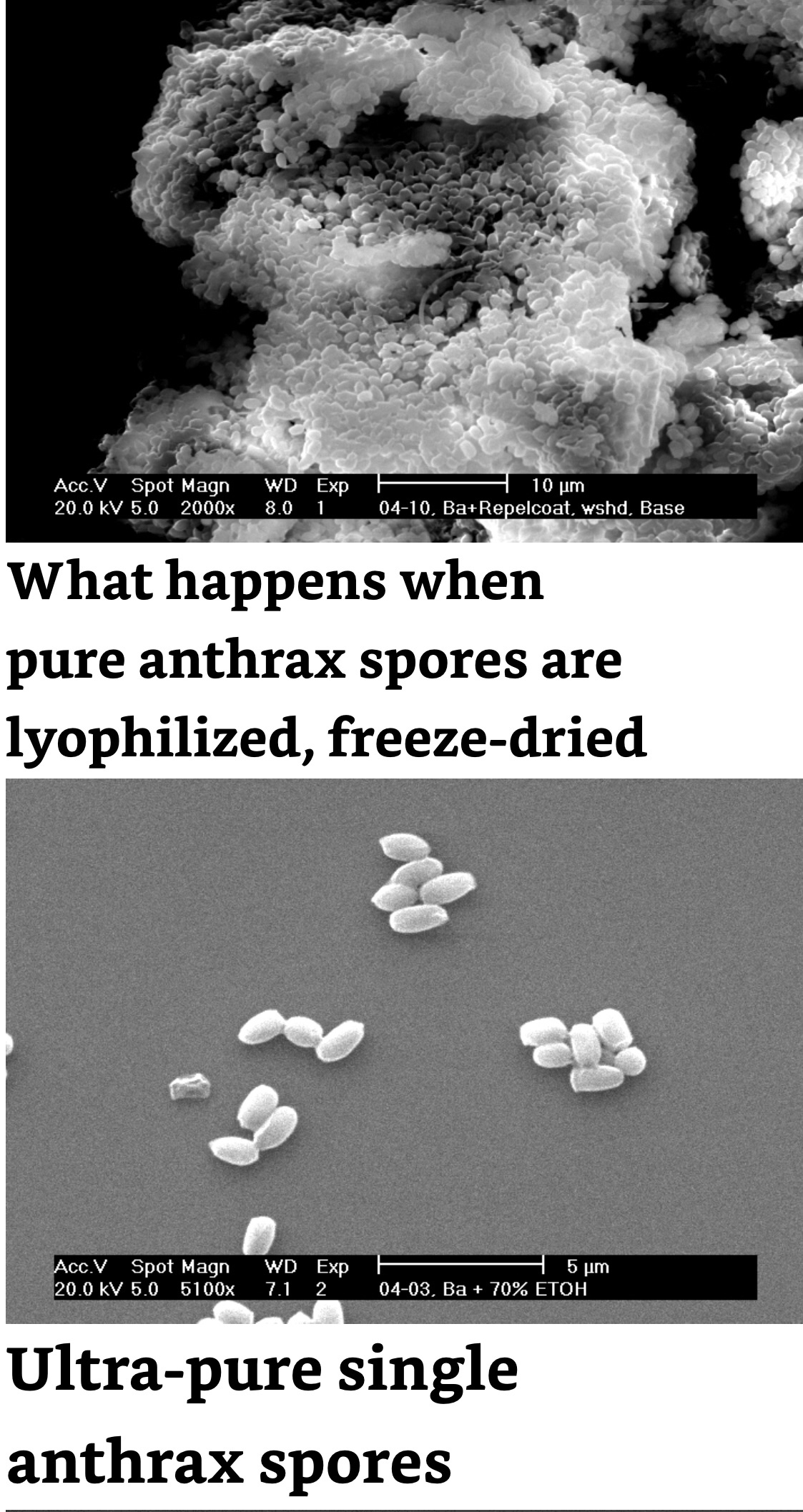
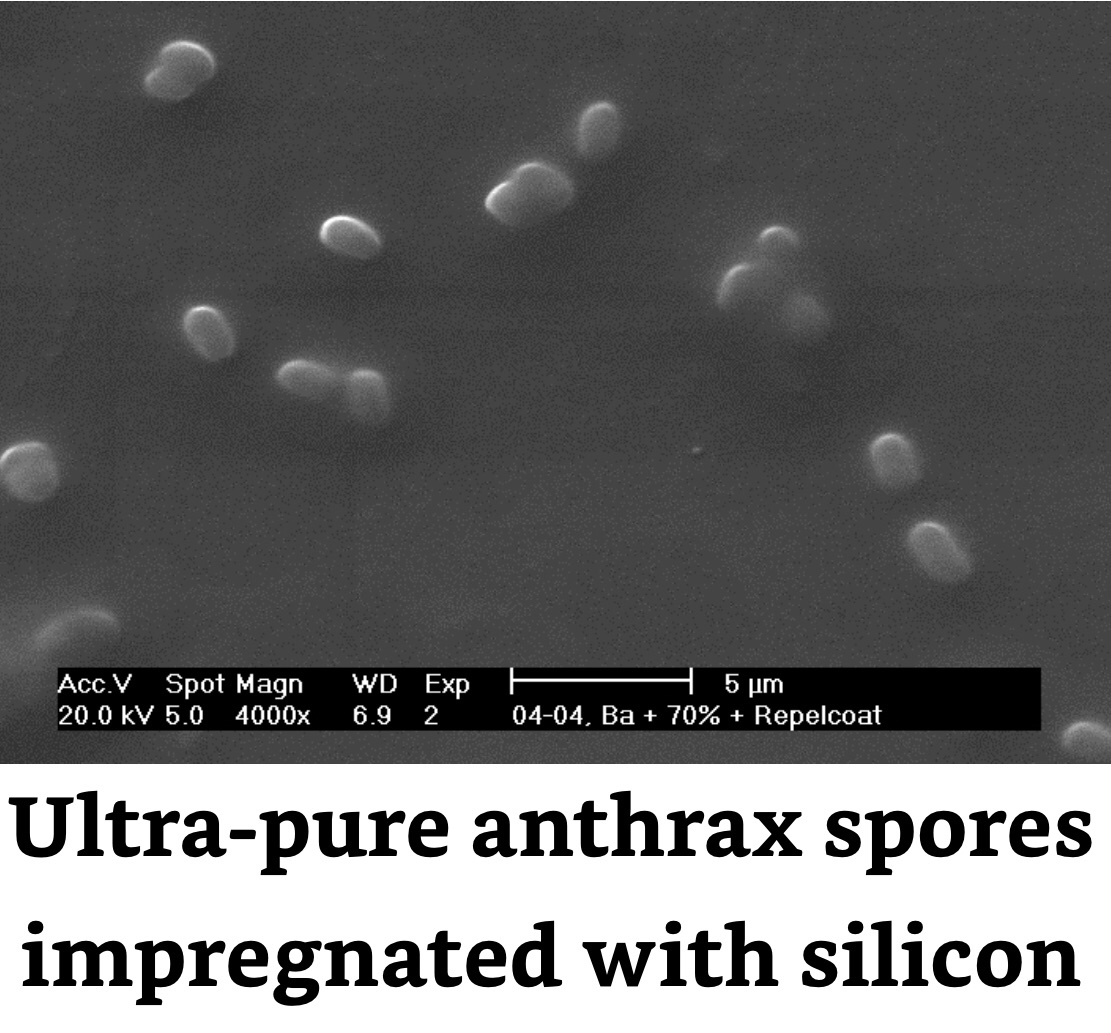
SARS-CoV-2 virions are particles from 70–90 nm in diameter with a maximum of 140 nm. The N95 mask, when fitted properly, stops 95% of particles down to 300 nm (0.3 micron). PM2.5 mask insert filters stop particles down to 2.5 microns. HEPPA filters, used in infectious agent containment hoods and facilities, as defined by the United States Department of Energy (DOE) standard adopted by most American industries, remove at least 99.97% of airborne particles 0.3 micrometers (μm, microns) in diameter. These, at first glance, appear to be insufficient in preventing viral pass through. However, individual particles are extremely rarely, if ever, naturally launched into the air. They are clumped into droplets with protein, electrolytes, water, and mucins (if respiratory viruses) from mucus that hold them together and limit how small those viral agglomerates will be even after evaporation (most in 5-10 micron range). Some naturally aerosolizable microbes become electrostatically repulsive of each other on drying, at least in water, but this is not a stable form for most viruses. They like to be dry in a biological (dirty) matrix to stay stable and infectious. Anthrax spores are a “gold standard” aerosol agent, being shaped like a football, 1 micron by 0.5 micron. However, it is rarely in ideal singular form. A direct hit on the best military gas masks of the best weaponized spores can allow a leakage of 10,000 spores, one average human lethal dose, but this is very unlikely to happen, so the masks are more than adequate under battlefield conditions. To show how preparations can wildly vary in actual particle size, even for anthrax spores, I present the following electron microscope pictures:
The clumps can be much larger than what can float in the air or small enough to be transported for miles and easily inhaledSiliconization of spores leads to them not sticking together and being mostly singular or in small inhalable clumps
Hard to believe but microbes and parasites can manipulate vectors and hosts to facilitate transmission (Chapter 30 Spotted Fever, Typhus and Other Fevers of Unknown Origin within Us: Parasites of Our Parasites are Not Our Friends”— The Black Dragon Trilogy). Toxoplasmosis in the brains of mice can make them bolder so they become more likely to be eaten by cats, the primary host of Toxoplasma gondii, in which the parasite replicates and sheds cysts in the feces. Insect behaviors can be influenced by a variety of parasites: Plasmodium (malaria), Leishmania and Trypanosoma spp. (Sleeping Sickness and Chagas Disease) manipulating the behavior of mosquitoes, sand flies and kissing bugs, respectively. Ticks are made more robust by a variety of obligate intracellular bacteria and even a virus: Anaplasma (Human Granulocytic Anaplasmosis), Borrelia, Babesia, Bartonella (cat scratch fever), Rickettsia (spotted fevers) and tick-borne encephalitis virus. Being infected by Borrelia (Relapsing feverand recurringfevers and LymeDisease) and TBEV boosts tick mobility (both questing and walking). Borrelia and Anaplasma infection enhances Ixodes tick desiccation resistance. Other parasite-driven physiological changes include with Borrelia: higher fat reserves; Anaplasma: synthesis of heat shock proteins and improved cold resistance in infected ticks through synthesis of an antifreeze glycoprotein. Being infected by Anaplasma, Borrelia and Babesia leads to increased tick survival in general. Borrelia, Babesia and Bartonella infections facilitate blood engorgement by ticks. https://res.mdpi.com/d_attachment/pathogens/pathogens-09-00664/article_deploy/pathogens-09-00664-v3.pdf. We are familiar with rabies making dogs and other mammals more aggressive and prone to bite to deliver virus. Perhaps, SARS-CoV-2 is enhancing risky behaviors and resistance to rational precautions, enhancing the spread of COVID-19, really outsmarting people?
“I do not feel obliged to believe that the same God who has endowed us with sense, reason, and intellect has intended us to forgo their use.” ― Galileo Galilei, Letter to the Grand Duchess Christina.”
Thought it might be time to consider our status with COVID-19, what we have learned and how we might use it to defeat or control or at least live with it. Knowledge is power and can be used, abused or ignored to our benefit or peril, respectively. Let me recap the US status, in summary, in 6 short months, COVID-19 has killed and incapacitated a large number of the population, damaged the economy, increased unemployment and impoverished working Americans, restricted industrial production, handicapped military operations, divided the public politically, caused panic and social unrest, disrupted education, overwhelmed the medical system and enhanced all these vulnerabilities associated with disparities in wealth, jobs, and access to adequate health care. These same disparities have been recognized as potential impediments to the equitable and timely and effective distribution of a vaccine(s). This becameabundantlyapparent at a Zoom open forum and comment period (5 hours) with the ad hoc committee of the National Academies of Sciences, Engineering, and Medicine, yesterday, September 2, 2020, for public review of the Discussion Draft of the Preliminary Framework for Equitable Allocation of COVID-19 Vaccine. I would say COVID-19 has done grave damage to the National Security of the United States. What Army could have mobilized and marched across the world so quickly? Can there be any question that this is a defense, National Security and public health issue simultaneously? But what properties of the virus and the disease it causes, COVID-19, make it so insidious and take such advantage of the US political, declining public health system, and socioeconomic state?
Coronaviruses were considered only causes of “colds” in humans until the first SARS (Severe Acute Respiratory Syndrome) came on the scene February 10, 2003 (China, first traced back to palm civets), followed by Middle Eastern Respiratory Syndrome (MERS) in 2012 (Saudi Arabia, first traced back to camels). These were the “warning shots across our bow” and we chose to ignore them.
These increasingly insidious and dangerous coronaviruses originated in bats for evolutionary and ecologically disruptive reasons. However, coronaviruses have been in many species (even marine mammals) and some very closely associated with humans (dogs, cats, cattle) for a very long time without transmission to humans in spite of the latters’ close associations. Yet, before the three very bad ones, the mild ones could only be traced back to rodents. This indicated that although coronaviruses (CoVs) are ubiquitous, it takes special circumstances to cross species lines. CoVs are classified into four genera: alpha-CoV, beta-CoV, gamma-CoV and delta-CoV, among which the beta-CoV genera contains most Human CoVs (HCoVs) and is subdivided into four lineages: A, B, C and D. Bats and rodents are the sources of most alpha-CoVs and beta-CoVs, while birds are the main source of gamma-CoVs and birds and pigs, delta-CoVs. To date, seven human CoVs (HCoVs) are known: HCoV-229E and HCoV-NL63 are alpha-CoVs, the other five beta-CoVs: HCoV-OC43, HCoV-HKU1, severe acute respiratory syndrome coronavirus (SARS-CoV), Middle East respiratory syndrome coronavirus (MERS-CoV) and SARS-CoV-2. HCoV-229E, HCoV-OC43, HCoV-HKU1 and HCoV-NL63 usually cause mild symptoms, of the common cold and/or diarrhea types.
What is apparent is that CoVs can infect the respiratory or gastrointestinal tracts or both. Both facilitate transmission of the viruses, the respiratory tract favoring asymptomatic and acute transmission and the GI tract favoring long term chronic and carrier state transmission. The latter probably most important for maintaining animal reservoirs. Thus, CoVs of all types seem to follow this successful formula. Regardless of crossing over to humans, they maintain these “animal virus” traits and that is important in explaining the mess we are in. Although there was optimism SARS2 would self-attenuate, disappear as SARS1 did or limit its spread as MERS virus has because of limited human to human spread while maintaining the animal reservoir, camels, to re-new infections, SARS2 did not. This is also due to CoV unique resistance to mutations unless a strong selection influence were present to accelerate the mutants’ transmission beyond the original variety. This has not happened, except for D614G which infects even more efficiently but with no substantial change in pathogenicity, because of the continuous availability of naive individuals in the populations exposed and human behaviors insuring rapid, efficient transmission of the original virus. The largely sparing of the young of severe COVID but devastatingly increasing severity with age and mostly cardiovascular underlying conditions (although no underlying conditions necessarily be present for enhanced severity) is also a typical CoV maintenance strategy with a twist. CoVs in cats and dogs are largely inapparent and self-limiting and widespread in their populations, with occasional morbidity and mortality in the young, the reverse of SARS2, but for similar maintenance reasons, such that vaccination for these infections, in the US, are no longer routinely pursued. However, in cats Feline Infectious Peritonitis CoV occasionally erupts into a mutant form that is universally fatal especially in young cats, probably because of high replication rate leading to appearance of the lethal mutant, killing off these individuals as a source of the virus. Although SARS2 prefers to be more pathogenic for the older rather than young, this may be based on which group maintains the virus in the populations. Also, in spite of the rapid spread of the virus, even with mostly mild and asymptomatic infections, most studies have shown relatively low overall infection rates. How can this be? CoVs have developed a common very effective survival strategy: very efficient infectivity but limited transmission efficacy, always leaving a vulnerable large section of a well-spaced population but rapidly and efficiently infecting closely physically associated populations. Why it was so surprising that such a rapidly spreading and killing virus could be stopped by masks, hand and environmental sanitation and social distancing. Also, contributing to this, is the innate limited immunity clearance of the virus in the young and asymptomatic patients without sustained adaptive immunity and killing off those who efficiently kill the virus with an overt immune response, resembling a severe allergic reaction, that increases acute and chronic morbidity and mortality. This is why herd immunity is very unlikely to naturally occur (only can happen with wide, inclusive and intensive effective vaccination). Also, why we have to be very careful that any vaccine deployed does not cause this enhanced lethal immunity. The medical community needs to learn these traits of animal CoVs to avoid tragedy and to treat and vaccinate people appropriately. This lesson needs to be learned now, because we are highly likely to see more spillover of infectious diseases from wild places being invaded and destroyed at an accelerated rate facilitated by global climate change. Before I end, I want to give one last example of this with an agent that is not even a virus, but an obligate tick- borne bacteria, Brazilian Spotted Fever. The Brazilian government decided to kill off a large portion of the giant rodent Capybara population, a reservoir for spotted fever. When they did this, ticks in the area carrying spotted fever bacteria actually increased. They found out, like all rodent populations, killing off adults increases reproduction of those that remain decreasing immunity to spotted fever because of more young naive individuals, in turn, infecting more ticks with higher doses of bacteria. Lesson: Don’t mess with Mother Nature!
My earlier discussions of innate immunity alluded to cascades linked to vascular, clotting, lung and cardiac damage linked, in turn, to non-specific generalized inflammation. Past studies have shown a link between nitric oxide (NO) production (vasodilator, neurotransmitter, second messenger pathway activator, antimicrobial and antiviral agent) and Bradykinin (vasoactive agent, edema and shock generator). https://www.ncbi.nlm.nih.gov/pmc/articles/PMC408867/ and https://www.jacionline.org/action/showPdf?pii=S0091-6749%2802%2956700-2. A new study using supercomputer analysis of gene expression in COVID-19 patients https://elifesciences.org/articles/59177 supports the NO/Bradykinin and Angiotensin ll links. Angiotensin II type 2 receptor (AT2) is expressed at low levels and is restricted to the adrenal gland, brain, ovary, uterus, kidney, and heart. It is upregulated in pathological states such as salt depletion, heart failure, experimental cardiac hypertrophy, myocardial infarction, and vascular injury. AT1 stimulation promotes cellular growth and hypertrophy, while the AT2 antagonizes them. AT1 stimulation facilitates angiogenesis, while the AT2 inhibits this process. AT1 activation induces vasoconstriction, while AT2 activation causes vasodilation. These cellular and organ-level effects appear to act in intact animal models. For instance in cardiomyopathic hamsters, AT2 expression is upregulated in cardiac fibroblasts of the failing heart and appears to antagonize Angiotensin 1 receptor (AT1) which mediates interstitial fibrosis and cardiac remodeling. In a rat model of ischemic cardiomyopathy, the beneficial effects of AT1 blockade on cardiac remodeling and hemodynamics are inhibited by AT2 blockade. Beneficial effects of AT2 stimulation may be meditated through the bradykinin/nitric oxide (NO) cascade. Endothelial cells contain bradykinin type 2 receptors (B2), which, when activated, potently stimulate production of NO. Although the effects of angiotensin II and NO seem to vary with the concentration of NO and the cell type involved, these two factors appear to play opposing roles in the cardiovascular system: angiotensin II is a potent stimulus for vasoconstriction and vascular smooth muscle hypertrophy, whereas NO has a vasodilator effect and has been shown to be an antiproliferative agent. Thus, in spontaneously hypertensive rats, AT2 activation has been shown to increase vascular cyclic guanosine 3′,5′-monophosphate (cGMP) levels, an effect that could be inhibited by B2 blockade or by inhibition of NO synthase. Salt depletion, which activates the renin-angiotensin system (RAS), increases cGMP levels in the renal interstitial fluid, an effect that can be prevented by blocking NO synthase or AT2. Additional compelling evidence linking AT2 to the bradykinin/NO cascade has been shown through the AT2–mediated vasodepressor effect associated with an endothelium-dependent increase in aortic production of cGMP and activation of the kinin-kallikrein system. Angiotensin II stimulates AT2 in vascular smooth muscle, which leads to activation of the kinin-kallikrein system and bradykinin release. Bradykinin then binds to its receptor on adjacent endothelial cells, causing the release of NO and stimulation of cGMP. “Biochemicals that increase cGMP in tissues do so through oxygen and calcium-dependent mechanisms, apparently through a calcium-dependent NOS. Among these biochemicals relevant to vascular tissues are cholinergic (such as carbamylcholine) and alpha-adrenergic stimuli, bradykinin, histamine (which also raises cAMP levels), and serotonin. The calcium dependence has been demonstrated by the increase of cGMP levels with the treatment of cells with A23187 (calcium ionophore) and by the inhibition of this rise by calcium blockers such as tetracaine and verapamil. In vitro, cytotoxic levels of NO have been produced by isolated murine lung vascular endothelial cells treated with gamma-interferon and TNF. This NO production was L-arginine dependent, and the NO production and tumor cell lysis (M5076 reticulum sarcoma cells) were inhibited by dexamethasone. These results indicate not only a physiologic role for NO production by endothelial cells, but also an antitumor and pathophysiologic one.”— Type-B Cytochromes: Sensors and Switches by J.L. Kiel,https://a.co/eeOLKWC, 1995. The NO and Bradykinin link is prone to runaway effects because Bradykinin can induce more NO production and NO can induce increased Bradykinin activation. Therefore, in short, runaway positive feedback of these two without balance (breaking) leads to catastrophic shock and multiple organ failure. Perhaps this gives direction to developing life saving pharmaceutical applications.
This is another example of why we need international cooperation and collaboration in global biosurveillance: “John Kiel to 5 recipients Tues April 30, 2013 at 559 AM”….“…. a H7N9 epidemic, if not pandemic, potentially looming, the need for a CRL (Central Research Laboratory) that can handle agents of both veterinary and medical importance, in concert, is paramount for a functional and effective biosurveillance program in Azerbaijan.”…”April 17, 2017, ProMed posted an email titled “AVIAN INFLUENZA, HUMAN (44): CHINA, H7N9, UPDATES, PANDEMIC POTENTIAL” at 904 PM, because of increased disease and accompanying deaths among people in urban areas in China, the capital Beijing. Guan Yi, one of the world’s leading virologists, who worked at the forefront of investigating H5N1, H1N1 and SARS at his lab at Hong Kong University, fears a future mutation could lead to a devastating pandemic. He has stated, “Based on my 20 years of studying H7N9–the virus itself as well as how the government handles it–I’m pessimistic,” says Guan, shaking his head. “I think this virus poses the greatest threat to humanity than any other in the past 100 years.” This post script serves as an introduction to the next book in the Trilogy, Pathogenic Ecology.”— The Black Dragon Trilogy, 2018.
Democratic Republic of the Congo (DRC) saw another 1000 total monkeypox cases in the past month, rising from 2591 cases on 5 Jul to 3567 on 9 Aug, 2020, according to the World Health Organization. The monkeypox death toll in DRC has also risen to 132 through 9 Aug. ProMed. Is monkeypox beginning to fill the niche left by eradication of smallpox? Why international collaborations in global biosurveillance and infectious disease control are necessary. No country is an island unto itself nor can it hide behind a wall.
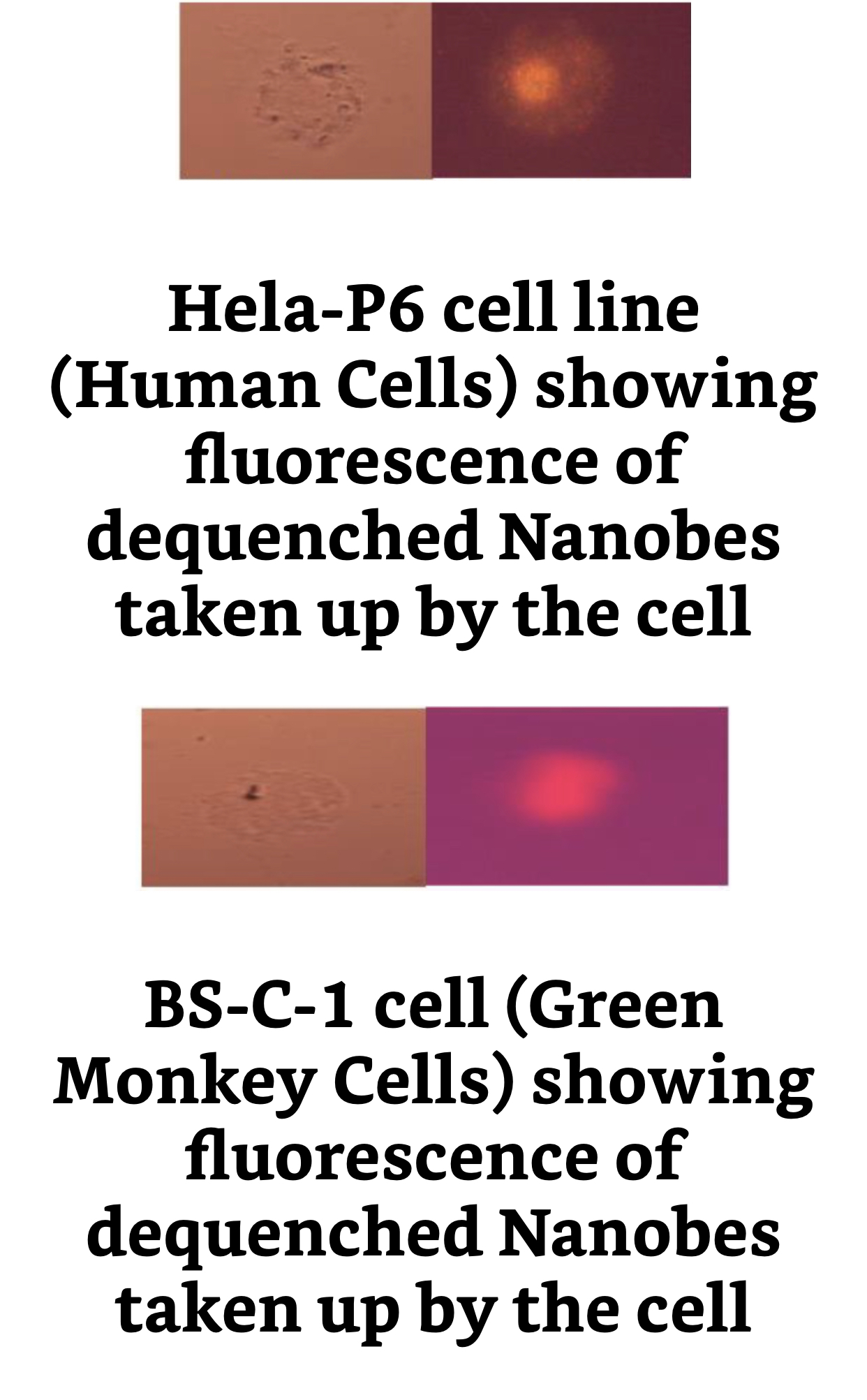
The fluorescence shows the Nanobes concentrate primarily in the cell nucleus with some lesser locations in the cytoplasm. These Nanobes have anti-viral and anti-intracellular bacterial activities.
The immune system’s first line of defense, innate immunity, may be responsible for SARS-CoV-2 immunosuppression by over producing TNF alpha (tumor necrosis factor) https://www.cell.com/action/showPdf?pii=S0092-8674%2820%2931067-9. This could explain recent reports of re-infection. TNF is the first cytokine to appear in the blood within minutes after an injury or stress. Other pro-inflammatory mediators like IL-1 or IL-6 appear later. The name “tumour necrosis factor” came from the cytokine’s causing vascular activation and thrombosis resulting in necrosis of subcutaneous tumors in mice. TNFR1, also known as p55, a TNF receptor present on all cells, when cross-linked by TNF, generates a pro-inflammatory response. It activates NF-κB, mitogen-activated protein kinases, anti-apoptotic responses, and generation of other pro-inflammatory cytokines such as IL-1, IL-6, and GM-CSF. When not acting appropriately, TNF binding to TNFR1, yields such autoimmune diseases as rheumatoid arthritis. An alternative receptor for TNF, TNFR2 has positive beneficial effects. TNFR2, also known as p75, has restricted tissue distribution and activates different signalling pathways. It is important for repair and homeostasis, and the cells with the highest expression of TNFR2 are T regulatory lymphocytes. TNRF2 gene knockout mice have enhanced pathology, such as poor survival following coronary artery damage. However, several monoclonal specific ant-TNF antibodies, which counteract the negative effects of TNF, have been FDA approved over the years for rheumatoid arthritis, which may reduce the lethality and long term adverse effects of COVID, if TNF is the proven cause of the severe effects. There are five approved anti-TNFs: (1) infliximab, a chimaeric IgG anti-human monoclonal (Remicade®); (2) etanercept, a TNFR2 dimeric fusion protein, with an IgG1 Fc (Enbrel®); (3) adalimumab, a fully human monoclonal antibody (mAb) (Humira®); (4) golimumab, a fully human mAb (Simponi®) and (5) certolizumab, a PEGylated Fab fragment (Cimzia®). https://www.ncbi.nlm.nih.gov/pmc/articles/PMC4279876/. Another piece of evidence that TNF and its receptor TNFR1 are important in COVID is that children seem to be resistant to the severe effects, except in some instances when they display multiple organ inflammation, Kawasaki-like syndrome, because they produce a lot of the anti-inflammatory cytokine IL10. The responses of neonates compared to adults change from increased IL-10 as neonates to balanced IL-10/T helper type 1 (Th1)/Th2/Th17 cytokine levels early in life. This allows protection from pathogens but reduces the chances of a cytokine storm https://www.nature.com/articles/s41390-020-0881-y.pdf. In 1995, in my book Type B Cytochromes: Sensors and Switches, pointed out the importance of IL10 to reduce the effects of TNF which was linked to the oxidative burst which produced superoxide, hydrogen peroxide by the enzyme NADPH oxidase, and alternatively nitric oxide (NO) by nitric oxide synthase enzyme (NOS) by white blood cells: “Lymphokines provide extra-macrophage regulation of NO production. IL-10, produced by CD4 + lymphocytes of the Th-2 subset, not only inhibits synthesis of gamma-interferon by both T cells and NK cells, but also inhibits the synthesis of NOS by mouse macrophages. Another lymphokine, IL-13, inhibits TNF production, generally downregulates macrophage LPS responses, but assists in upregulating gamma-interferon production. This interleukin also inhibits HIV replication in vitro and immunity to tranplanted tumors. Also, NOS induction is directly involved in allograft rejection in transplantation, as one of the earliest events noted. Even though NO has been shown to be generally immunosuppressive for lymphocyte proliferation, human lymphocytes can produce picomolar concentrations of NO that are essential as a messenger initiating lymphocyte responses, including DNA synthesis.” Thus a measured NO response is beneficial but a large amount can lead to immunosuppression or failure to develop immune memory. This level could perhaps be adjusted to optimal by treatment with such NO traps as 3-amino-L-tyrosine. Recently, a paper has appeared to contradict this scenario. Severity in adult COVID-19 appears to be related to a combination rise in IP-10, IL-6 and IL-10. IP-10 causes inflammation induced by gamma interferon. The combination may be an indicator of immune exhaustion in adults or merely concomitant effect rather than cause. However, based on depletion of certain immune cells (basophils migrating to the lungs and lymphocytes and dendrocytes) and a left shift of lymphocytes to more immature and replicating forms, noted in the paper, this confusion over what COVID does to the immune system is time and tissue related (when and where measured). TNF not changing generally, as noted in this recent paper, https://www.nature.com/articles/s41591-020-1038-6.pdf, can be because it’s produced very locally and affects only lymph nodes and other lymphoid tissues, without generalized rise in levels and effect.
This blog has intentionally tried to avoid political or socioeconomic arguments for the US failures to mitigate the COVID-19 pandemic within its borders, but the actions and lack of appropriate actions of the Federal to State to Local government bodies have made this avoidance impossible. My past observations have addressed the question: “What drives research in infectious disease, or for that matter, any scientific research? We would like to believe it is the level of the threat to humanity or food and fiber sources and domestic animals, or the need for all humankind to grow in knowledge and wisdom. Some feel in the private, corporate world, it is solely profits. Public funded research and academic research may be thought of as driven by national pride in science and technology leadership and, even as a tool for facilitating science, technology, engineering and mathematics (STEM) education, even for better jobs and standard of living. However, the main driver, at least at present, seems to be communication containing sensationalism and catchy headlines which generate concern or just raw fear. I call this “political science”, the driver of all other science by control of the purse strings through public marketing and faddism to generate pressure to fund.” The Black Dragon Trilogy; https://a.co/itfIq0o. In face of this motivation, a politically driven anti-science and anti-public health movement has occurred at the Federal Executive Administration and State House levels, leading to such counter protective measures as faddish unproven treatments, false characterization of SARS-CoV-2 virus and the disease, COVID-19, and fractured guidance on personal protection measures with downright banning of local government mandates for protective masking, social distancing and public health regulation of business and group activities. The WH is once again oppressing science and it is directly related to preventing the next COVID. Science Magazine – August 28, 2020 – page 1039. The results of all this have been inevitable: More than 5.5 million Americans infected since the start of the pandemic and at least 172,000 dead. America continues to fail because of failed political leadership: Georgia, Texas, Florida. Besides the lack of unified political will being a major hindrance, the compartmentalization of the problem has made matters worse. Beth Cameron, former Senior Director for Global Health Security and Biodefense in the NSC, wrote, “When President Trump took office in 2017, the White House’s National Security Council Directorate for Global Health Security and Biodefense survived the transition intact.“Its mission was the same as when I was asked to lead the office, established after the Ebola epidemic of 2014: to do everything possible within the vast powers and resources of the U.S. government to prepare for the next disease outbreak and prevent it from becoming an epidemic or pandemic. One year later, I was mystified when the White House dissolved the office, leaving the country less prepared for pandemics like covid-19”. Tim Morrison, former senior director for counterproliferation and biodefense on the NSC, wrote in another Washington Post Op-Ed, “It is true that the Trump administration has seen fit to shrink the NSC staff. But the bloat that occurred under the previous administration clearly needed a correction. … One such move at the NSC was to create the counterproliferation and biodefense directorate, which was the result of consolidating three directorates into one, given the obvious overlap between arms control and nonproliferation, weapons of mass destruction, terrorism, and global health and biodefense. It is this reorganization that critics have misconstrued or intentionally misrepresented. If anything, the combined directorate was stronger because related expertise could be commingled” There is controversy on how to describe these changes but the changes at the NSC’s Directorate for Global Health Security and Biodefense in 2018, departure of some members due to “streamlining” efforts under John Bolton, led the “pandemic response team” as a unit to be largely disbanded. This led to confusion just as did the shifting of hospital COVID-19 data collection from the CDC to HHS and back again and failed and delayed implementation of CDC pandemic plans. Furthermore, delays in filling professional job slots at CDC have also contributed to the overall failure and mismanagement of the pandemic response. Seeing SAR-CoV-2 as separate political, economic, National security (military), public health, medical and veterinary problems, and self-isolating from a global science-based response and establishing a physical “fortress-against-the-world” response has shipwrecked us where we are. In this blog and my books, I have tried to convey that this is a global problem that requires global cooperation and collaboration, including among government agencies, not stove-piping them through a high level political screening agency. High level coordination is necessary but not high level screening and suppression. Freedom to act locally with central support and high level policy guidance is good, but central micromanagement of execution is bad. The US military has learned this lesson since the Vietnam War and has had this in their doctrine for years , and its effectiveness and efficiency has been demonstrated to be superior to centralized control of execution which was characteristic of the former Soviet Union and now of Russia. To be more specific about how the Biodefense problem is inseparable from the pandemic public health problem, let me give you a short history of the military Biodefense issues. Prior to the dissolution of the Soviet Union, December 31, 1991, unbeknownst to the US, the Soviets had continued to develop a massive biological warfare infrastructure. One of their production vats capacity was larger than the entire Iraqi biowarfare production. The Soviets had 2 levels of agents: tactical (like anthrax) and strategic (like smallpox). Tactical would be used locally on troops in the battlefield and strategic would be delivered in an intercontinental ballistic missile warhead against an entire population, including civilians, to destroy the will and means of a nation to execute a war. Of course, asymmetric warfare use of bio weapons by terrorists and special forces made them weapons of mass terror (WMT) rather than weapons of mass destruction (WMD). If I were to describe SARS-CoV-2 in military (Russian) terms, it would be a strategic WMT and WMD. In 6 short months, it has killed and incapacitated a large number of the population, damaged the economy, restricted industrial production, handicapped military operations, divided the public politically, caused panic and social unrest, disrupted education, overwhelmed the medical system and enhanced all these vulnerabilities associated with disparities in wealth, jobs, and access to adequate health care. I would say it has done grave damage to the National Security of the United States. What other Army could have mobilized and marched across the world so fast? Can there be any question that this is a defense, National Security and public health issue simultaneously? The US offensive biowarfare program started after the beginning of WWII, October 1943, at Dugway Proving Grounds, Utah, and ended in 1972. In 1969, President Nixon had terminated the US offensive biological warfare program and ordered all stockpiled weapons destroyed. National Security decisions 35 (November 1969) and 44 (February 1970) had ended the programs for microbes and toxins, respectively. The only Institution supposedly to remain was the US Army Medical Research Institute of Infectious Diseases (USAMRIID), established to continue the development of medical defenses against biological attack and development of treatments for medical casualties caused by infectious disease, which, up until recent times, has caused more casualties than combat. In 1972, more than 100 nations (including the US and Soviet Union) had signed the Biological and Toxin Weapons Convention (BWC), the world’s first treaty (albeit weak in enforcement) banning an entire class of weapons. The agreement prohibited the possession of biological agents except for “prophylactic, protective, or other peaceful purposes.” Obviously, the Soviet Union did not live up to it. During The US offensive program, the US was more interested in using “incapacitating agents” (Venezuelan Equine Encephalitis Virus, Brucella bacteria, and tularemia bacteria) than lethal agents such as plague and anthrax, although these were researched. When the US realized there were still state sponsored and terrorist biowarfare programs, it enacted the Biological Weapons Anti-Terrorism Act of 1989 (BWATA, Pub.L.101–298, enacted May 22, 1990). The agents then fell into Tier categories with the most dangerous agents for humans and animals in Tier 1 Select agents and toxins – A subset of select agents and toxins have been designated as Tier 1 because these biological agents and toxins present the greatest risk of deliberate misuse with significant potential for mass casualties or devastating effect to the economy, critical infrastructure, or public confidence, and pose a severe threat to public health and safety: Bacillus anthracis, Bacillus cereus Biovar anthracis, Botulinum neurotoxins, Botulinum neurotoxin producing species of Clostridium, Burkholderia mallei, Burkholderia pseudomallei, Ebola virus (CP at Brooks investigated cloned subunits because we did not have a BSL4 lab), Francisellatularensis, Foot-And-Mouth Disease virus, Marburg virus, Rinderpest virus, Variola major virus (Smallpox virus), Variola minor virus (Alastrim) (CP used vaccinia virus as an investigative stand in for Smallpox) andYersinia pestis. The bolded agents are the Tier 1 or related Tier 1 agents we investigated in the Counterproliferation Group at Brooks City-Base, USAF, San Antonio, Texas. Even though Foot-And-Mouth Disease virus and Rinderpest virus are animal viruses only, they could devastate agriculture, disrupt the food supply, and do great economic harm, true strategic weapons. Also FMDV is truly aerosolizeable and can spread on the wind for miles.
Centers for Disease Control and Prevention Division of Select Agents and Toxins 1600 Clifton Road, NE, Mailstop H21-7 Atlanta, GA 30329 Telephone: 404-718-2000 770-488-7100 (after hours) Fax: 404-718-2096 Email: LRSAT@cdc.gov
Animal and Plant Health Inspection Service Agriculture Select Agent Services 4700 River Road, Unit 2, Mailstop 22, Cubicle 1A07 Riverdale, MD 20737 Telephone: 301-851-3300 opt. 3 (voice only) Fax: 301-734-3652 Email: AgSAS@usda.gov
However, it is unrealistic to think that restricting the access to these agents in the US can control and prevent nefarious use of these or other biological agents not on such a list. This fact led to Nanobes, discovered by the Brooks CP team and described in earlier posts in perhaps esoteric terms for most, falling into no-man’s land, and have not been put to good and most appropriate use to fight SARS-CoV-2 and other emerging infectious agents. As noted, they were designed to detect, identify, tag with fluorescence and collect magnetically, known and unknown pathogens under minimal and adverse conditions in non-permissive territory by Special Forces with minimal technical execution. They were also designed to be dispersed over wide and distant areas with light weight equipment and be recovered at least in part. They could also be activated not only to identify and collect agents but to kill them with pulsed microwaves, even in cells and tissues as well as on environmental surfaces. They were designed to transform bacterial hosts or transfect animal and human cells to manufacture biosynthetic replicates which could perform the same functions as the synthetic originals. This could be even done in the field with minimal equipment and supplies (disposable fermenters and lyophilized bacterial production hosts and media which could be reconstituted with water after a specific binding Nanobe was selected out of a random library for amplification). This versatile solution became perceived as a potential versatile weapon which side stepped domestic and international law. I warned of the consequences of not using it and, if not, not being prepared for its use by others in a closed scientific meeting in 2009 just prior to ending the CP group research and my retirement. The Russians and, especially the Chinese, followed that part of our work which was published in the open scientific literature and in patents. They have since pursued similar non-military applications evidenced by their open scientific literature publications. By their own admission they foresaw other applications: “the Chinese military ambition, was first described in Military Review, July-August 2005 by Guo Ji-wei and Xue-sen Yang. Paraphrasing what these goals are: (1) Crypticity: Biotechnological Warfare is convenient, easy to use, has a small logistics tail (very prone to Terrorist or Special Forces use); (2) Controllability and recoverability: Can be used to measured effect from kill to non-lethal with the option to offer “mercy” in exchange for surrender; and (3) Biotechnological vs. Biological Weapons: Biotechnological Warfare should not be considered Biological Warfare and side-steps any international law or treaty restrictions.”—The Black Dragon Trilogy. All this has left me exhausted and frustrated. I only hope more people will read and share my books and blog posts so the information they contain might reach the right people to make a difference before it is too late.
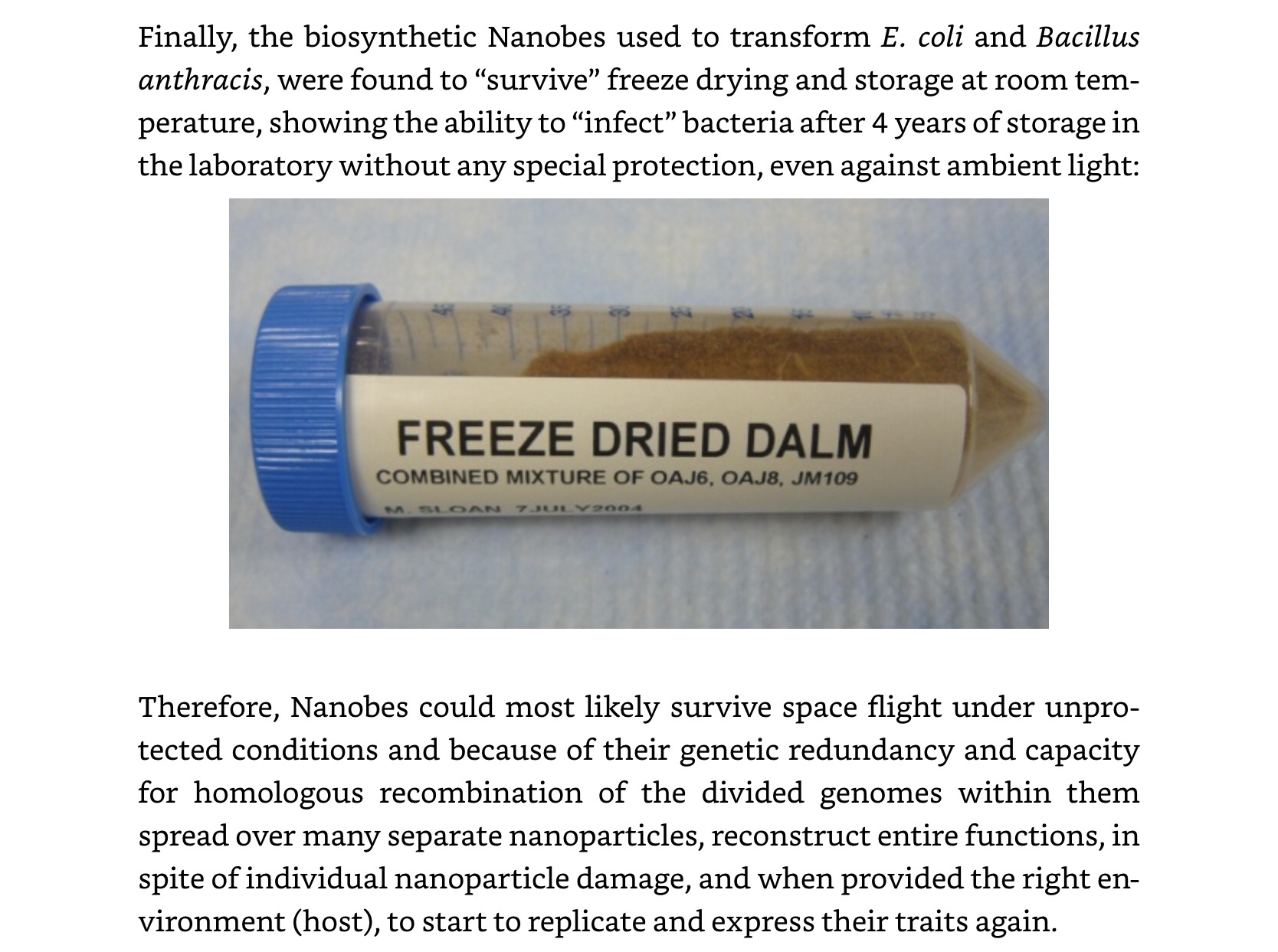
Nanobes can be freeze dried and stored for 4+ years under ambient conditions without loss of function
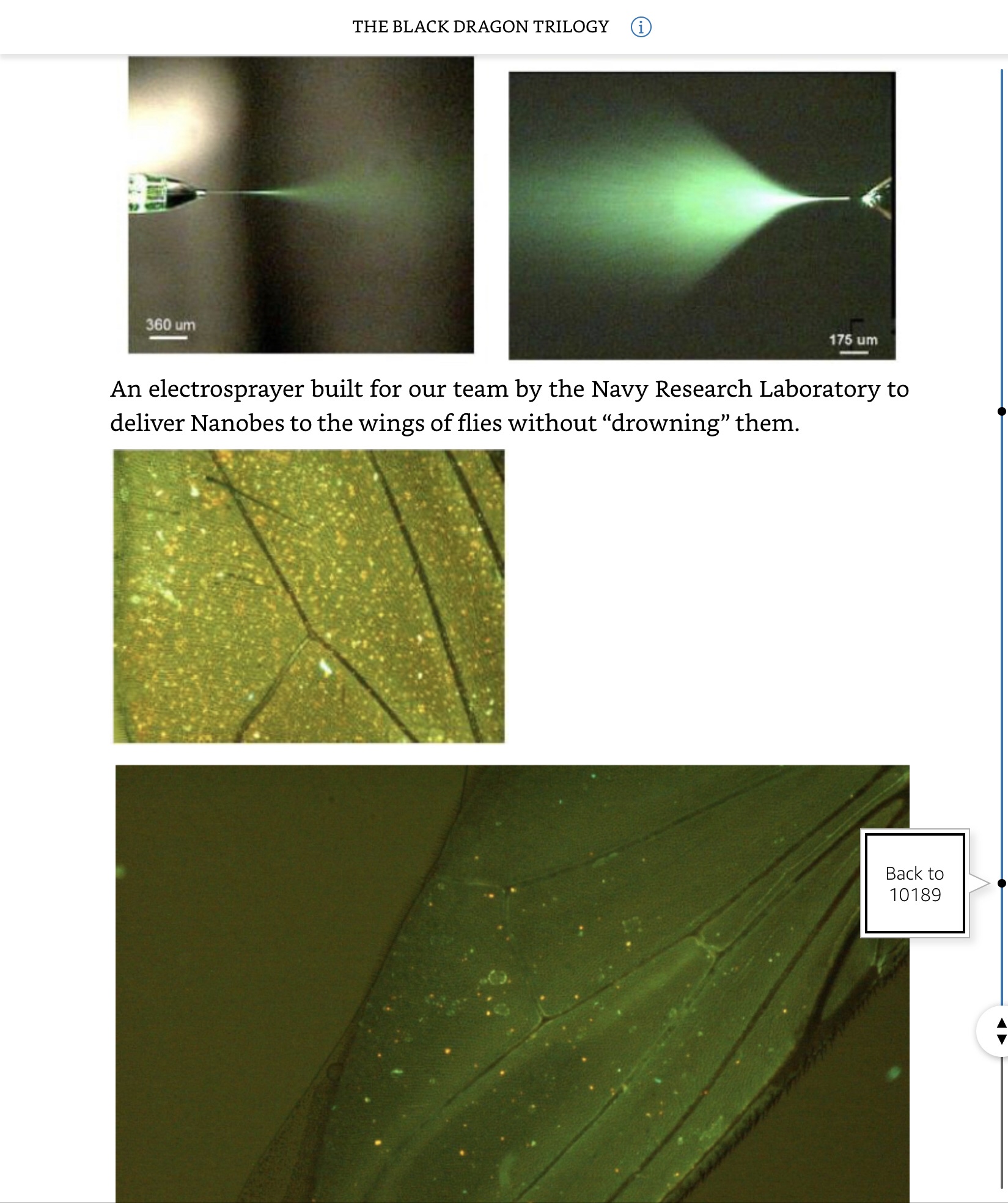
Commercial as well as custom nano sprayers can be used to dispense. “The electrosprayer can continuously apply up to 10 ml of liquid containing over 2 million Nanobes per ml spread over a period of 24 hrs from a package the size of an iPhone. One gram of 20-nm particles can be spread over a 10mX10mX1 Km rectangular cube and maintain the same approximate concentration as in the nanosprayer (2,400,000 per cubic cm).”
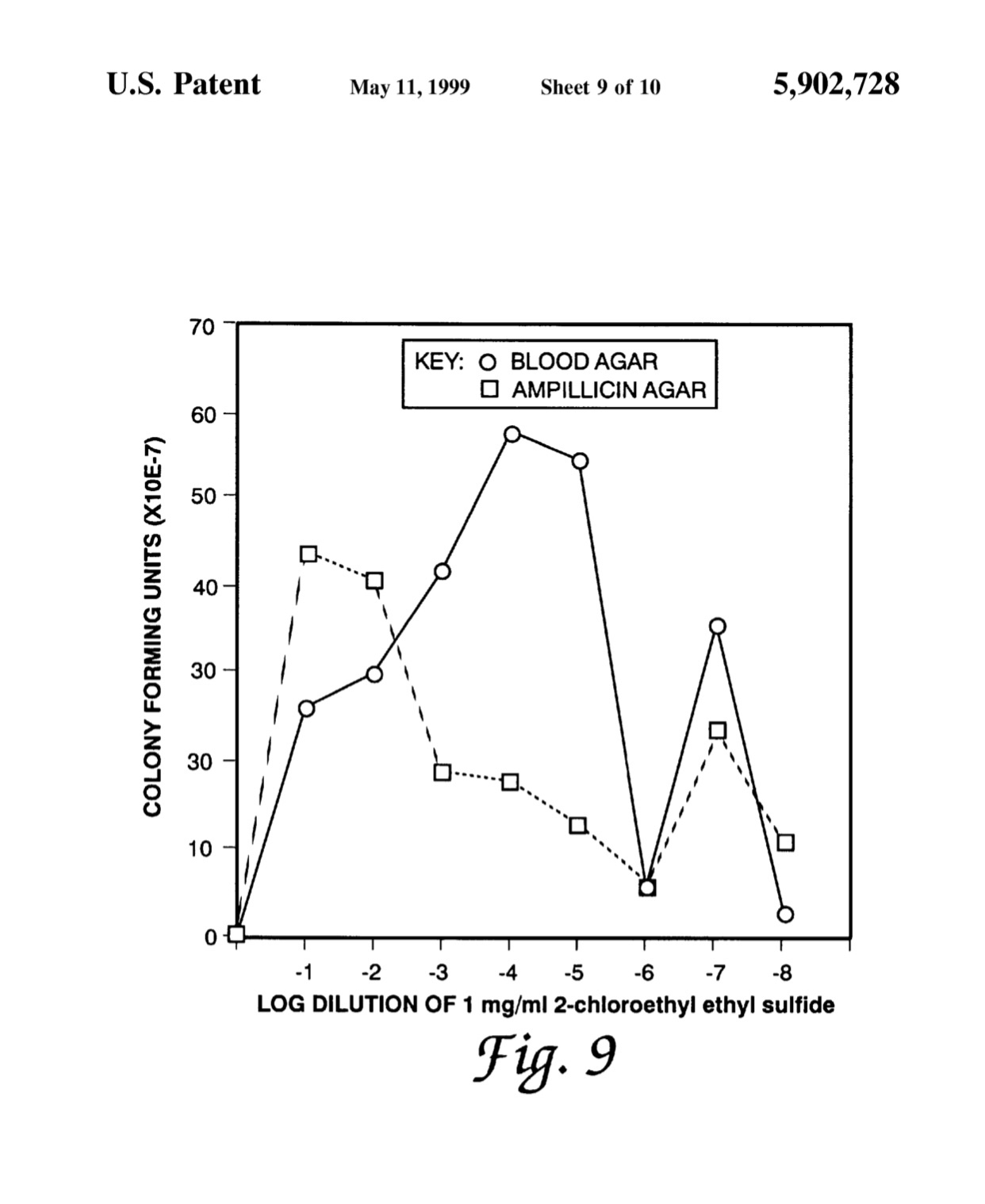
A recent study in Science magazine (https://gtxcel.omeclk.com/portal/wts/uemckdyf000aeg3VDqj9szALvfeTjSdoNYhxH3VWRnROps%7Eqfc%7C8mc) supports the idea that monoclonal antibody against a rapidly growing and spreading virus like SARS-CoV-2 is not necessarily a good idea because it can select for mutants that are resistant to the neutralizing effects and replace those that are sensitive. Polyclonal antibodies thwarted this escape because it is much more difficult to mutate past many different antiviral antibodies as is also seen with multiple drug therapies. For example, in 1995, a combination drug treatment known as the “AIDS cocktail” was introduced which made AIDS a survivable , chronic disease. This type of therapy is known as highly active antiretroviral therapy (HAART), also called combination antiretroviral therapy (cART). Our own research, demonstrated that a mutagen (2-chloroethylethylsulfide) could make bacteria resistant to one but not two antibiotics at the same time in the same microbes (ampicillin and 3-amino-L-tyrosine: Patent #: 5,902,728; date: May11,1999):
It’s not that easy for a virus like a coronavirus, which is very host species specific and has a proofreading replicating enzyme, RNA dependent RNA polymerase, to mutate to infect a new species without considerable environmental selection pressure. Even all the hype about the mutated strain of SARS-CoV-2, D614G, implying it will evade immunity, is not quite that bad. SARS-CoV-2 isolates, with the D614G mutation in the viral spike (S) protein, predominate over time in infected populations, the change enhancing viral transmission. This change is not about better binding to receptors but about better processing for the virus to enter the cell and complete its replication, likely changing its infectious dose. Although ideally it takes only one virion to infect a cell, in practice many fail and a certain number of viral particles are required per cell to have successful infection and replication (multiplicity of infection). However, SG614 (the new mutant) did not bind ACE2 more efficiently than SD614 (original virus) and the viruses containing these S proteins were neutralized with comparable efficiencies by convalescent plasma from recovered patients. These results show SG614 is more stable than SD614, consistent with epidemiological data suggesting that viruses with SG614 transmit more efficiently, but are not more pathogenic nor would they escape vaccination.(https://www.scripps.edu/news-and-events/press-room/2020/20200611-choe-farzan-sars-cov-2-spike-protein.html). The origin of the original human version of the virus, unlike implied by the retroactive gene analysis mentioned in an earlier post, is not by simple mutation. A proactive study, using pseudo type viruses, not a coronavirus, but a vesicular stomatitis virus chimera with a plasmid-produced coronavirus spike protein added after its replication and carrying a light-producing firefly luciferase gene as a marker of infection, showed that the changes needed to crossover to humans were greater than could reasonably be accounted for by mutation alone. In contrast to changing individual amino acids, the proactive constructs showed that clade 2 and 3 (different genetic groups with other host specificities) receptor binding domains containing the clade 1 closest receptor-contacting amino acid residues are compatible with human ACE2. Coronaviruses frequently undergo recombination, gaining large amounts of genetic material at once. The data of the study indicated it is possible that recombination with a clade 1 virus provided compatibility with human ACE2. Interestingly, the SARS-CoV-2 contains most of the contact points with human ACE2 that are found in clade 1, as well as some amino acid variations that are unique to clades 2 and 3. Taken together with the chimera receptor assay results, the implication is that SARS-CoV-2 arose from recombination between clade 1 and the other clades (https://www.nature.com/articles/s41564-020-0688-y.pdf). Some new data on binding of Pangolin coronavirus to human cells opens it again as an immediate source of SARS-CoV-2. However, the fact that the Pangolin virus binds better to human ACE2 than Pangolin ACE2, opens the unstated possibility that this virus might be a result of an anthroponosis event that transferred coronavirus from humans to Pangolins followed by recombination with another Pangolin virus to yield the current virus under discussion. This is an especially plausible scenario because of the long term illegal animal trade in Pangolins in the region https://www.nature.com/articles/s41467-021-21006-9.pdf.



 Global Biosurveillance