
I have found it necessary to re-post this post. The only way vaccines have affected reproduction is when live attenuated vaccines are given to pregnant hosts, infect the fetus and cause defects or abortion—the mRNA vaccines in particular are not of this class and even the aforementioned effects do not result in sterility and should not be confused with it.
A recent popular article has suggested, that because the SARS-CoV-2 spike (fusion) protein has a homologous polypeptide to Syncytin 1, a protein that forms the syncytium of cells by fusion binding the fetus to the uterus through the placenta, the vaccines against the spike protein would develop antibodies against the placenta and cause sterility, but the data does not support this https://edwardnirenberg.medium.com/are-covid-19-vaccines-going-to-cause-infertility-939bbdb62b64. The fusogen proteins that allow enveloped viruses to fuse with their target host cells are related but not necessarily identical to the placenta protein. In fact, Syncytin 1 and 2 were originally viral proteins and are necessary to the development of placentas in mammals. This was accomplished by infection with a Type D retrovirus which became integrated into the mammalian and human genomes. HERV–W genome integrated into its host’s germ-line around 63 million years ago, spread into Old and New World monkeys and then evolved independently. The viral genes were incorporated into the germ cells and, therefore, for all subsequent generations. This endogenous retrovirus, HERV-W, is the source of Syncytin I. The env gene from HERV-W produced a functional class I fusion protein capable of merging cells into a syncytium. Such syncytia are at the placental interface between the embryo and mother; preferential expression of HERV-W occurs in embryo cells that become part of the placental interface. This virally derived fusion protein is syncytin, later called syncytin-1; a second such protein from HERV-FRD, is called syncytin-2.
“These ubiquitous endogenous retroviruses are permanently transmitted in germ cell genomes and almost all have lost their ability to replicate outside of their genome-integrated DNA and to infect other cells horizontally as complete infectious virions. They are associated with resistance to other exogenous retroviruses, the process of xenotropism, and with placental development in mammals.
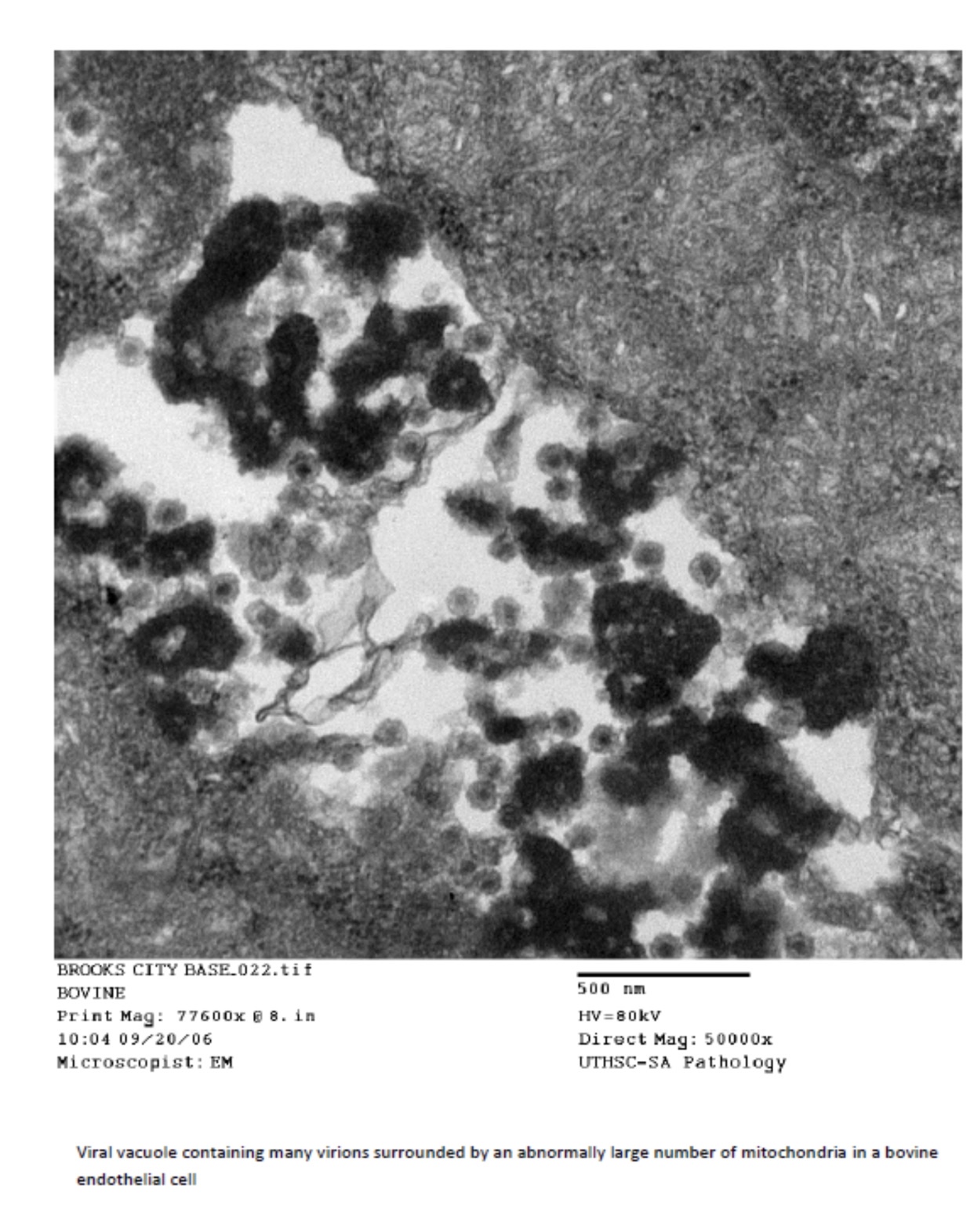
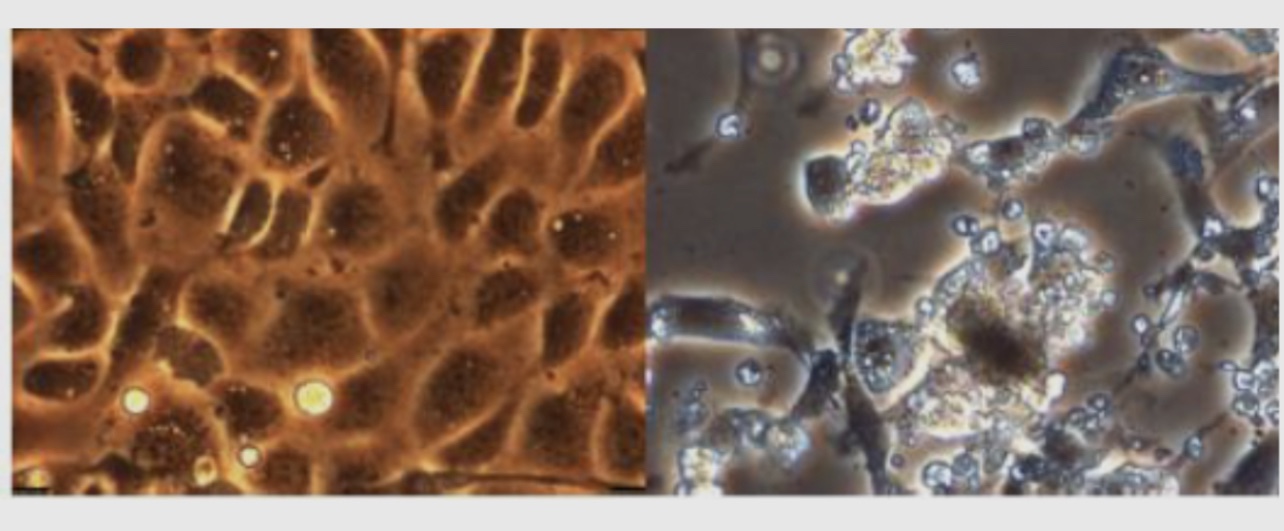
Endogenous beta retroviruses (enJSRVs) are present in the genomes of sheep and goats. The enJSRVs are highly related to Jaagsiekte Sheep Retrovirus (JSRV) and the Enzootic Nasal Tumor Virus (ENTV), which cause naturally occurring carcinomas of the respiratory tract of sheep. The enJSRV blocks exogenous JSRV replication by a novel two-step interference mechanism acting both early and late during the virus replication cycle. The only retrovirus sequences that have been added to the human genome since humans became a separate species from their common primate ancestor are members of the Human Mouse Mammary Tumor Virus-like 2 (HML-2) group of the beta retrovirus-like viruses. This human endogenous retrovirus is HERV-K whose elements are integrated in all extant human genomes”— The Black Dragon Trilogy by JOHNATHAN KIEL
https://a.co/8OGjRRc
Mammals and humans have become immunotolerant to these viral placental proteins. Although it is possible for there to be cross reactivity between microbial antigens and self, the evolutionary adaptation to this essential viral appropriated protein has minimized the likelihood of this type of autoimmunity. Fusogenic proteins are so pervasive in enveloped viruses, that if this kind of autoimmunity were likely, we would see sterility with many types of viral infection and their developed vaccines. Normal births have occurred and been reported from SARS-CoV-2 infected mothers. Example viruses producing fusogens, including viral class I fusogens, are major human pathogens, including influenza A, Lassa virus, SARS-CoV, Ebola, human parainfluenza virus-3, HIV-1, and human T-lymphotropic virus-1. Class II fusogens come from Dengue fever virus, West Nile virus, Zika virus, and tick-borne encephalitis virus https://www.cell.com/current-biology/pdf/S0960-9822(20)30668-0.pdf. When viruses such as rubella and Zika cause birth defects it is because of the wild viral infection not autoimmunity to a host antigen https://www.ncbi.nlm.nih.gov/books/NBK507879/ and https://www.ncbi.nlm.nih.gov/pmc/articles/PMC6140214/. Therefore, this extrapolation and extension of a evolutionary relationship between host and ancient viruses have not led to sterility but rather advanced fetal development.
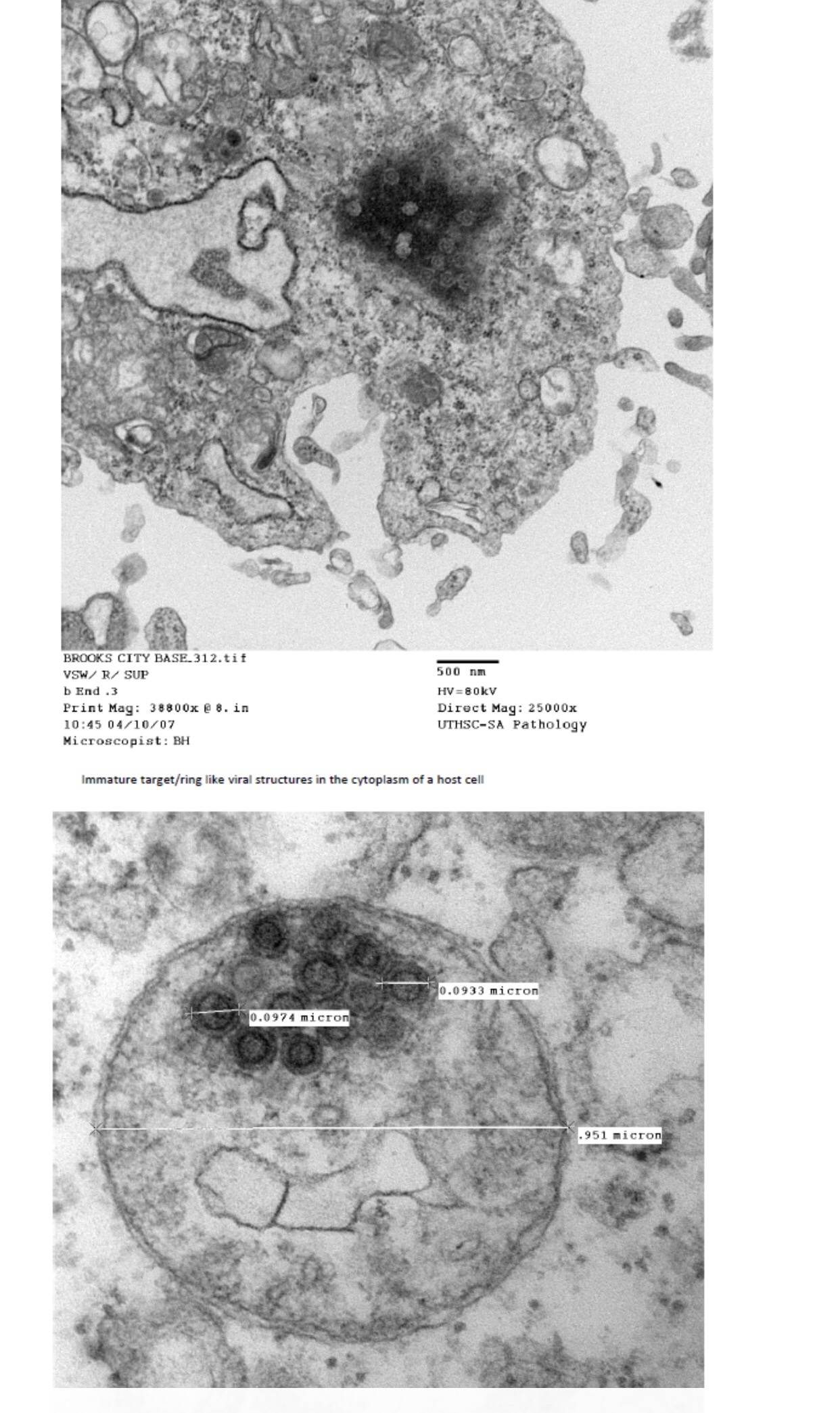
Perhaps the most remarkable interaction of endogenous retrovirus is with HIV (Human Immunodeficiency Virus):
“Recently, it has been shown that the expression of HERV-K proteins suppresses HIV replication, perhaps through tuftsin, an inflammatory macrophage cytokine. Decline in tuftsin and increased expression of HERV-K is associated with advancing AIDS. Activation of HERV-K expression has correlated with the level of HIV-1 production. Studies of autoimmune neurological demyelinating disease (experimental autoimmune encephalomyelitis (EAE)) in rodents indicates that tuftsin administration upregulates immunosuppressive Helper-2 T cell (Th2) cytokine transcription factor and that tuftsin-mediated microglial cell activation results in shifting microglia to an anti-inflammatory phenotype. In return, the T cell phenotype is shifted towards immunoprotection after exposure to tuftsin-treated activated microglia, that is, downregulation of pro-inflammatory Th1 responses triggered in conjunction with upregulation of Th2-specific responses and expansion of immunosuppressive regulatory T cell clones. Macrophages with activated HERV-K expression were more resistant to HIV infection, perhaps in part by its Gag protein being expressed and interfering with the assembly of the HIV virions, and cells expressing HERV-K and infected with HIV were more susceptible to destruction by cellular immunity. Infection of CD4 + T cells with HIV-1 was shown to result in transcription of the HML-2 lineage of HERV-K [HERV-K( HML-2)] and to express the Gag and Env proteins of this virus. HERV-K( HML-2)–specific CD8 + T cells obtained from HIV-1–infected human subjects responded to HIV-1–infected cells in a Viral infectivity factor (Vif)-dependent manner in vitro. HERV-K( HML-2)–specific CD8 + T cells (cytotoxic T cells) eliminated cells infected with globally diverse HIV-1, HIV-2, and SIV isolates in vitro. A second T cell response that exhibited cross-reactivity between homologous HIV-1-Pol and HERV-K( HML-2)-Pol has raised the possibility that similarities between HIV-1 and HERV-K play a role in forming, triggering, and perhaps enhancing, the T cell response to HIV-1. There is even some suspicion, because of the association with HERV-K expression with certain tumor cell lines, that its expression can lead to cancer triggered by HIV infection as was perhaps my brother’s brain lymphosarcoma. HERV-K is both protective, initially through triggering the innate immune system and later specific T cell cytotoxicity, and detrimental by perhaps triggering the formation of cancer. The dilemma with HERV-K and the human immune system is that the initial innate response producing reactive oxygen species could protect against both HERV-K and HIV, simultaneously, but the switch to the inadequate nitric oxide response in human macrophages encourages the replication and release of HIV to infect other recruited and susceptibly activated macrophages to carry the HIV to lymphoid tissue. Evolutionarily, HERV-K’s advantages have outweighed its disadvantages and has led to resistance to such coming plagues as that could result from Viper Plague Virus, at least for now.”— The Black Dragon Trilogy by JOHNATHAN KIEL
https://a.co/57tGvuL

 Global Biosurveillance