
Ok, I am sympathetic with those suffering from COVID fatigue, and understand how many people just want to forget this tragedy and return to “normal”. However, their previous insulation from such infectious disease and the lull in history it created, are not the historical “normal”, but an illusion of circumstances. This fact is the reason we must not relegate the COVID event to a dusty shelf and forget it as if it were an aberrant case, but use it as a knowledge base and motivation to prepare for future such potentially inevitable events, to mitigate their effects, and learn the circumstances that prevent such events from materializing into full calamities again. I will give several old examples and a new potential one which may emerge. First, the appropriate approach is not solely based on a single discipline such as epidemiology, microbiology, immunology, vaccinology, ecology, sociology, etc. but rather a team, cross disciplinary one. Next, let’s summarize what we have learned about COVID that might guide future responses and which might be exceptional to the disease. COVID is in many ways a typical animal coronavirus https://wwwnc.cdc.gov/eid/article/27/4/pdfs/20-3945.pdf: (1) it is both a respiratory and gastrointestinal virus; (2) it can be very localized to the upper respiratory tract or the GI tract and be resolved there by innate immunity (primarily Interferon) with little consequences (except for generating carrier states or subsequent re-infection); (3) the amount of viral inoculum predicts the degree of the severity of the subsequent infectious disease; (4) it can trigger an immune pathway more familiar in parasitic and fungal respiratory diseases as well as tumor immunology than viral and bacterial diseases; (5) if the first line of defense (innate immune response) fails and adaptive immunity must resolve the infection then the virus becomes distributed in many tissues including the central nervous system (brain) leading to severe or even lethal effects before the adaptive response kicks in and resolves the disease; (6) the severe responses originate with the anti-parasitic response being activated all at once in many tissues, making an effective local response into a severe to lethal generalized response; (7) not suppressing or resolving this generalized response post-infection leads to “memory” which cross reacts with other stimuli non-specifically leading to lingering long term illness; (8) SARS-CoV-2 more profoundly affects the old than young on average unlike animal coronaviruses which are more severe in the young, although the multi system inflammatory response in some children says this generalized collateral damage can occur in children from time to time; (9) the high transmissibility by airborne and physical contact from host to host (and the natural evolutionary drive of mutants toward optimizing this) in close groups of infected (particularly asymptomatic) carriers and susceptible individuals, but failure of long term and distance environmental and aerosol transmission, respectively, maintains the disease in a population indefinitely, and ultimately, endemically. This latter social problem, followed too late by isolation of infected individuals after symptoms and early transmission, leads to the coronaviruses’ continuous maintenance in populations at 10-15% on average but not more at a given time, preventing natural herd immunity and providing plenty of viruses to mutate and select for new dominant variants.
Several new and old measures have proven valuable in prevention and in treatment of early infection, but difficult to uniformly apply, that is, to convince the general population to sustain. Vaccination is very effective, but a sustained large susceptible portion of the population leads to abundance of virus and opportunities for mutations and selection for vaccine-resistant variants. Masking, limiting close contact and vaccination must be simultaneously widely applied or they will become ineffectual in ending the pandemic. It must be realized by the public that viruses do not replicate or mutate in the environment. They are static and decline in infectivity like a biological toxin until they have a host in which to replicate and select for mutations that further their replication. If this cycle is broken, they perish. Antivirals, like Remdesivir (https://jamanetwork.com/journals/jamanetworkopen/articlepdf/2777863/garibaldi_2021_oi_210112_1616042465.1957.pdf) and Molnupiravir (MK-4482, EIDD-2801) (https://www.merck.com/news/ridgeback-biotherapeutics-and-merck-announce-preliminary-findings-from-a-phase-2a-trial-of-investigational-covid-19-therapeutic-molnupiravir/) or monoclonal antibodies (https://www.nature.com/articles/d41586-021-00650-7) truncate the disease only if it is stopped early before the virus is widespread in the tissues, when and where immune-mediated inflammation causes severe disease and possibly death. There is also early evidence that vaccination can reverse chronic lingering effects of COVID, perhaps by shifting the immune pathway away from Th17 toward the Th2 pathway, but not toward Th2 cell produced Interleukin 4 (IL-4), IL-5, and IL-13, which up-regulate antibody production, not toward neutralizing IgG, but toward antibodies targeting parasitic organisms. IL-4 and IL-13 induce B cell switching to IgE (anti-parasitic but allergy yielding antibody) production. IL-5 is the principal eosinophil-activating cytokine, mediating allergic reactions. Immunization may prove to act like “desensitization” to an allergen with allergy shots or by clearing low-level sequestered viral infection (appropriate Th1 as well Th2 pathways).
Three new approaches have grown out of COVID research and development: (1) Gene-based, mRNA and DNA vaccines, which produce precise and effective immune responses, stimulating not only antibodies that block an infection, but also a strong T cell response which can clear infections even if they occur with vaccination before they can become apparent or severe, responding better to mutations, and probably eliminating chronic infections too; (2) a new way to discover drugs by investigating protein-protein interactions; and (3) wearable, wireless, cell phone and app connected diagnostics moving from non-specific illness diagnosis toward the goal of immediate disease-specific diagnostics https://www.laboratoryequipment.com/574395-3-Innovations-Fueled-by-COVID-19-That-Will-Outlast-the-Pandemic/.
A new drug from Pfizer appears to have great promise in truncating COVID. An investigational novel COVID-19 oral antiviral candidate,PAXLOVID™, significantly reduced hospitalization and death, based on an interim analysis of the Phase 2/3 EPIC-HR (Evaluation of Protease Inhibition for COVID-19 in High-Risk Patients) randomized, double-blind study of non-hospitalized adult patients with COVID-19 at high risk of progressing to severe illness. On 16 Nov 2021, Pfizer asked regulators in US to grant ithe drug emergency use authorization. Generic companies can start preparations for the product once they get a license, but have to wait for the regulatory approval before they can supply it. Pfizer claims late-stage trials showed the pill cut the chance of hospitalization or death for adults at risk of severe disease by 89 %. The trials evaluated data from 1219 positive cases across North and South America, Europe, Africa, and Asia. https://www.npr.org/sections/coronavirus-live-updates/2021/11/05/1052679112/pfizer-covid-pill-treatment
All the above are focused on the specifics of COVID but what can we learn from this experience, in general, that combines with older ones to stop new emerging zoonotic disease events leading to pandemics? In my previous writings, I have emphasized how infectious agents fill pre-existing niches rather than merely force entrance into a new host species or environment. It is true that the virus or other microbe must have the means to do this, have the right ligand to bind to the new host receptor or characteristics to survive and be available for infection in the new environment of the new host, but these are based on natural variation (mutations and altered gene expression) coupling with the new host and environment or a deviation in that environment, providing opportunity for first successful entry no matter how imperfect, a foothold, pathogenic ecology. I will give several past and present examples of infectious disease which will illustrate my point; first, my favorite, anthrax.
This disease arises sporadically around the world in every continent except Antarctica, with hiatuses of 30, 40, or more years and even in areas with no recorded outbreaks amongst grazing animals. Outbreaks are associated with wet springs followed by hot, dry often drought ridden summers and rapid disappearance with the onset of winter and cooler temperatures. It is usually very geographically confined and may jump in occurrence among non-contiguous sites. After reports that anthrax bacteria could be grown in the roots of plants in the laboratory, we attempted to see if this occurred under natural conditions in the field. In cooperation with Texas ranchers, we located carcasses of animals that had died of anthrax (confirmed by culture and isolation from samples collected from them) and let them remain in place for three years. No viable spores could be found in the soil around or under or in the carcass remains after three years. However, viable anthrax bacteria were cultured and isolated from roots of plants growing on the sites where the carcasses had deteriorated. Other investigators had found that the anthrax bacteria grew in the guts of soil nematodes. This experiment showed the non-infectious vegetative anthrax bacteria grew in plants (especially during the wet spring growing season) and converted to infectious spores when the plants were stressed or died during the heat and drought, releasing infectious spores into the surrounding soil ready to infect animals, especially if they fed close to the soil or dug it up looking for remaining vegetation to feed on. Therefore, environmental conditions, not just the presence of the pathogen, are required to infect an available, vulnerable host.
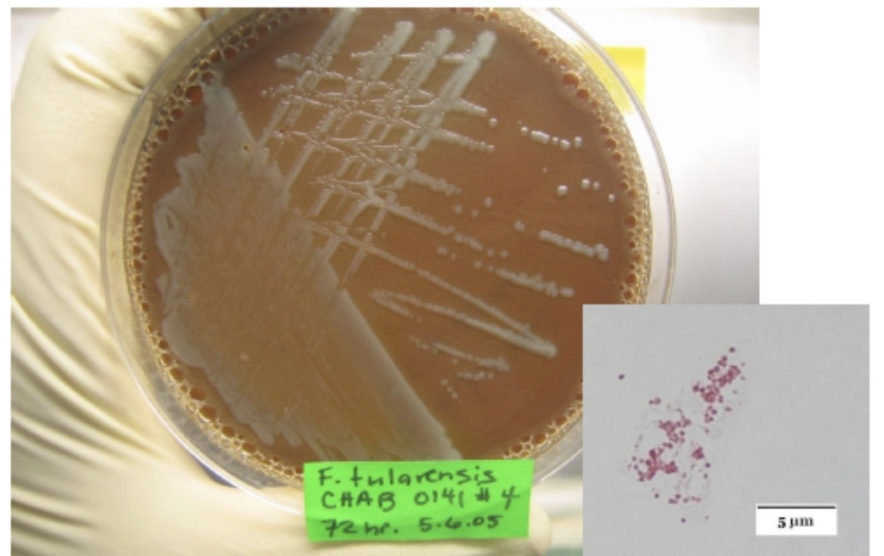
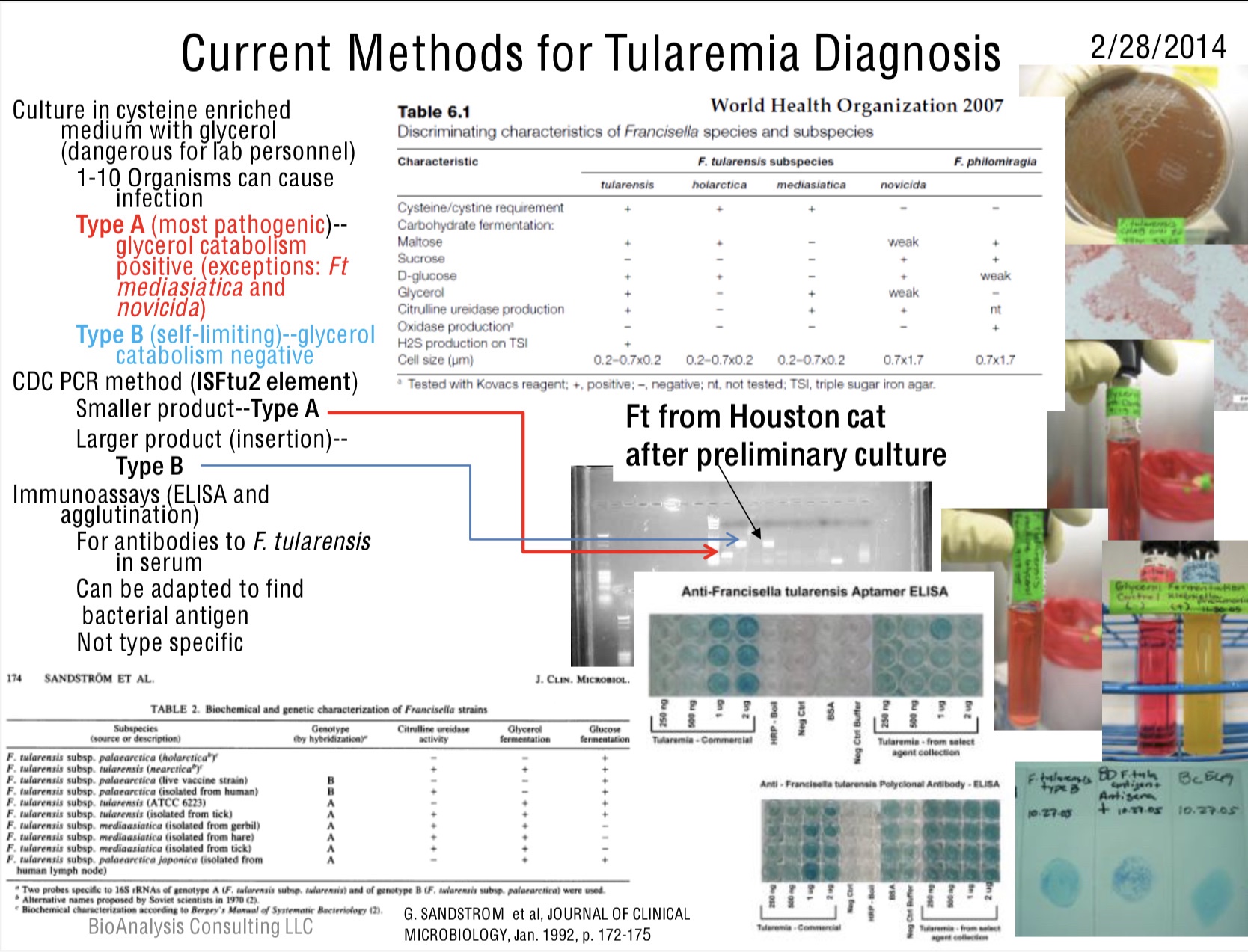
Another example is a changing microbe in an existing environment, altering the course of the infectious disease manifested. Tularemia is usually considered to be of two clinical types, Type A and Type B, associated with certain species and geographical locations. The first case of human tularemia confirmed by bacterial isolation and identification was reported in Cincinnati in 1914. Dr. Edward Francis, also from the US Public Health Service, established Bacterium tularense (fulfilled Koch’s Postulates) as the cause of deer-fly fever in 1928 and the bacterium was eventually named Francisella tularensis in his honor for his contributions. Most of the outbreaks reported in the United States are sporadic. Most cases are in the Ozarks in the Mid-West (between 2001 and 2010, Missouri (19%), Arkansas (13%), Oklahoma (9%), South Dakota (5%), and Kansas (5%)), and in the Northeast in Dukes County (Martha’s Vineyard, Nantucket Island, and Elizabeth Islands off the coast of Cape Cod), Massachusetts, the latter among gardeners and grounds maintenance people. Between 2001 and 2003, the prevalence of the bacterium in a large sample of dog ticks (Dermacentor variabilis) from Martha’s Vineyard was 0.7 per cent. Prior to 1937, there was only one case of tularemia on the island, related to contaminated rabbit meat from the Mid-West. However, after more than 20,000 cottontail rabbits were introduced from Missouri and Kansas into the Massachusetts’ mainland and Martha’s Vineyard and Nantucket Islands for the purpose of sport hunting, cases of tularemia (Type A) began to occur after a hiatus of several years. Every state except for Hawaii has reported cases at one time or another. There has also been a small concentration of cases in the Northwest and others localized in Northern California near San Francisco recently (between 2001 and 2010). Although the main source of tularemia is direct contact with infected rabbits or rodents, it can occur, in humans. through the bite of a mosquito or a gnat, from contaminated food or airborne dust which then contaminates water and/or food. Even though the microbe is rather fragile, the low infectious dose and maintenance in free living amoebas, Acanthamoeba spp., particularly in airborne resistant cysts, makes there environmental contamination widespread. In Europe, its source has been somewhat different (Type B). Tularemia was first recognized as a distinct important human disease in Europe following large water-borne outbreaks which occurred in the 1930s and 1940s in parts of Europe and the Soviet Union. In 1959, Russian researchers designated two subspecies, F. tularensis biovar tularensis (Type A), which is highly virulent in humans and animals, with its principal reservoir being the cottontail rabbit, and F. tularensis biovar palaearctica (Type B), the principal cause of human tularemia in Europe and Asia. It is mildly virulent in humans, but causes large scale, lethal epizootics in the principal reservoirs, the water rat and vole rat. The disease is manifested as ulceroglandular tularemia when entering the skin (which may be without breaking the skin), characterized by a cutaneous and tender regional lymphadenopathy. Percutaneous penetration may also manifest as glandular tularemia, regional lymphadenopathy without ulceration. Inhalation of Francisella tularensis bacteria can result in primary pneumonia, ingestion results in oropharyngeal symptoms of tonsillitis and/or pharyngitis with cervical lymphadenopathy. Other clinical types of tularemia include oculoglandular (infection of the eye) and typhoidal (fever with generalized but no local signs). Tularemia may vary widely as to severity based on the subspecies of F. tularensis subsp. tularensis, Type A being the most severe with a greater risk of death and Type B (Francisella tularensis subsp. holarctica also called palaearctica) being mild and self-limiting. At one time, Type A was considered confined to North America (the United States) and Type B in Europe (especially Russia and the former Soviet Union, where this Type B became the Live Vaccine Strain). Asia was known to have Type A (Francisella tularensis v. palaearctica japonica, Type B subspecies which has traits of Type A) and as such the antigen provided for human serological testing for diagnosing tularemia regardless of type. Only F. tularensis ssp. holarctica has been found in Japan. Tularemia bacterium is probably the least host specific bacterial agent known, infecting greater than 250 species of wild and domestic mammals, birds, reptiles, fish, in addition to humans and transmitted by a wide variety of arthropod vectors. The most common vectors are ticks, in the USA, Dermacentor andersoni (the wood tick), Amblyomma americanum (the lone star tick), and Dermacentor variabilis (the dog tick), which can maintain infection transstadially and transovarially. The most common insect vector is Chrysops discalis (the deer fly). The most common wildlife hosts include cottontail and jackrabbits, beaver, muskrat, meadow voles, and sheep in North America, and other voles, field mice, and lemmings in Europe and Asia. In contrast, tularemia is sometimes considered transmitted directly from an environmental, particularly, natural water source. This confusion has arisen because the more one looks at Francisella in the environment the more varieties, related species and strains one finds. Francisella is the only genus within the family Francisellaceae and is a gamma proteobacteria most closely related to Wolbachia persica, a tick endosymbiont, which begins to explain a lot. Based on DNA sequence and fatty acid composition, there are two species tularensis and philomiragia, with five subspecies of F. tularensis, tularensis, novicida, mediasiatica, and holarctica with a variant of holarctica from Japan which has the characteristics of a Type A rather than Type B Francisella. Philomiragia and novicida are considered the more likely waterborne environmental source forms, but this is in no way absolute in regard to the whole genus. Of these, only F. tularensis subsp. tularensis and subsp. holarctica consistently cause disease in humans, the others have caused disease on occasion under special circumstances. The source of the different levels of pathogenicity is not related to any toxin or clear-cut differences among the low pathogenicity and high pathogenicity species and strains. This ideal categorization has gone out the window. By surveying wild animals, feral cats and ticks in Houston, Texas, in 2005, we found Type B was endemic there and even in the air (found by Biowatch aerosol collectors). It was barely noticed in the human population because of its mild, self-limiting symptoms, but had been diagnosed there as far back as the 1950’s, but forgotten. Recently, Type B tularemia has appeared in Canada but now with symptoms more like Type A, muddling the separation. July 2018, a girl 4 years of age was admitted to the Health Sciences Centre at University of Manitoba for fever, right inguinal swelling, and dysuria. The patient’s symptoms had worsened in spite of completing a 5-day course of trimethoprim/sulfamethoxazole prescribed for presumed urinary tract infection but ineffective against tularemia (trouble with misdiagnosing this disease). The patient lived in a rural area bordering a forest in southern Manitoba, Canada. She had frequent contact with dogs and cats and often became infested with ticks. This and other cases caused by F. tularensis subspecies holarctica suggests that this subspecies might be more common in the Canada than the more virulent F. tularensis subspecies tularensis identified elsewhere in North America https://wwwnc.cdc.gov/eid/article/27/4/pdfs/20-3262.pdf. How can we predict such a change in the presence of a pathogen in a new previously unreported environment? Where to look? We found the answer in using an ecological tool called Geographic Information System (GIS). GIS is an “automated system for the capture, storage, retrieval, analysis, and display of spatial data” https://wwwnc.cdc.gov/eid/article/2/2/pdfs/96-0202.pdf. Common to all GIS is that spatial data are unique because they can be linked to a geographic map. The components of GIS include a database, spatial and map information and some mechanism to link them together. It has been applied to epidemiology since the 1990’s. We extended it to apply beyond a current outbreak to finding the microbe, the tularemia bacterium, in the environment between outbreaks. We used it to find a single infected feral cat in Houston.
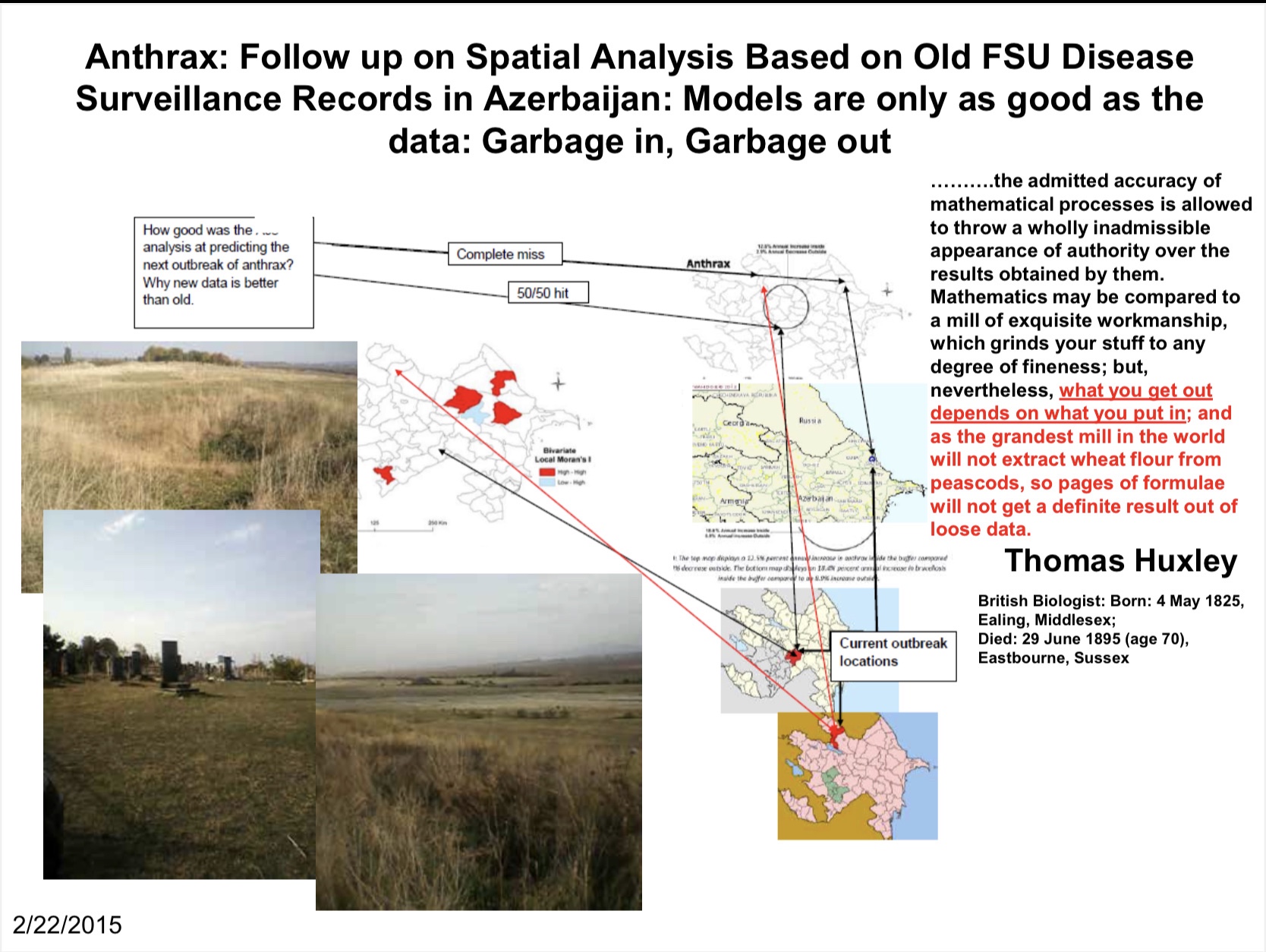
GIS should be applicable to other zoonotic diseases before they emerge. The problem is finding the right data to input into the system.
My last example is a virus that has the potential to bring back a scourge thought to be eradicated. This final example illustrates how an ecological niche can drive a microbe to fill it. Although it is difficult to test a simple model in an uncontrolled population like humans or animals in the wild, it can and has been demonstrated and predictive in at least one case that supports the validity of the model: the elimination of smallpox in 1977. This global experiment was based on a model assuming that if the proportion of the population that is immune exceeds the “herd immunity” for the infectious disease, then the disease can no longer be sustained in that population. In the case of smallpox, this level was exceeded by vaccination and the disease was consequently eradicated (helped by there being no animal reservoir). But was the ecological space it occupied also eliminated or did it become a vacuum to be filled? The problem is a related orthopox virus called monkeypox in Africa. Actually it is a rodent pox (from African giant pouched rats) that infects monkeys and subsequently humans, producing pox lesions very similar to smallpox. The pox viruses are closely related and widely distributed amongst mammals and birds. They can cross protect in immunity. A shipment of rodents from Ghana, imported to Texas on April 9, 2003, introduced monkeypox virus from West Africa into the United States. The same exotic animal importer introduced another emerging infectious disease previously, Viper Plague, from Ghana into the USA. It appeared to be a rickettsial disease, but later was found to be a co-infection with a rickettsia and a Type D retrovirus, associated with tick infestation, observed in vipers imported from Ghana. The disease had gross lesions very similar to Cowdriosis (Heartwater) a very important exotic animal disease not present in the United States but of great concern because of the potential damage it could cause in the US if it became established in native tick populations, and because it causes great loss (up to 70% lethality) in livestock (cattle, goats and sheep) in Africa. Viper Plague, which proved to be a mimic of Heartwater, and its tick vectors entered the USA in 2002. Tick control and tetracycline treatment of the snakes in prodromal or asymptomatic phases of the disease ended the initial outbreak. However, once signs appeared, it killed 100% of the snakes observed.
The rodent shipment that brought in monkeypox included rope squirrels (Funiscuirus sp.), tree squirrels (Heliosciurus sp.), African giant pouched rats (Cricetomys sp.), brush-tailed porcupines (Atherurus sp.), dormice (Graphiurus sp.), and striped mice (Lemniscomys sp.). CDC laboratory PCR and virus isolation showed two African giant pouched rats, nine dormice, and three rope squirrels were infected with monkeypox virus. Some of the infected animals were housed in close proximity to prairie dogs at the facilities of an Illinois animal dealer. These prairie dogs were sold as pets and then developed signs of monkeypox. The CDC and public health departments in the affected states, together with the U.S. Department of Agriculture, the Food and Drug Administration, and other agencies, prevented further spread of the monkeypox outbreak https://www.cdc.gov/poxvirus/monkeypox/outbreak.html.
Beginning in September 2017, Nigeria has experienced the largest monkeypox outbreak in the country’s history. By November 2019, it reported 183 confirmed cases across 18 states, yielding the largest outbreak recorded caused by the West Africa clade of the monkeypox virus. Genetic analysis indicates multiple introductions from animals into the human population. A viral sample collected in 2018 from a patient in Cameroon was genetically similar to a sample from Nigeria even though there was no epidemiologic linkage. This suggested an epizootic event covering the Nigeria-Cameroon border. This observation was in contrast to the performance of the West Africa clade, which tends to cause temporally and geographically isolated outbreaks. In addition , the 2017–2020 Nigerian outbreak showed a higher prevalence for adults (78% were 21–40 years old), in contrast to historical data of most patients’ being less than 15 years old. The changing demographics of this outbreak offers insights into the changing ecology of monkeypox in West Africa. Investigators have proposed two mechanisms for the resurgence after 40 years of no reported cases https://wwwnc.cdc.gov/eid/article/27/4/pdfs/20-3569.pdf. First, the populace experienced increased exposure to and interactions with forest animals, driven by deforestation, armed conflicts, and population migration. Second, herd immunity has declined because of discontinuing universal smallpox vaccination programs in the 1970’s. The illness typically lasts for 2−4 weeks. In Africa, monkeypox can cause death in as many as 1 in 10 persons who contract the disease. With increasing human to human transmission, the stage is set for a “new smallpox”.

 Global Biosurveillance