
Out of my frustration with ignored proposals for support and failure of acceptance by institutions, I have decided to fully disclose my concepts and ideas of my last, and believe most important, contribution to medical science. This is the briefest and most complete description I can give in an effort to engage others more competent to take up the pursuit, with I hope, greater success than I. In discussing the limitations of CRISPR, two major points come to mind: 1) how to deliver it and 2) how to prevent off target effects. Francisco Mojica discovered CRISPR in 1993. He researched these sequences and their products throughout the 1990s, and into 2000. He recognized that the various repeat sequences shared a common set of features, the CRISPR sequences (a term he created in correspondence with Ruud Jansen, who first published the term in 2002). In 2005, he reported that these sequences matched subset sequences from the genomes of bacteriophages (Mojica et al., 2005). This led to the hypothesis, which was later proven, that CRISPR is an adaptive immune system to prevent further invasion and replication of bacteriophages in the host bacteria. The other group to independently discover this fact published similar findings in 2005 (Pourcel et al., 2005). The Nobel Prize in chemistry was awarded in 2020 to Jennifer Doudna and Emmanuelle Charpentier “for the development of a method for genome editing”, developing CRISPR. A recent Science Magazine article discusses the hope and difficulties of delivering CRISPR to correct a rare but devastating genetic disease. CRISPR research shows promise for correcting the faulty wolframin gene but it affects so many tissues, researchers will have to figure out how to deliver CRISPR components to most cells in large organs such as the brain and liver, a “pretty daunting task”. It might take 10 to 20 years to accomplish. The syndrome named for Donald Wolfram, a physician at the Mayo Clinic in Rochester, Minnesota, in the 1930’s, and an ophthalmologist colleague, ruled out malnutrition as the cause of the puzzling condition and discovered it was hereditary. Recessive mutations in the gene for a protein called wolframin are responsible for most cases, with involvement of a second gene causing the remainder. However, the pair was wrong to think the defect lies only in the brain. Instead, the symptoms stem from widespread cell death. The first sign of the illness, appearing in children, is usually diabetes mellitus, because of loss of insulin-secreting beta cells in the pancreas. Most patients also develop diabetes insipidus, in which the pituitary gland does not produce the hormone vasopressin (AVP), which is also known as antidiuretic hormone (ADH), that helps control the body’s fluid balance, causing the kidneys to produce huge amounts of urine. Blindness will also develop; patients usually go blind within 10 years of their first visual symptoms https://t.co/DCWpJuCJAI.
Using CRISPR has other problems associated with introducing foreign protein. Editas Medicine and Allergan announced human in vivo CRISPR-therapy trials for an inherited blindness, but have run into a potential hurdle to therapeutic CRISPR, the human immune responses to its bacterial components. For instance, a majority of tested blood samples showed existing immune responses to Cas9, which is commonly taken from Staphylococcus or Streptococcus bacteria. It is needed to do the double-stranded cutting of the DNA to remove the offending gene to be replaced. Correcting multiple genes is also a problem, but may have an answer in CRISPR. The solution is in multiplexing, changing more than one gene at a time, requiring only the introduction of a single Cas enzyme and of gRNAs (guide RNAs which direct the cutting of the DNA by hybridization of the specific RNAs to the DNA to be excised), and template DNAs for each targeted gene. CRISPR multiplexing to tag multiple genes in the same cell is achievable, but in practice, gets increasingly complicated with each added gene https://www.sciencemag.org/features/2019/09/beyond-crispr-what-s-current-and-upcoming-genome-editing and https://www.frontiersin.org/articles/10.3389/fbioe.2019.00459/full.
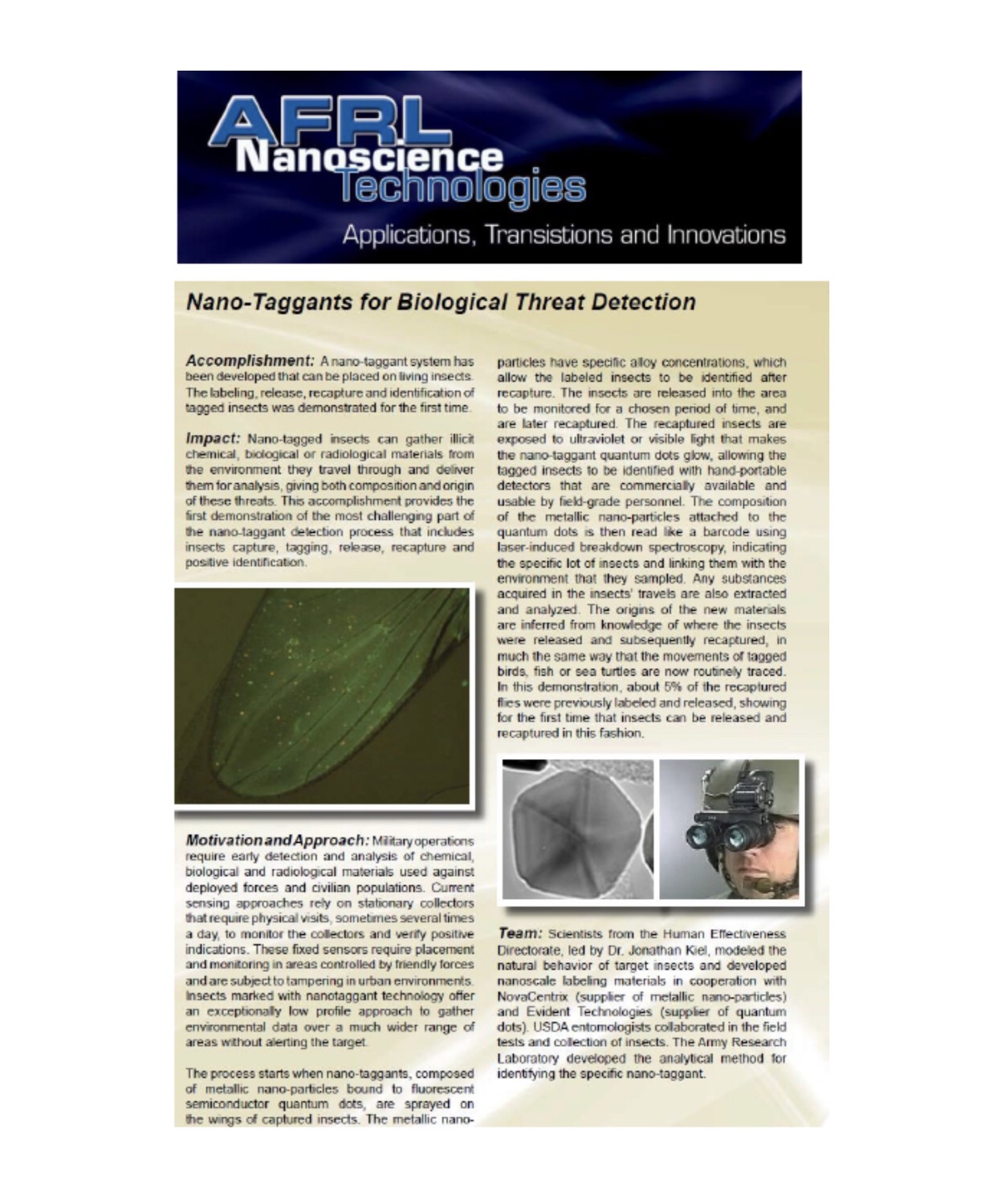
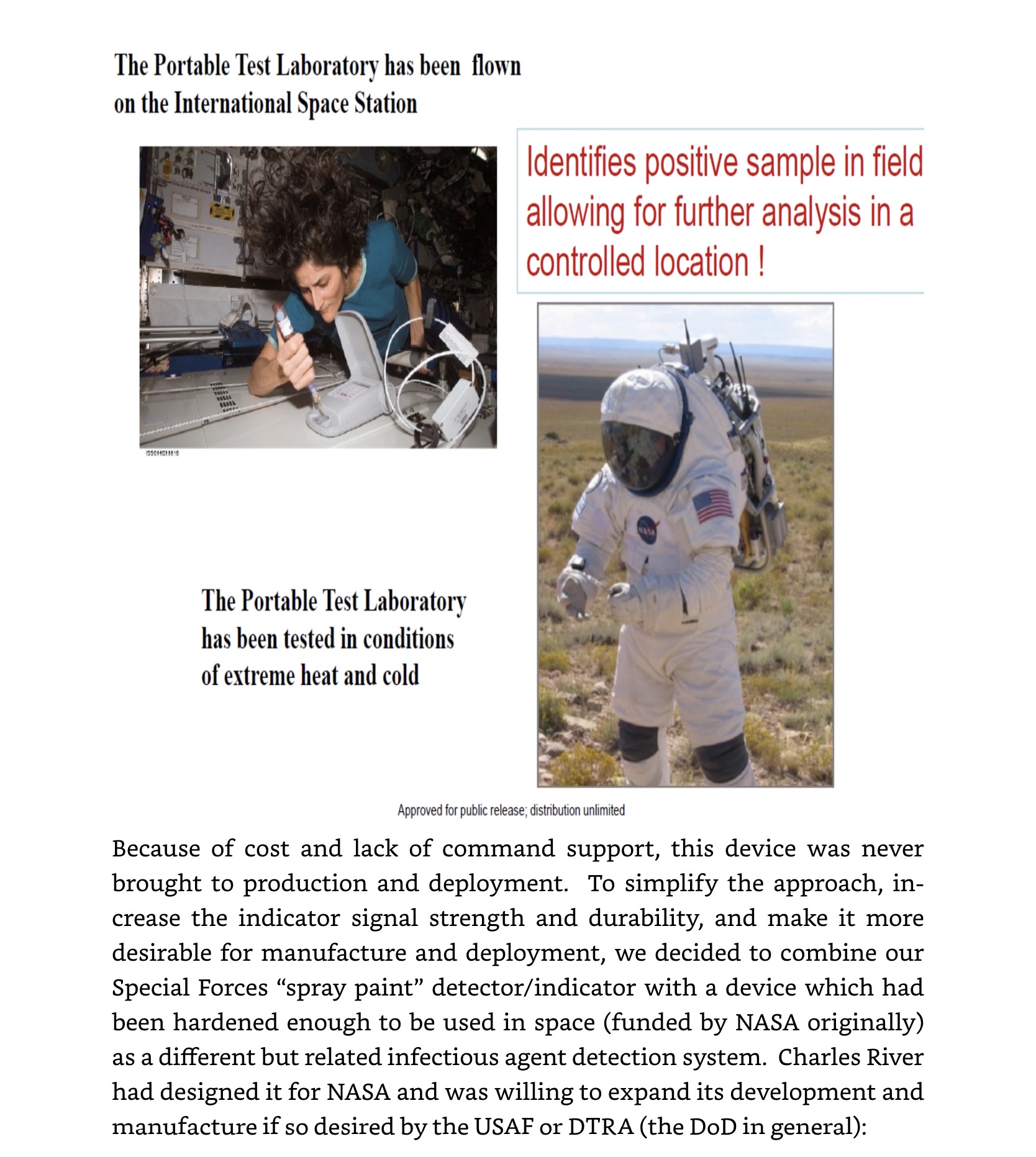
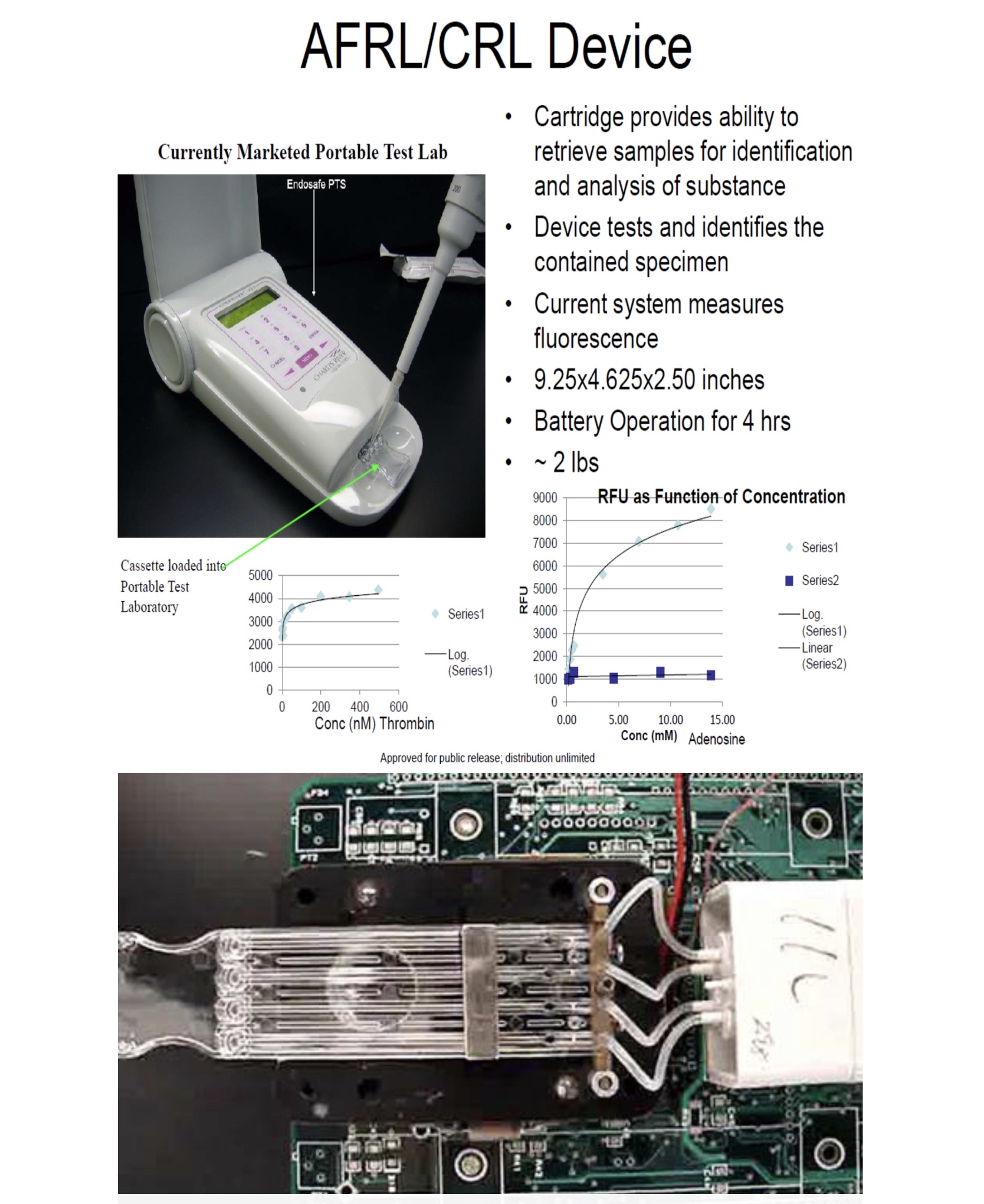
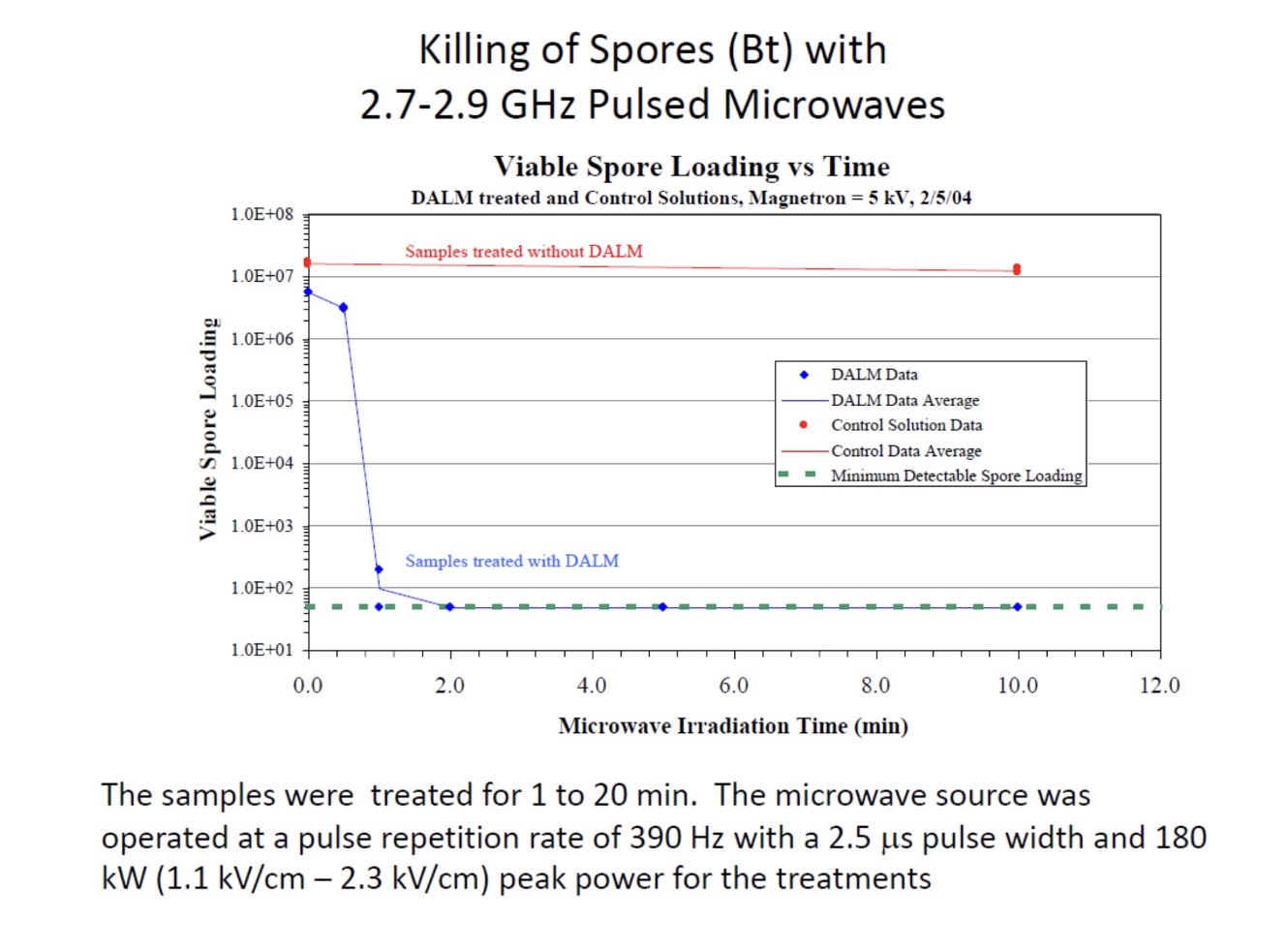
Our solutions, including a delivery system for CRISPR, grew out of USAF Air Force Research Laboratory Brooks Counterproliferation Team’s research to answer requirements of Special Forces for biodefense Counterproliferation. We needed methods and equipment to immediately detect, identify and safely collect and isolate highly pathogenic microbes rapidly in non-permissive territories for their safe return to the laboratory, with chain of custody, for further culture, analysis and attribution. As a fortuitous consequence, these methods and equipment could be used with little or no support and with simple to operate and maintain equipment which would be very useful in the most remote areas of developing countries. Even the reagent manufacturing could be accomplished in place with portable fermentation miniature plants by microbial biosynthesis. Additional mechanisms of electromagnetic radiation interaction, allowed for raising the impact of the detection system to the level of specific antimicrobial biocidal effects on the microbes in the environment. The process also had the potential of inhibiting, killing or genetically altering the microbes in vivo. The last step before closing the program demonstrated that the nanotechnology was operational in animal and human cells without being lethal, suggesting utility in genetic therapy in animals and humans. These experiments, preliminary applied science, and concepts were not developed and fully exploited for field and medical applications. What follows are step by step progression of the development and concepts of the technology I had hoped would be applied to Global Biosurveillance, Counterproliferation, and infectious disease control as close to the source of the outbreak as possible. The nanoparticle material would have to be carefully selected to avoid toxicity. For instance, carbon nanotubes can cause lung inflammation and fibrosis if inhaled but are broken down by myeloperoxidase and other oxidative enzymes (http://www.particleandfibretoxicology.com/content/3/1/15, Franco Cataldo and Tatiana Da Ros, Editors, Medicinal Chemistry and Pharmacological Potential of Fullerenes and Carbon Nanotubes, and Prabakaran Ravichandran et al, PULMONARY BIOCOMPATIBILITY ASSESSMENT OF INHALED SINGLE-WALL AND MULTI- WALL CARBON NANOTUBES IN BALB/C MICE, JBC Published on June 24, 2011) and may even be useful as immune adjuvants to stimulate immunity induced by vaccines. The synthetic Nanobes may simply be used to induce biosynthetic Nanobes in the manufacturing process and avoid all toxicity problems all together. Could these technologies along with CRISPR be brought to bear against SARS-CoV-2 and all its variants? New emerging or old re-emerging pathogens?
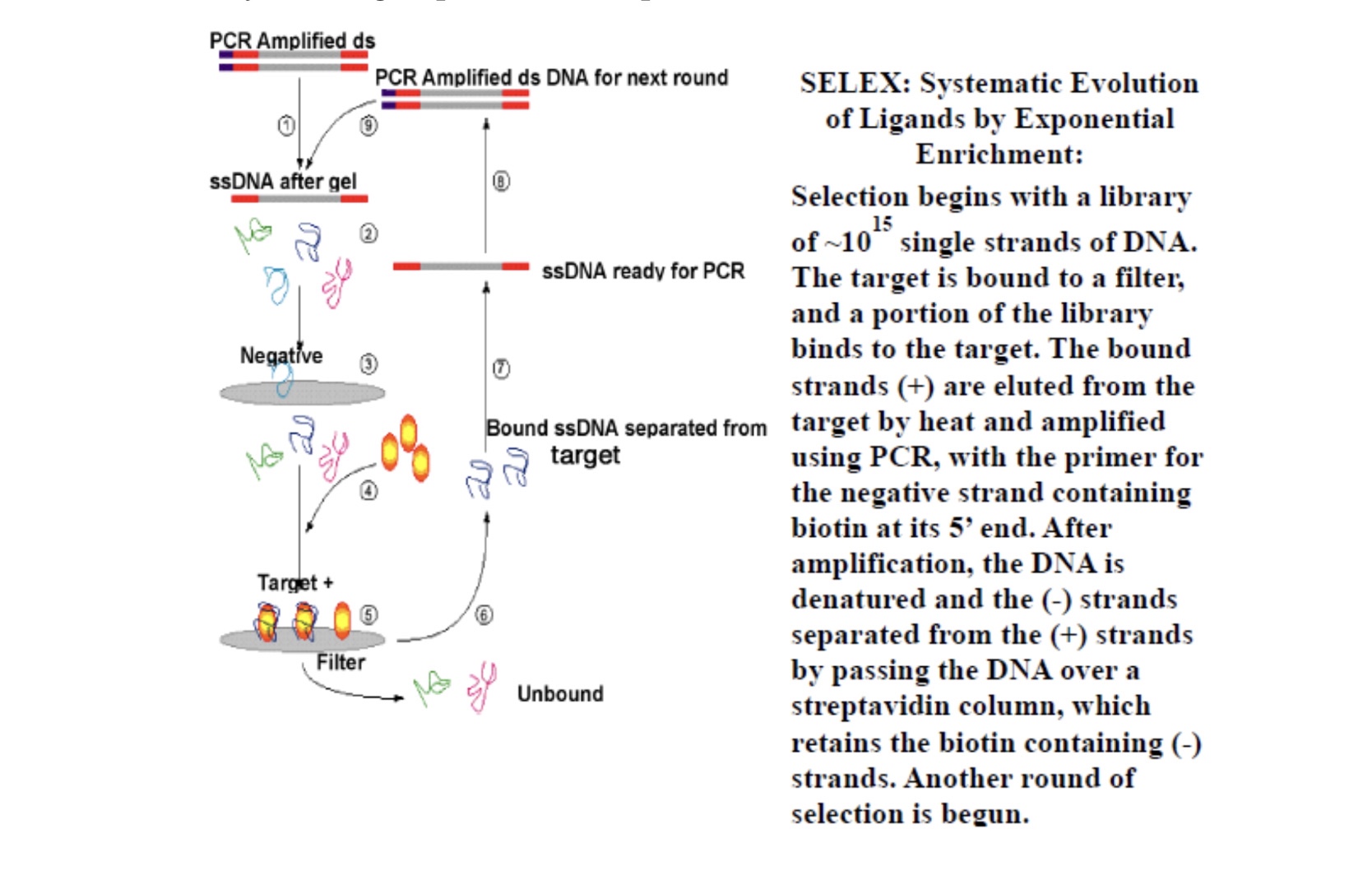
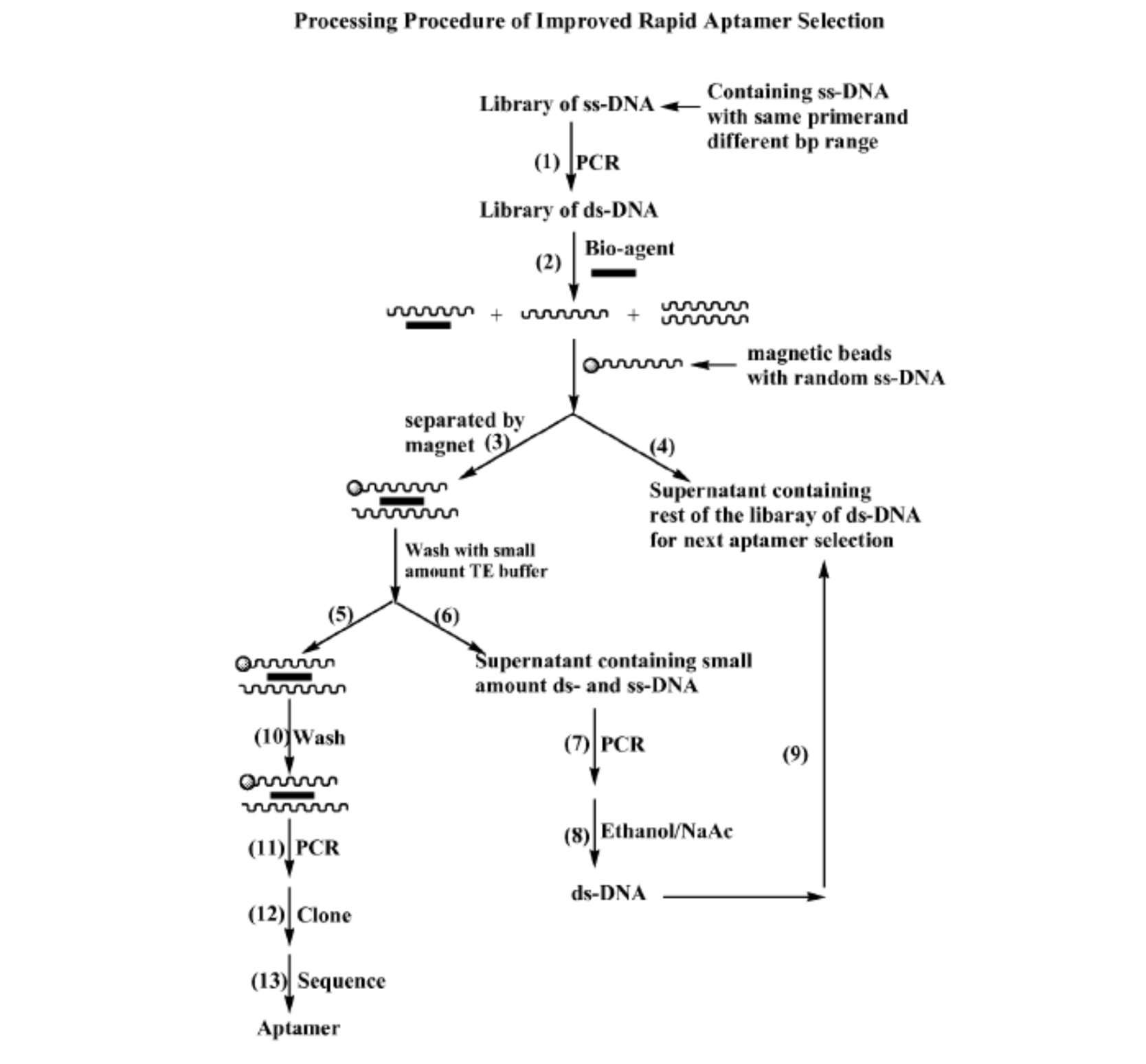
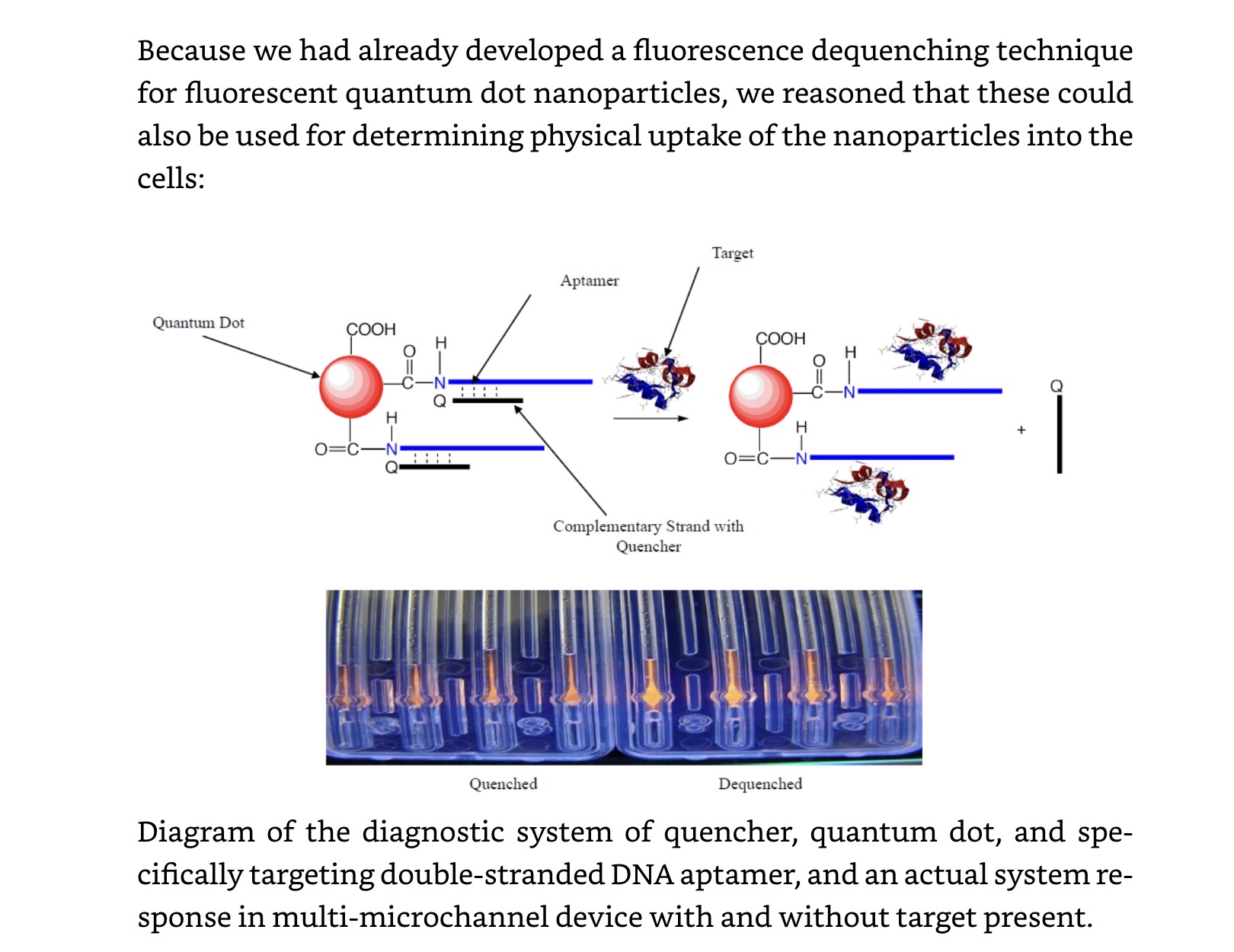
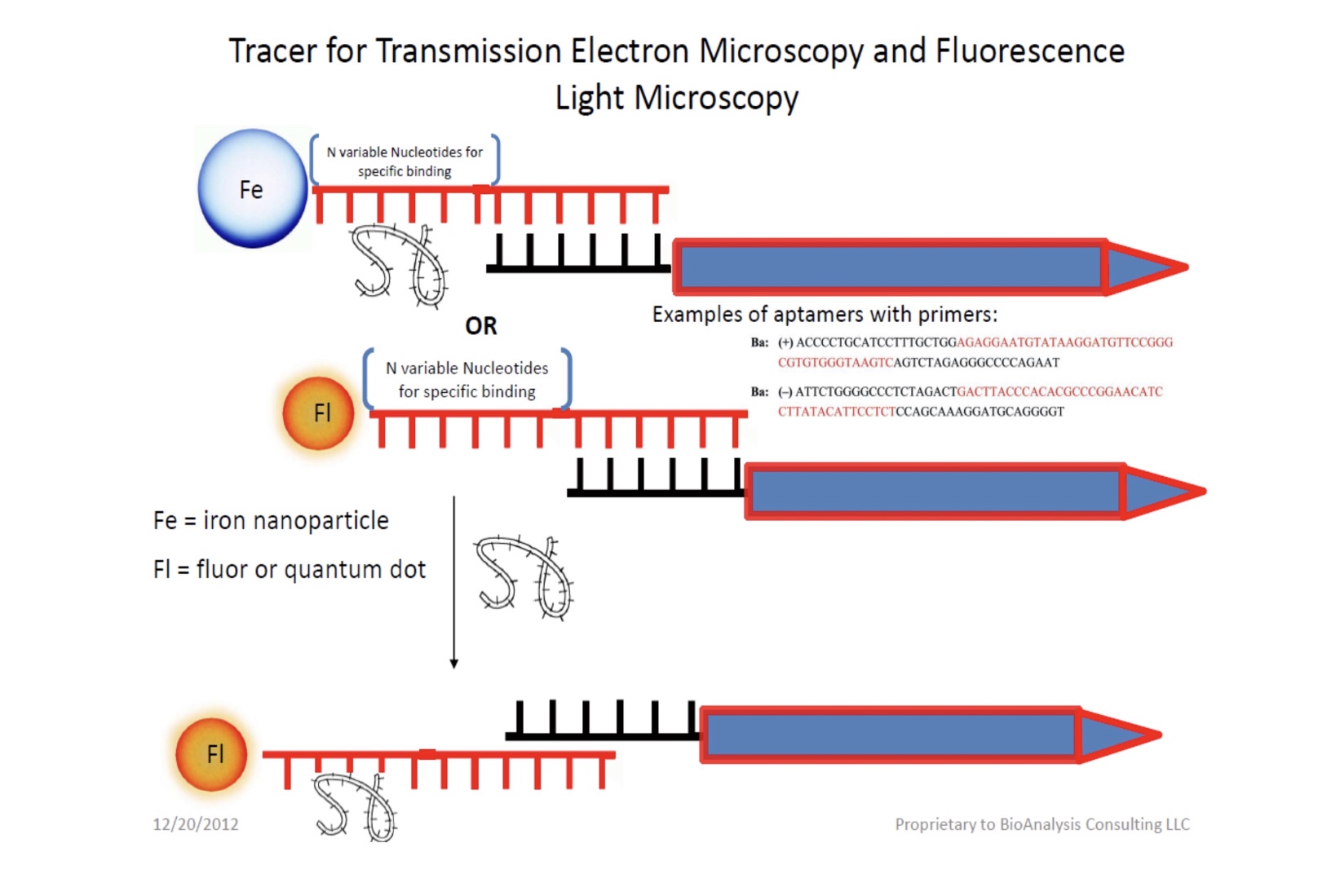



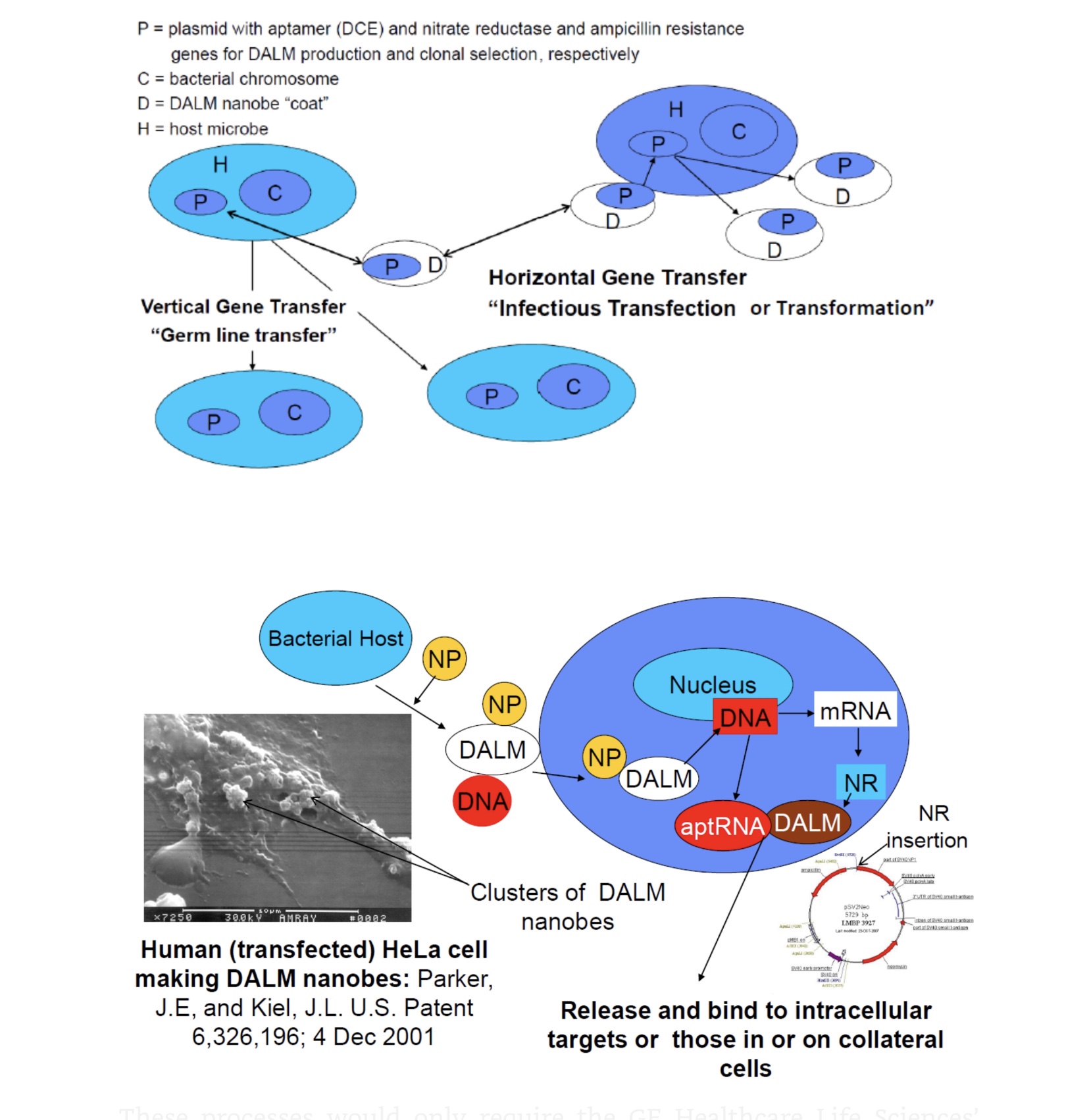

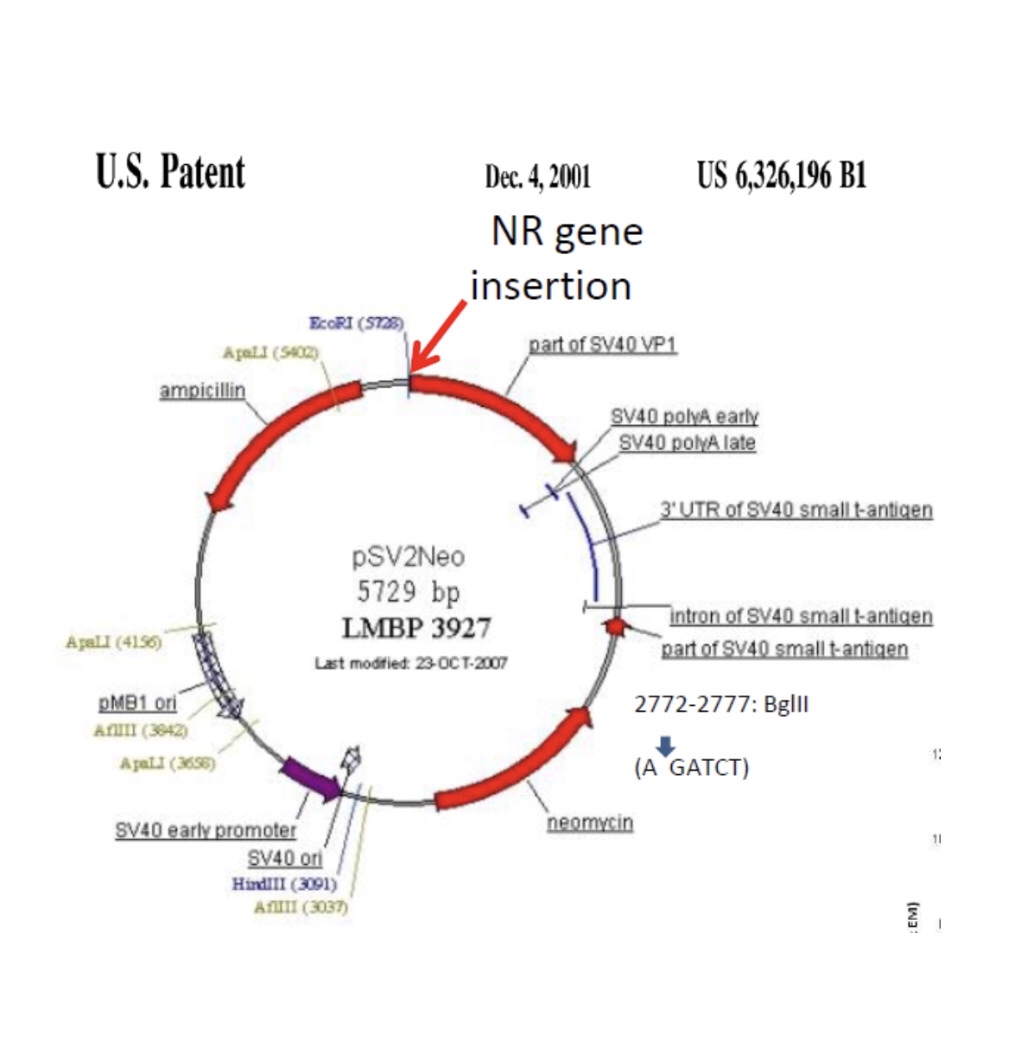
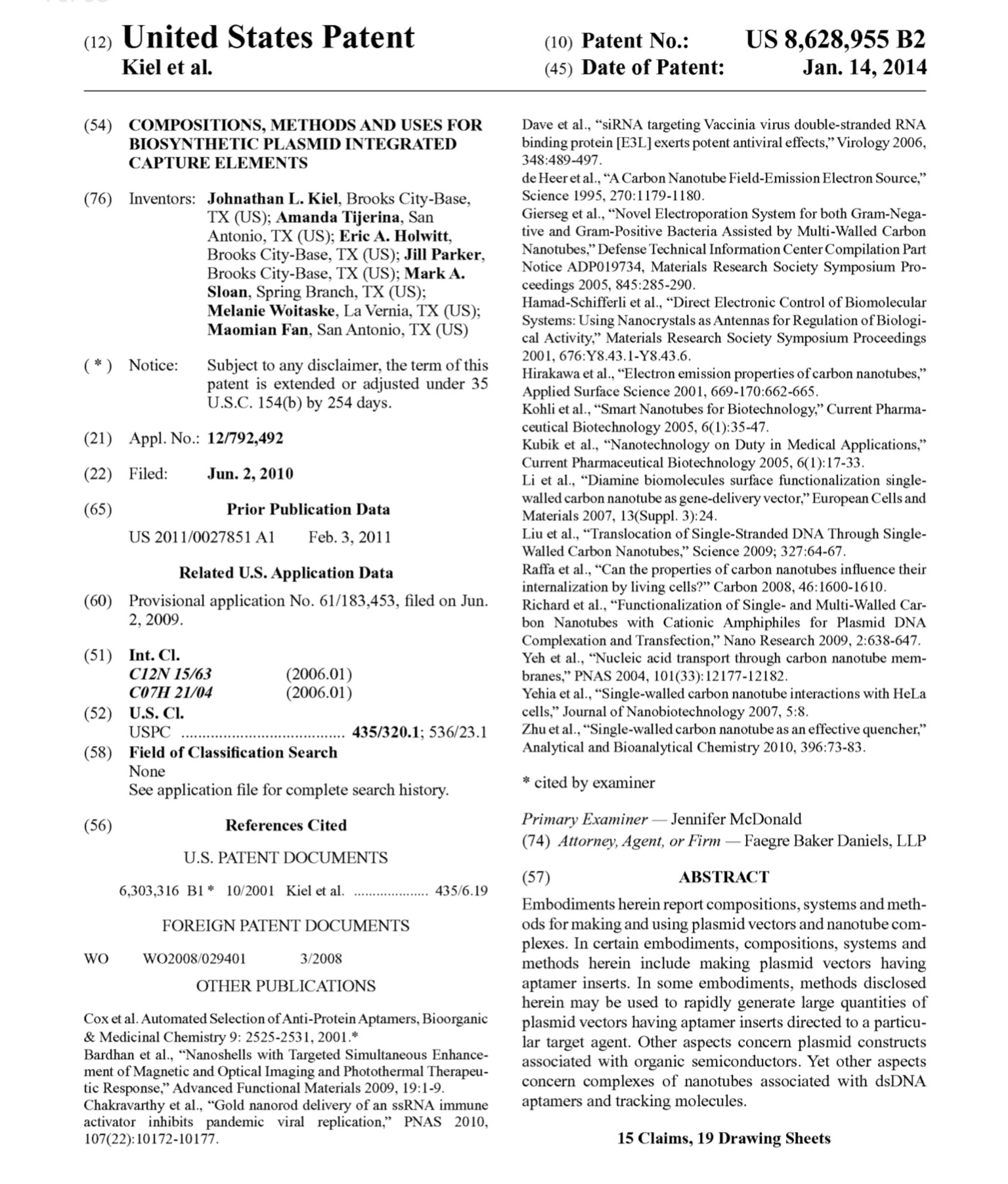
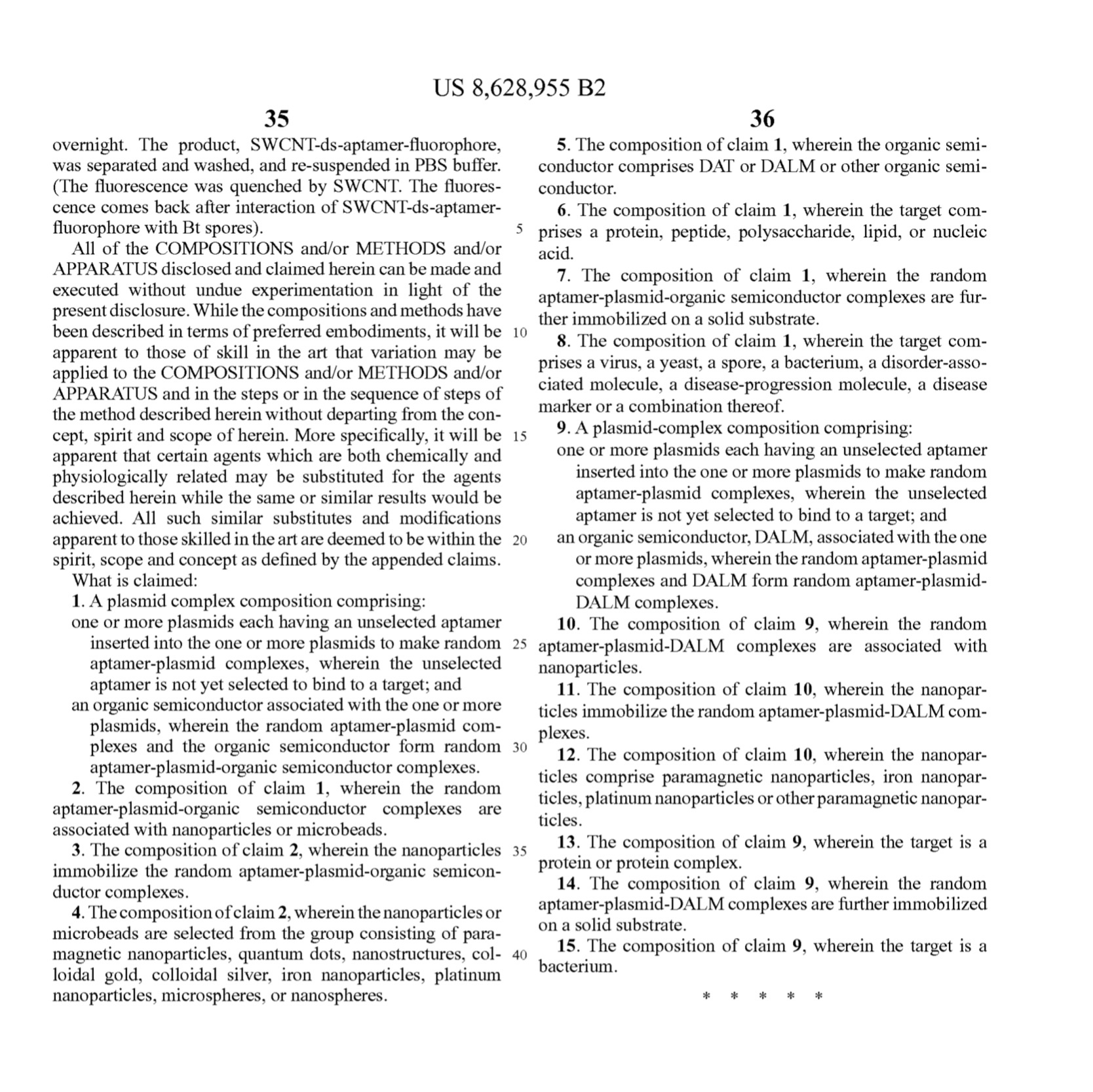
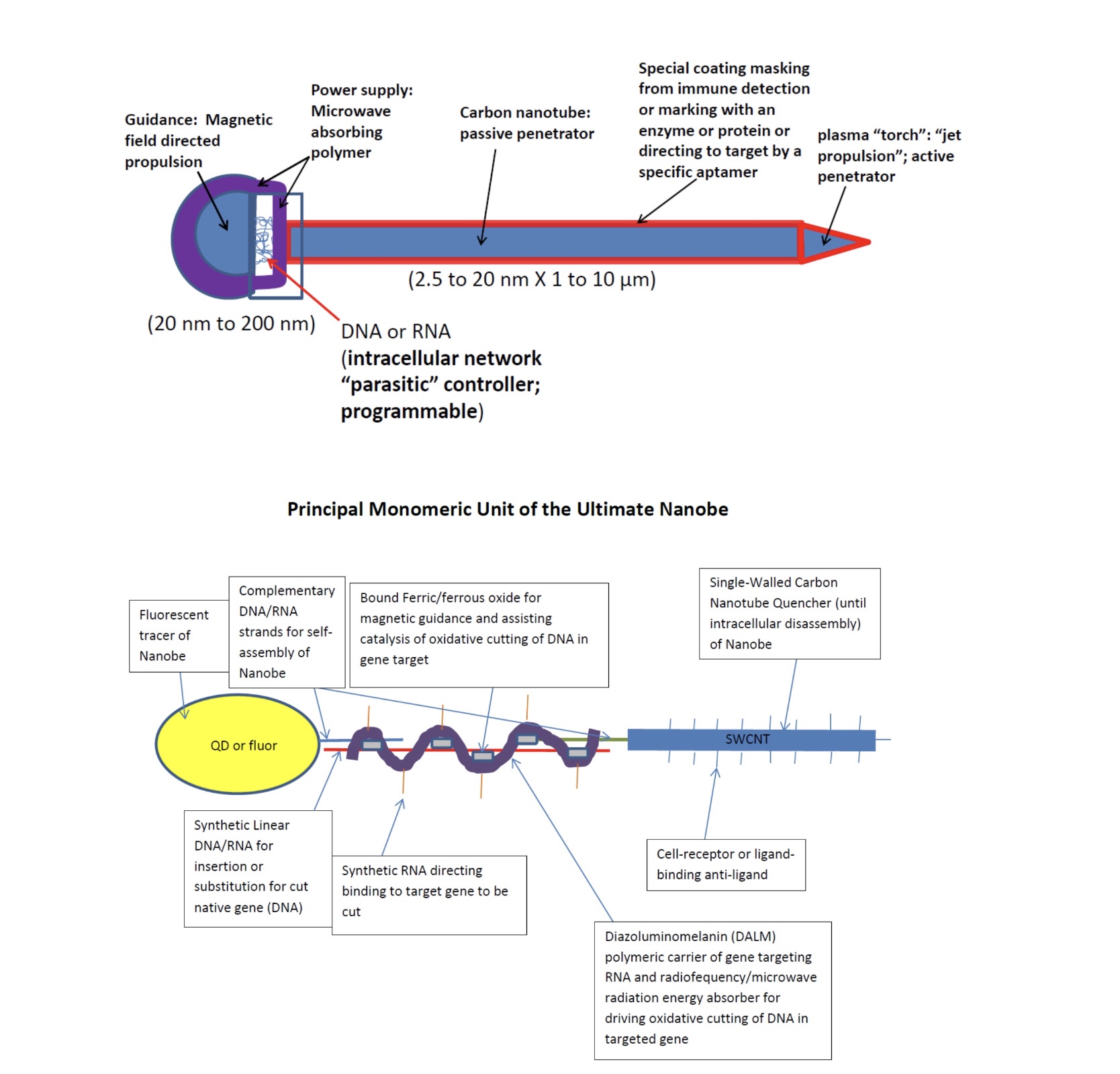
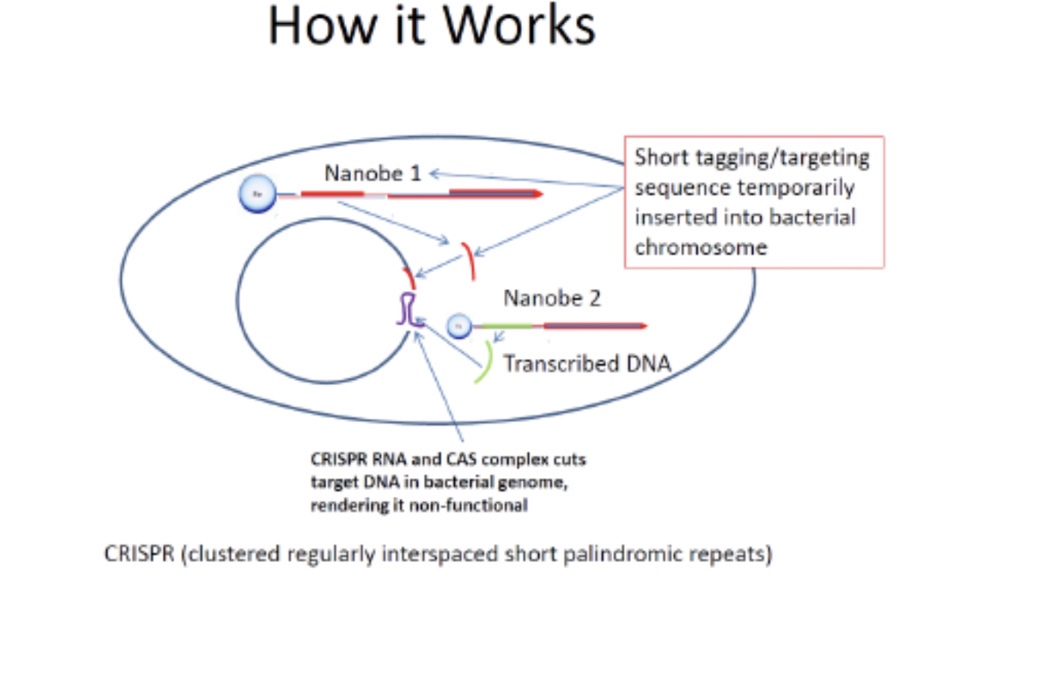
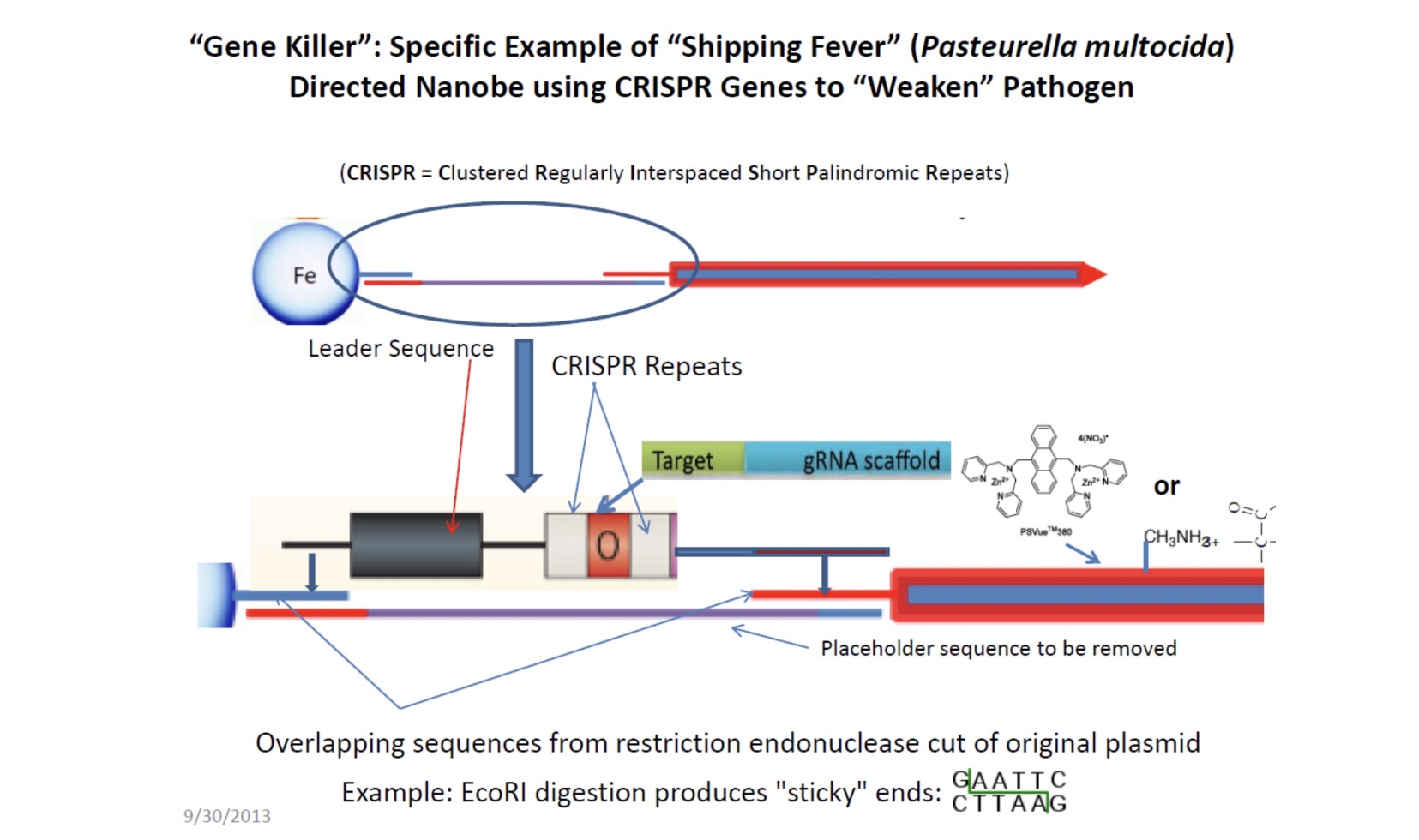
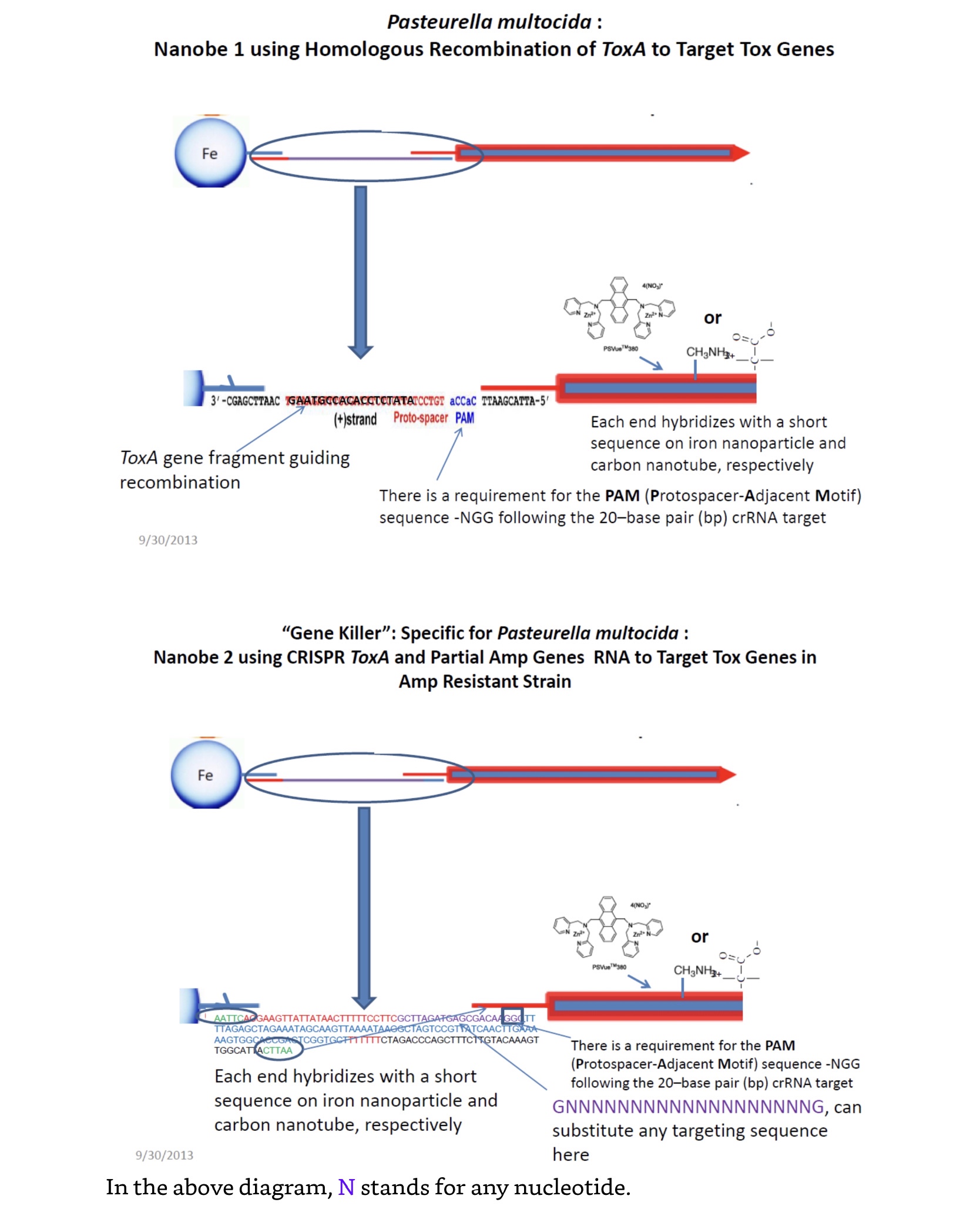
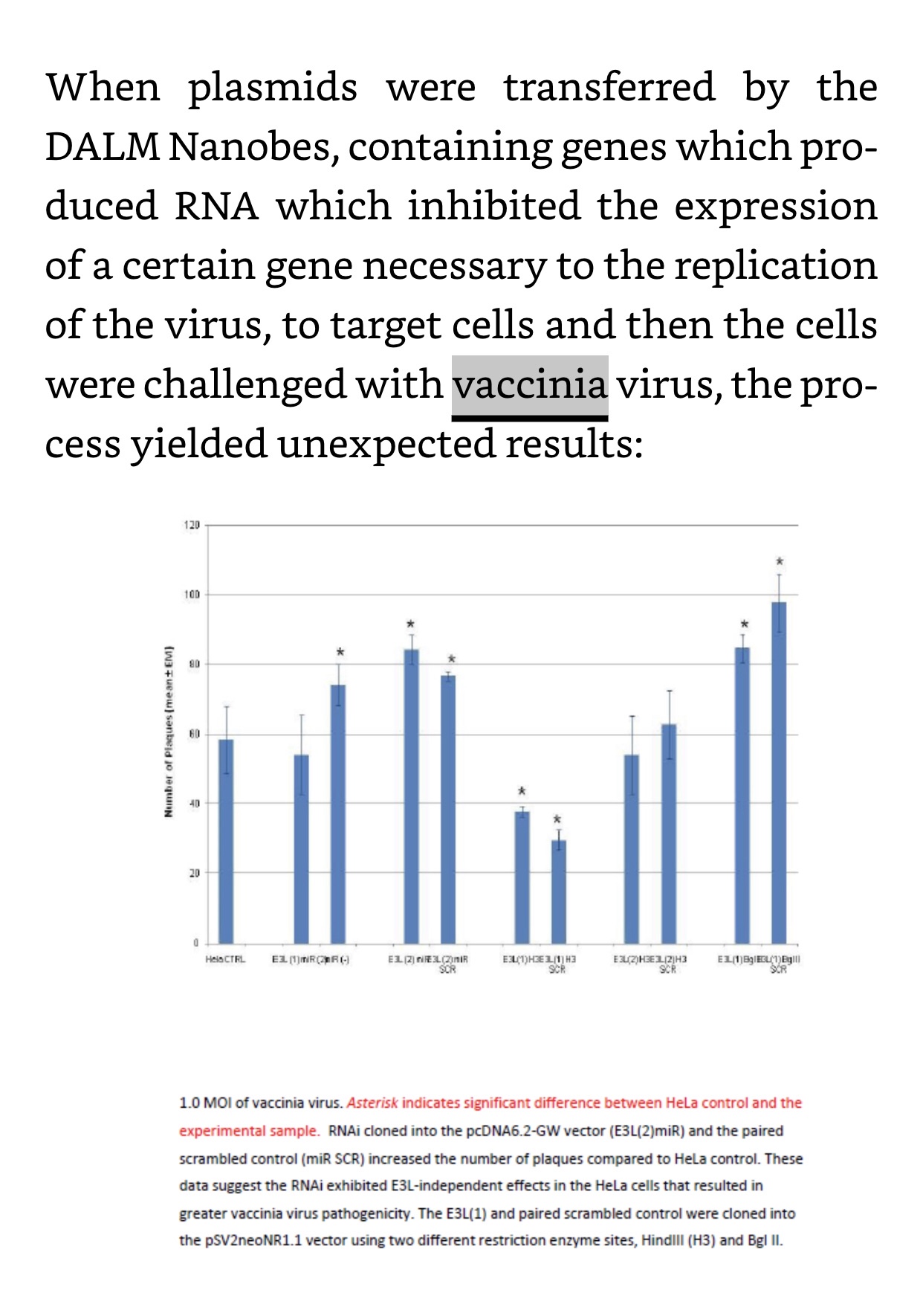
Recently, DARPA has sponsored an inhalable CRISPR nano construct which can attack viruses like influenza and SARS-CoV-2, at least in mice and hamsters. The researchers used mRNA coding for the protein Cas13a, which chops up parts of the viral genome required for replication. This treatment is delivered via polymer nanoparticles (https://www.nature.com/articles/s41587-021-00822-w). Before there was CRISPR plug and play by DARPA, there was the Nanobe inhalable plug and play by AFRL, “Chapter 54 Plug and Play..how a component-based design can be used in nanotechnology to produce a highly versatile new set of diagnostics to therapeutic tools and, for the first time, to make a material which is also practical for treatment.” The Black Dragon Trilogy, 2018.
Footnote: Perhaps why this was never developed and I have been excluded from developing it further: “By adding specific aptamer sequences to the surface of the Nanobes, they could be directed to bind to specific neurons with those surface markers to deliver “nano-level stimulation”. This application would meet the nefarious goal of behavior control of specific adversaries by external application of electromagnetic fields which would not affect anyone else exposed. However, this approach could also provide relief for those suffering from various neurological or mental disease and brain injuries, including counter acting addiction, the dual use dilemma.” “Chapter 50 Why is Nanowarfare at War and Not Peace? This chapter discusses the duplicity of bionanotechnology, the “political science” and economics behind the funding of this research and its dual use applications revealed in the open literature and by government policy.”“A high-ranking colleague in the Department of Defense at the Pentagon once called me the Most Dangerous Man Alive. But now, as of this writing, I am the most helpless as a scientist and technologist. The only resource I have left is knowledge. Now I have shared it with you. I only hope you have the wisdom to use it appropriately.”—-The Black Dragon Trilogy by JOHNATHAN KIEL
https://a.co/hhbwuTE
I thought the potential for nefarious use was the reason no one supported the development of Nanobe technology, but recent pursuits starting around 2013 have proven it just depends on who you are and where you come from, Spherical Nucleic Acid Nanoparticle Conjugates as an RNAi-Based Therapy for Glioblastoma, https://stm.sciencemag.org/content/scitransmed/5/209/209ra152.full.pdf ;https://www.scientificamerican.com/article/the-power-of-spheres/; https://www.feinberg.northwestern.edu/_rwd/head.php; and https://www.news-medical.net/news/20200702/Developing-Vaccines-and-Therapeutics-by-Exploiting-Structure-in-Spherical-Nucleic-Acids.aspx.
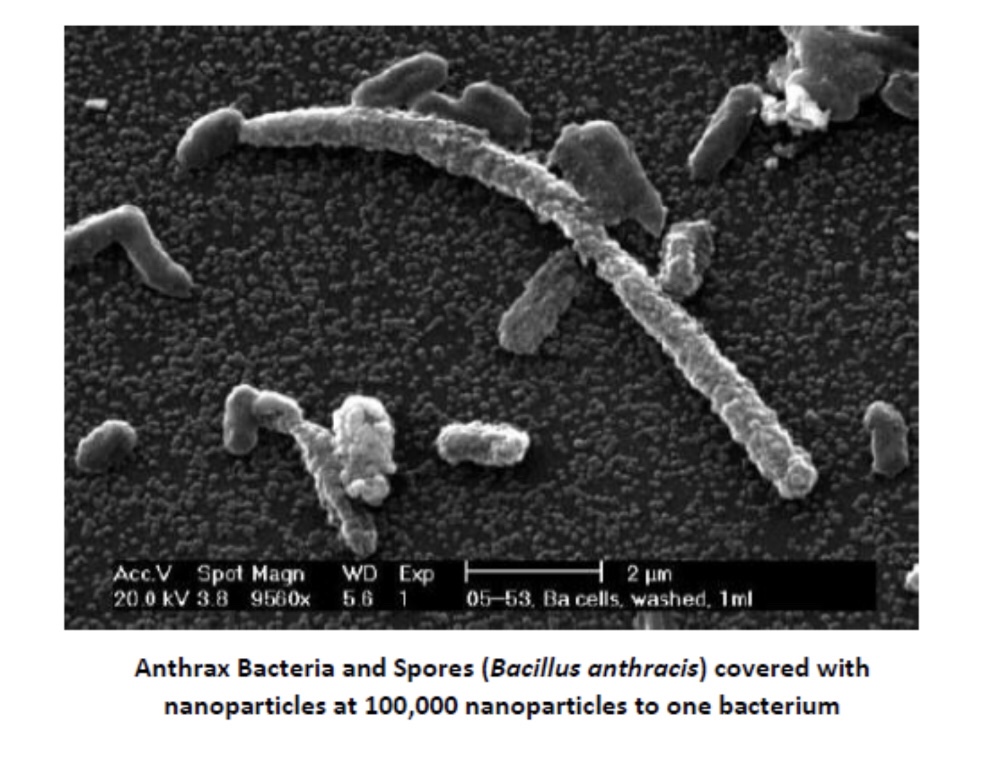
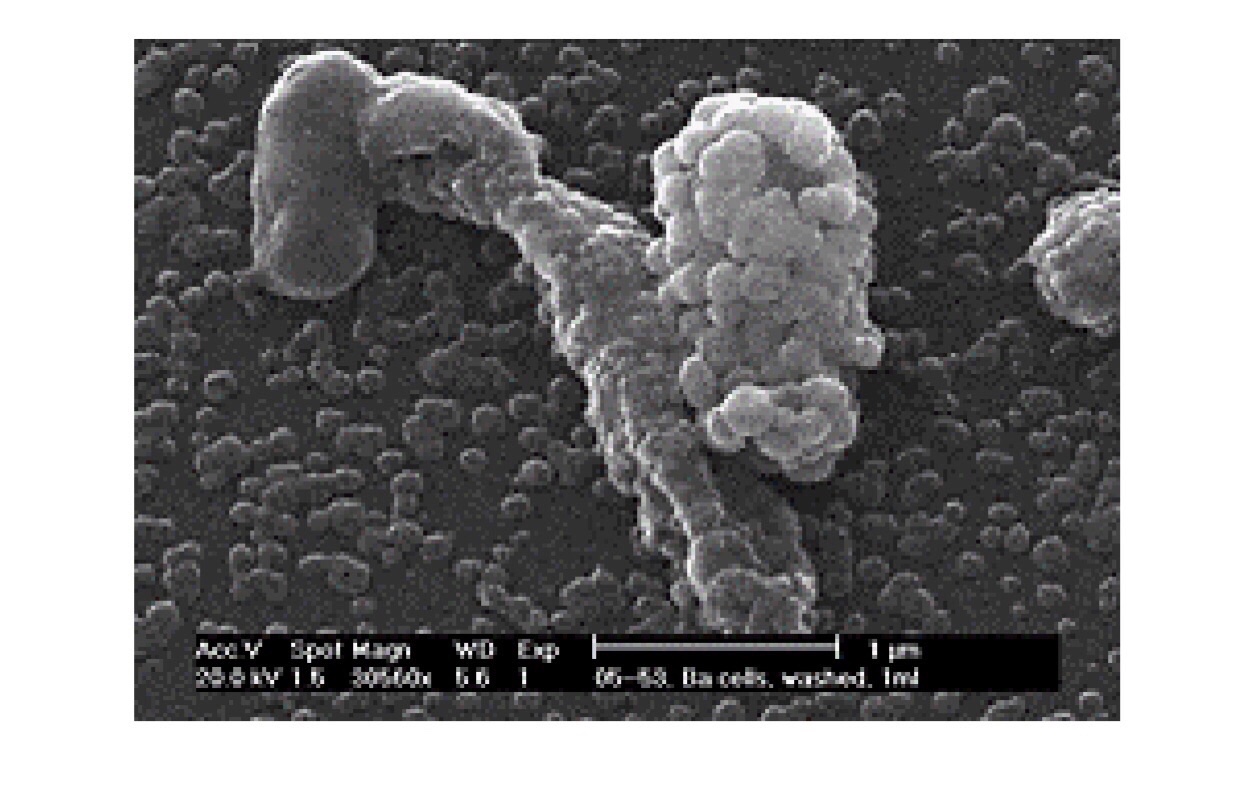
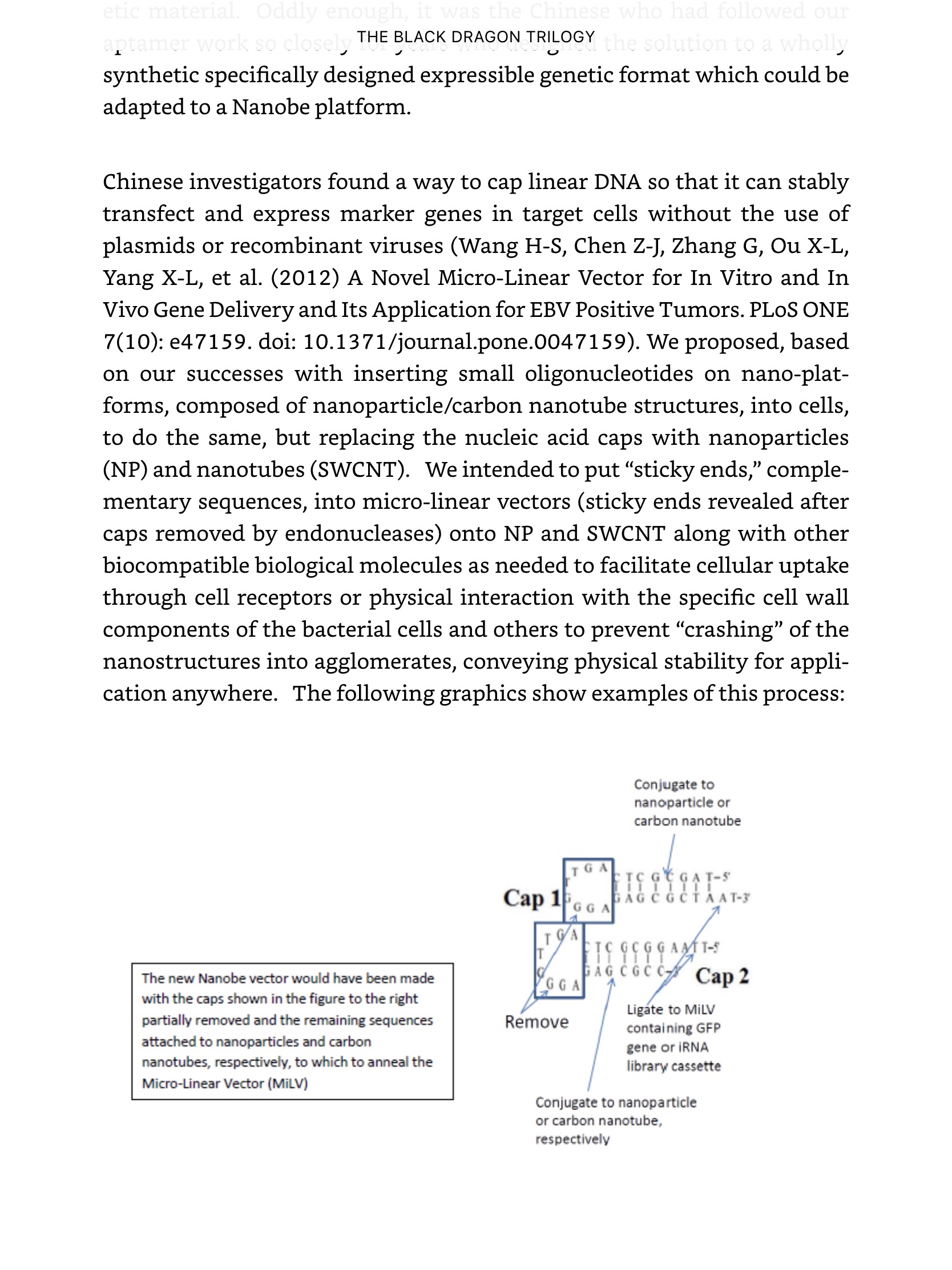
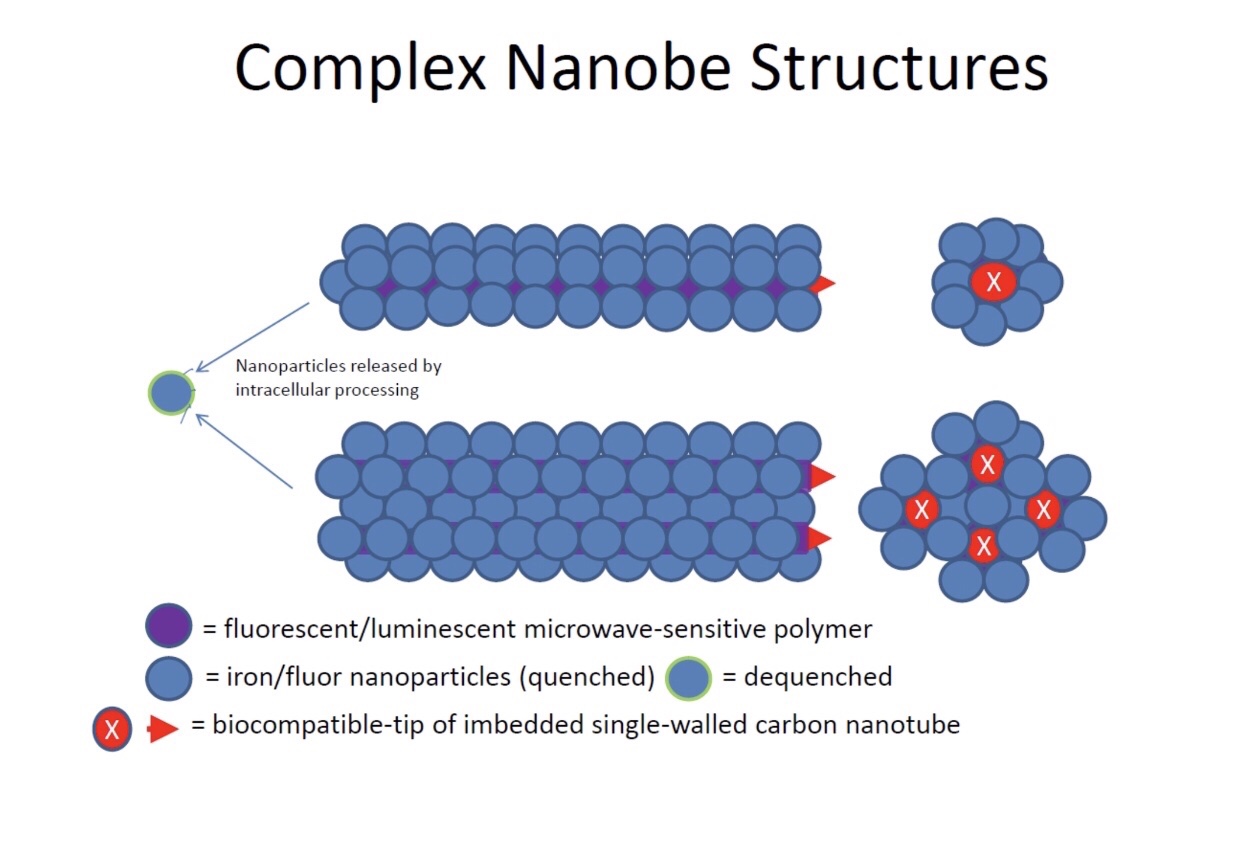
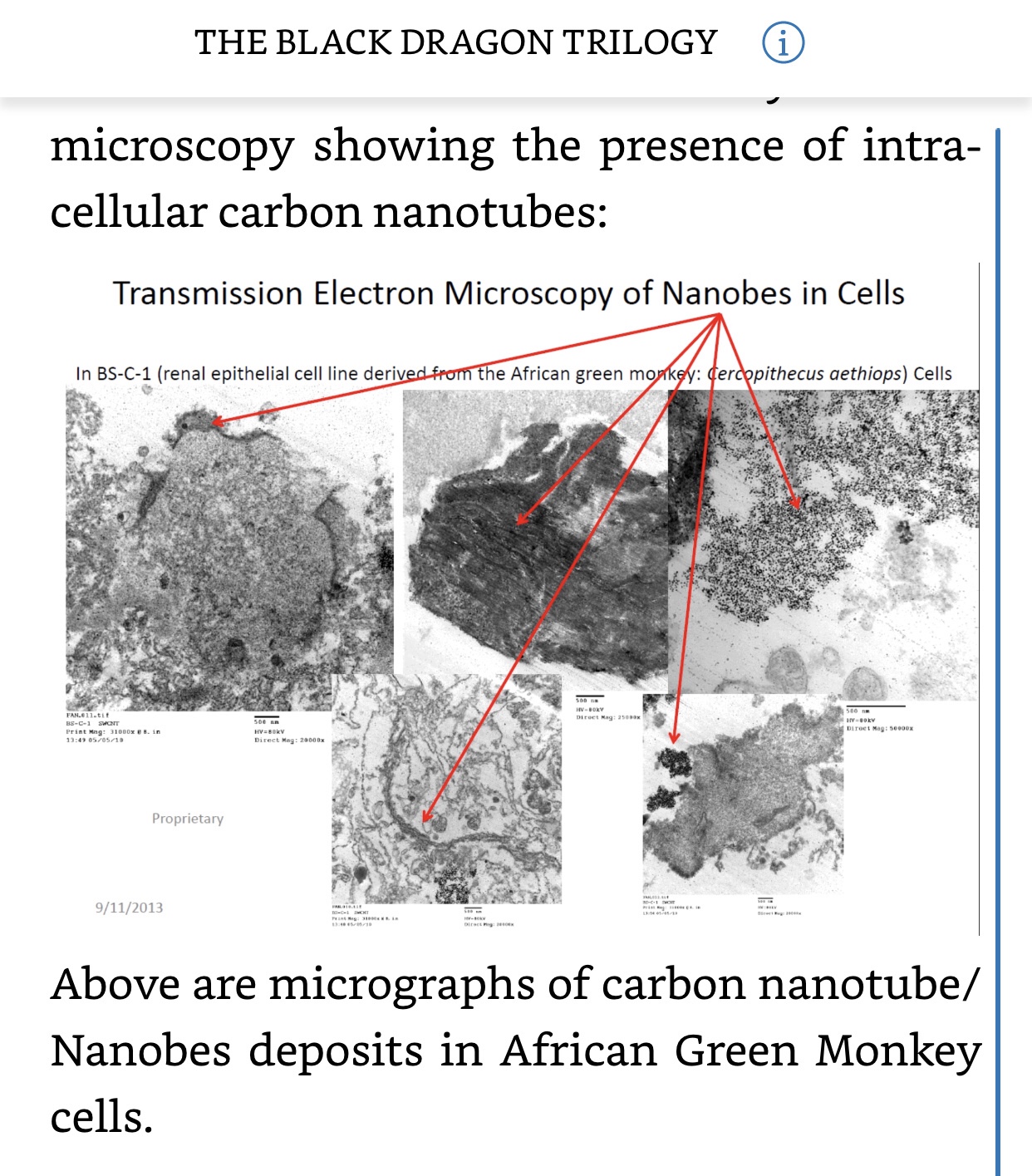
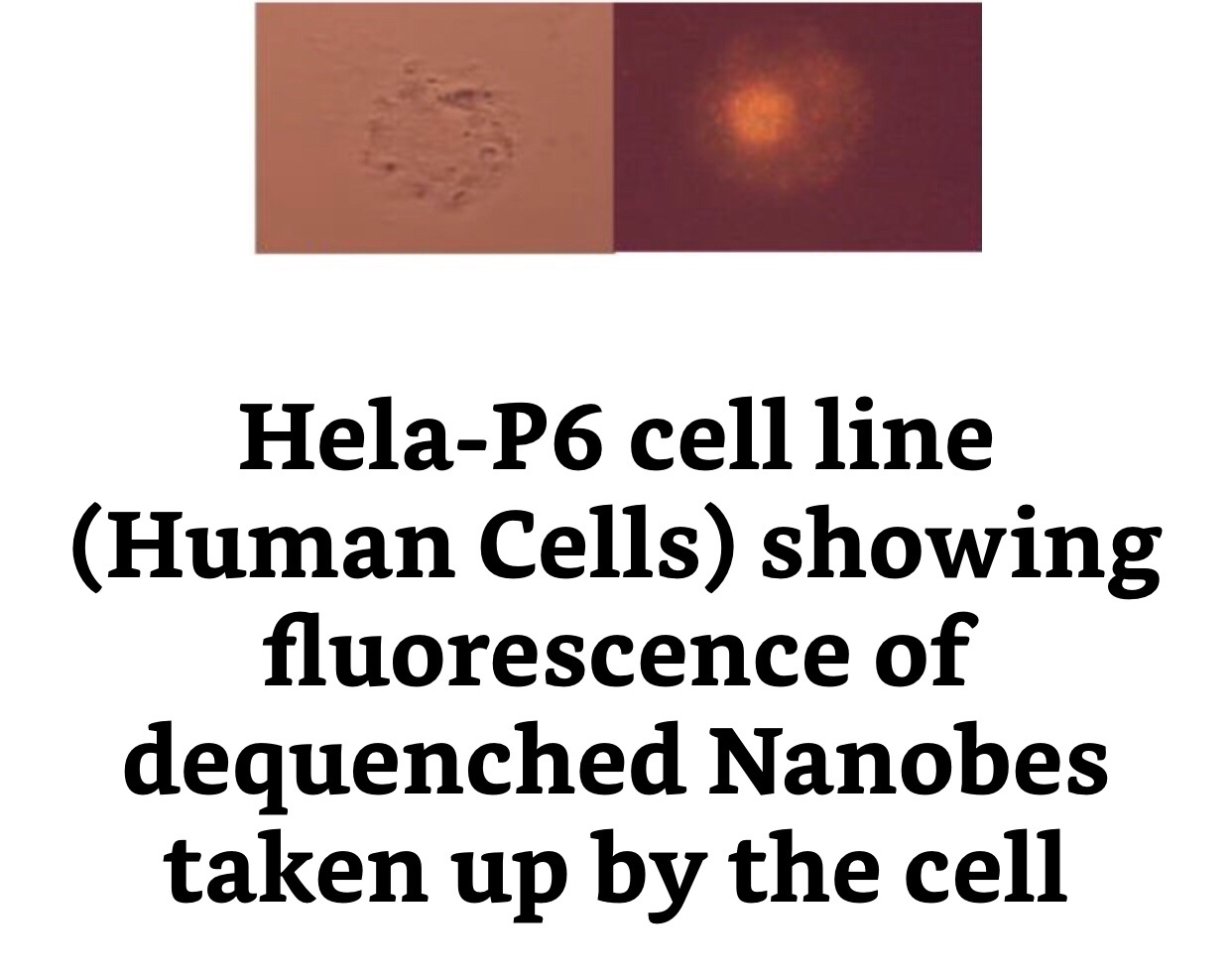
Above is a notional ensemble of spherical Nanobes associated with carbon nanotubes followed by pictures of cells penetrated with these actual structures and traced with fluorescence into the nucleus of a human cell in the last photograph.

 Global Biosurveillance