Further damage to global biosurveillance participation of US agencies and other essential Federal government services is likely to occur if Schedule F, created by an executive order last month, an administrative overhaul of the competitive Civil Service, is allowed to proceed. It makes senior agency positions, policymaking positions, scientific and evidence-gathering personnel and other key professional positions subject to new hiring and termination rules which eliminate Civil Service rules that protect these jobs from political influence, opening them up to performing contrary to facts, or professional or scientific principles. The order instructs agencies to submit a preliminary review of positions to the Office of Personnel Management and petition for reclassification on or before Jan. 19, 2021, one day before the presidential inauguration. https://1105direct.com/portal/wts/ucmcmQego0%7Cbb-yQbEmT%5Ec8vrO2-a.
However, this is not the first time political influence and unwarranted fear of professionals, based on politics, in the Federal Civil Service and Senior Executive Service, have led to damage to their effectiveness to defend this Nation. First, let us see what independence has yielded on behalf of National Defense and Security, within the laws and regulations of these United States, before we started to suspect those very people who lay down and risk their lives, without acknowledgement, for this country.
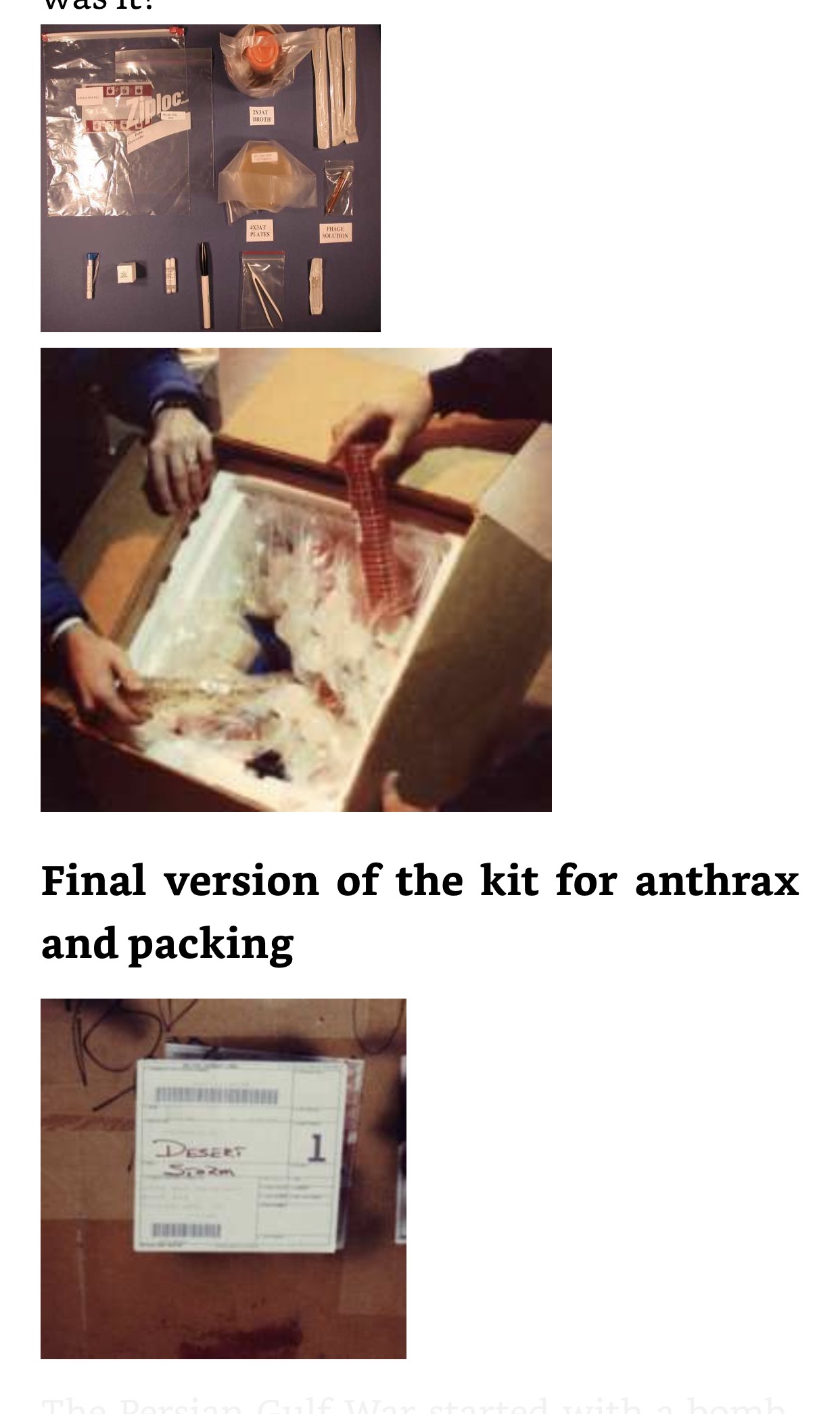
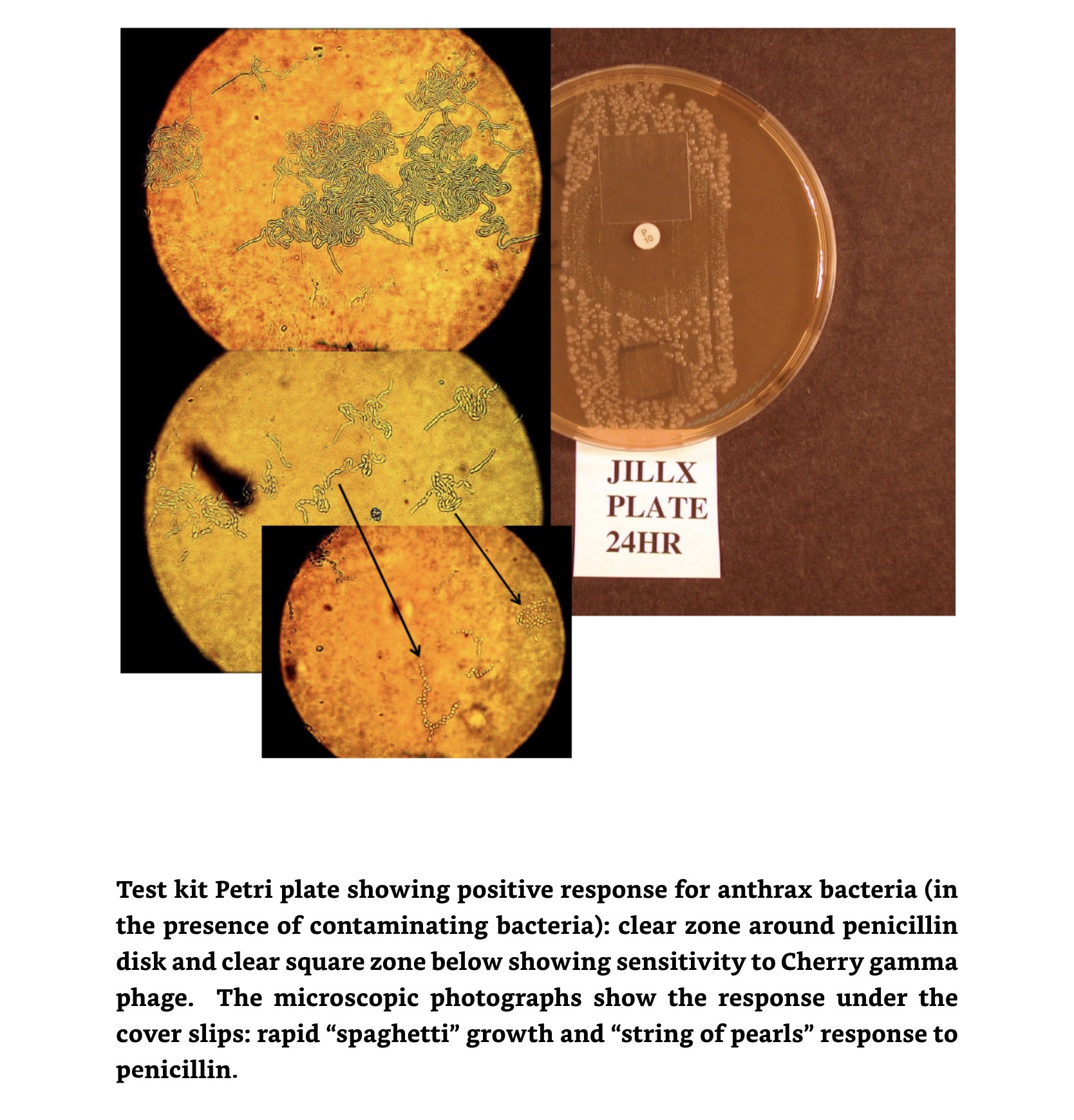
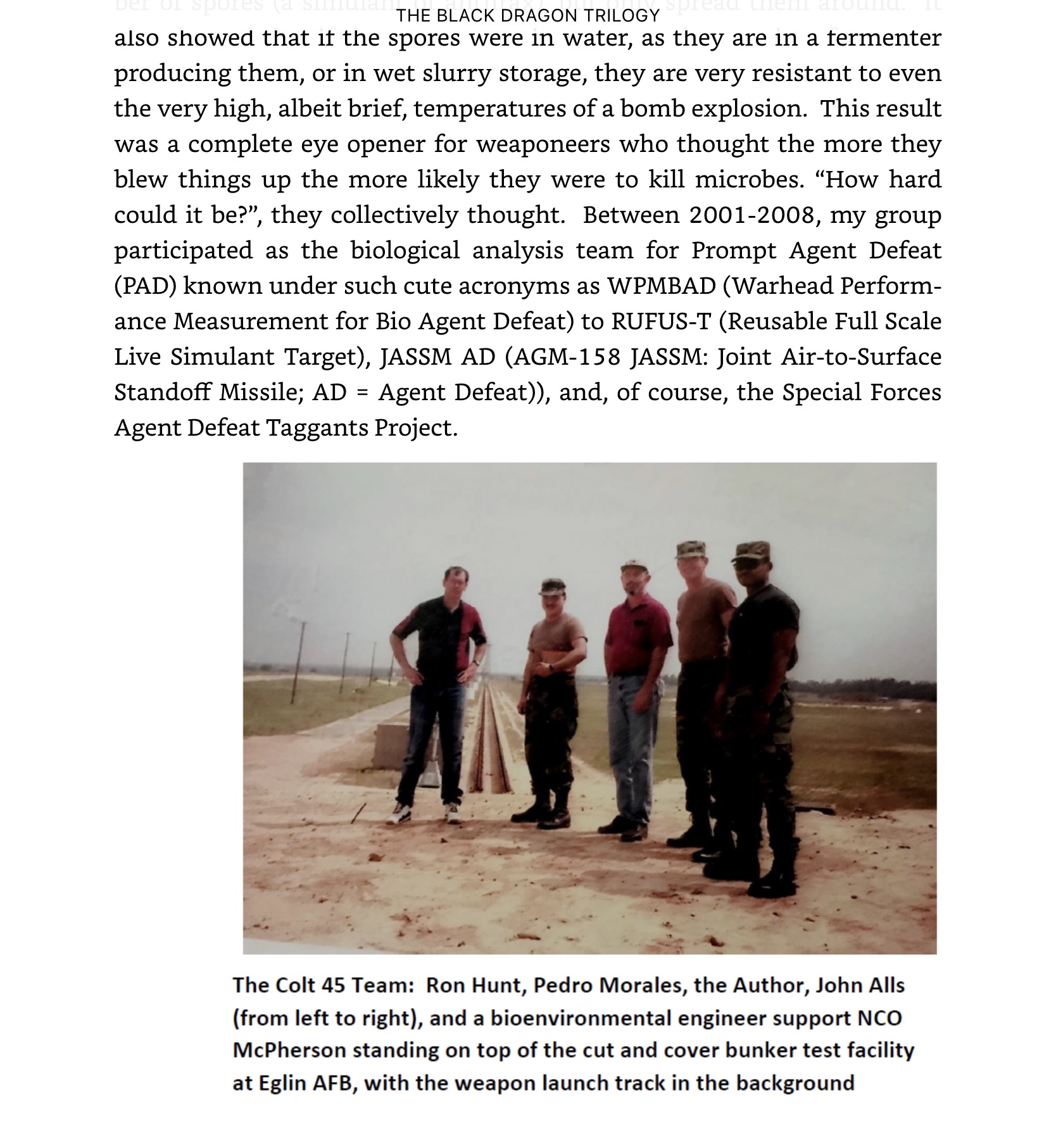
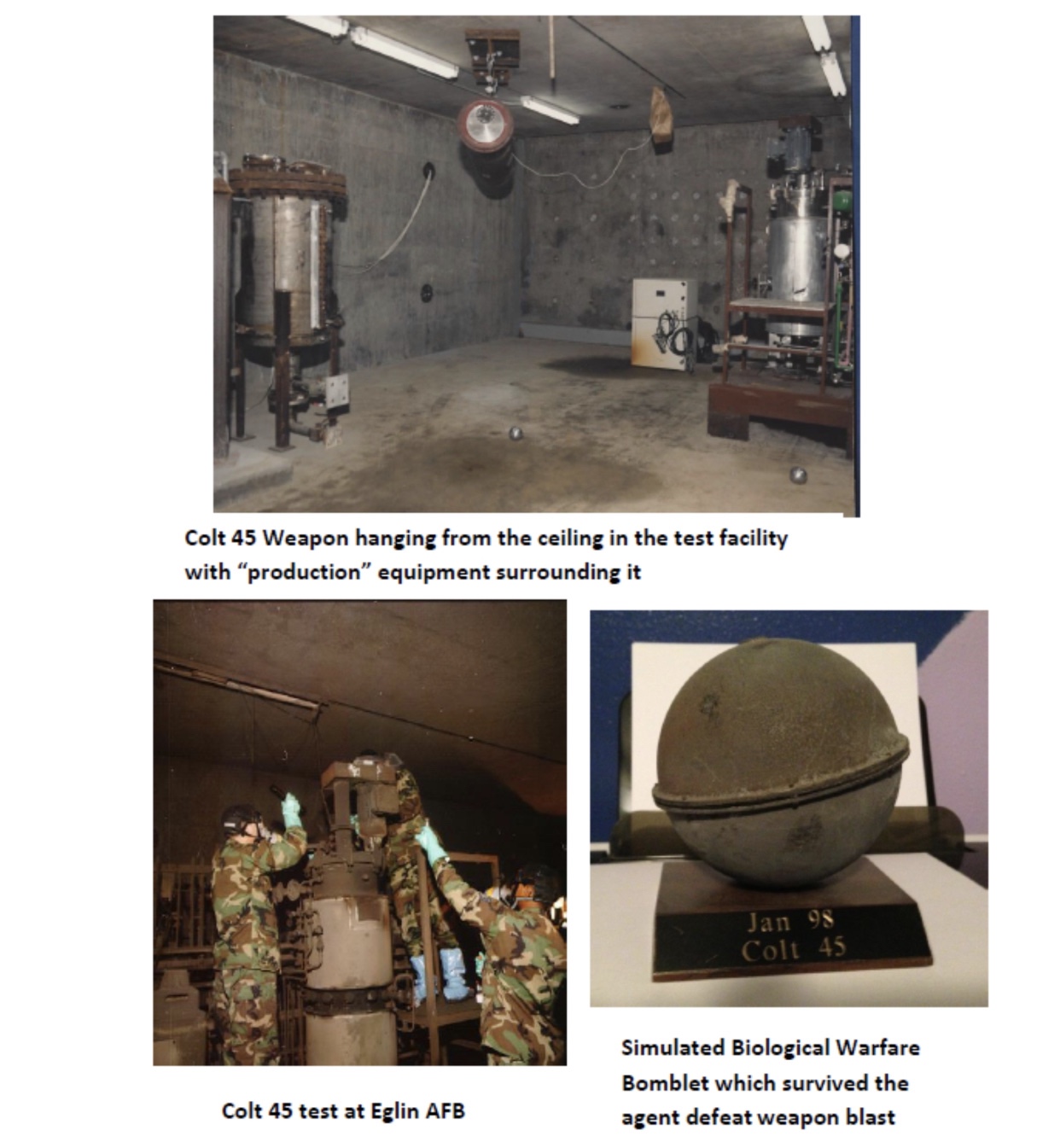
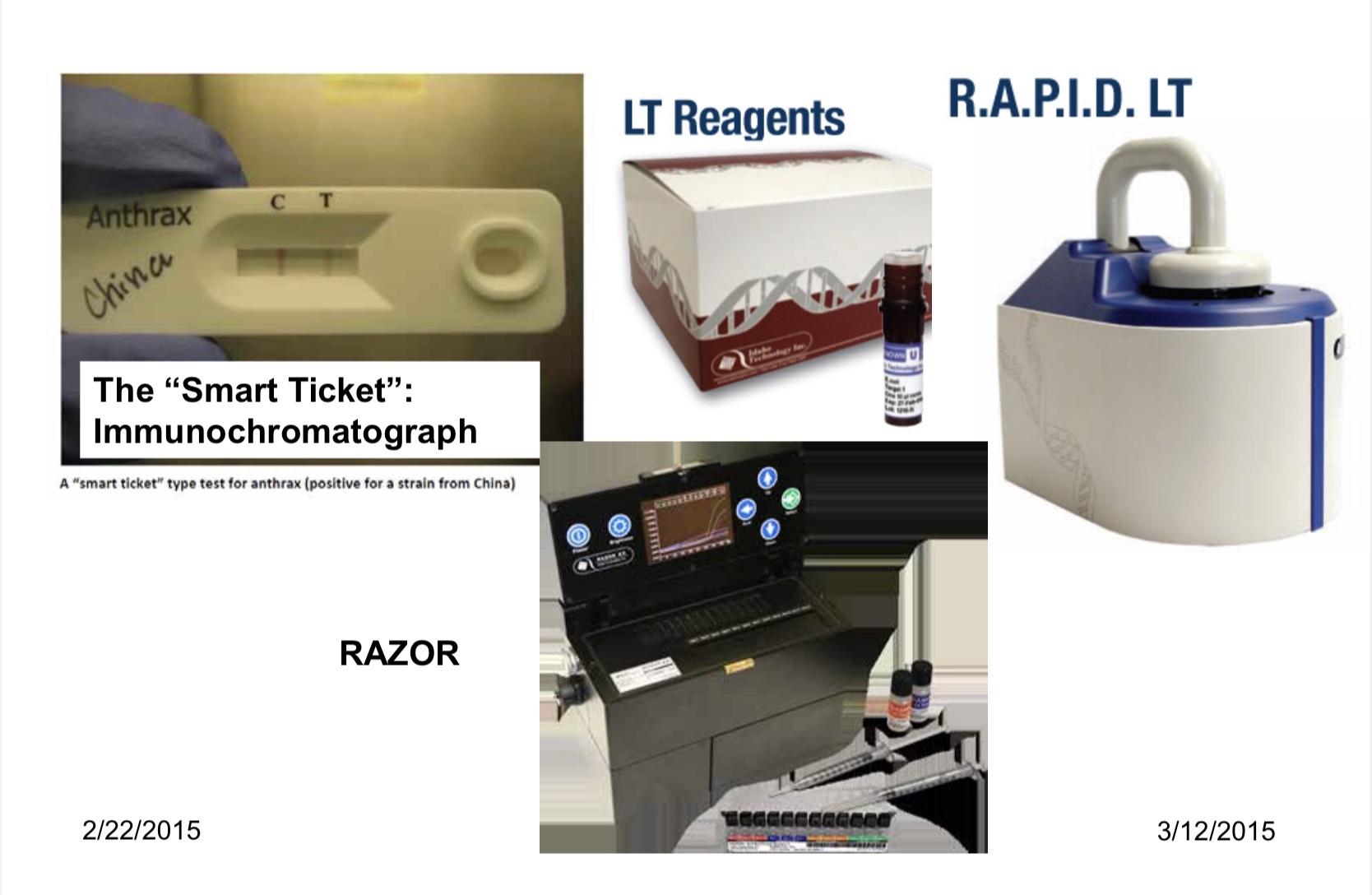

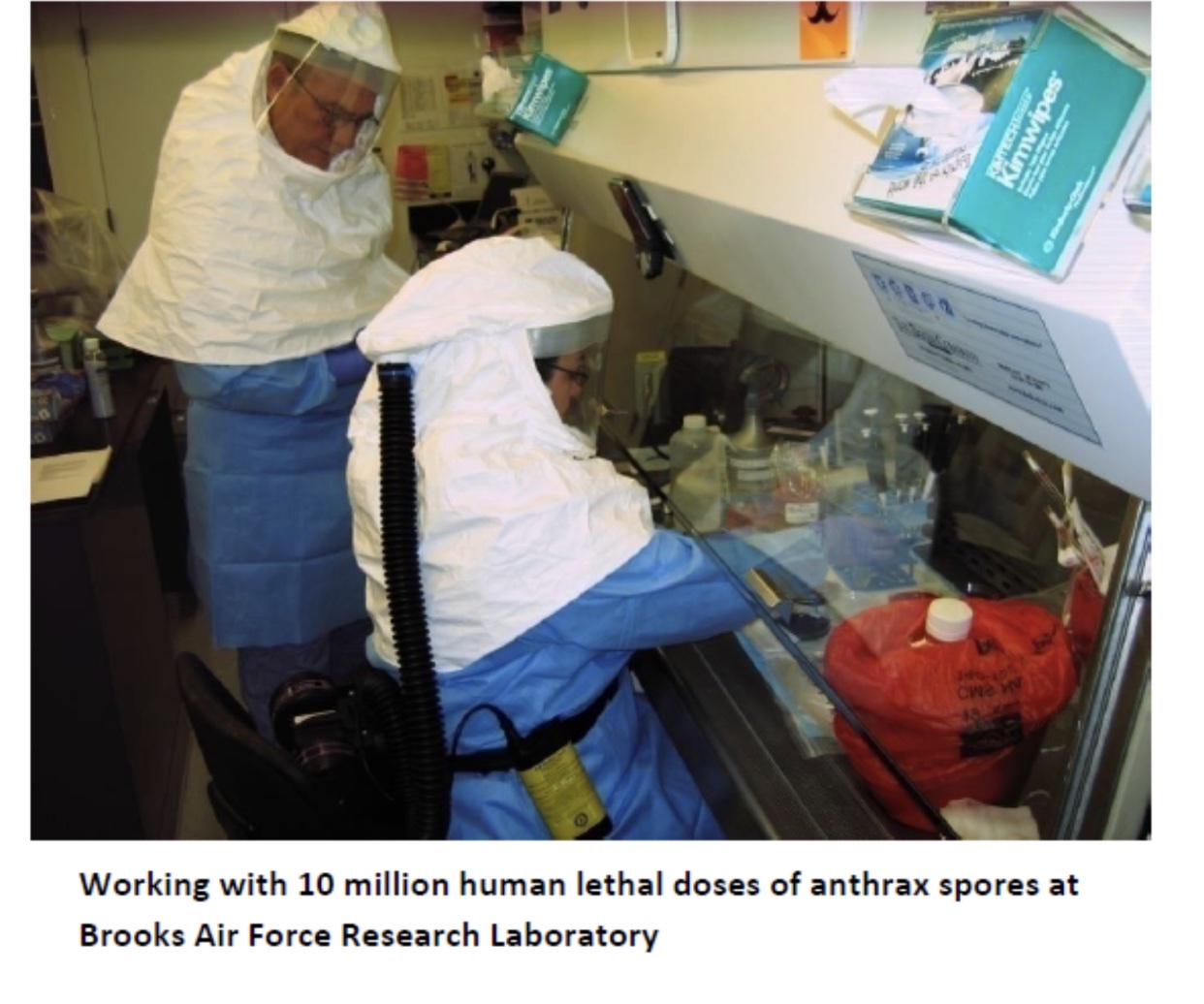
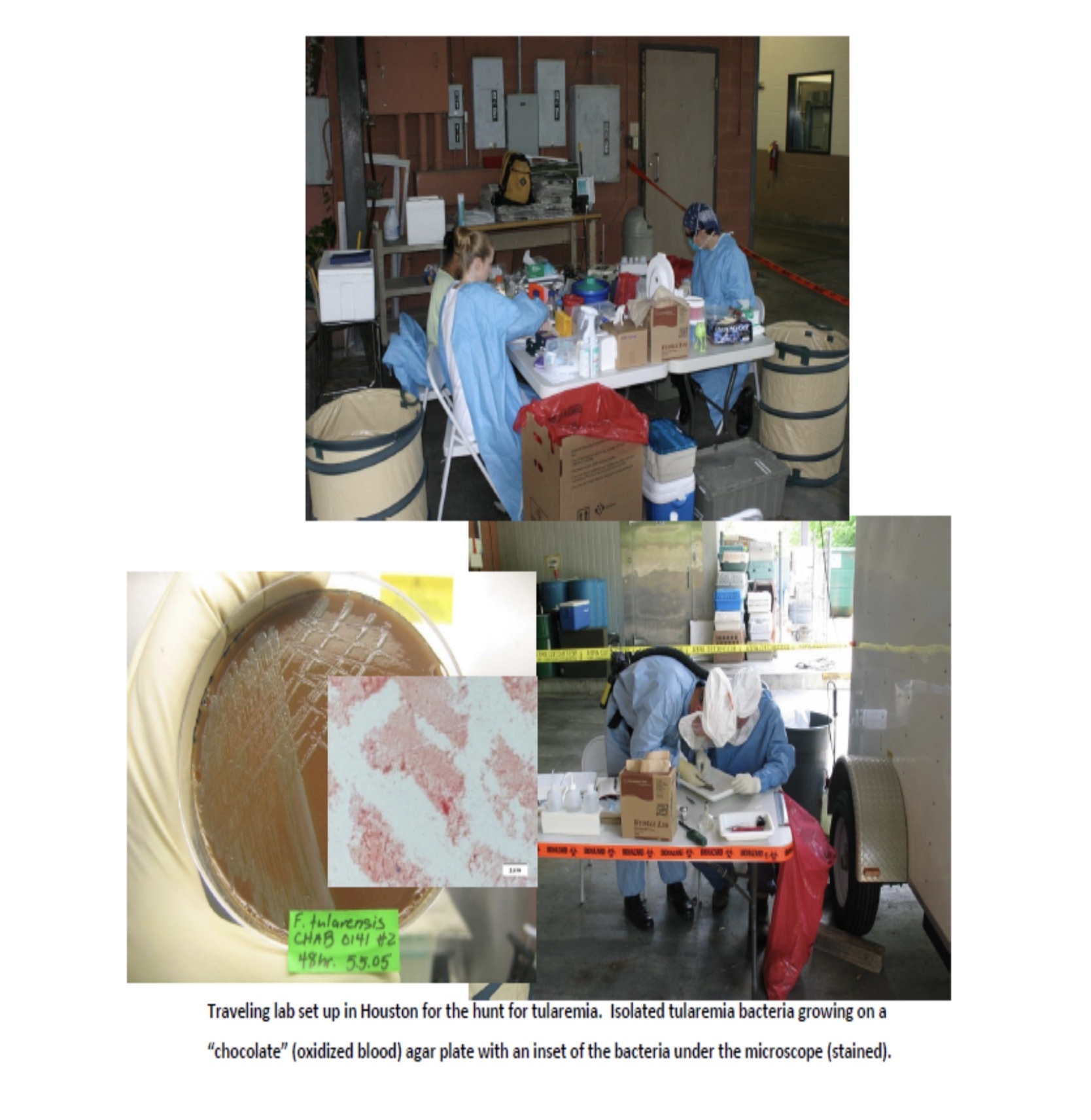
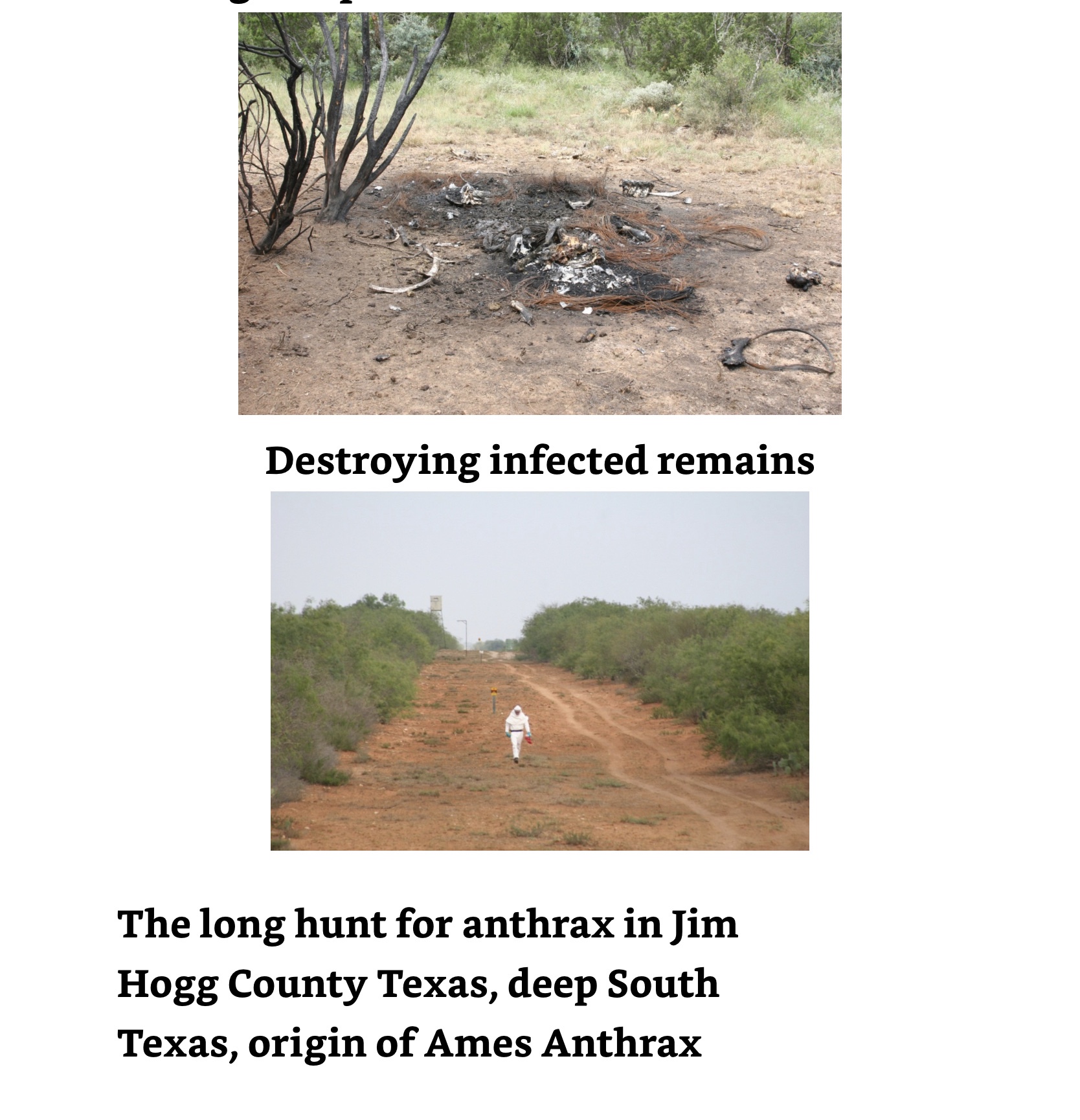
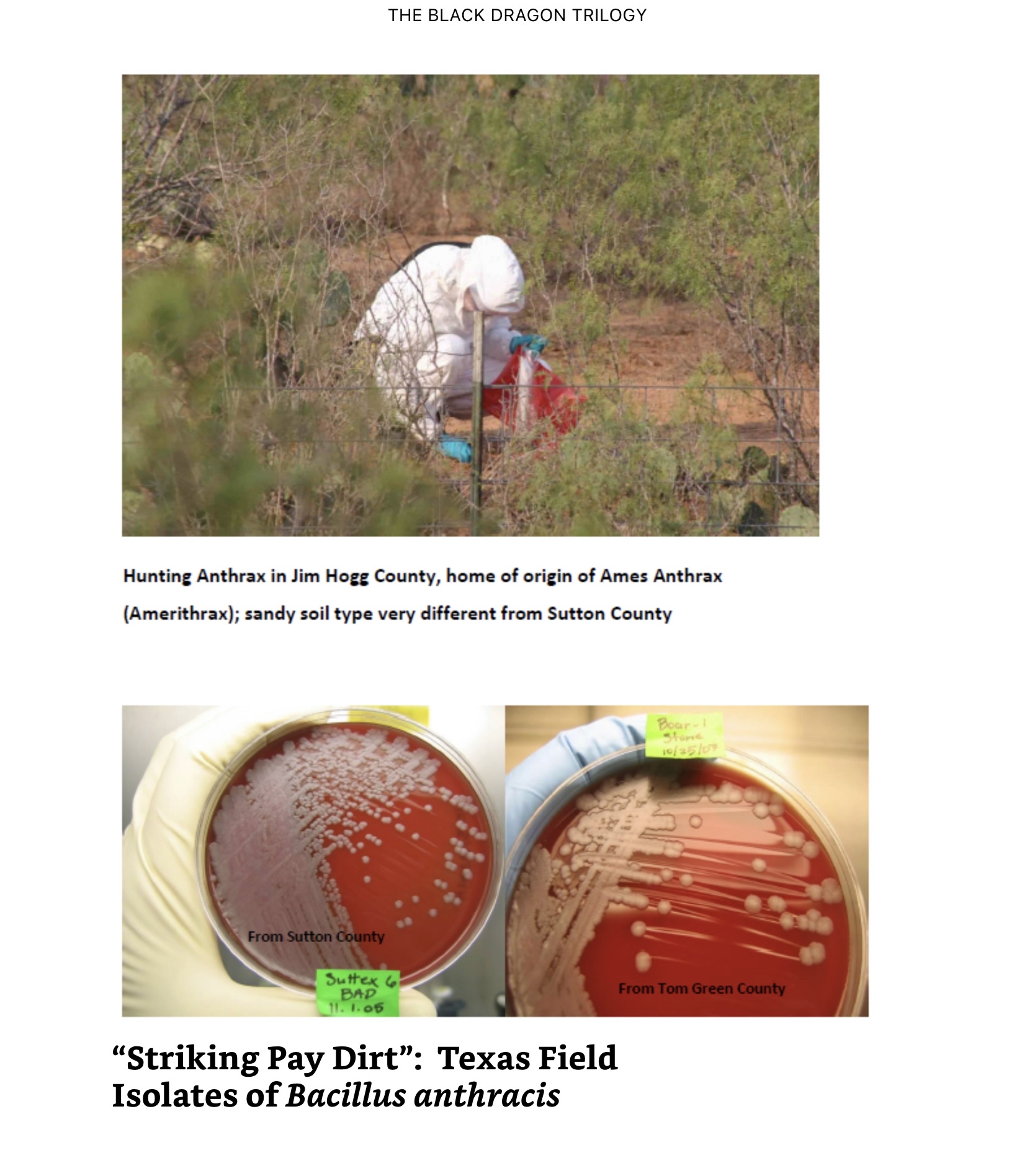
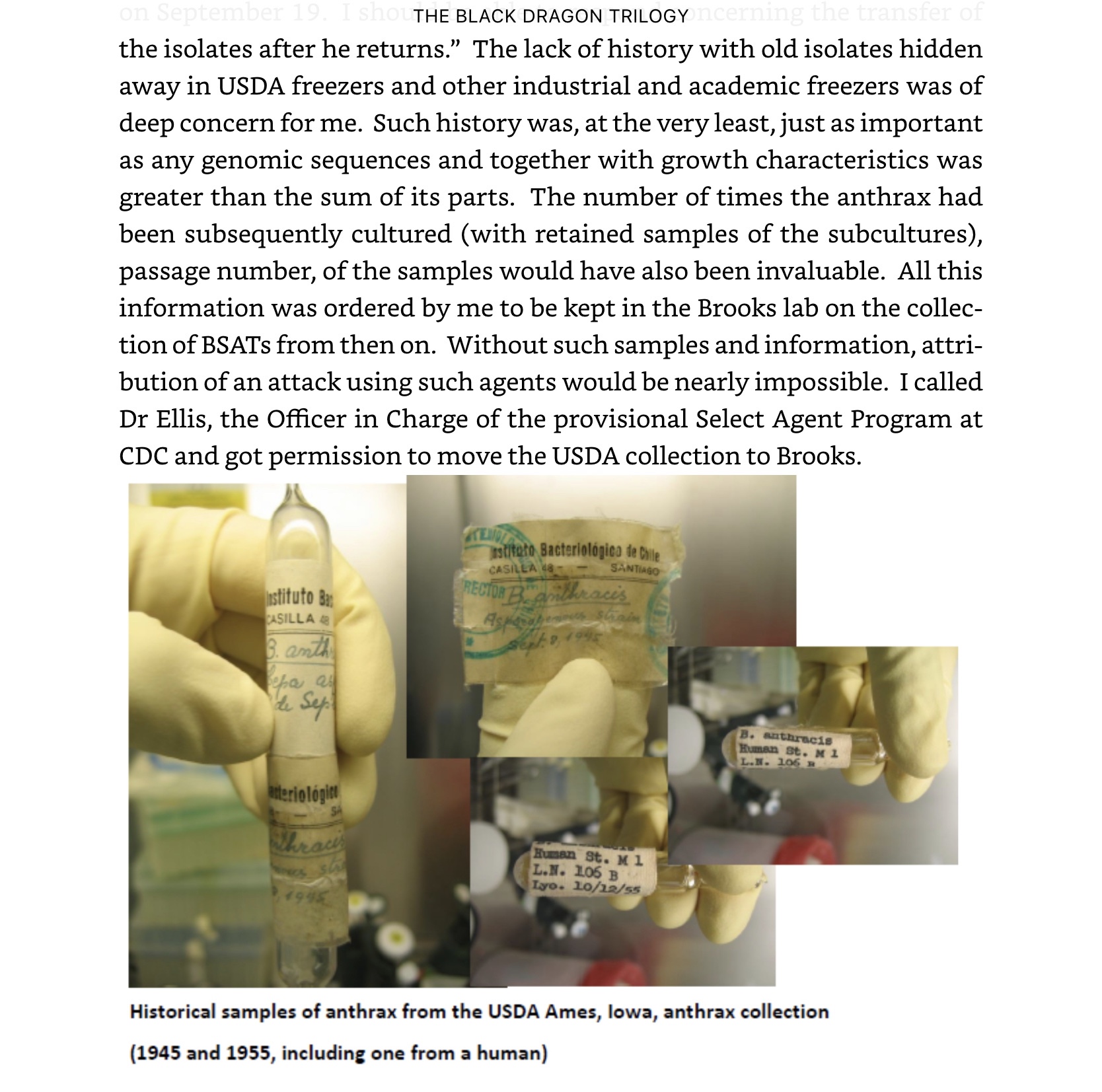
Interference in the operations of the Brooks Counterproliferation Team (by DHHS, Department of Human Health Services) began on 13 Dec 2002, when DHHS published 42 CFR Parts 73 rules in Federal Register to implement the USA PATRIOT ACT and the Public Health Security and Bioterrorism Preparedness and Response Act of 2002. The USDA published 7 CFR Part 331 and 9 CFR Part 121 in the same issue and required a USDA export/import permit to transfer, even within the USA, not only Select Agents, but all isolated infectious, disease-causing microbes. Even more rules started flowing from Washington on 4 Feb 2003; the Office of the Secretary of Defense issued an Interim Policy for Safeguarding Biological Select Agents and Toxins, and on 24 Feb 2003, our lab and all other Select Agent Labs were notified to file under new CDC rules by 12 Mar 2003, and that they must have prior approval to ship BSATs (Biological Select Agents and Toxins) after that date. I sent two of my team to Ames, Iowa, again, on 8 Jul 2003, to transfer a second USDA anthrax collection (Dr Schuman’s collection from 1969: 32 isolates) found hidden in a freezer when the Ames lab was inventorying their collection for the new Select Agent rules. They wanted them out or they would destroy them. I had to get emergency permission from Dr Ellis at CDC to save the collection. In 1986, Dr Knudson, of USAMRIID, had published a vaccine study using the “Ames strain,” which was unusually hardy, deadly and fast-growing. Researchers shared the strain with as many as 20 labs in the United States, Canada and Britain. His mistake arose from Dr Whitford’s (the State Bacteriologist of Texas State Veterinary Diagnostic Laboratory) sending Dr Knudson a box containing the anthrax with a pre-paid mailing label provided by the National Veterinary Diagnostic Lab at Ames, Iowa, containing their return address rather than Dr Whitford’s. The technician that received the box simply removed the sample and labeled it the “Ames strain” based on that label. Dr Bruce Ivins, who has been attributed as the source of the “Ames strain” used in the Amerithrax attacks, revealed in his papers on his vaccine work that he was completely unaware of the real source of the strain and considered it to be from the USDA Ames Lab. In his 1995 paper in the Journal Vaccine, he stated, “The virulent Ames strain of B. anthracis, obtained from the US Department of Agriculture, Ames, IA, was cultured….” The first transfer of a historical anthrax collection from USDA, Ames, Iowa, had occurred on October 2002. Bringing back anthrax samples from Ames took 16 hours of driving and one overnight in a motel. I never let the box or the car containing the box out of our sight. I even slept with it on my night stand by my bed in the motel. When we got the box back to the lab at Brooks, we carefully unpacked it under biosafety lab conditions and swabbed and cultured the surface of each layer of the box from the outside in to check for anthrax contamination. We found it on the second layer and called the isolate the “hitch hiker” isolate. Fortunately, it was missing one of the two plasmids (small pieces of circular DNA in addition to the main chromosome) that make anthrax dangerous.
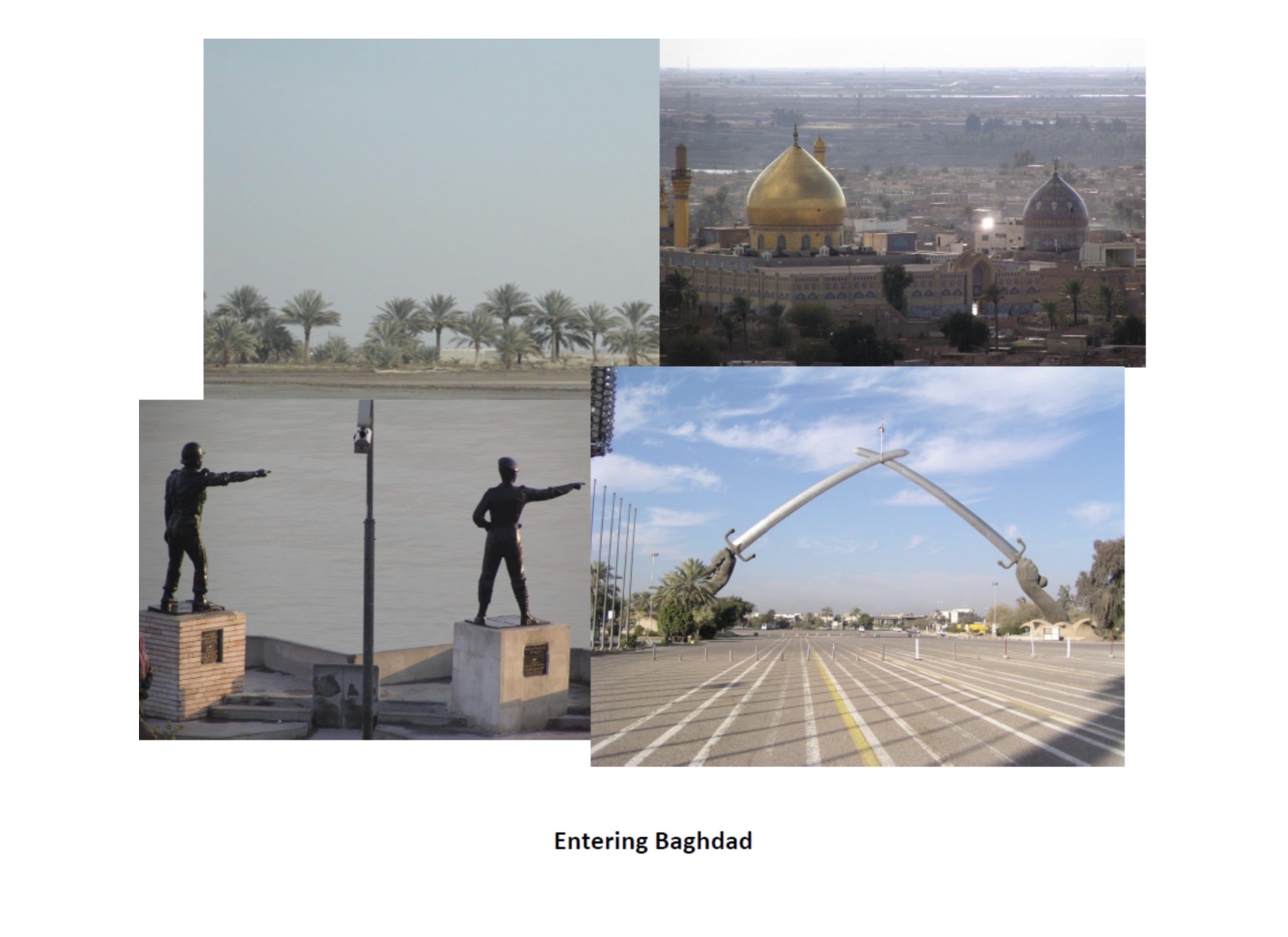
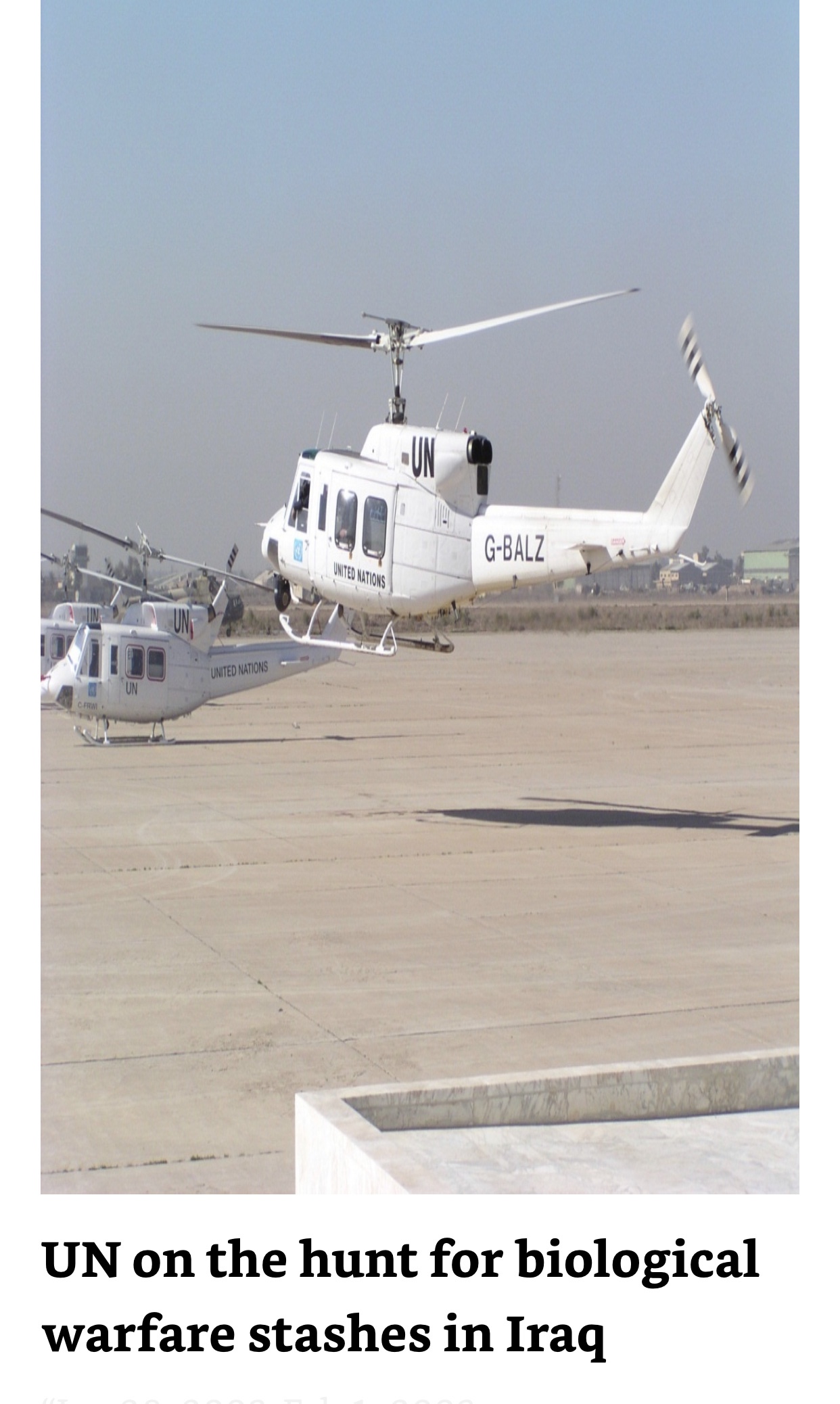
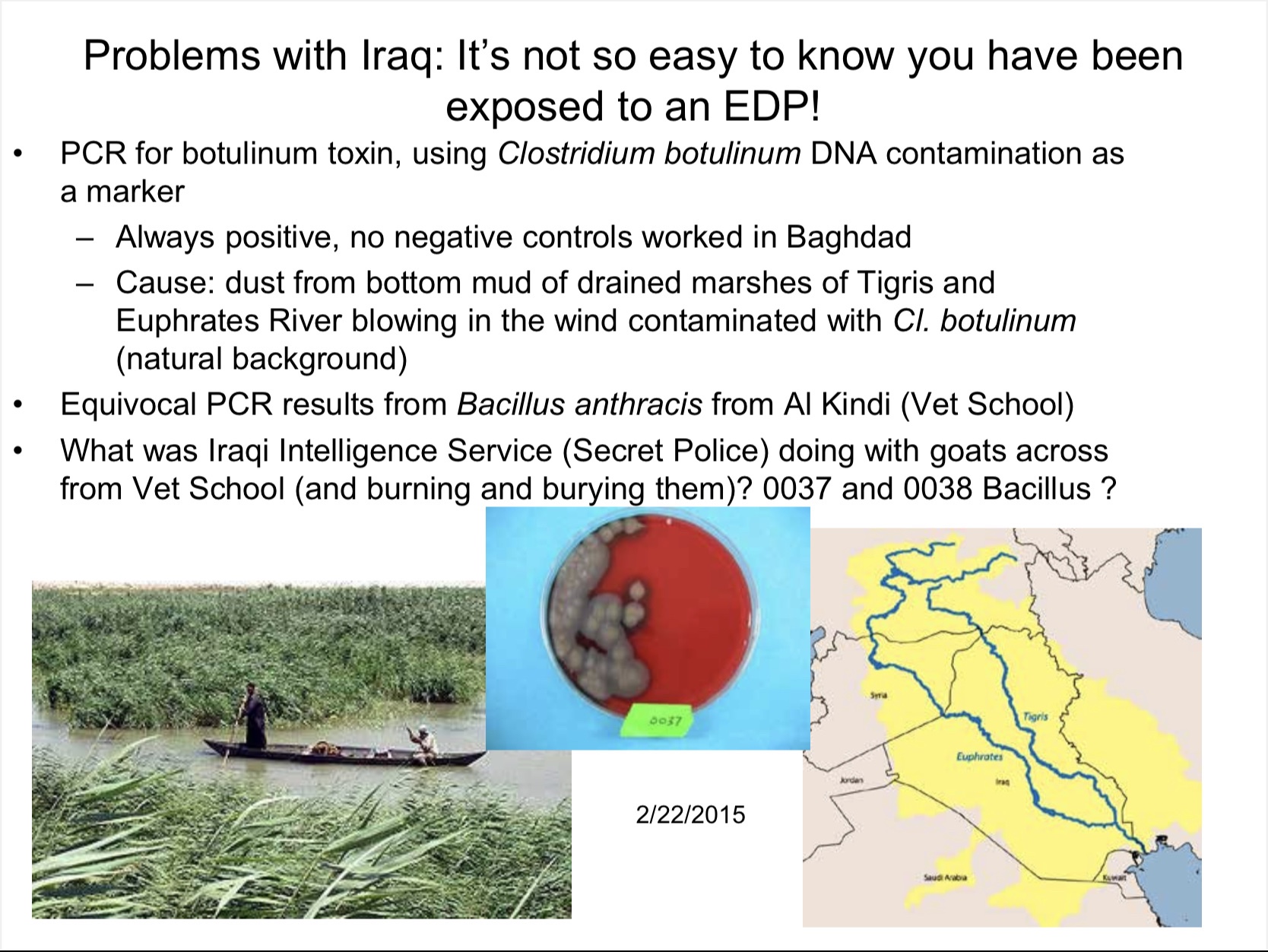
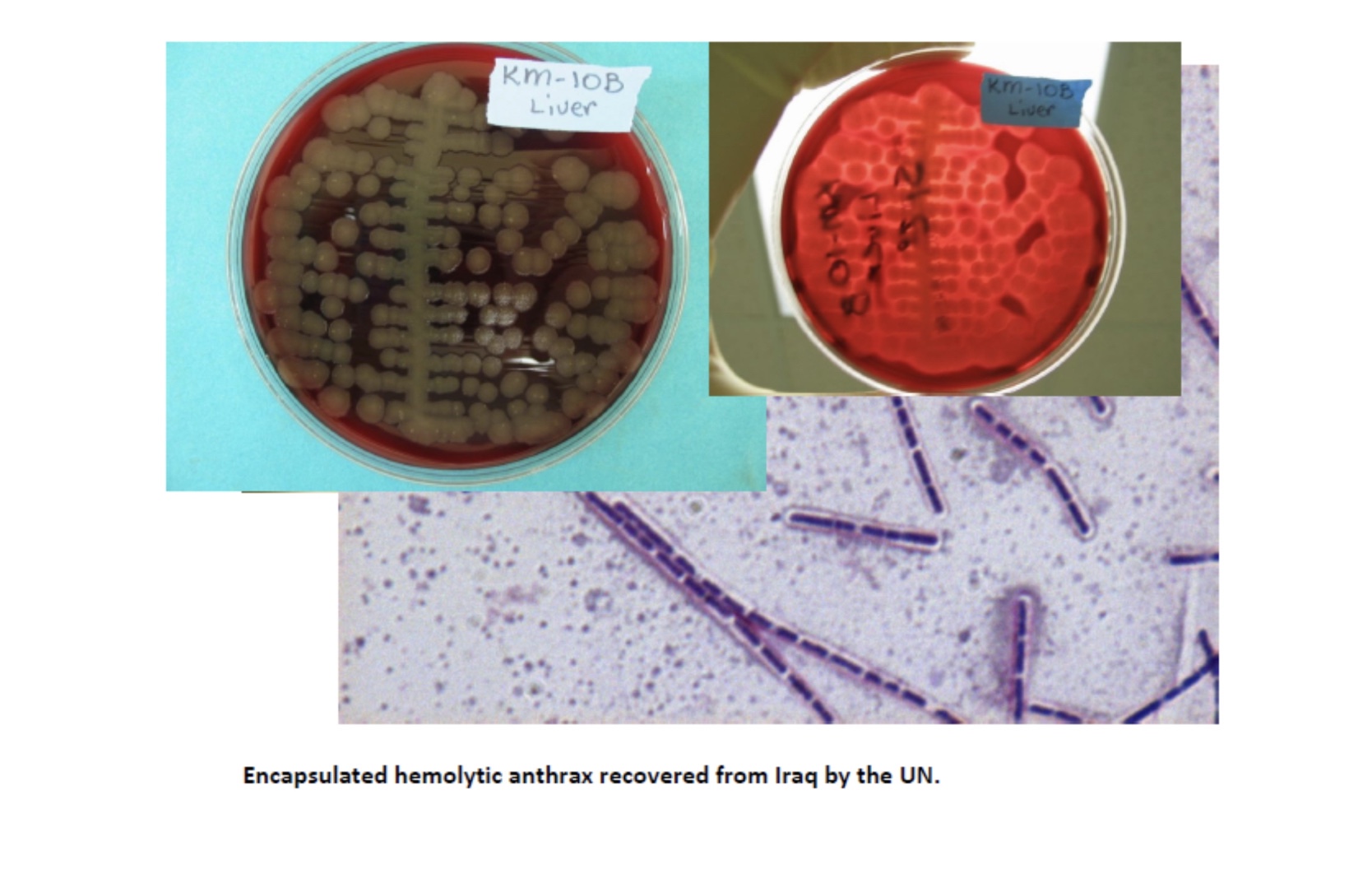
In March 2003, Dr Holwitt brought back K strain anthrax from the Bacterial Research Laboratory, Zoonoses Unit, of the Baghdad Veterinary College, which was originally a gift from Al-Kindi Co. for Production of Veterinary Vaccines & Drugs to the Vet College and collected by him as part of his duties with the United Nations Monitoring, Verification and Inspection Commission (UNMOVIC). He had to depart in a hurry. He was the last American on the ground in Baghdad before the Second Gulf War began and when he left the bombs were about to fall. The Brooks CP Team’s mission was nearly ended because of the FBI’s response to Dr Holwitt’s bringing back the last anthrax from an Iraqi lab, by raiding our lab, unannounced of course, on 5 Sept 2003. They provided a handwritten receipt for the anthrax samples they took (duplicates). It was signed by Dr Douglas J. Beecher of the FBI Laboratory, Hazardous Materials Response Unit, 2501 Investigation Parkway, Quantico, Virginia. I was interrogated by FBI agents for three hours in my office. They especially wanted to talk to Dr Holwitt who was not present because he was on leave at the time. On 6 August 2008, the US Attorney declared Bruce Ivins to be the sole perpetrator in the Amerithrax case, and later, on 19 February 2010, the FBI formally closed the case. In the meantime on 15 August 2008, Lieutenant General Darnell, USAF, DCS, Operations, Plans and Requirements, officially closed my CP Team’s BSL-3 at Brooks and declared that the transportation or shipment of USAF Biological Select Agents and Toxins (BSATS) and working with BSATS was to immediately cease until the personnel so engaged were properly enrolled in and monitored by a Biological Personnel Reliability Program (BPRP). Of course, this amounted to a total lock out, in violation of the CDC regulations and Federal Statute requiring the Responsible Official (RO) to have complete access and control over the BSATS. The RO was I. There had never been a BPRP program and one was not yet implemented. To avoid complete default on the Air Force Program and potential abandonment of the BSATS, the Detachment 5 Commander quickly appointed an Alternate RO (ARO) from the ranks of the military to take over. Finally, on 30 March 2009, Lt Gen Darnell sent out a letter resuming the BSAT operations at Brooks. The facility had been down for 8 months and the effect was nearly fatal. New rules were implemented including the two-man rule of entry and working with BSATS in the lab (which I had had in force since 2000), that at least one person had to be BPRP certified, and both had to be on the CDC Select Agent registration as approved for access to Select Agents. This delay and the closing of the lab under the Base Realignment and Closure Act, ostensibly to save money and increase Federal efficiency, destroyed the USAF AFRL mission of global biosurveillance and development of science and technology for that purpose to serve the greater mission of Counterproliferation. It was ended.
“Thanks to you all. Goodbye.” Remember us; for one moment in history, we were the Titans.”— The Black Dragon Trilogy by JOHNATHAN KIEL
https://a.co/bdT2NXF

 Global Biosurveillance