
Viruses are such good vectors of engineered genetic material because they are near perfect deliverers of nucleic acids from durable, protective packages into host cells. The nucleic acids delivered take over the replicative machinery of the host cells to reproduce themselves and express proteins which automatically re-package the new nucleic acids. The new virions have the means, by virtue of their coat proteins, to extrude from the cell by fusing with the outer cell membrane, enveloping with cell membrane lipids, by passing through pores formed by transmembrane proteins, or by bursting the cell to be released. How could these wonderfully elegant devices be duplicated without protein to assemble nucleic acids to direct the host cells to build more vectors? Polymers or lipid containers or combinations thereof could duplicate the delivery of nucleic acids across cell membranes to provide expressible genetic elements, but the vectors could not be biosynthetically reproduced, like viruses, to carry on the process to new host cells. This was an advantage to prevent inadvertent uncontrollable transfer, but limited the number of cells producing the new trait or protein. How could both be achieved without loss of control? Could a polymer be made from existing biological feedstock synthetically as well as biosynthetically? Could sufficient but minimal genetic information be transferred to drive host cells to make more vector as well as transfer the designed expressible genes included? Diazoluminomelanin (DALM) is key to the answers. The whole story of this wonderful, amazing material is told in 4 books I wrote and published between 1994 and 2018, inclusive, and previous posts. The three main reasons for the discovery of DALM was (1) to replace the enzyme peroxidase in the hydrogen peroxide and luminol interaction in the chemiluminescent reaction with a single component, (2) find a chemical indicator of radio frequency radiation and microwave absorption, thermochemiluminescence, (3) find a potential application(s) that would justify funding the basic research. The latter made for a moving target of potential applications. The polymer was first synthesized by the following simple reaction:

Solving the structure of the resulting polymer and explaining it’s extraordinary properties would be far more difficult and take much longer.
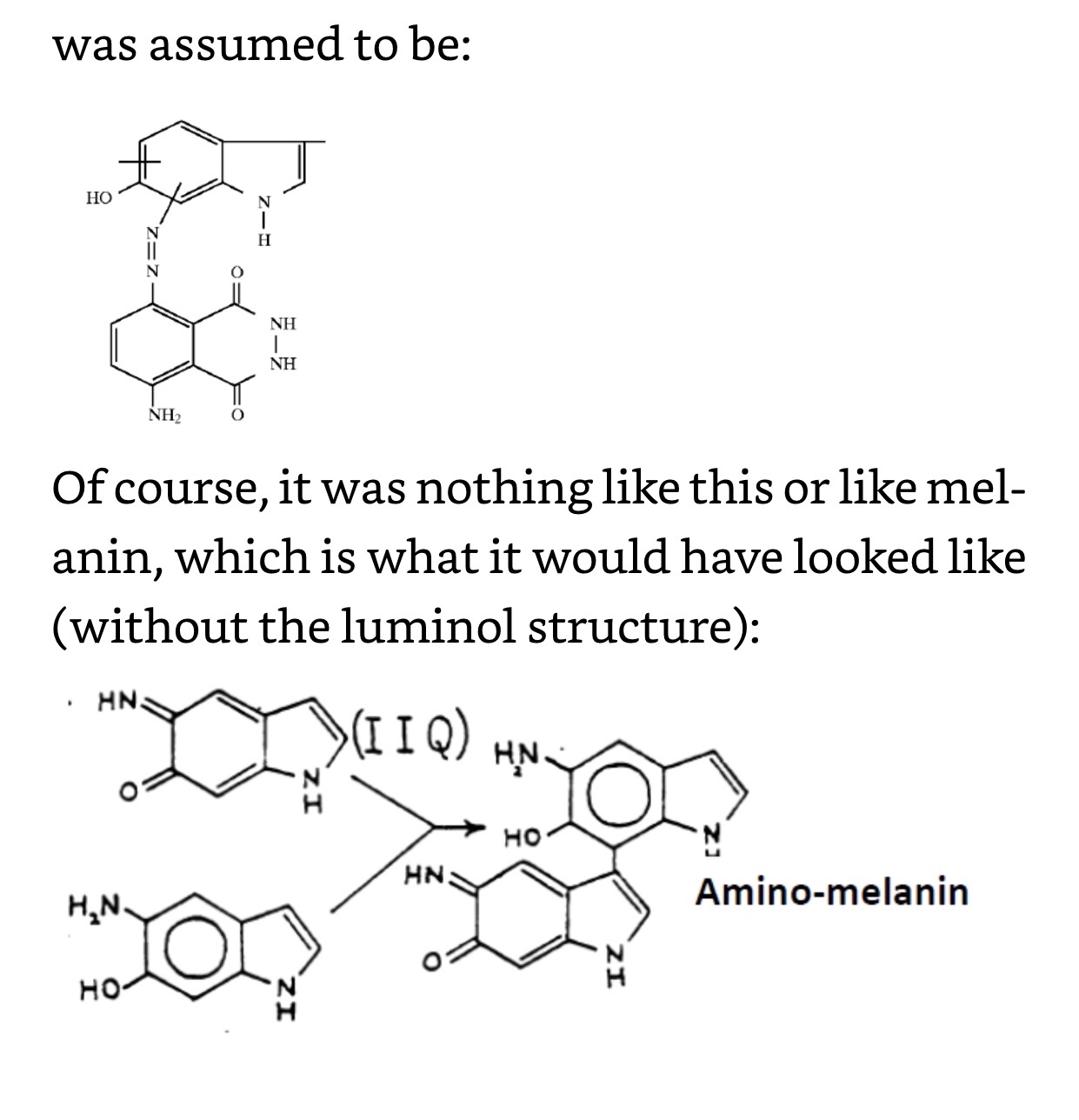
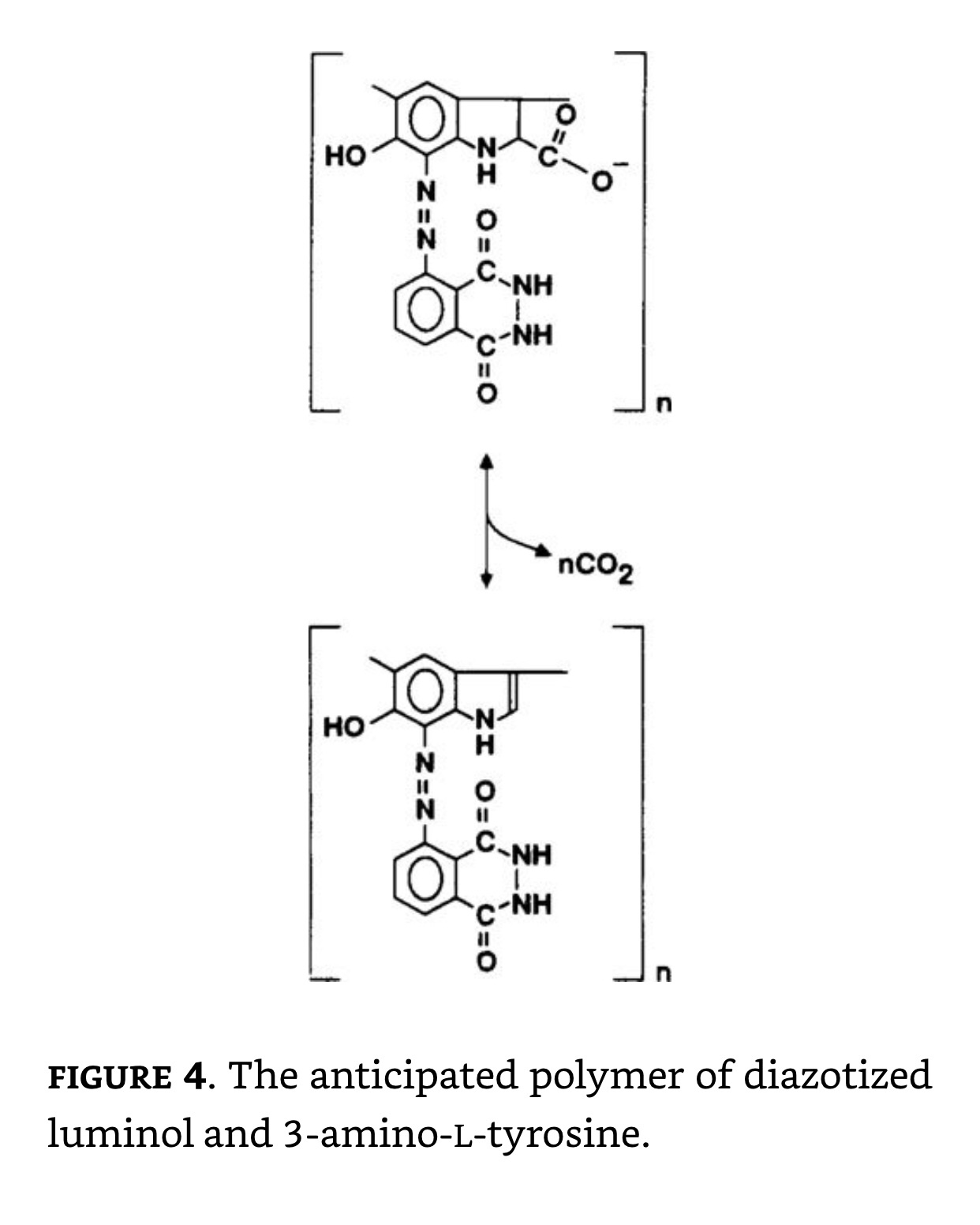
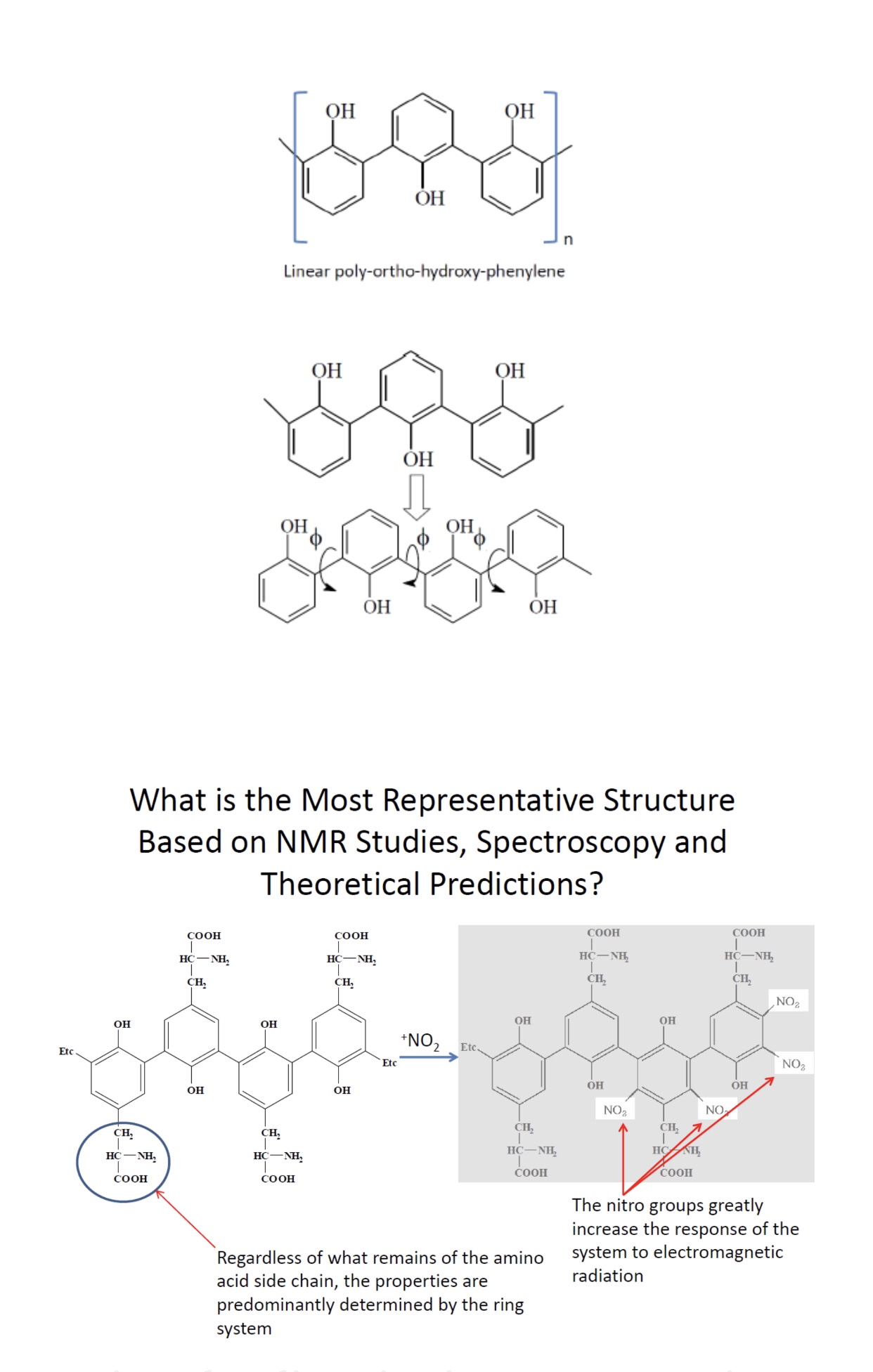
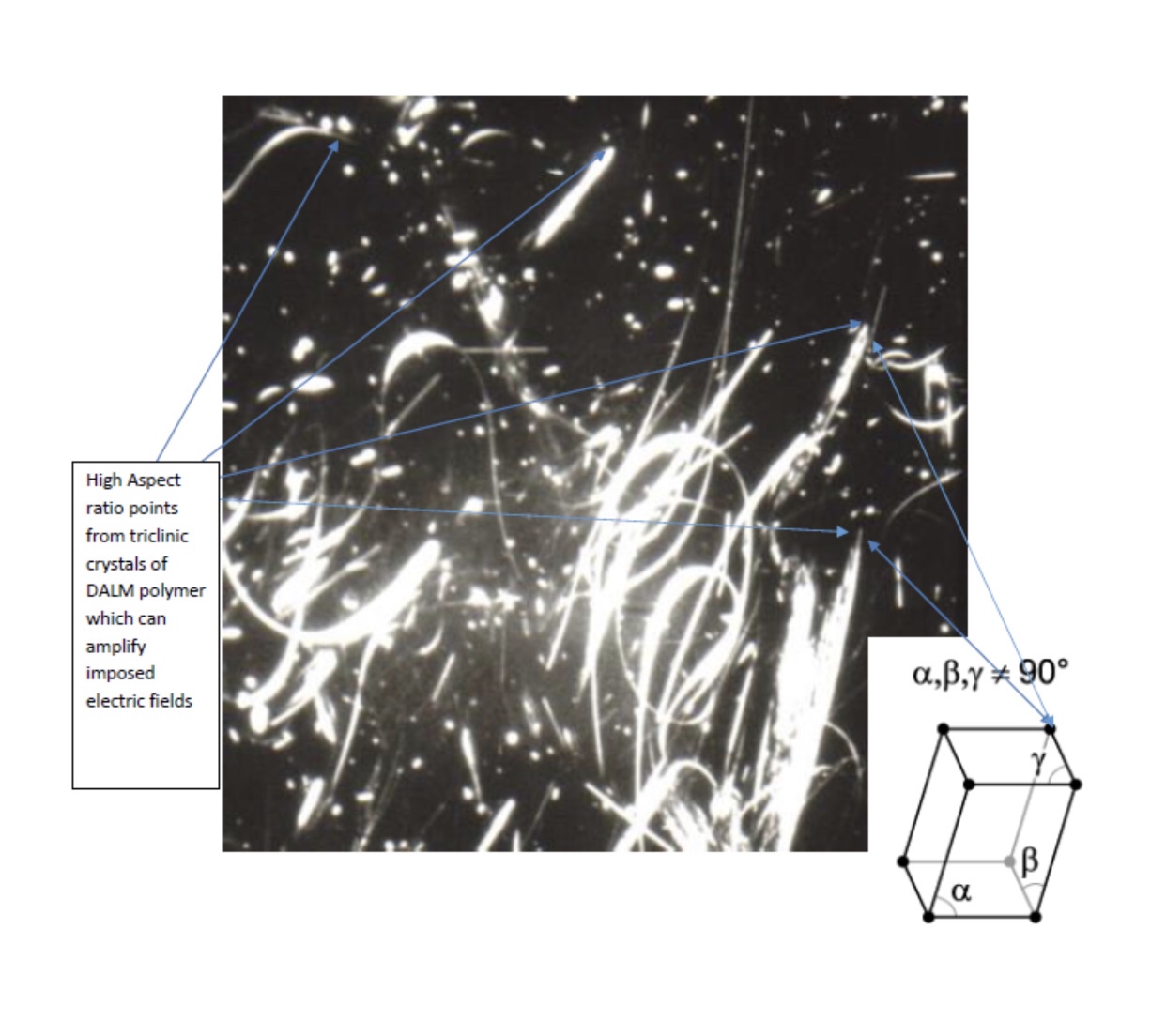
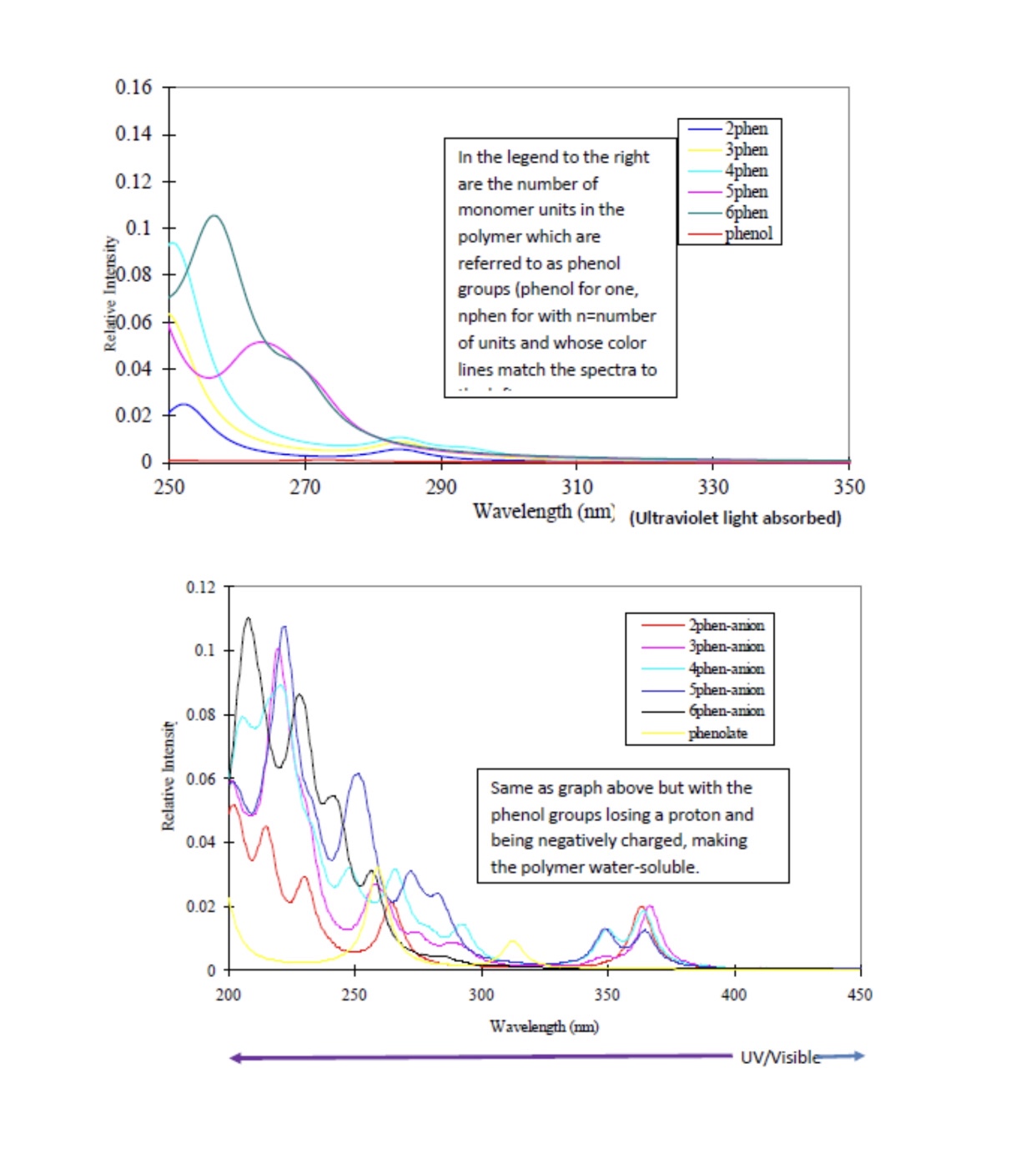
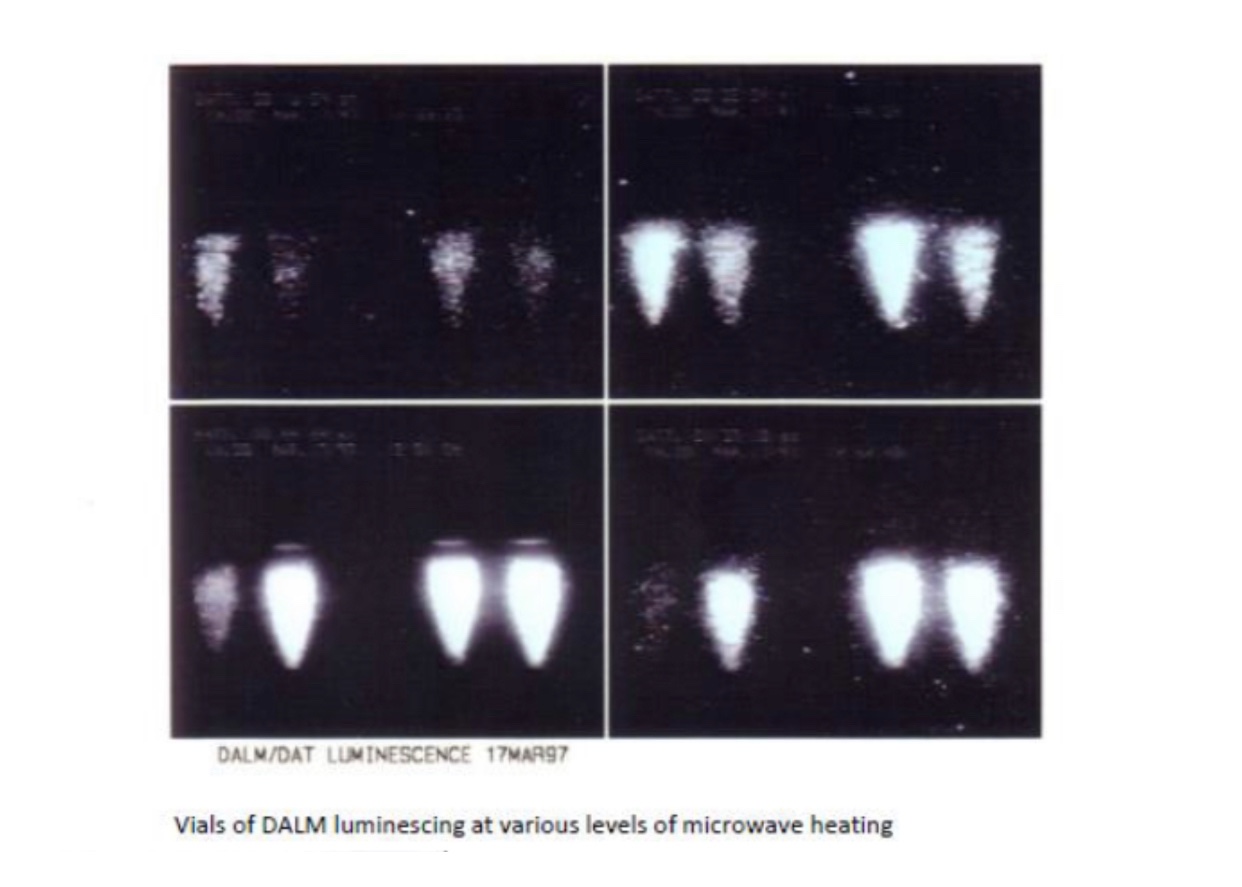
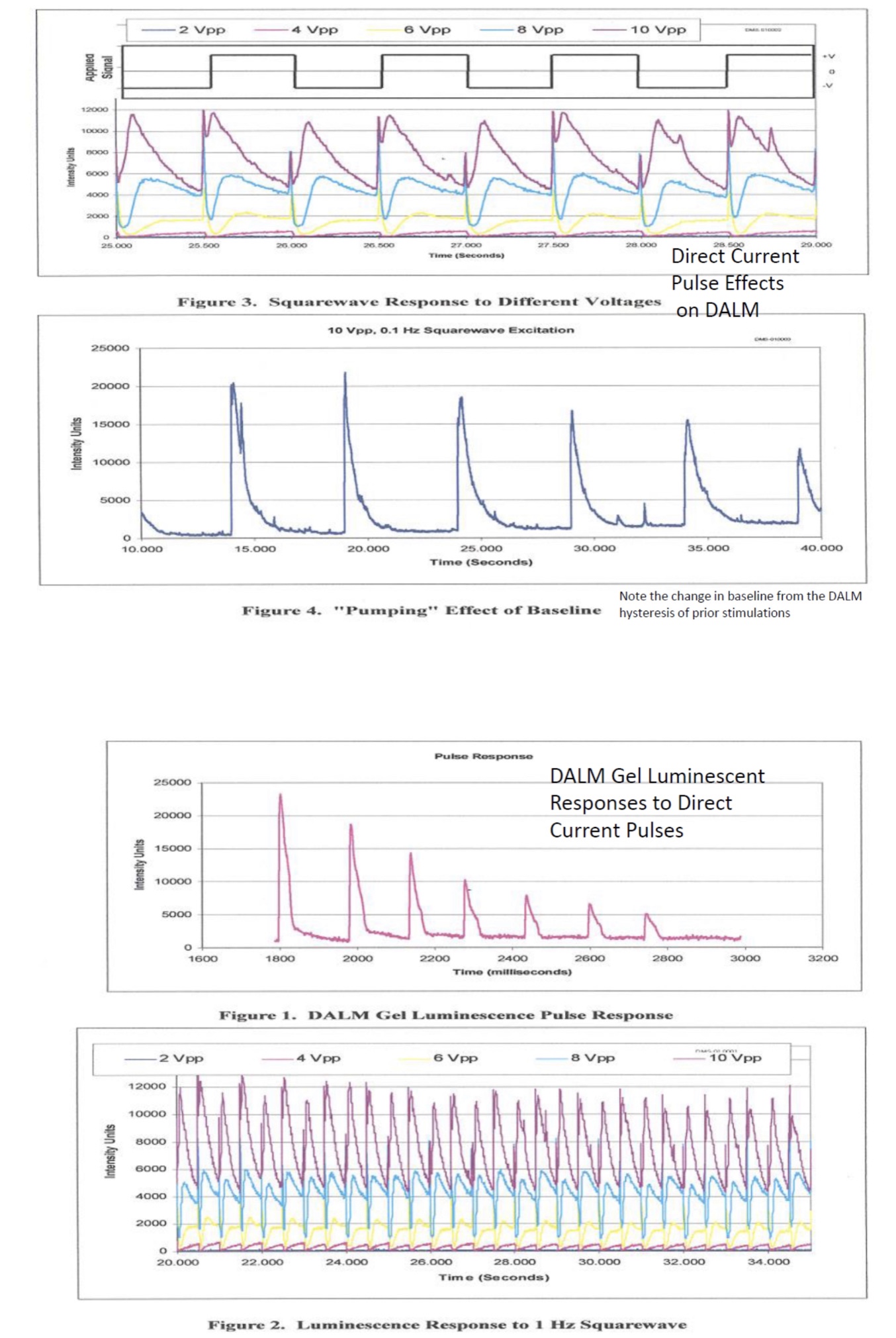
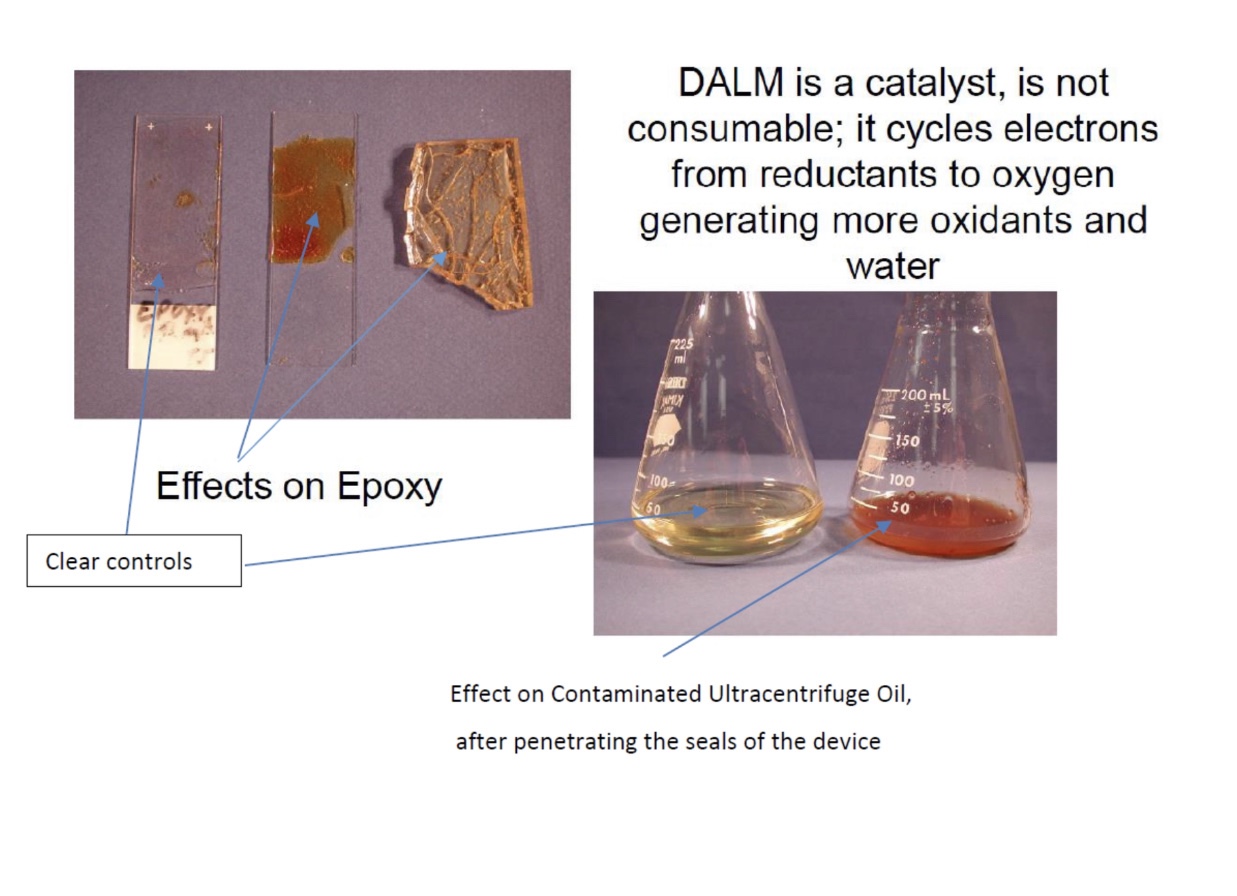
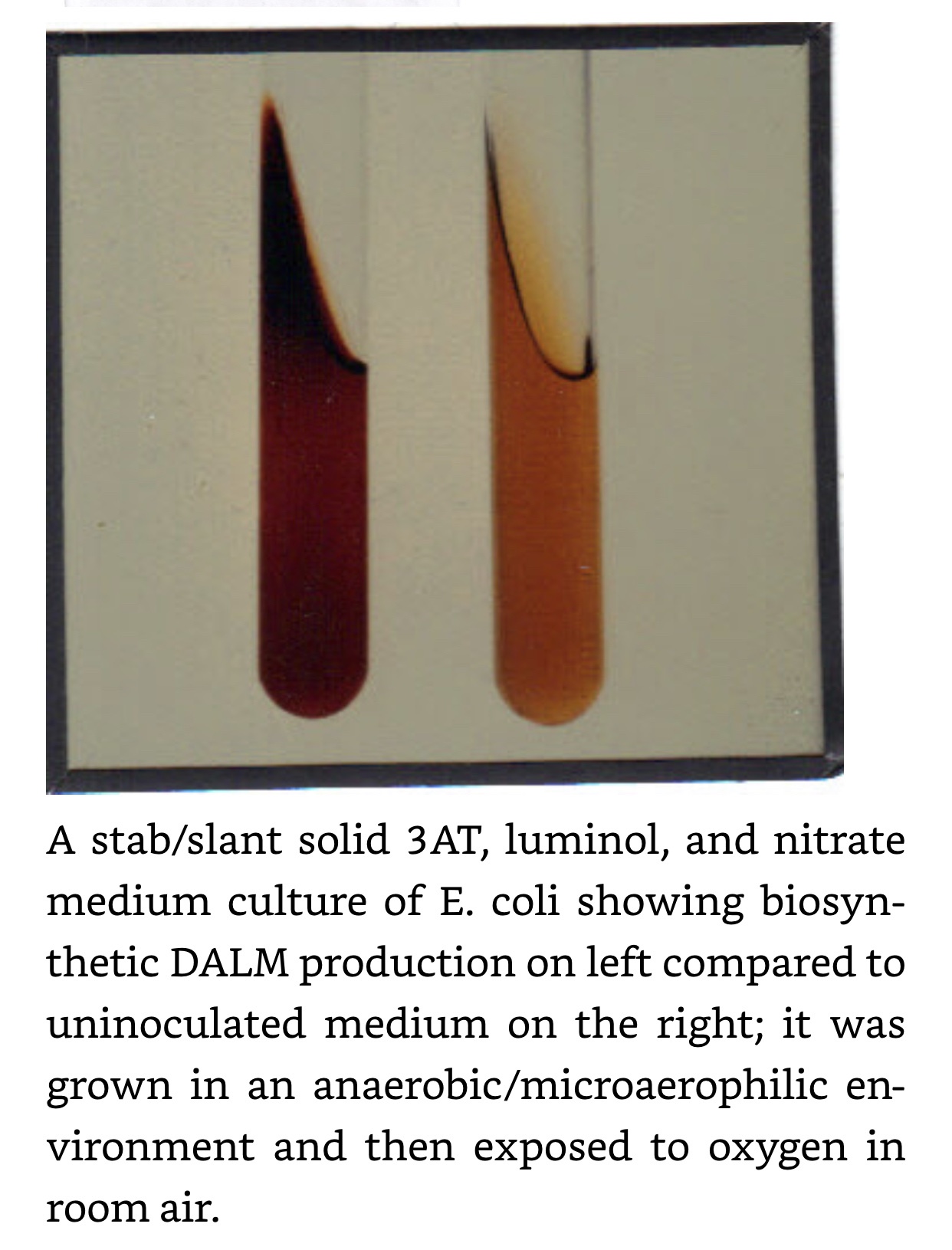
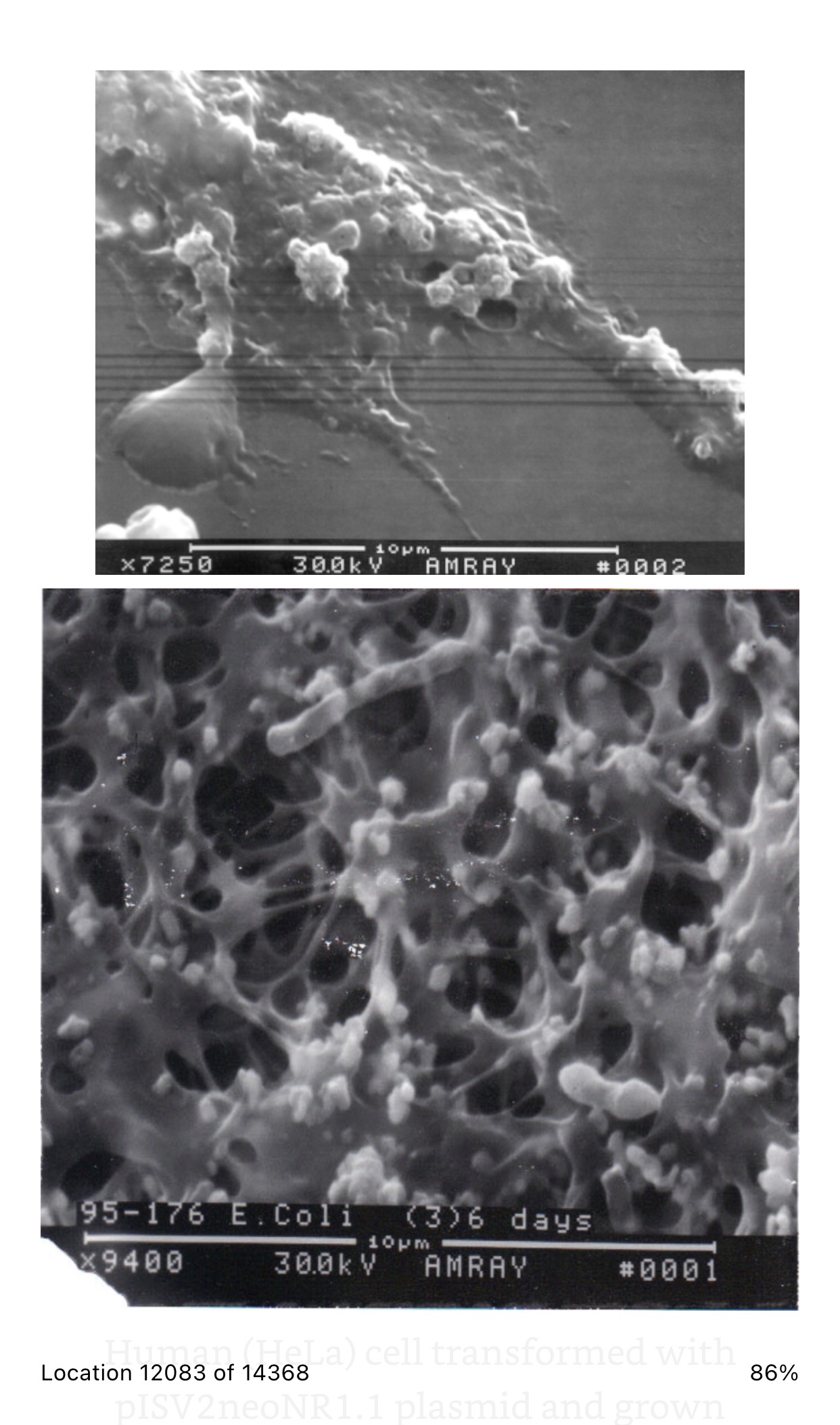
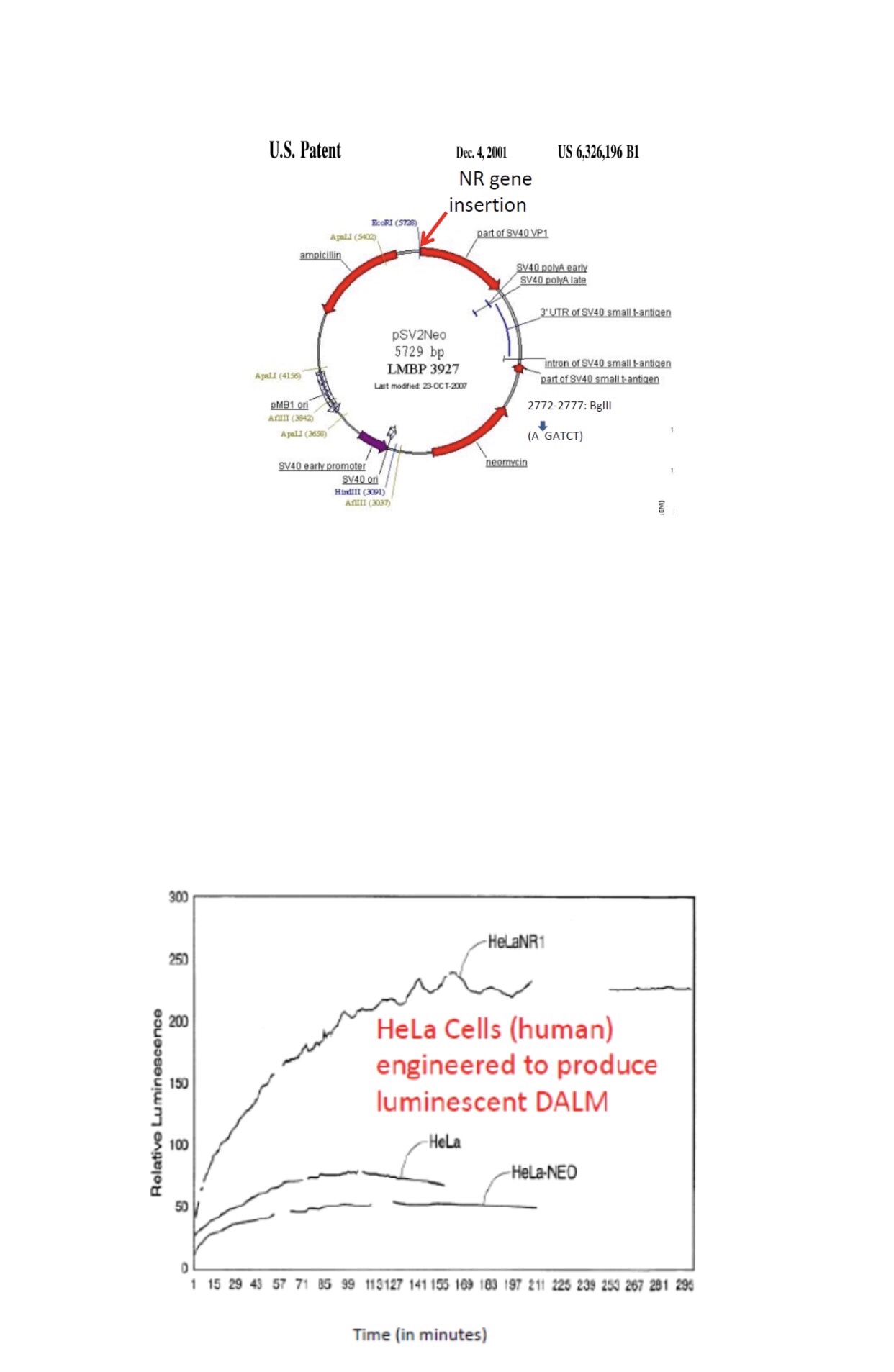
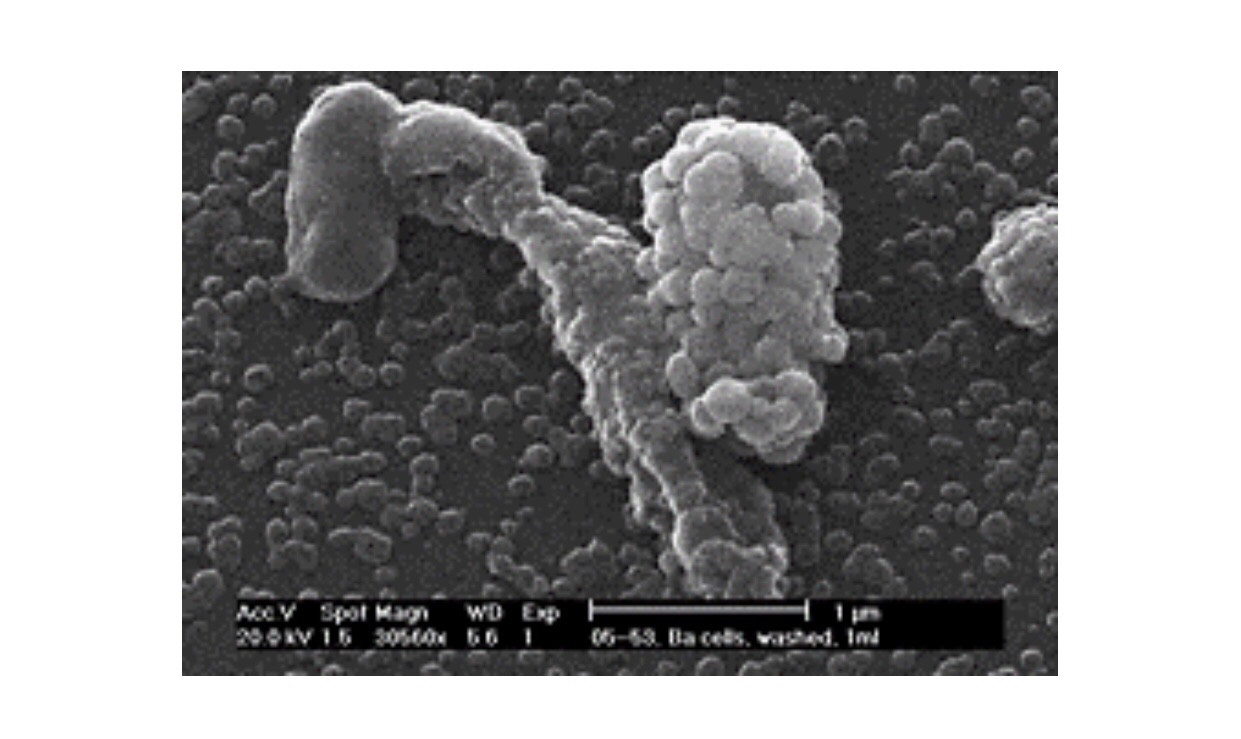
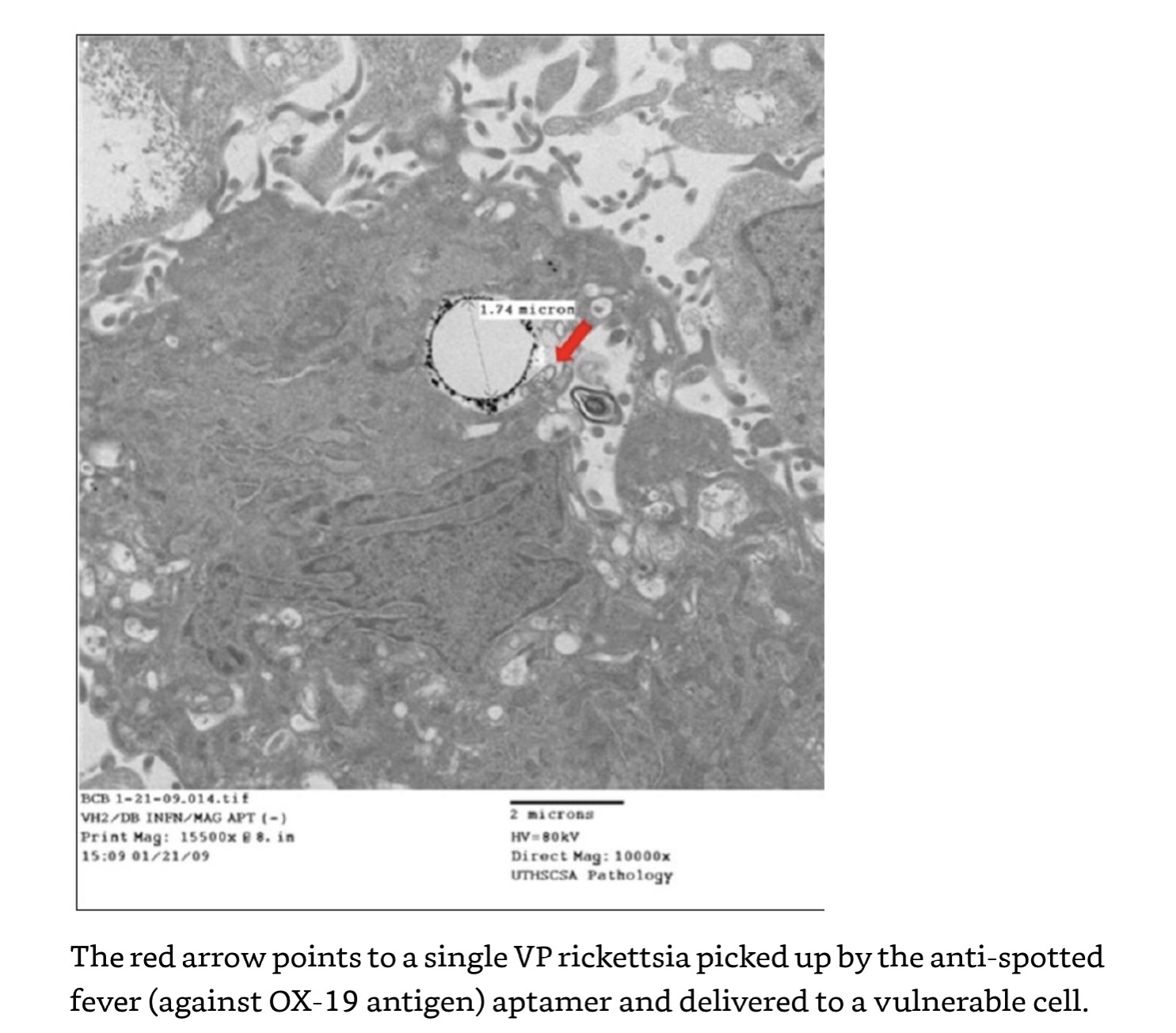
What was most remarkable was that by cloning a subunit of a plant (barley) nitrate reductase gene through plasmids into bacterial to even human cells, endogenous nitrate reductase in bacteria and nitric oxide synthase in animal and human cells could be greatly enhanced in their production of nitrite. They also became capable of endogenously synthesizing DALM when fed nitrate, 3-amino-L-tyrosine and luminol. They produced it in a spheroid nanoparticle form.
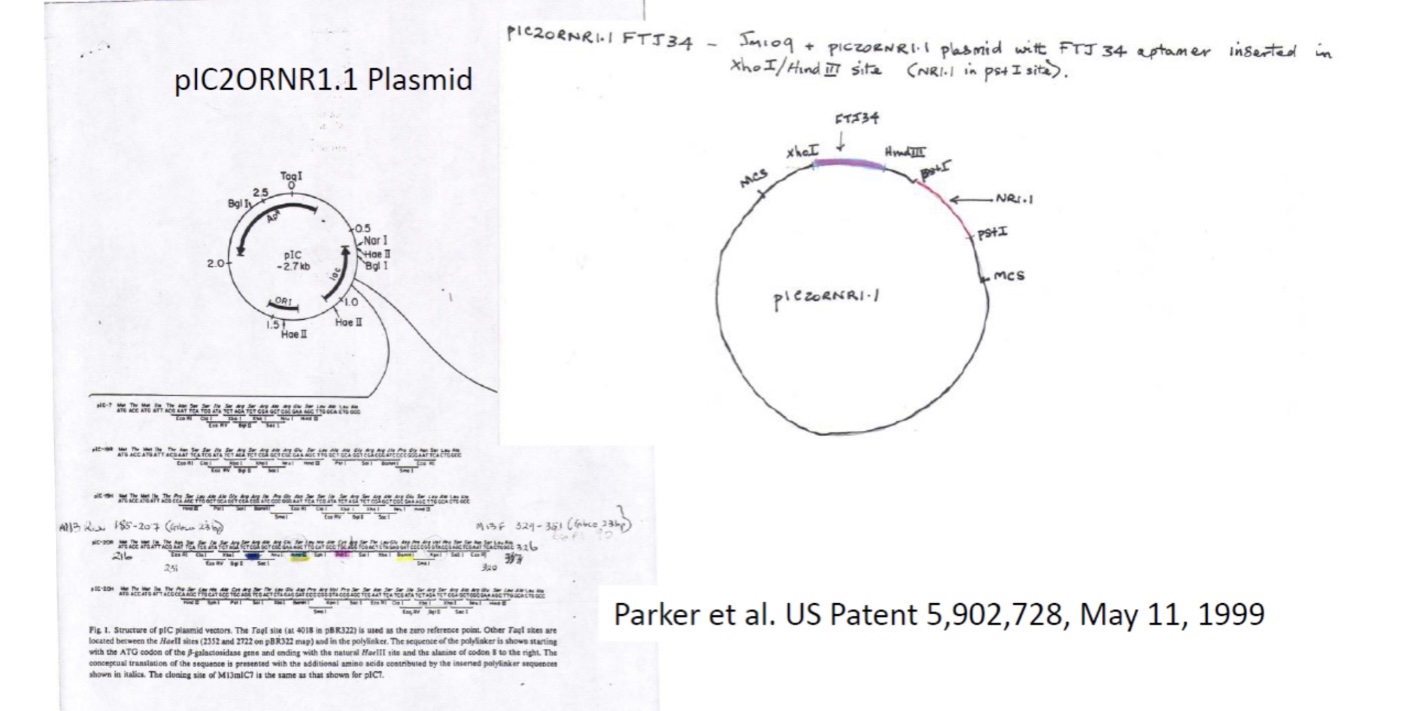
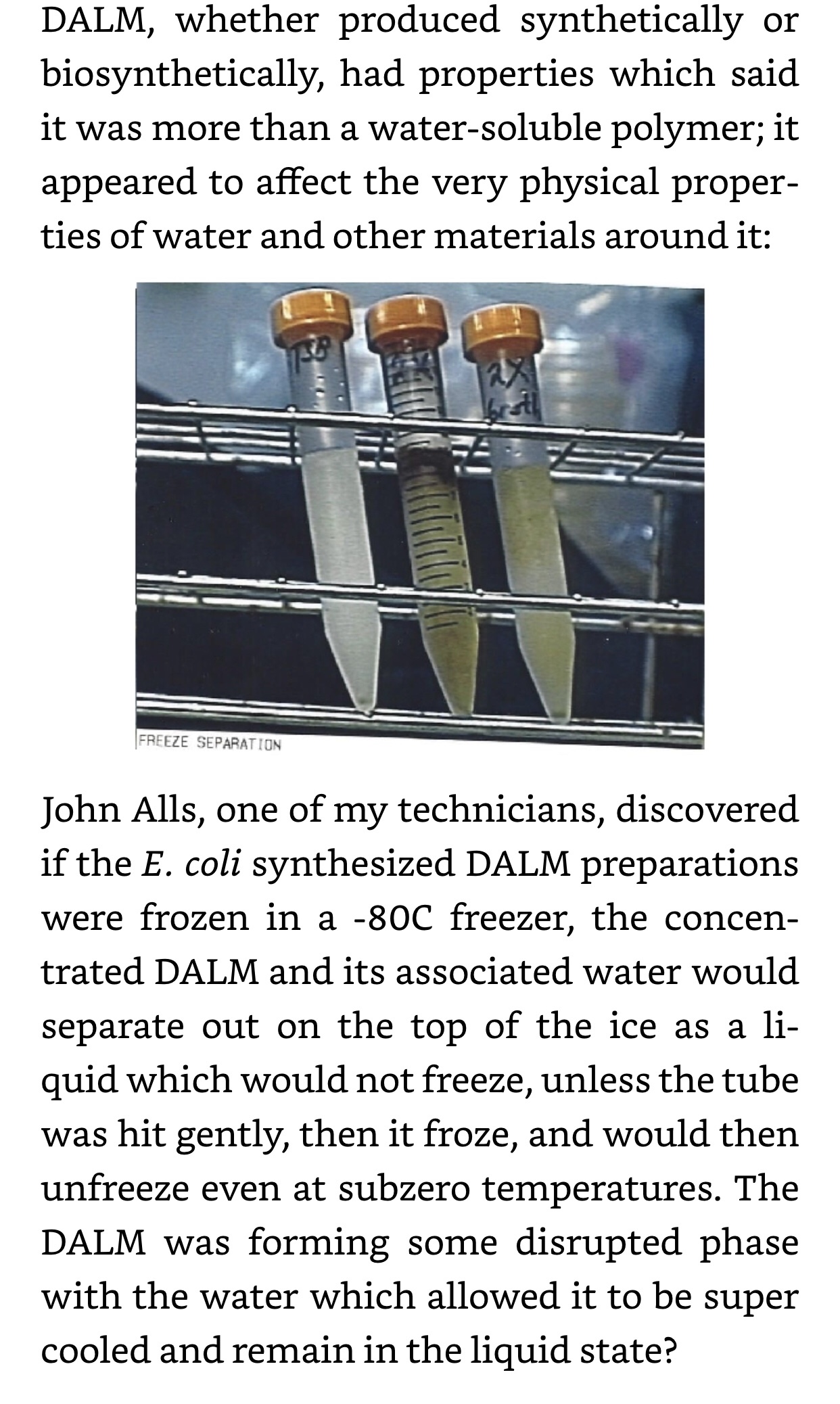
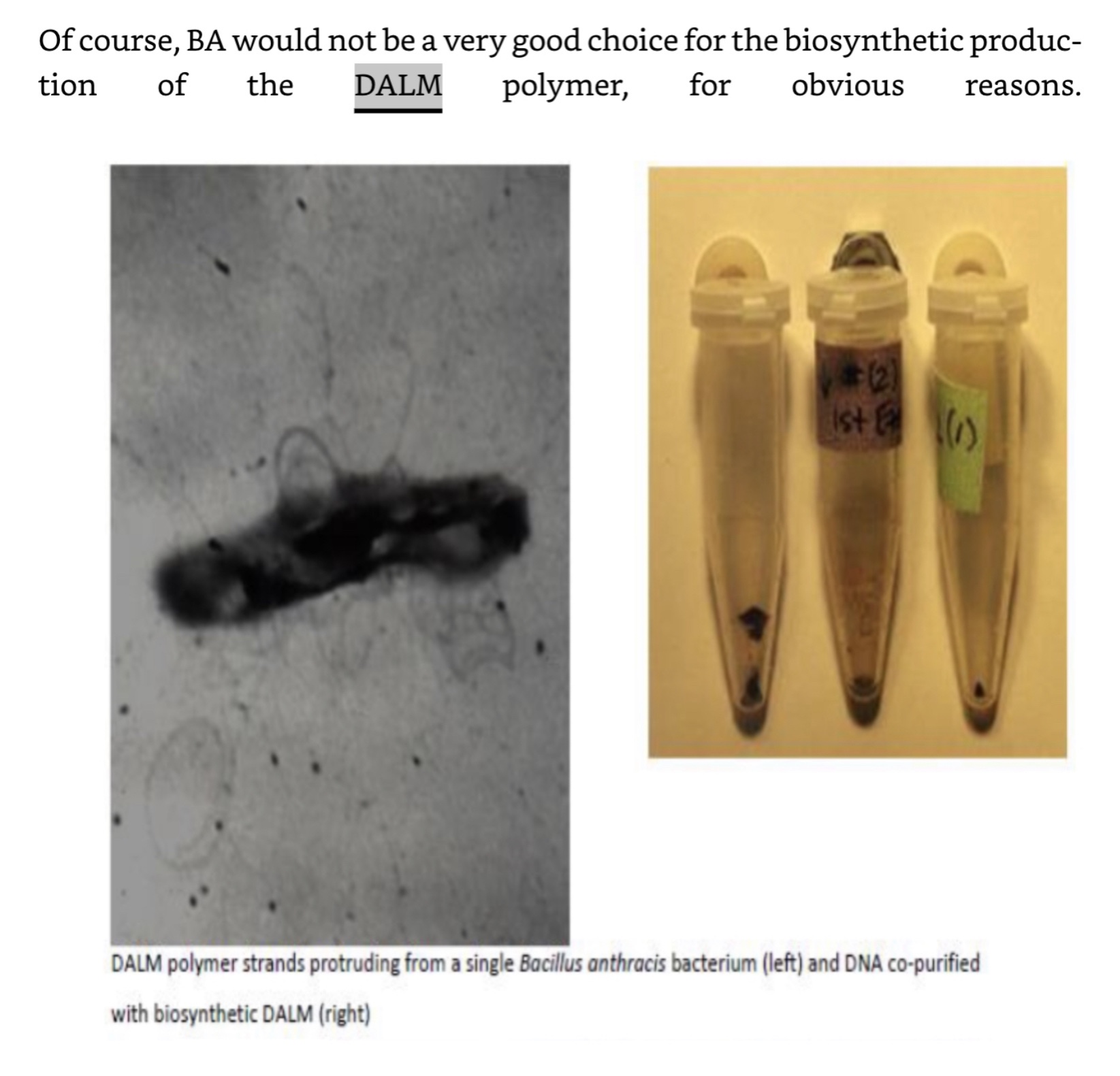
https://patentimages.storage.googleapis.com/da/70/20/9be062cddc54bc/US5003050.pdf.

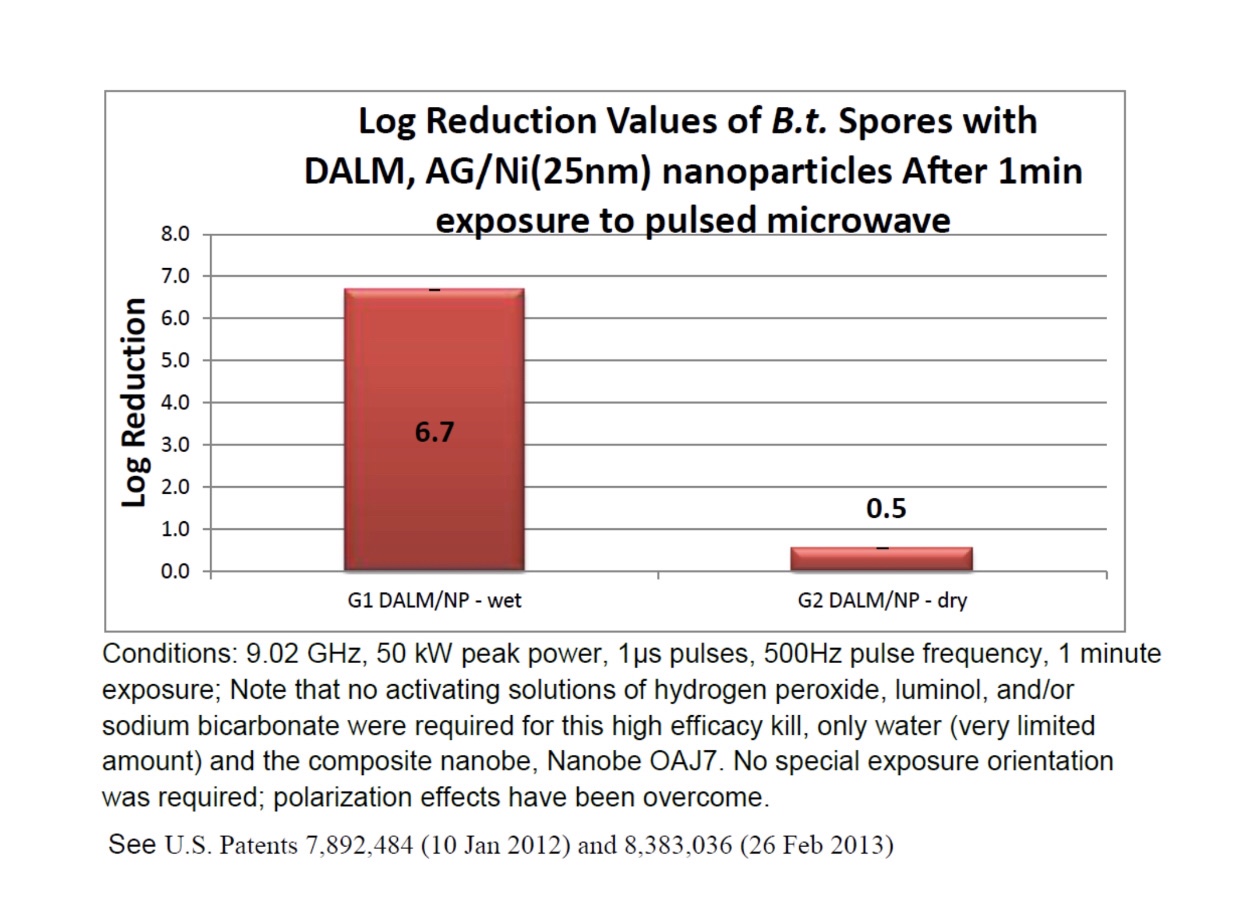
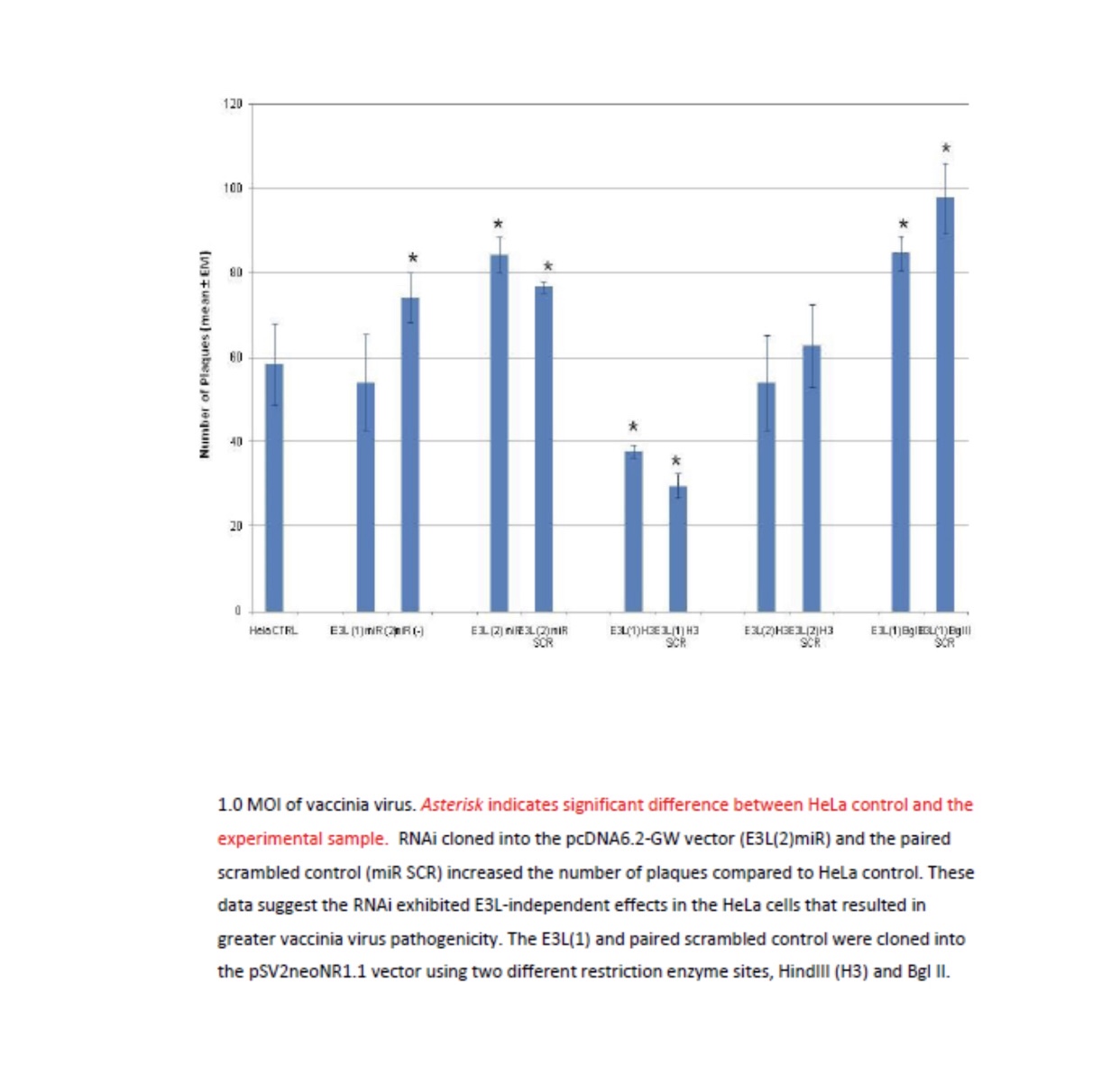
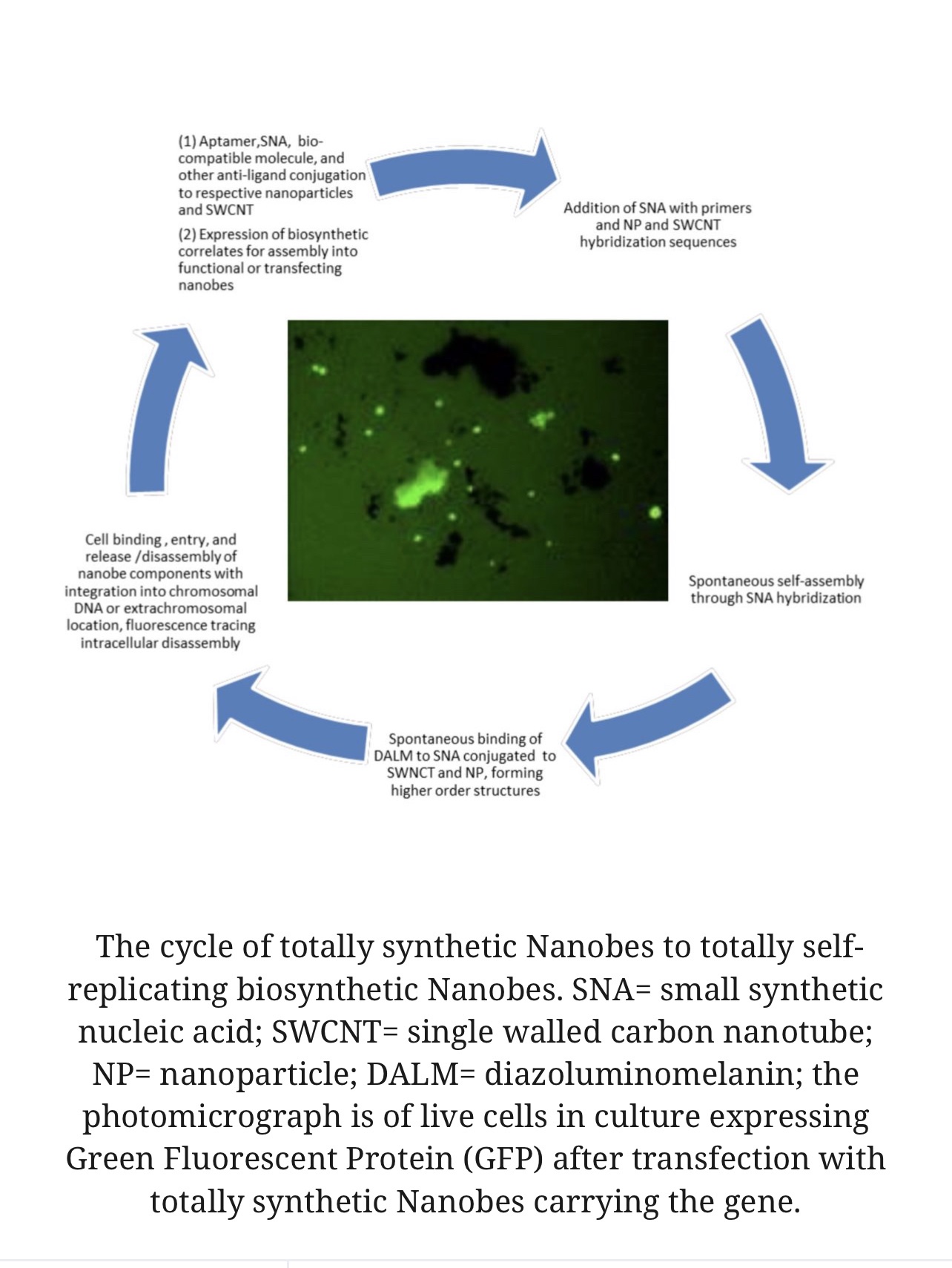
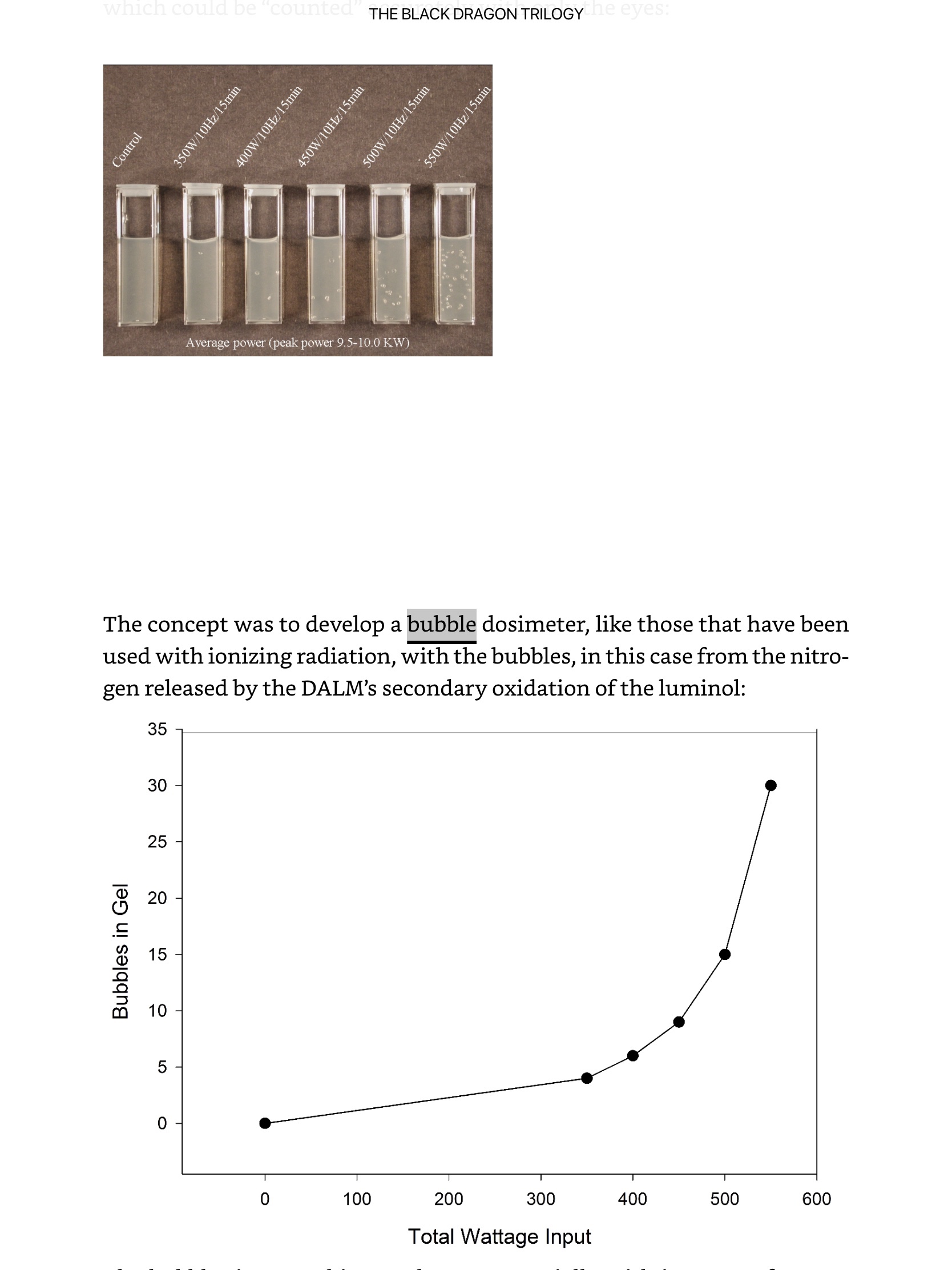
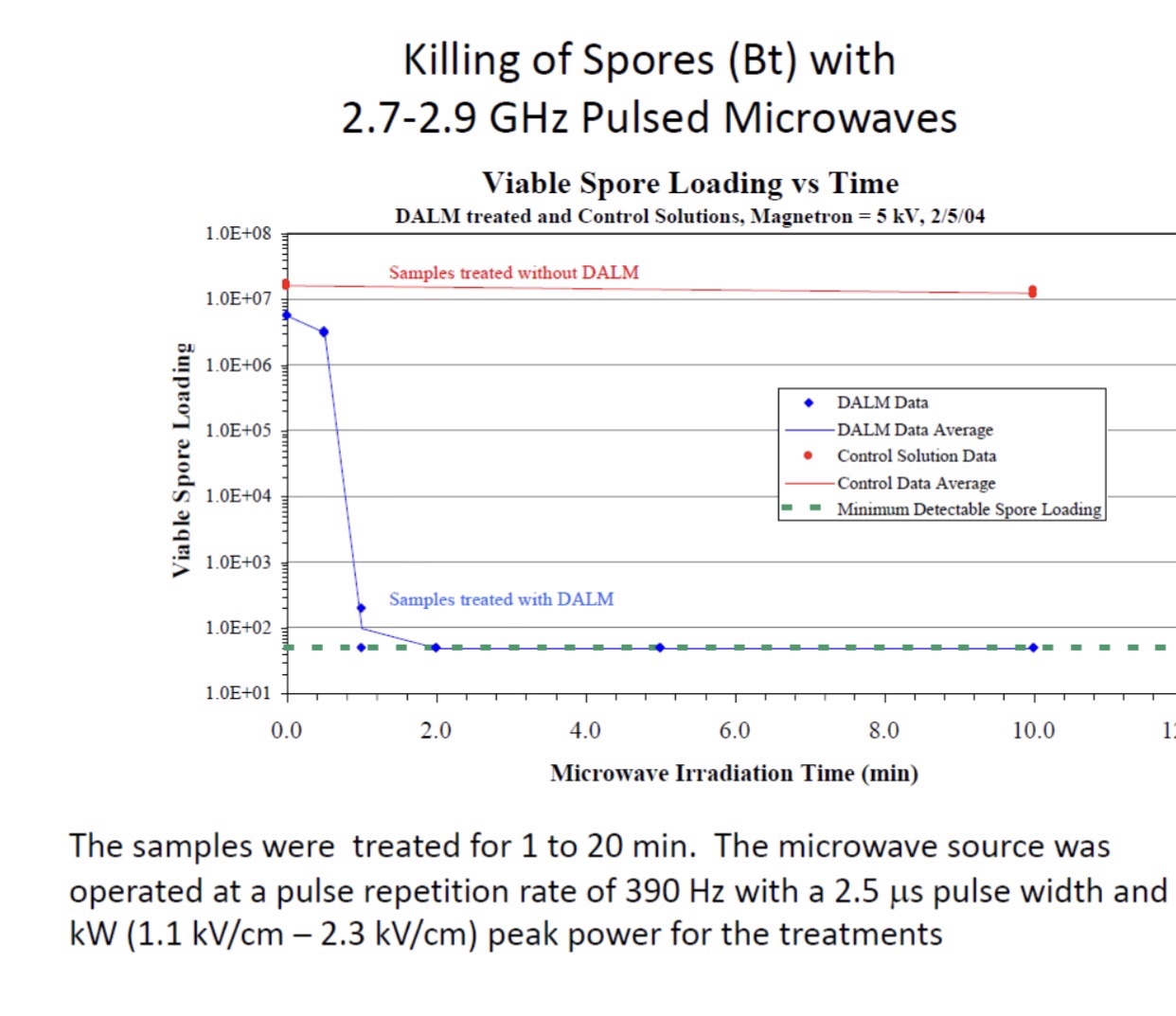
In a previous post, I showed how our last experiments at Brooks showed plasmids containing the nitrate reductase gene subunit could significantly inhibit the replication of vaccinia virus (close vaccine relative of smallpox) and surprisingly how certain arrangements of the gene, with one that produces iRNA, which blocks a viral gene that inhibits apoptosis, actually increases host cell lytic plaques (following viral infection), but did not necessarily increase the subsequent yield of virus. Unfortunately, because of the closing of Brooks further confirmation was not possible, particularly of the latter. What has been confirmed over and over again with many experiments is that DALM produced by these cells could be activated by pulsed microwaves which will destroy cells bearing DALM nanoparticles, external or internal, as a fail safe against transfected or transformed cells, and destroy viral or bacterial pathogens contained within or as bystanders, but spare cells that are not in the immediate vicinity. This would have been a remarkable achievement that makes DALM nanoparticles superior to any gene vector currently available for research or therapy or for vaccine delivery.

 Global Biosurveillance