
The initial vaccine candidates from Pfizer and Moderna are both mRNA vaccines, if approved they would be the first mRNA vaccines ever approved. mRNA is an unstable molecule that breaks down when exposed to significant temperature fluctuations, even at ultra-low temperatures. mRNA vaccines require ultra-low temperatures of -70˚ to -80 for storage and shipment. In vaccine form, the importance of mRNA’s temperature stability is greatly amplified. This is an example of advanced biotechnology leading medical practicability: a demanding cold chain difficult to achieve even in the US and advanced countries but impossible in developing countries, not even considering that these requirements will drive the expected cost through the roof. https://www.laboratoryequipment.com/569702-Hurdle-1-Develop-COVID-19-Vaccine-Hurdle-2-Deliver-it-at-Ultra-low-Temperatures/.
Because of the mRNA vaccine ULT demands, Pfizer designed temperature-controlled shipping containers which use dry ice to keep the vaccine vials at -75˚C for 10 days. These are roughly the size of a suitcase and weigh about 70 pounds when fully loaded. However, a shortage of ultra-low temperature (ULT) freezers is anticipated because they are not usually available in most clinics, creating an added expense and probable loss, waste of vaccine, especially since federal distribution of cold-storage vaccines is anticipated to be sent in 1,000-dose shipments. The rush to purchase ULT freezers could lead to a national shortage, hampering distribution of such vaccines. AstraZenca and Oxford’s vaccine, which may be released next, needs -20˚C temperatures to ensure efficacy, a little better.
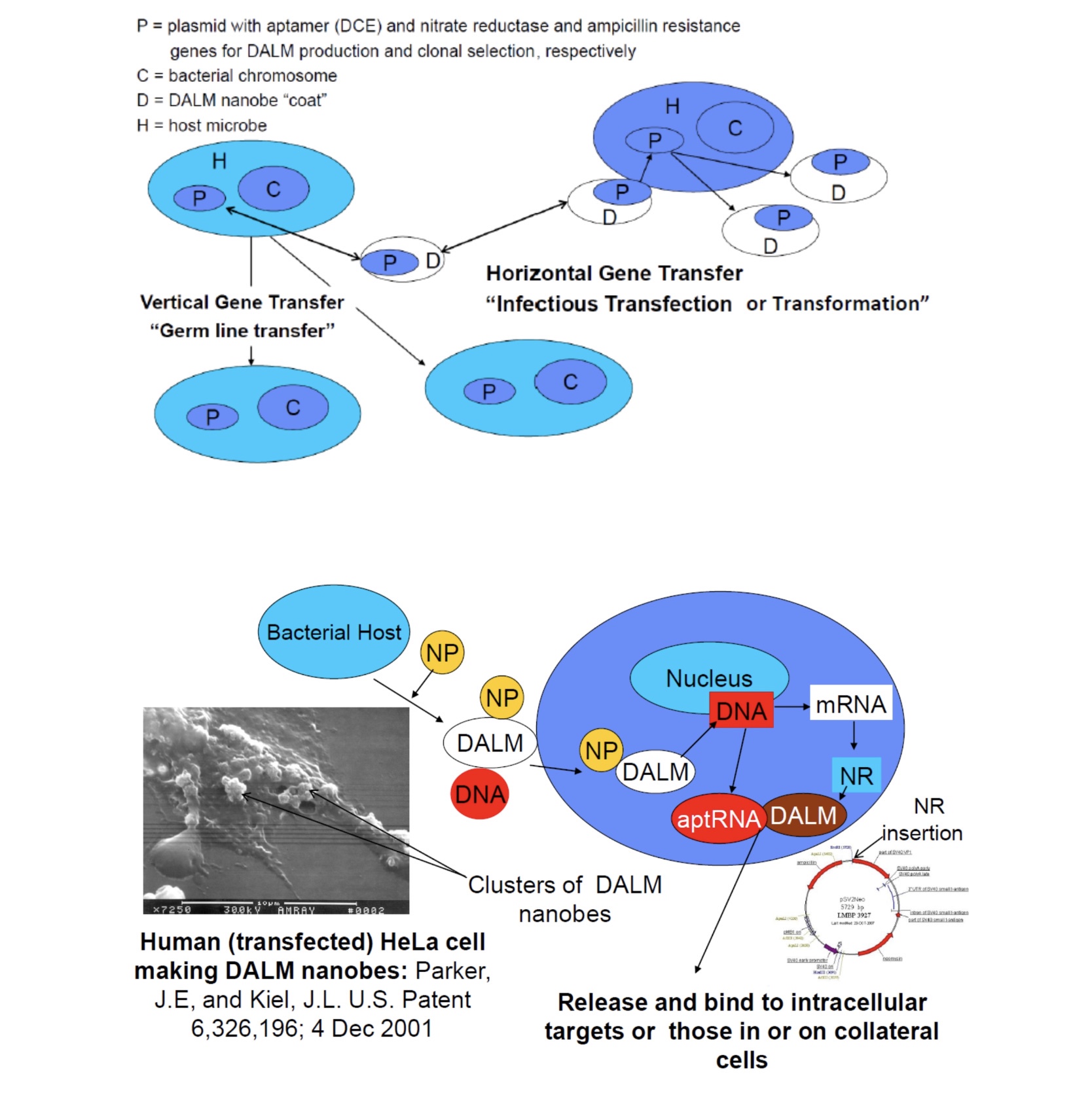
The developing world will need vaccine volume provided by 2 to 3 approved vaccines. They may even have to wait for a liquid vaccine, or at least a -20˚C vaccine that is widely available (still problematic in many countries and remote regions). The logistics of the frozen mRNA vaccines are nearly impossible for developing countries. The Associated Press estimates vaccine storage issues could leave 3 billion people in developing countries without access to a coronavirus vaccine. Are there other subunit nucleic acid vaccines that are more stable? Yes. DNA vaccines https://www.ncbi.nlm.nih.gov/pmc/articles/PMC1986720/.Messenger RNA (mRNA) molecules provide the templates in the cytoplasm of a cell for translation by the ribosome and tRNA (amino acid transfer RNA) into protein, making multiple copies of the protein from each mRNA template. This amplification provides a multiplication of the vaccine immunogen per molecule compared to providing individual protein molecules. However, offsetting that advantage, in addition to the instability of mRNA, only about one of 10,000 molecules of mRNA will escape into the cytoplasm after being taken up by a cell. Amplification by translation of mRNA into protein has to overcome the losses and the inefficiencies of degradation and the translation to protein. Unlike plasmid DNA, which must enter the nucleus of the cell, mRNA only needs to be present in the cytoplasm, which eliminates the additional barrier, the nuclear membrane, that plasmid DNA has to cross. However, plasmid DNA is more stable than mRNA, and each DNA molecule results in the production of multiple mRNA molecules, thus the theoretical advantages of one over the other is found in the net stability of plasmid DNA versus mRNA, as well as differences in efficiencies of targeting the proper cells, movement to the cytoplasm or nucleus followed by transcription of the plasmid DNA (transcription from DNA to mRNA), and the translation of mRNA, whether transcribed from DNA or translated from mRNA, to protein https://www.ncbi.nlm.nih.gov/pmc/articles/PMC6631684/. The Brooks Counterproliferation Team had to address these problems and others to achieve field durability for DNA aptamers, their vectors, and resistance to degradation in transit in the field and even methods to manufacture them in place in the field as necessary on demand.
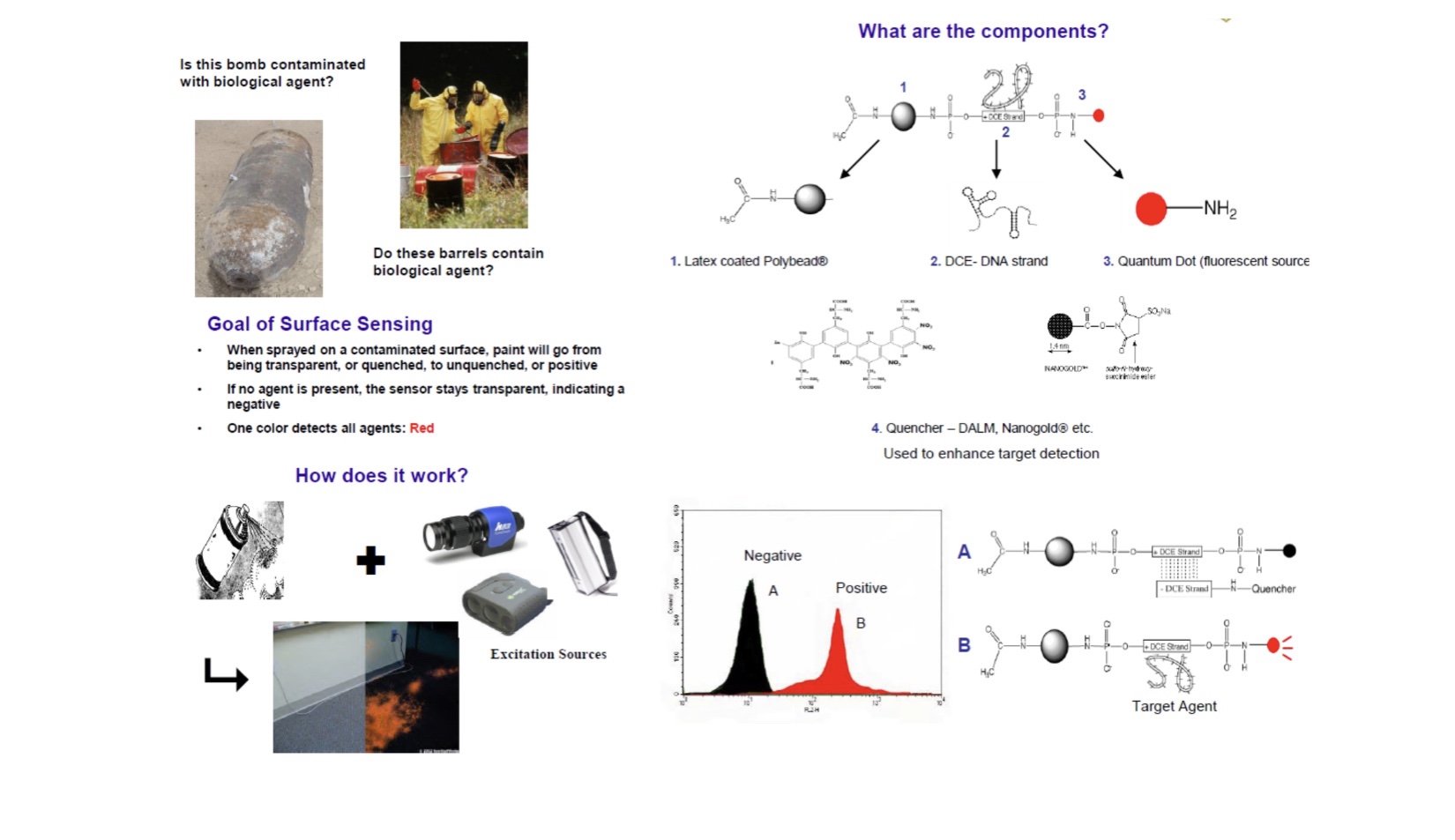
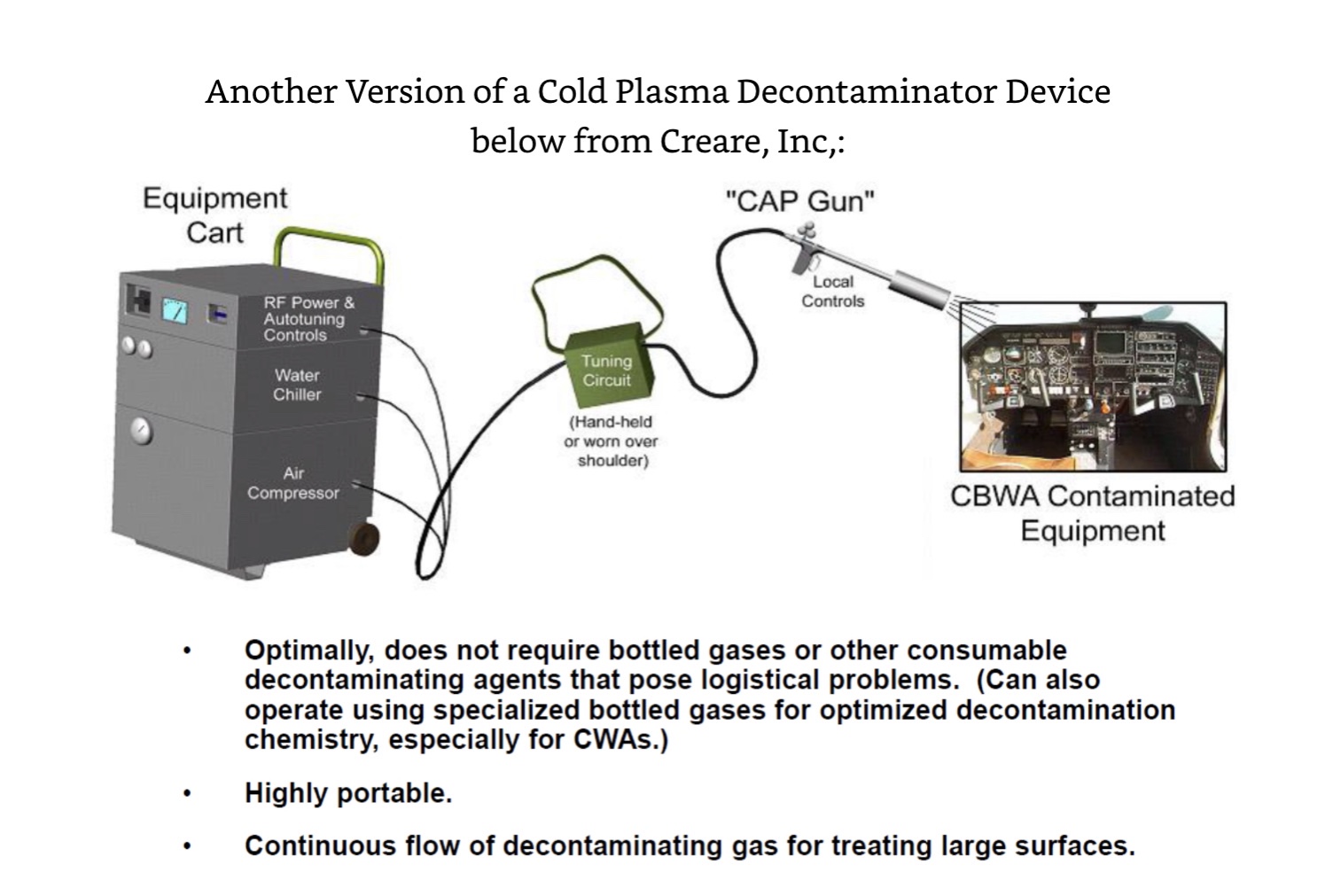
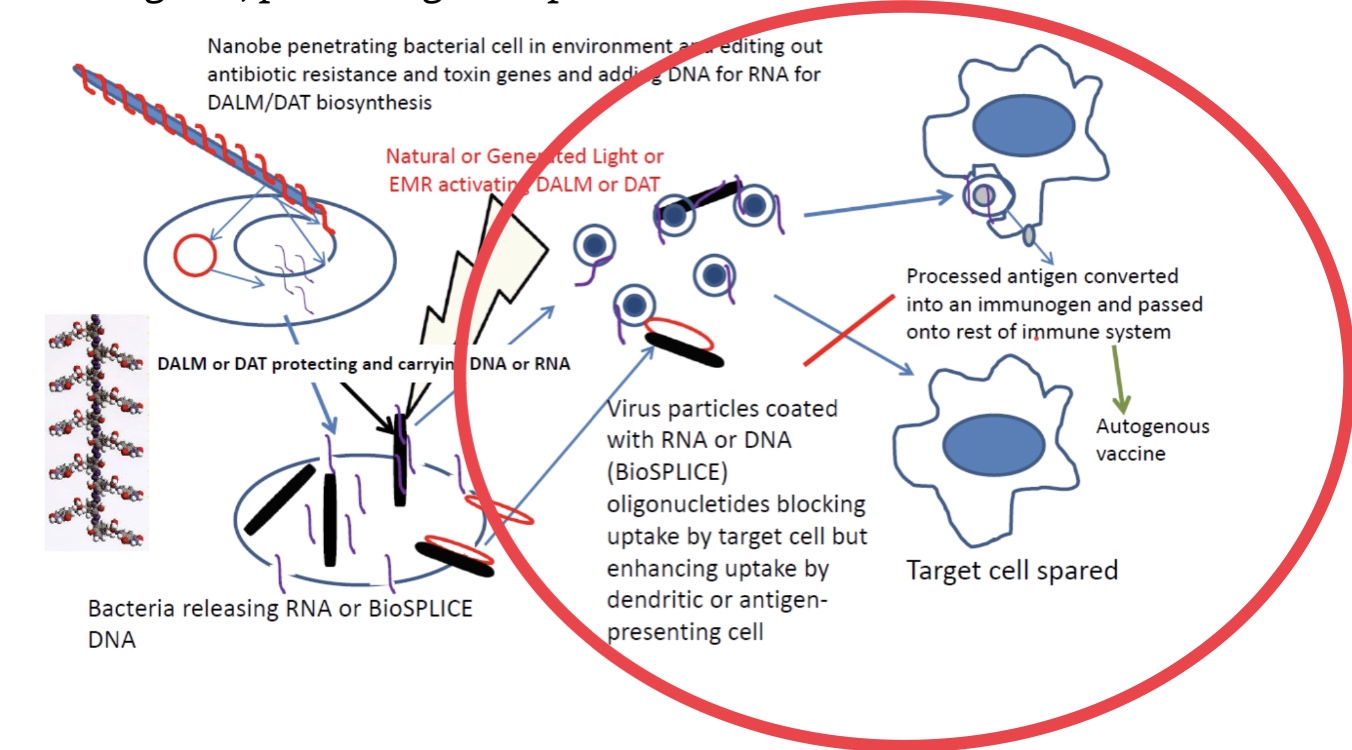
In the military, we always considered durability and survivability of all technology used against biological agents so it could be used under adverse conditions with little or no logistical tail, minimal technical skill to operate or maintain safely under the most adverse conditions. Of particular concern was the area of NBC (Nuclear, Biological, Chemical) defense, aircraft and WMD (Weapons of Mass Destruction) neutralization (that is decontamination of aircraft and preventing the Special Forces aircraft from becoming contaminated in the first place by using appropriate NBC neutralization, and NBC sensor, monitoring, technologies). All these detection, isolation and identification technologies had to answer these questions: Is the agent present? What might it be? And is it safe to bring back a sample without contaminating the Special Forces aircraft so that it can’t land in permissive territory after exiting non-permissive territory with the agent in hand? Aptamers, used to isolate, identify and neutralize biological agents in place of antibodies and to turn infectious agents into autogenous vaccines by neutralizing their pathological mechanisms in an infected individual therapeutically, could be self-delivered by inhalation. This approach would have extreme operational utility when an attack occurred and could save many military by safe administration of the aptamers, quickly, that required no special handling or even cold storage. All the technologies were measured by their ease of use under adverse conditions, an approach which seems to be lost on SARS-CoV-2 vaccine developers, but which is absolutely necessary to distribute and effectively apply vaccines quickly worldwide to quell this pandemic.
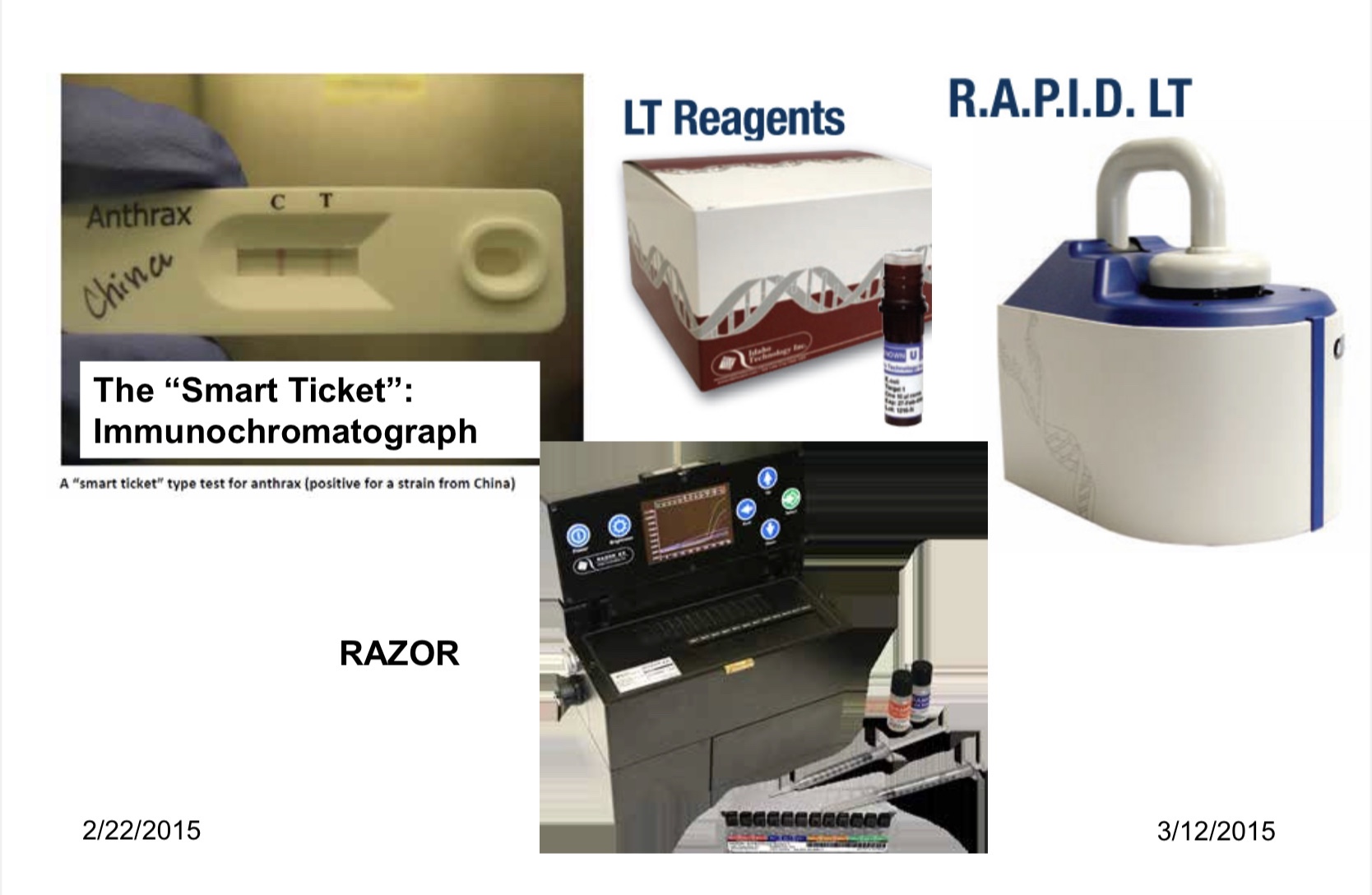
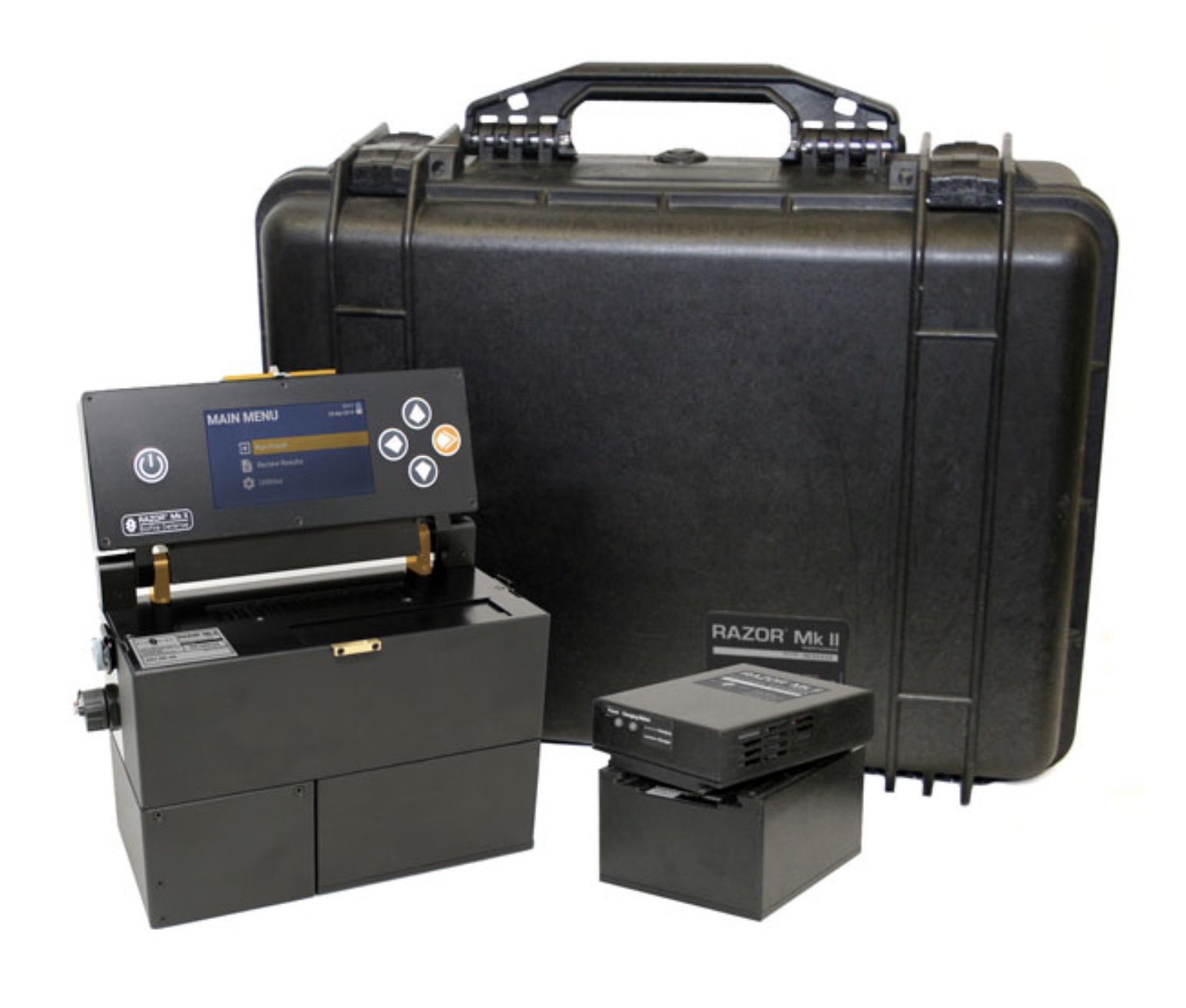
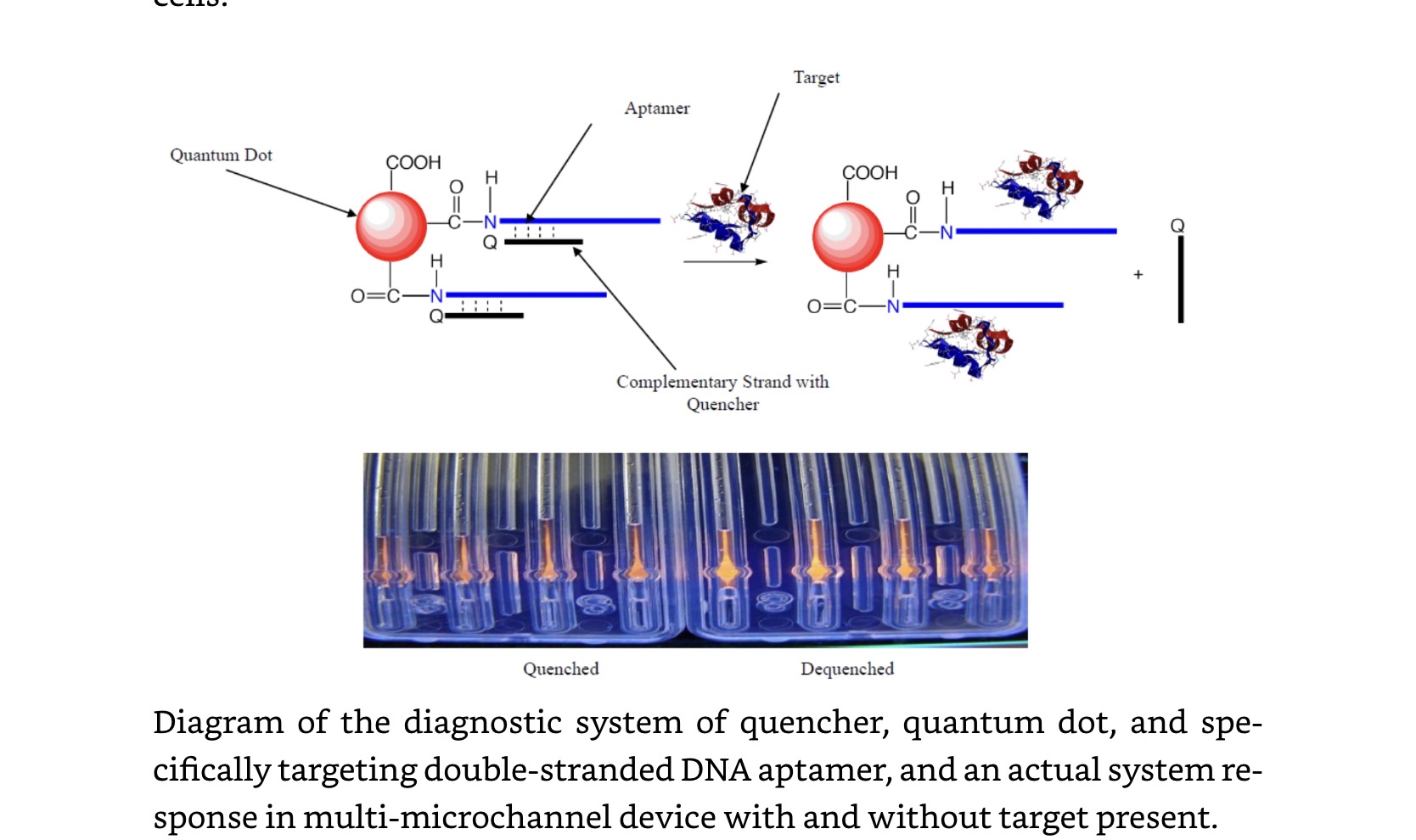
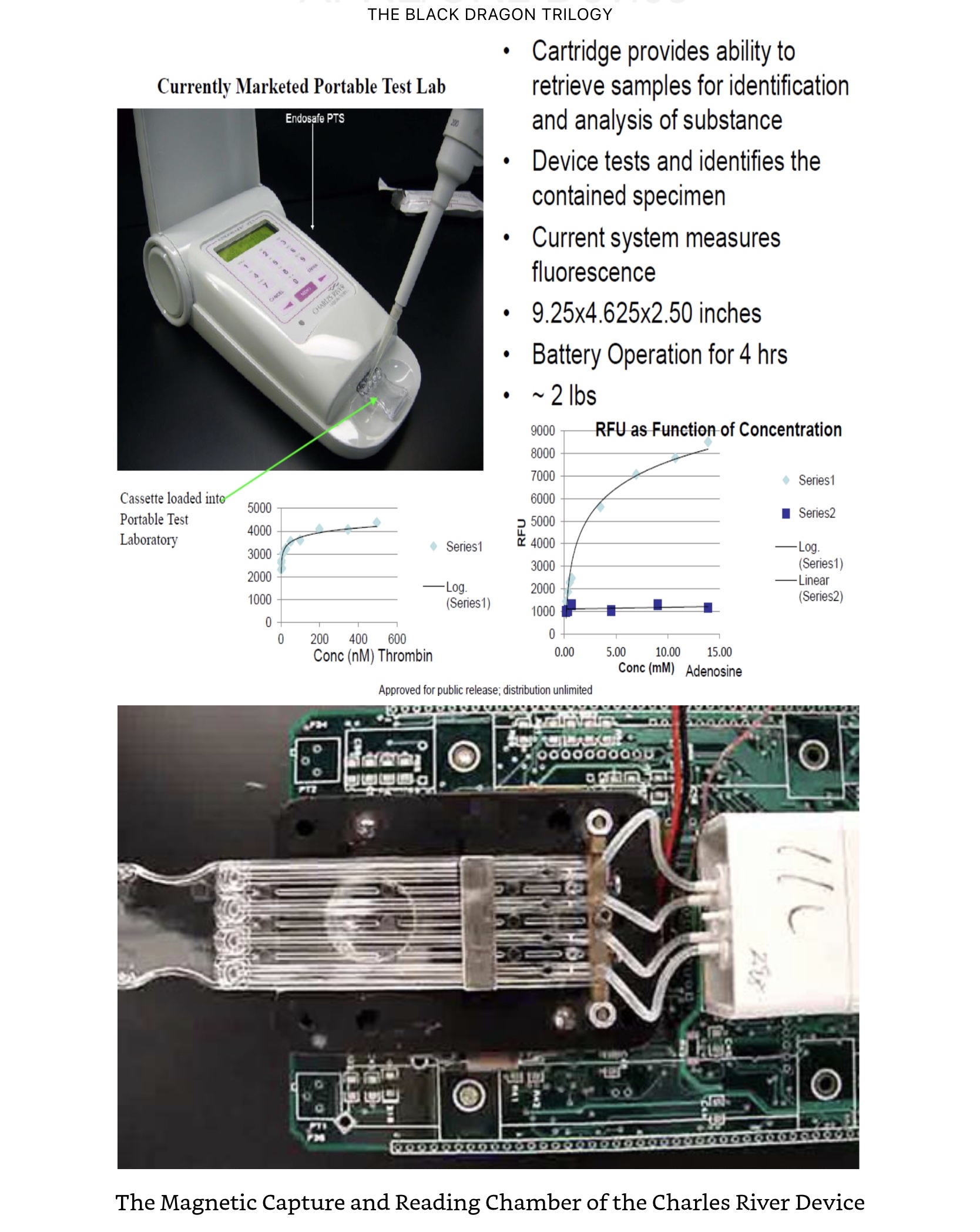
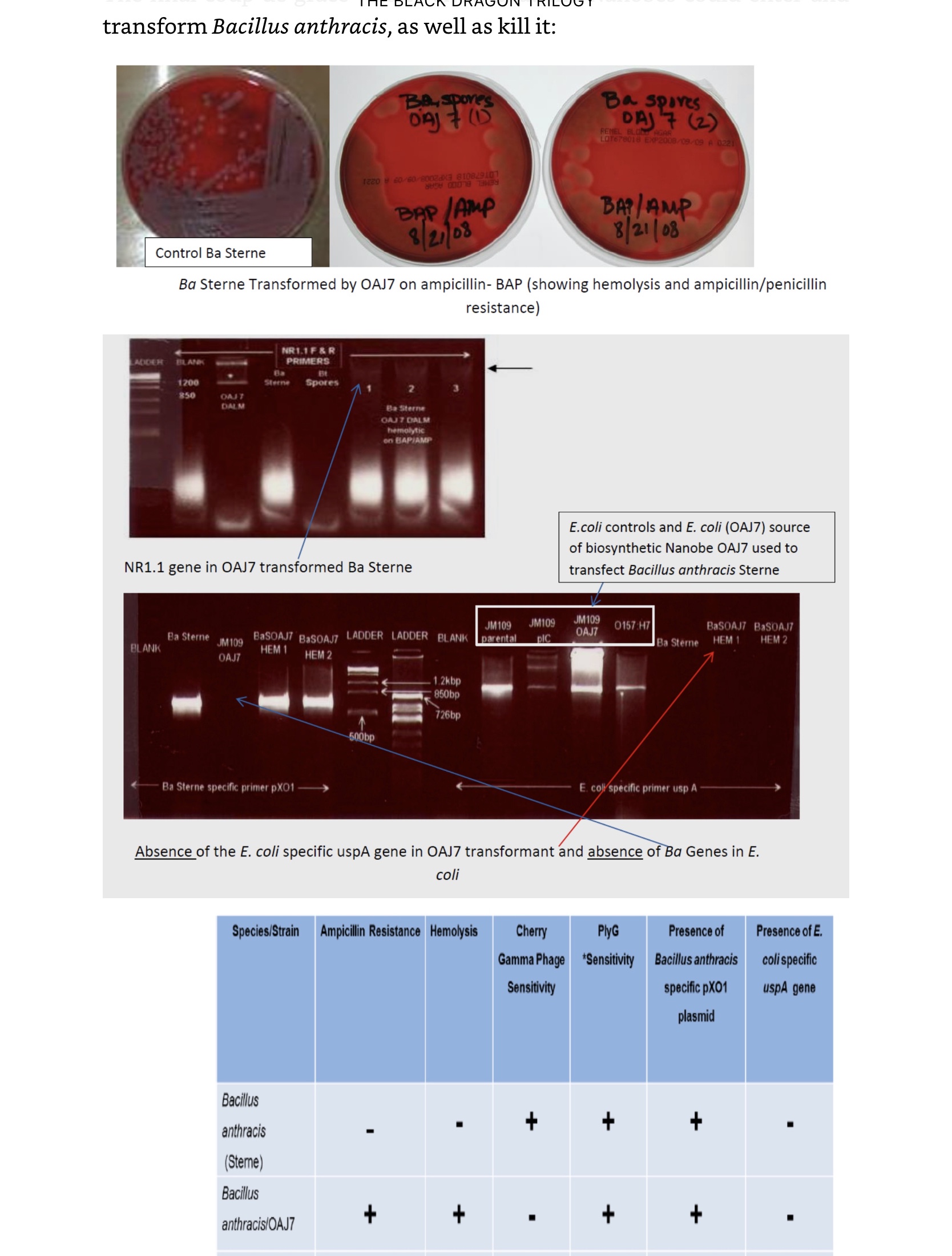
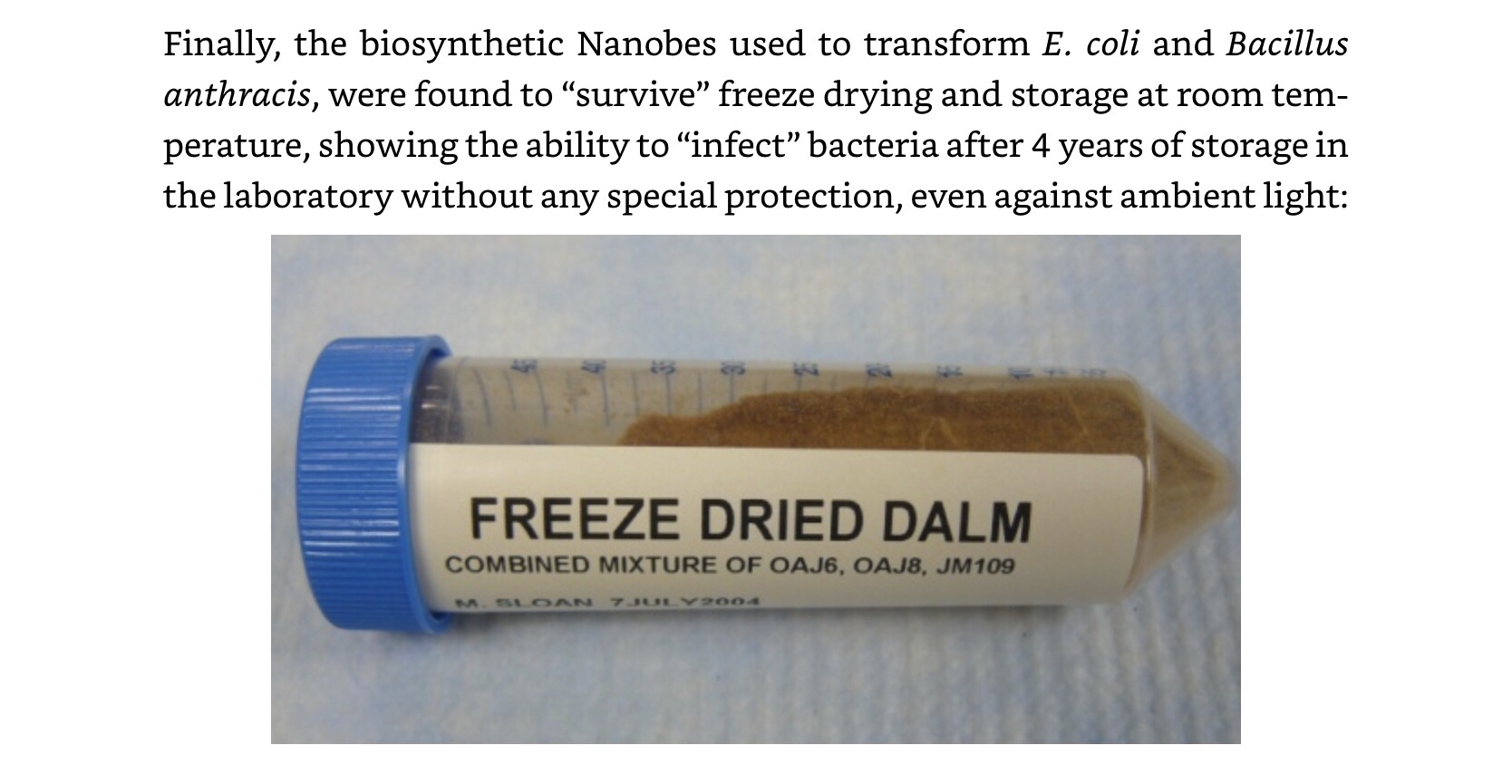
A “system of systems”: The following are examples of military ruggidized technologies for use against pathogens under adverse, limited field conditions:
— The Black Dragon Trilogy
https://a.co/eHXdcPA

 Global Biosurveillance