
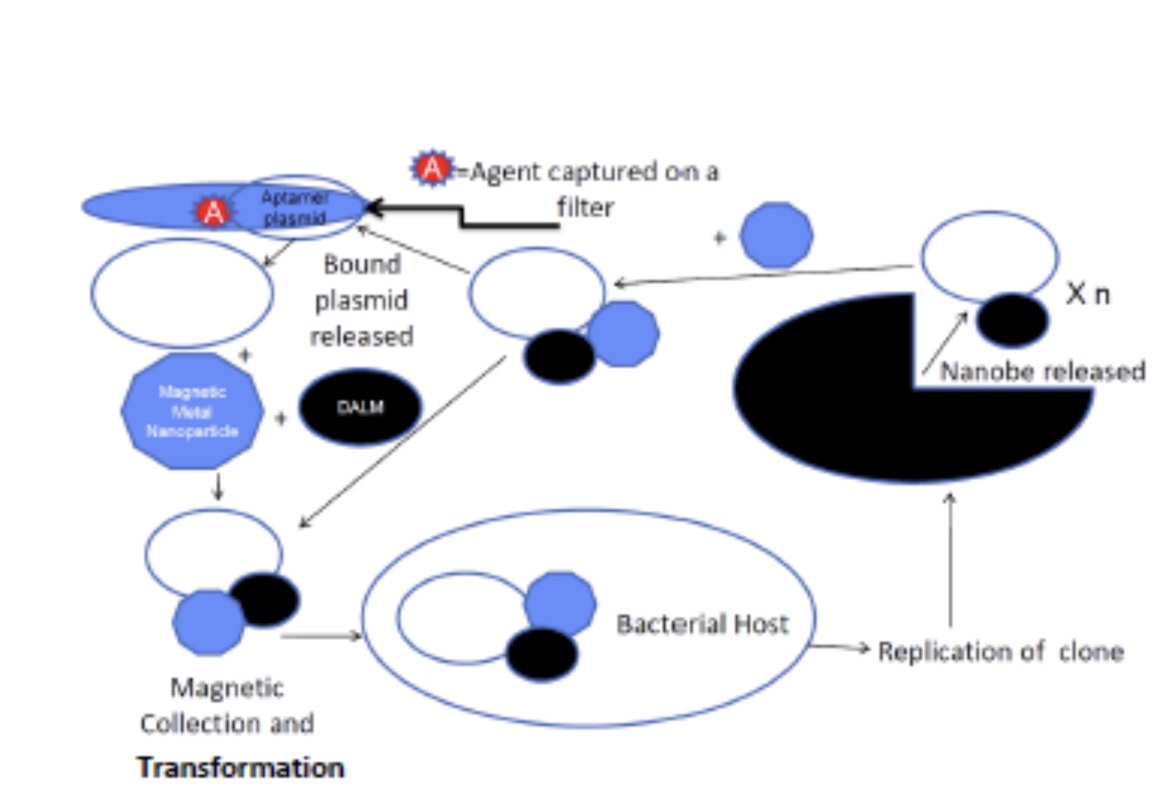
“What would the simplest and purest form of a Nanobe which could take over another life form and make it a new, different one? The following is such a model of such a transforming synthetic life form which could be made from basic chemicals:”— The Black Dragon Trilogy by JOHNATHAN KIEL
https://a.co/136glXE
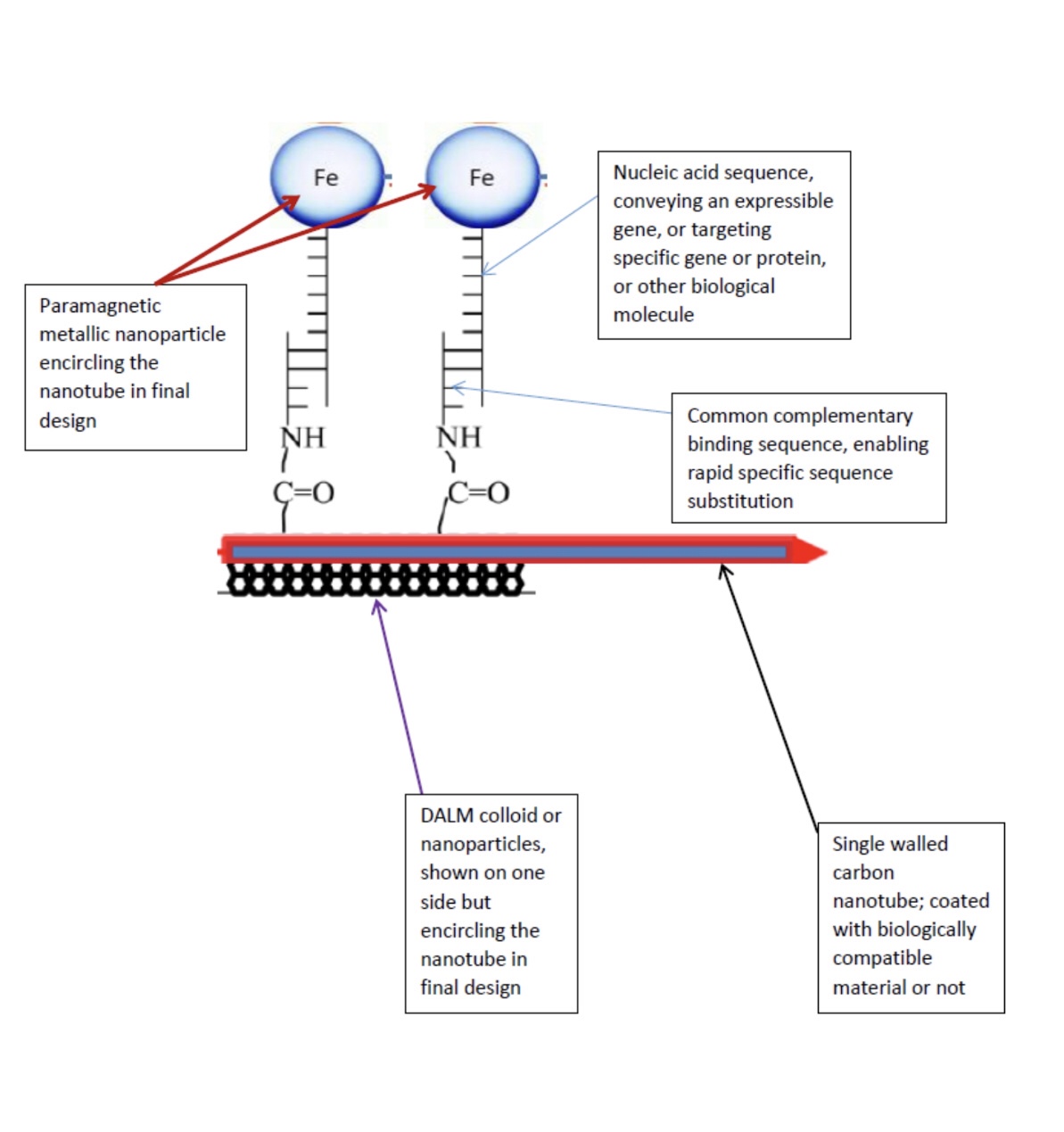
Multiple potential applications:
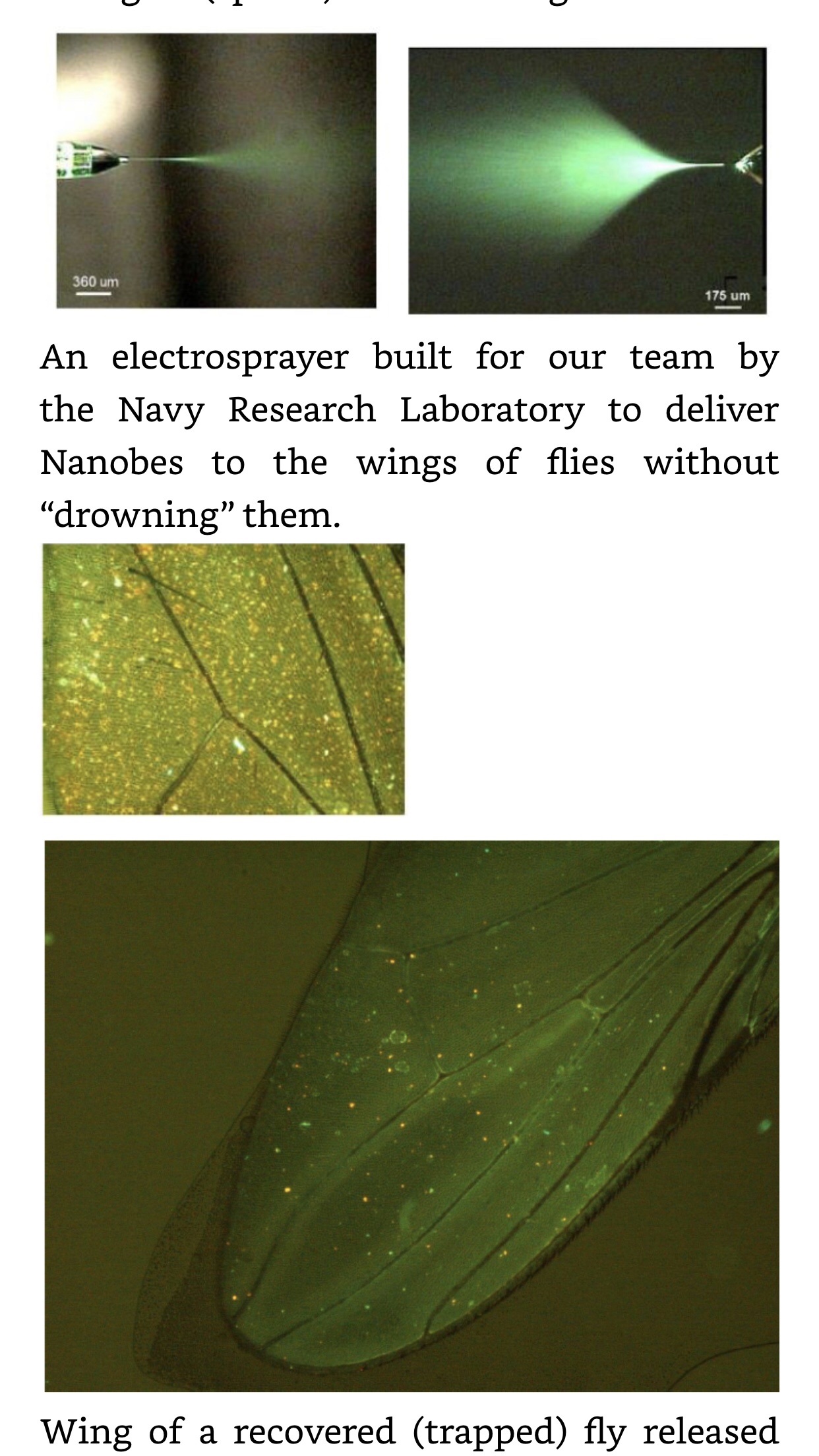
1) Simulants for microbial detection and neutralization, using the Nanobes’ “internal” diagnostics. (2) Test platform for nanotoxicological research. (3) Transfection vector for biomedical research and therapeutics (superior to just re-directing the immune response, as we had previously tried, because Nanobes can be turned “on” and “off” with nonionizing electromagnetic radiation (NEMR)). (4) Against antibiotic resistant bacteria, especially intracellular bacteria (in vivo and ex vivo, in self–sterilizing materials). (5) Against viruses and other parasites (in vivo and ex vivo, self-sterilizing materials). (6) Against cancer (7) RFR nano-directed ablation surgery (8) RFR controlled gene expression (9) Transformation vector for agriculture (10) RFR (and other NEMR) controlled pesticides (11) Transient persistent transformation of crops (For one season; self-limiting desirable trait transfer) (12) Transformation vector for bio energy (13) Enhancing cyanobacterial production of biofuels (14) Enhancing microbial production of materials and feedstocks.
Although CRISPR (clustered regularly interspaced short palindromic repeats) gene editing technology has come like a storm with great promise for therapeutic gene editing ( 2020 Nobel Prize in Chemistry: Emmanuelle Charpentier, at the Max Planck Unit for the Science of Pathogens in Berlin, and Jennifer Doudna, at the University of California, Berkeley), it still has delivery, off- target effect, and control problems (can’t readily be turned “on and off”). Many researchers are vigorously pursuing solutions. Nanobes provide an alternative that is electromagnetically controlled with a fail-safe system. Nanobes could even provide a fail-safe delivery system for CRISPR.
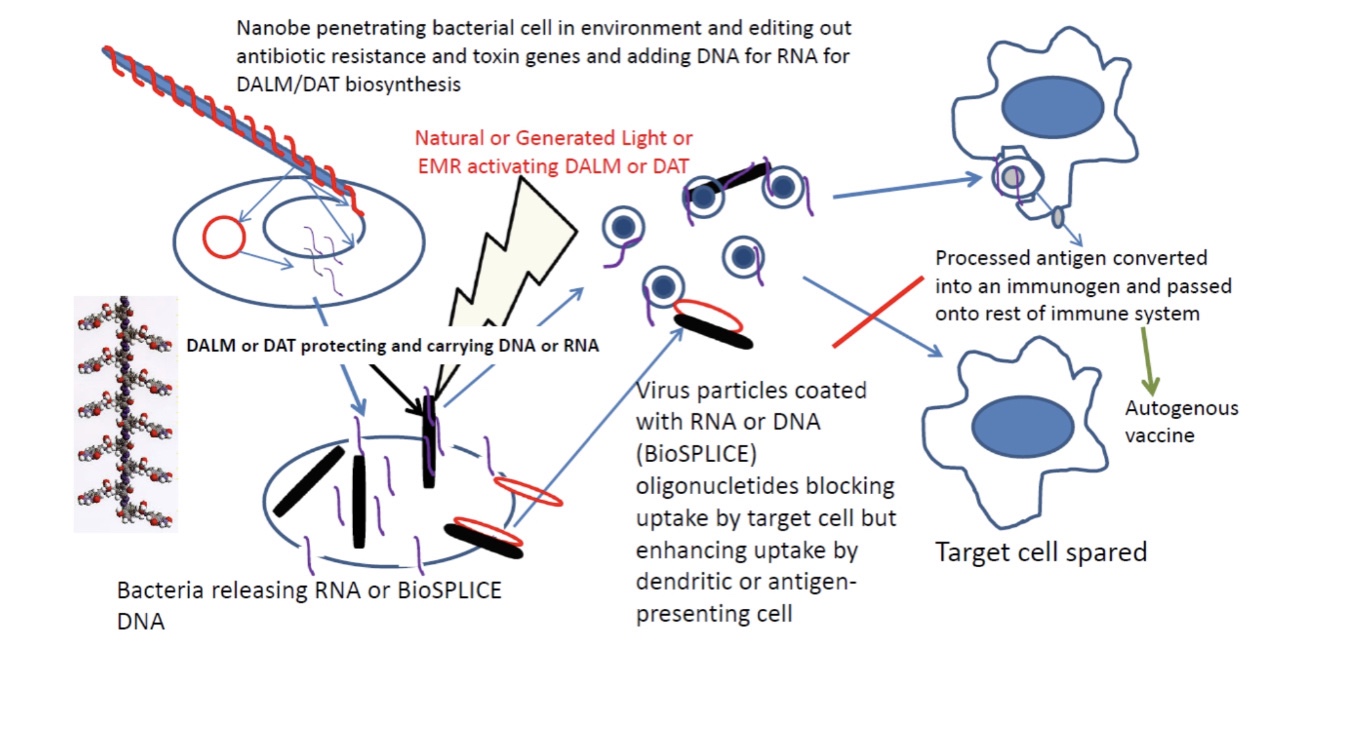
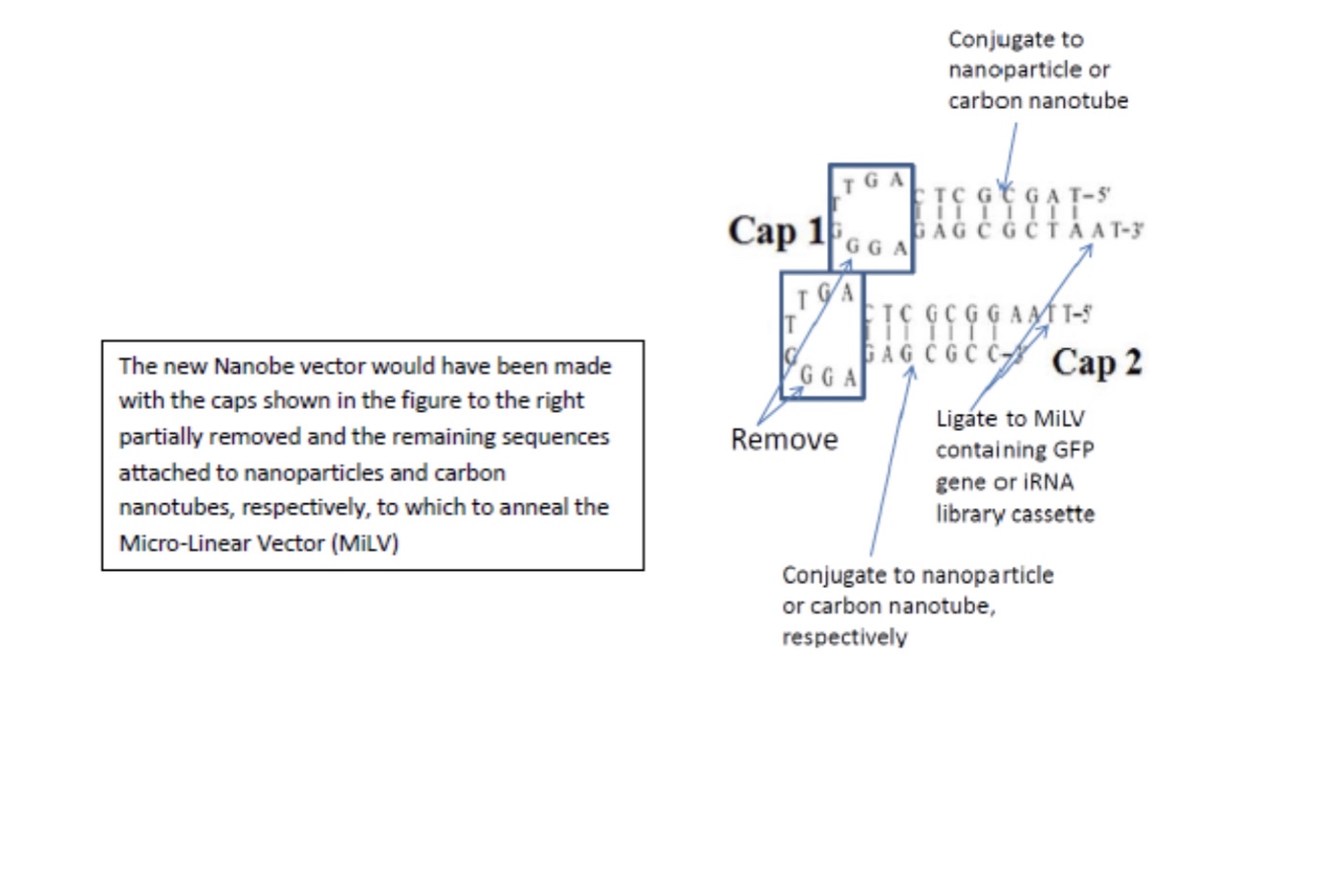
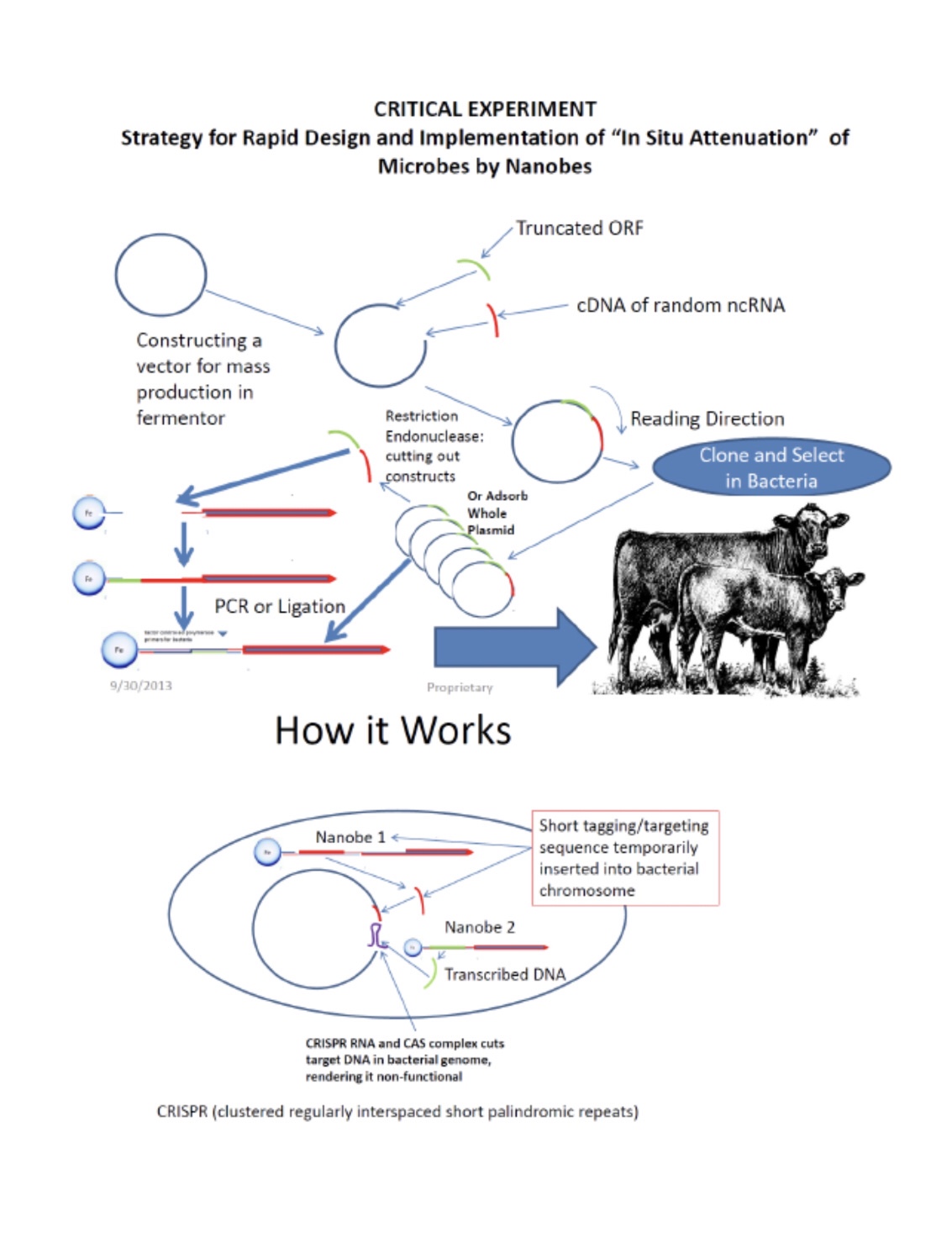
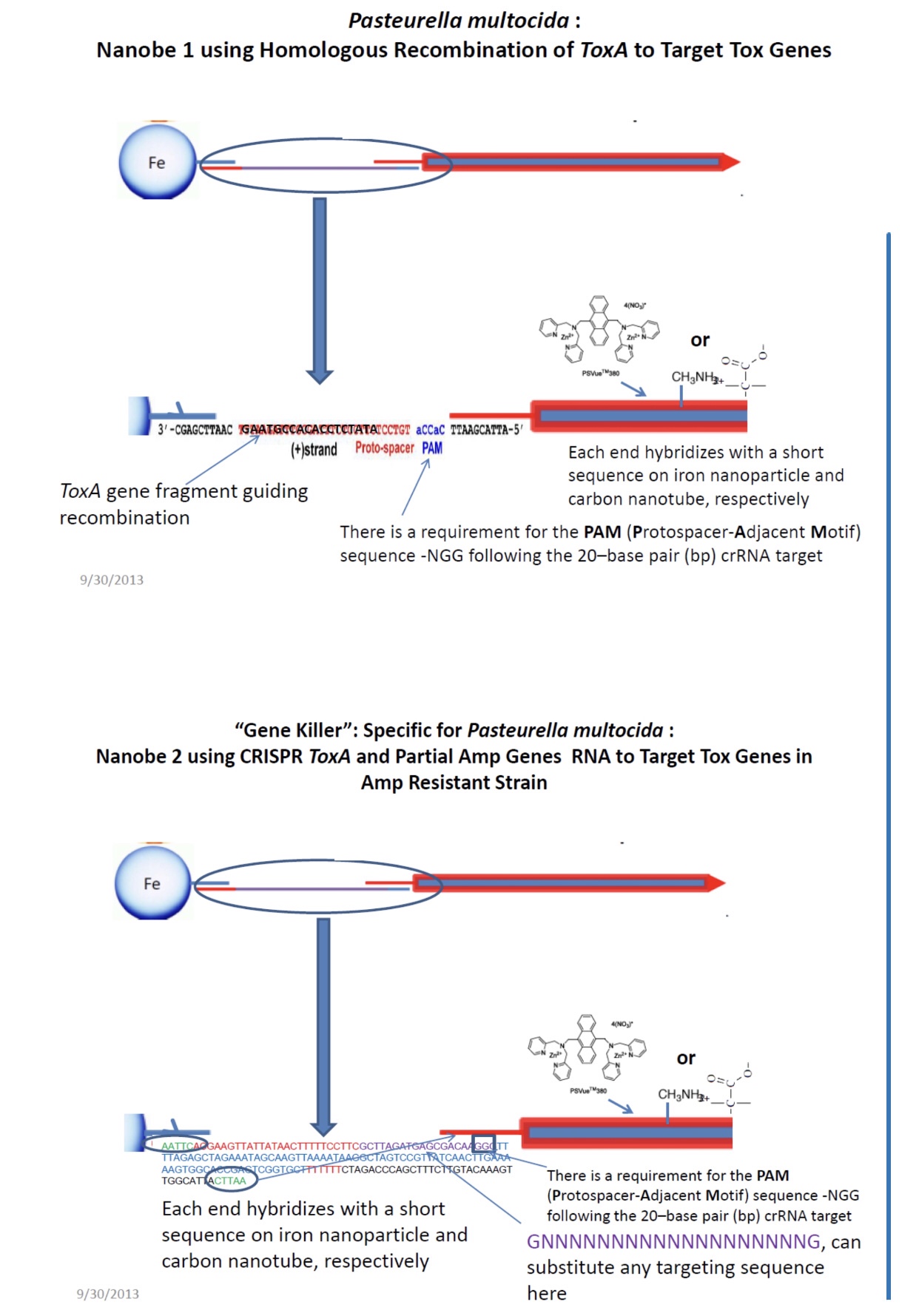
There are also plant agricultural applications
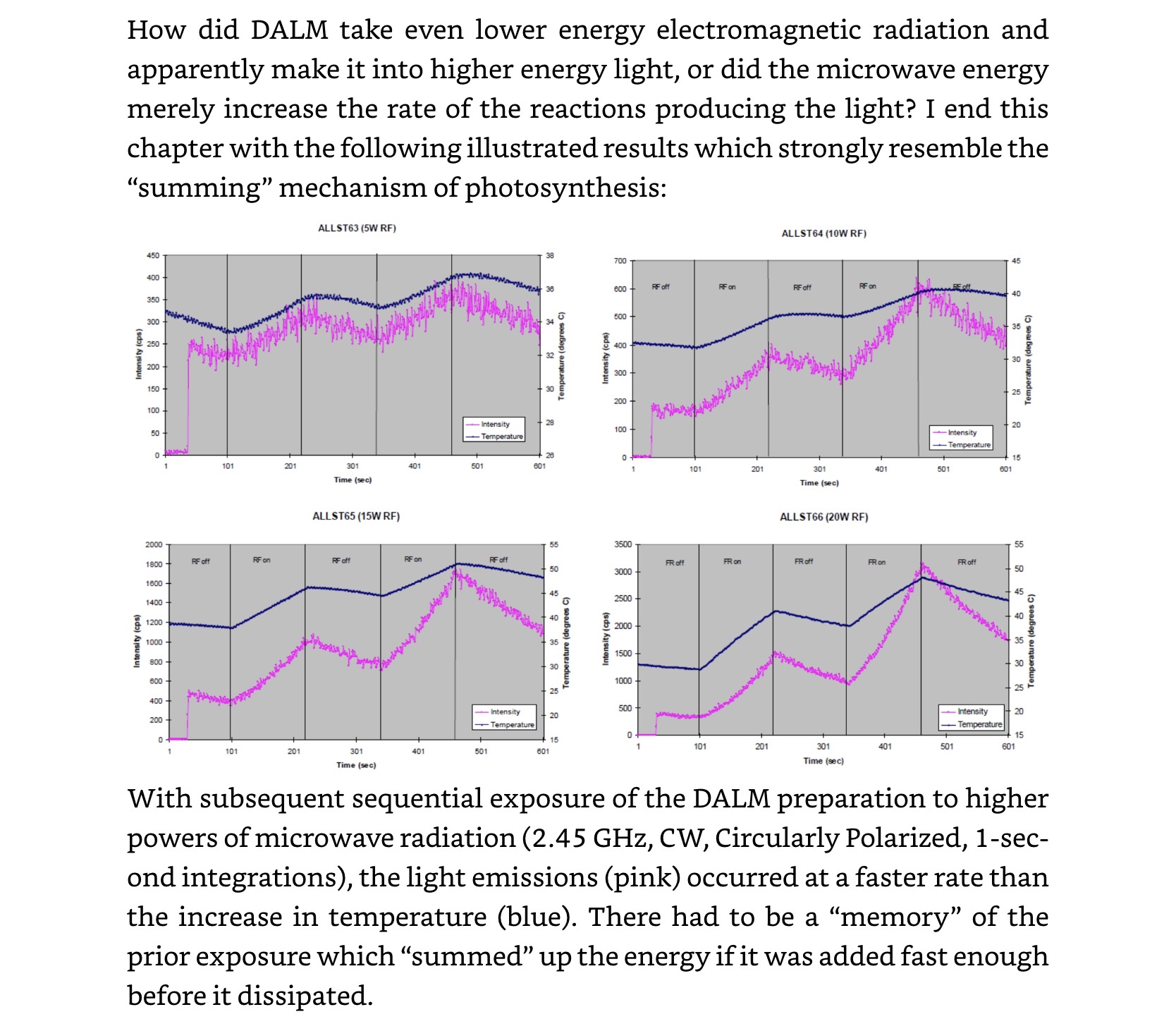
“We tried to address a major problem in agriculture, Greening Disease of Citrus Fruit caused by the bacterium Candidatus Liberibacter asiaticus transmitted by the insect vector the Asian Citrus Psyllid, which has invaded citrus farms of Florida and threatens those of Texas.”… “Aside from using Nanobes to deliver CRISPR in the field, which might be quite complicated, the alternative was to use the microwave and radio frequency absorbing properties of Nanobes with DALM to do the job, combining physics and engineering with biology. Heat treatment eliminates Candidatus Liberibacter asiaticus from infected citrus trees under controlled conditions. This approach would have provided wireless control (using light, microwaves, or magnetic induction to activate the Nanobe heating) which could have been turned on and off with an external switch controlling the energy source. Even if transformation was used as a method as well, if something went wrong, the transformed cells could be killed by raising the energy level to a lethal level, but not high enough to destroy surrounding non-transformed cells in the plant.”— The Black Dragon Trilogy by JOHNATHAN KIEL. https://a.co/0ApfKej
Non-biological applications of Nanobes:
(1) Nano-plasma cleaning of surfaces by E field focusing (2) Nano-plasma etching of surfaces for device construction (3) Ultrawide-band-emitting nano-transmitters/ receivers for RFIDs (4) Nano-magnetically controlled switches and circuits (5) Taggants to track materials (in conjunction with people?)”
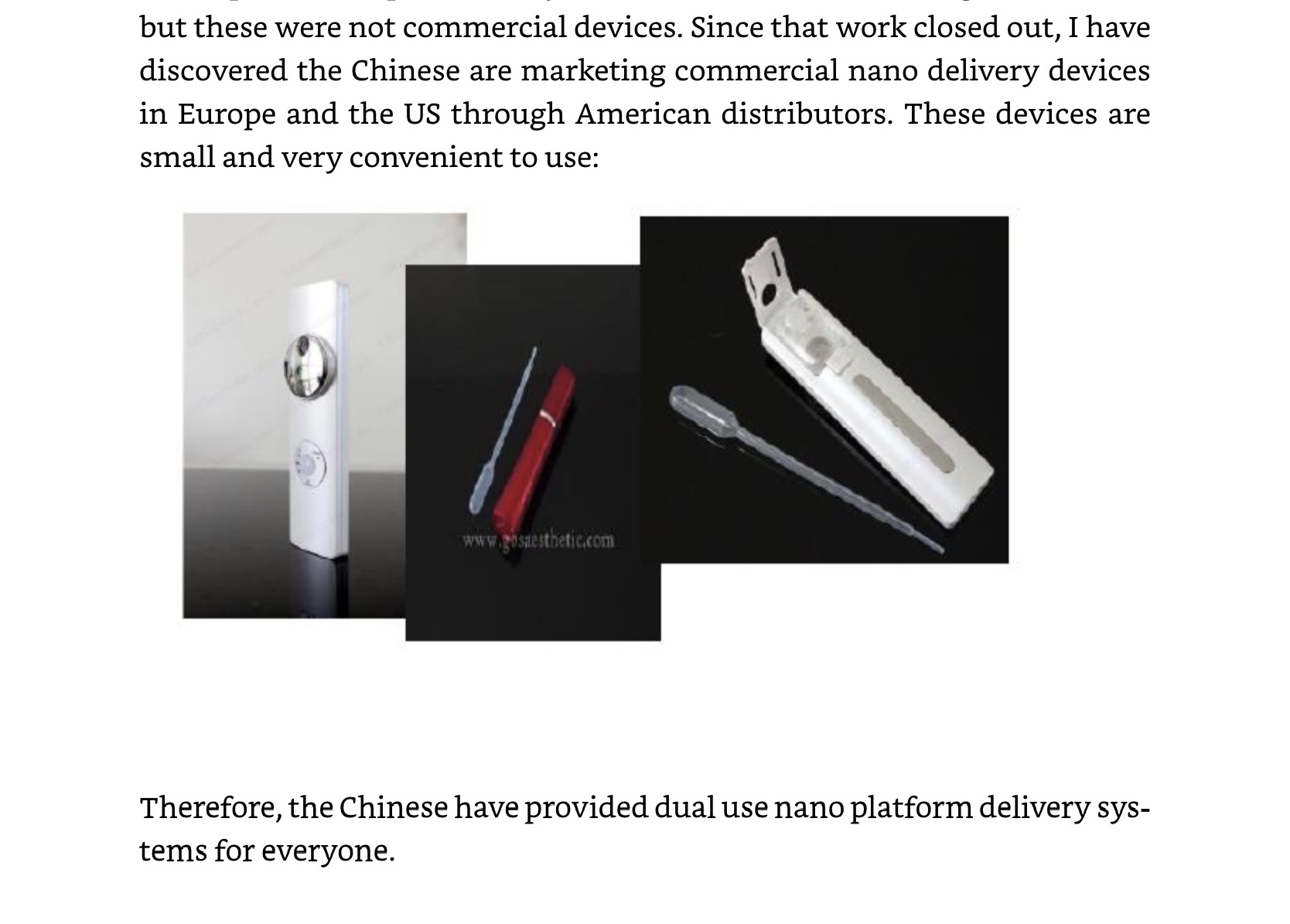
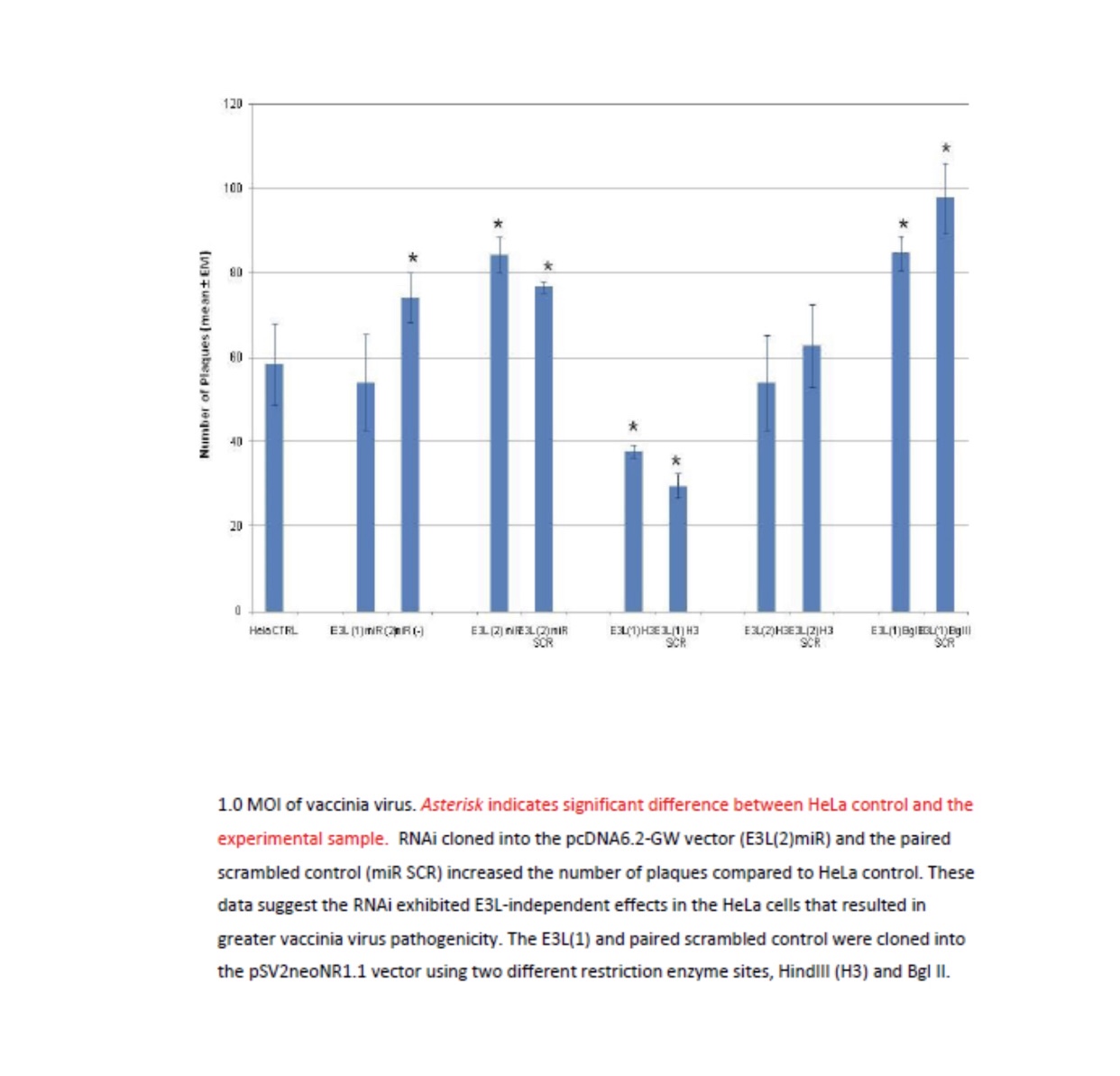
— The Black Dragon Trilogy by JOHNATHAN KIEL
https://a.co/9kBhZV6
“Nanobes not only facilitate this biohacking but provide a convenient delivery system for the products. No longer will this type of biotechnology be confined to highly sophisticated and elite well-funded and institutionally supported labs of the Northeast or California coast of the USA, but they will also be available to all as the personal computer made computer technology and software development availabe to all. There is inherent freedom, progress and danger in such accessibility.”— The Black Dragon Trilogy by JOHNATHAN KIEL
https://a.co/fLu1BHE

 Global Biosurveillance