
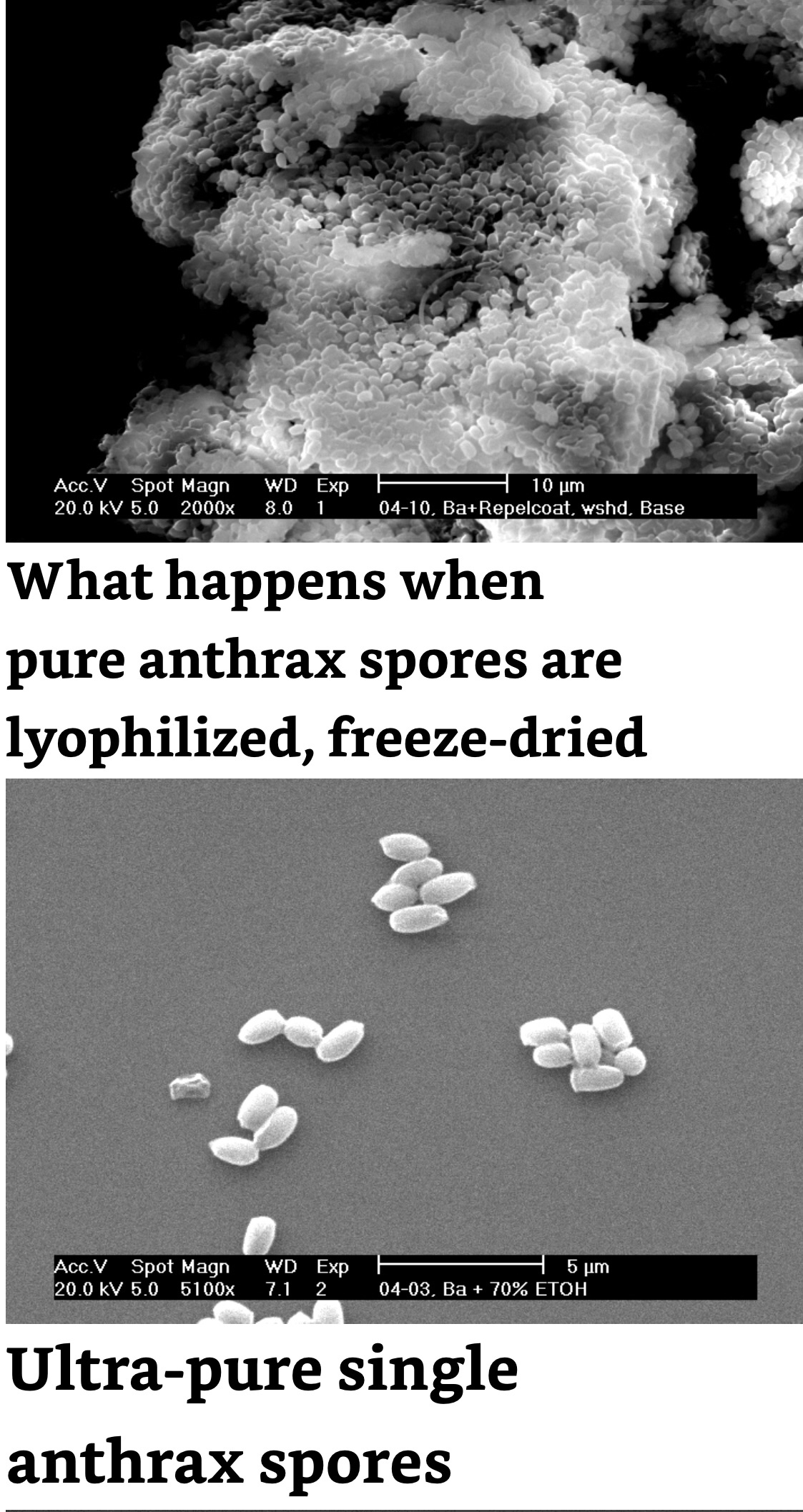
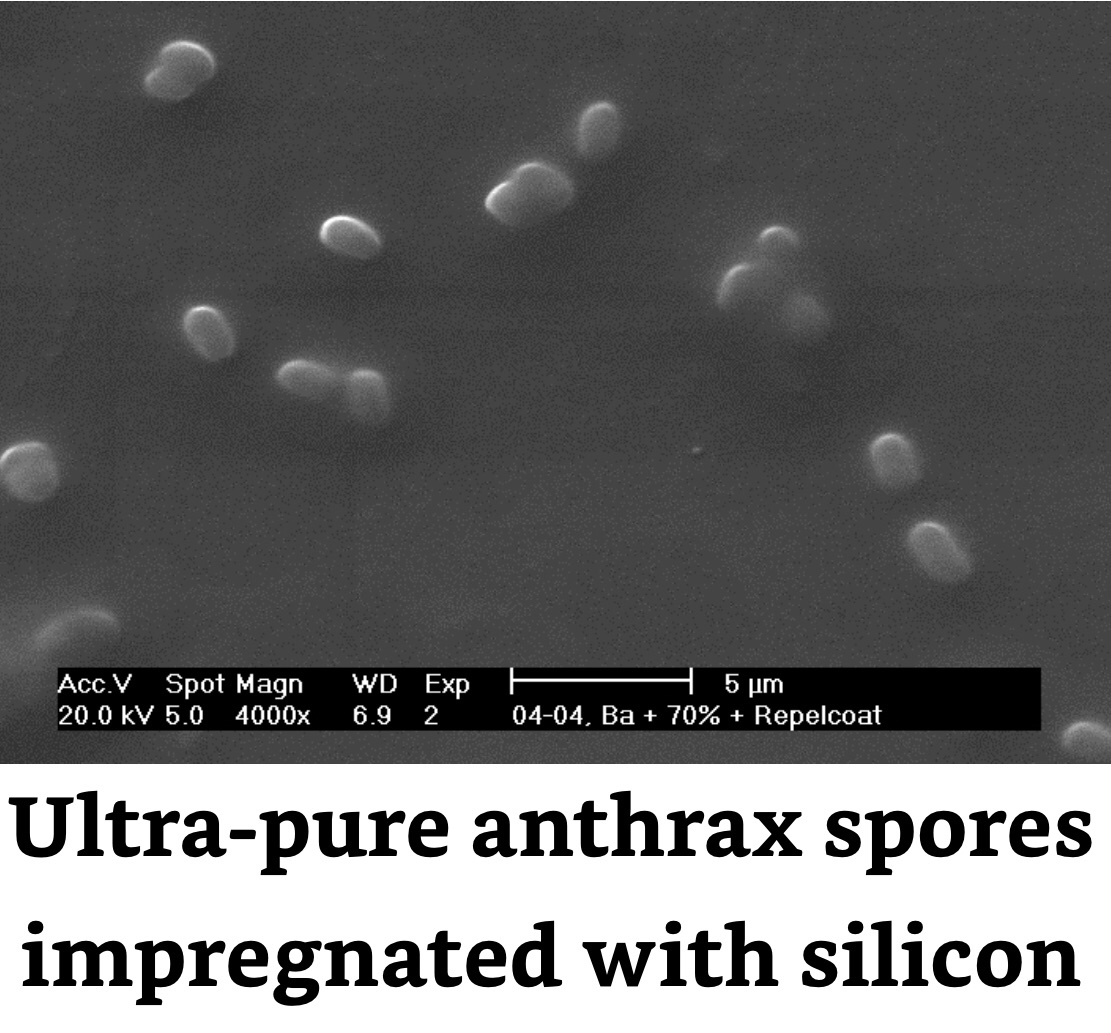
SARS-CoV-2 virions are particles from 70–90 nm in diameter with a maximum of 140 nm. The N95 mask, when fitted properly, stops 95% of particles down to 300 nm (0.3 micron). PM2.5 mask insert filters stop particles down to 2.5 microns. HEPPA filters, used in infectious agent containment hoods and facilities, as defined by the United States Department of Energy (DOE) standard adopted by most American industries, remove at least 99.97% of airborne particles 0.3 micrometers (μm, microns) in diameter. These, at first glance, appear to be insufficient in preventing viral pass through. However, individual particles are extremely rarely, if ever, naturally launched into the air. They are clumped into droplets with protein, electrolytes, water, and mucins (if respiratory viruses) from mucus that hold them together and limit how small those viral agglomerates will be even after evaporation (most in 5-10 micron range). Some naturally aerosolizable microbes become electrostatically repulsive of each other on drying, at least in water, but this is not a stable form for most viruses. They like to be dry in a biological (dirty) matrix to stay stable and infectious. Anthrax spores are a “gold standard” aerosol agent, being shaped like a football, 1 micron by 0.5 micron. However, it is rarely in ideal singular form. A direct hit on the best military gas masks of the best weaponized spores can allow a leakage of 10,000 spores, one average human lethal dose, but this is very unlikely to happen, so the masks are more than adequate under battlefield conditions. To show how preparations can wildly vary in actual particle size, even for anthrax spores, I present the following electron microscope pictures:

 Global Biosurveillance