
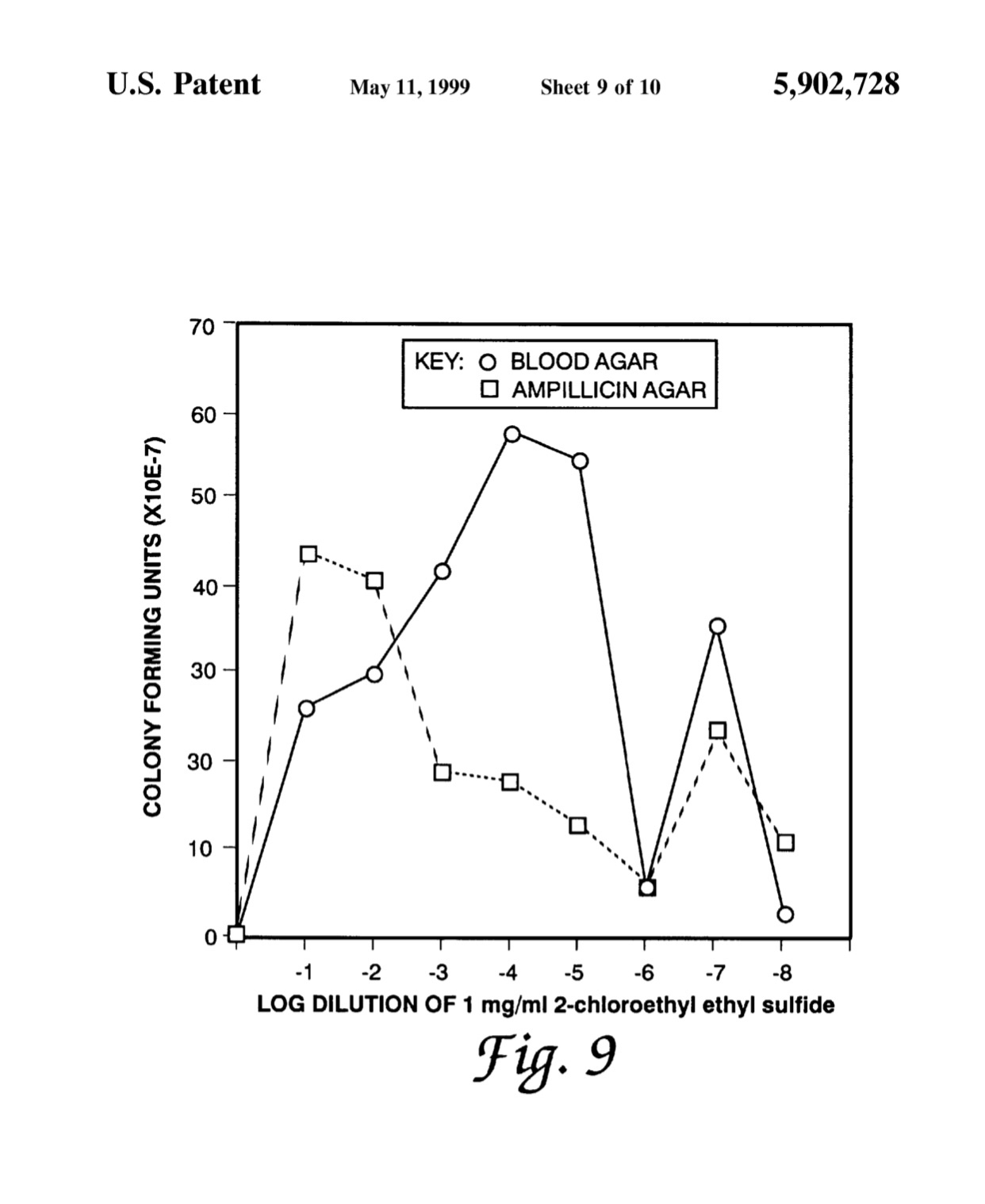
A recent study in Science magazine (https://gtxcel.omeclk.com/portal/wts/uemckdyf000aeg3VDqj9szALvfeTjSdoNYhxH3VWRnROps%7Eqfc%7C8mc) supports the idea that monoclonal antibody against a rapidly growing and spreading virus like SARS-CoV-2 is not necessarily a good idea because it can select for mutants that are resistant to the neutralizing effects and replace those that are sensitive. Polyclonal antibodies thwarted this escape because it is much more difficult to mutate past many different antiviral antibodies as is also seen with multiple drug therapies. For example, in 1995, a combination drug treatment known as the “AIDS cocktail” was introduced which made AIDS a survivable , chronic disease. This type of therapy is known as highly active antiretroviral therapy (HAART), also called combination antiretroviral therapy (cART). Our own research, demonstrated that a mutagen (2-chloroethylethylsulfide) could make bacteria resistant to one but not two antibiotics at the same time in the same microbes (ampicillin and 3-amino-L-tyrosine: Patent #: 5,902,728; date: May11,1999):

 Global Biosurveillance