
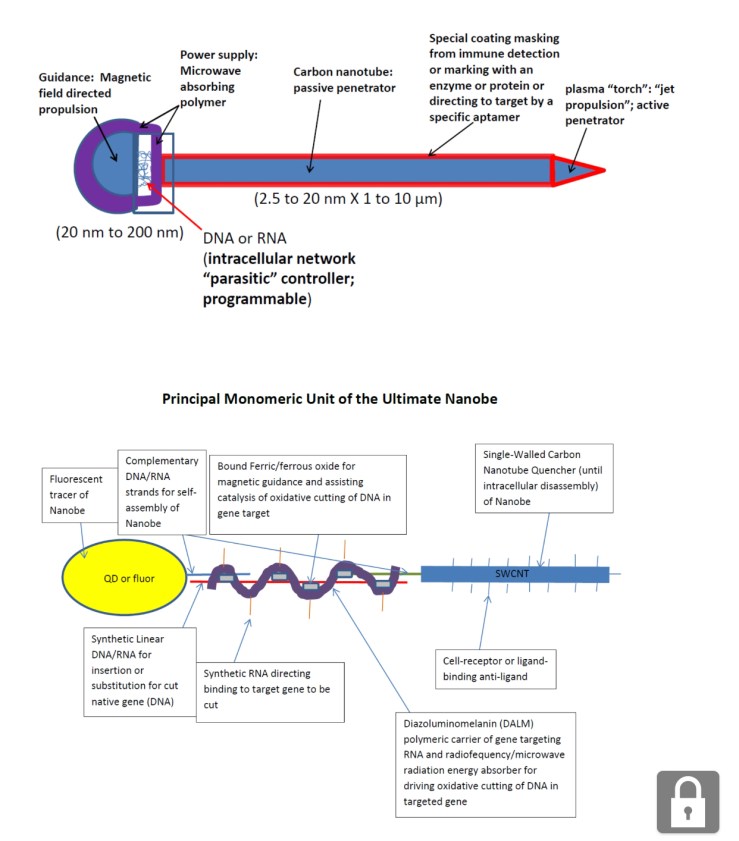
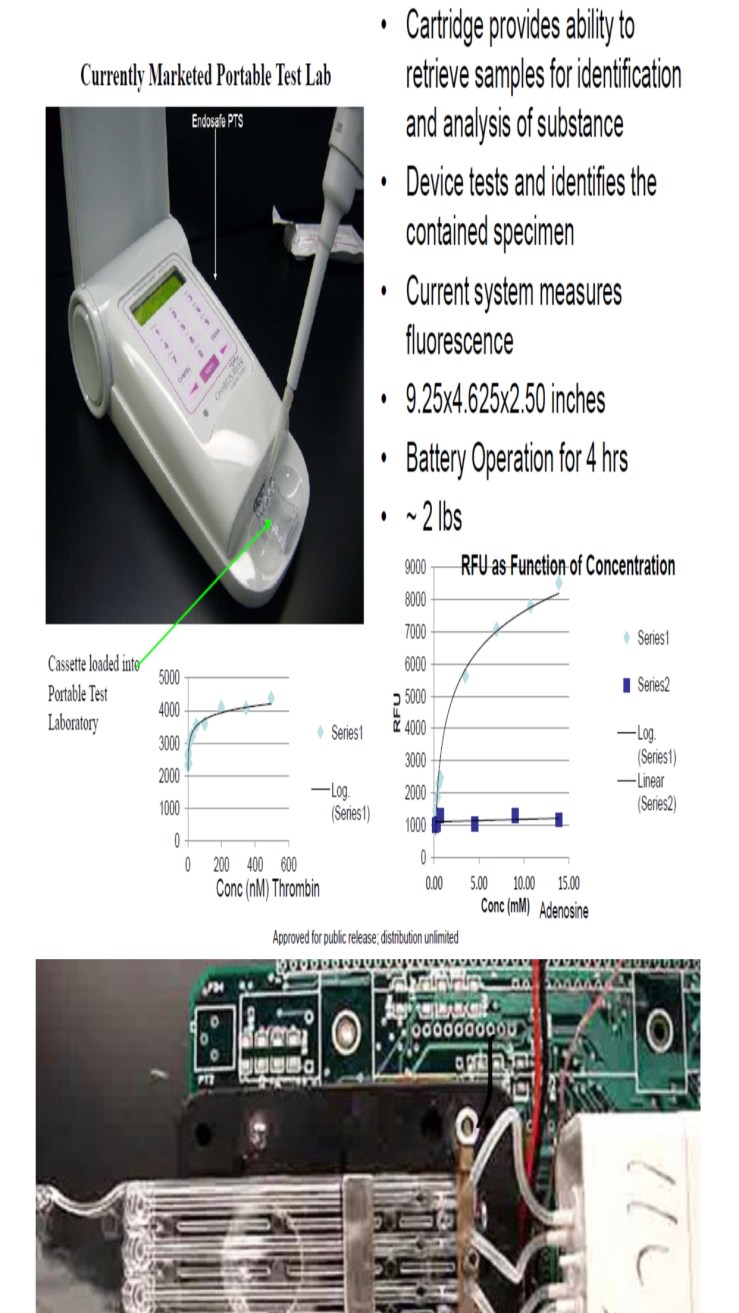
I am taking a pause from COVID updates, since much of the literature for now are just iterations of previous information, to explain a major motivation for opening the conversation on emerging infectious diseases in the first place. The USAF AFRL Counterproliferation Team’s original motivation was to meet Special Forces needs in Biodefense. They were to quickly detect, identify, safely secure and bring back biological samples from non-permissive territory for further analysis. They needed a way to keep agents alive and safely secure as well as a method to detect them on contaminated surfaces, and precisely and non-destructively kill them without damaging or destroying sensitive equipment. Out of this evolved the synthetic Nanobes which could detect and reveal agents in samples or on surfaces by fluorescence, magnetically collect them after specifically attaching to the agent through synthetic binding short poly nucleic acids (aptamers), and even destroy them by microwave or radio frequency radiation or indicate the agents destruction by simultaneous loss of fluorescence as with cold plasma. The use of random aptamers even allowed for the detection and selection of new Nanobes in the field for future specific use. Unfortunately, the technology to meet these Special Forces’ needs brought up nefarious dual use as an offensive weapon which placed the nanotechnology in international law limbo. I still think it has great promise and this is why I am sharing the information now here and in my books.

 Global Biosurveillance